REVIEW · AY CHAMPAGNE
Aÿ-Champagne: Champagne House Tour and Tasting Class
Book on GetYourGuide →Operated by Le Clos Corbier · Bookable on GetYourGuide
90 minutes is enough to change how you taste. This small-house visit at Le Clos Corbier in Mareuil-sur-Ay turns Champagne from a buzzword into a process you can follow, with cellars dug in the 1850s and a hands-on tasting class built around quiz and aroma training.
I love how the tour flows from the physical work of making Champagne to the sensory side, so you’re not just hearing facts—you’re learning how the wine shows up in your glass. I also like the interactive style, including an olfactory workshop and a competitive blind tasting of the house’s bottles.
One consideration: transport is on you. Pickup/dropoff isn’t included, and getting to this part of Champagne can be awkward without a car or solid local taxi options, so build extra time for the trip back.
In This Review
- Key things to know before you go
- Why Le Clos Corbier in Mareuil-sur-Ay feels more real than the big brands
- From the vineyard setting to the 1850s cellars
- The press room lesson: where Champagne starts before the bubbles
- Train your nose: the aroma workshop that makes tasting easier
- The tasting class finale: 3 bottles, one blind challenge
- Snacks and pairings that keep the class fun
- Price and time: is $47 worth 90 minutes?
- Logistics: how to plan the trip without getting stuck
- Who should book this tour, and who might want a different style
- Should you book Aÿ-Champagne at Le Clos Corbier?
- FAQ
- How long is the Champagne house tour and tasting class?
- Where does the tour take place?
- How much does it cost?
- What’s included in the experience?
- Are there tastings of different Champagnes?
- Can the food pairing be adapted for dietary needs?
Key things to know before you go
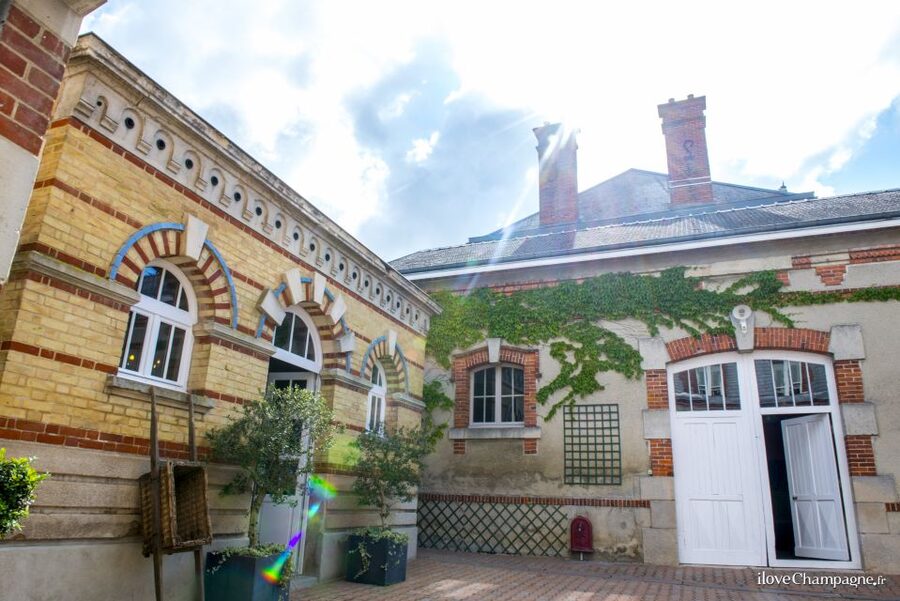
- A 1850s cellar setting inside a typical Champagne house at the edge of the vineyards
- Press-room learning that explains what happens before the bubbles form
- Olfactory workshop that trains you to pick out aromas, not just flavors
- 3 tastings, including a Grand Cru Vintage
- Food pairings with local sweet treats and finger food (adaptable for diets)
- Small, guided energy, with English/French tour guidance and a quiz-style finish
Why Le Clos Corbier in Mareuil-sur-Ay feels more real than the big brands
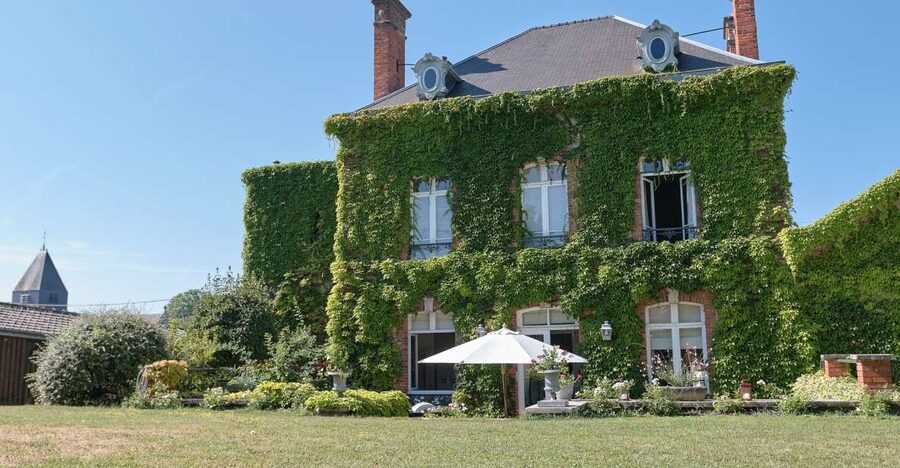
If you want the Champagne experience without the mega-tour-machine feeling, this house-based stop is a great fit. You’ll be in Mareuil-sur-Ay, surrounded by vineyards, and you’ll get access to the working parts of a house—press and cellars—rather than only a polished showroom.
The best part is that the tour doesn’t treat tasting like a formality. Instead, it sets you up to taste better by teaching you what to look for (and smell first), which makes the final tastings more meaningful.
You can also read our reviews of more food & drink experiences in Ay Champagne
From the vineyard setting to the 1850s cellars
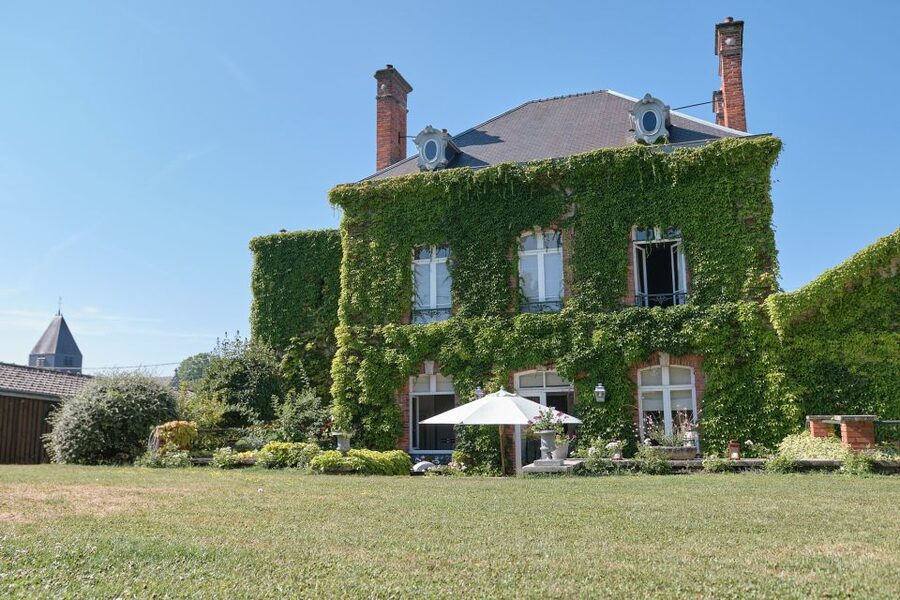
You’re welcomed at Le Clos Corbier in the middle of Champagne vineyards, in a location that instantly frames the story of the region. From the start, the atmosphere helps you understand that Champagne isn’t produced in a vacuum. It’s made in a landscape, by a tradition, with a lot of steps that all matter.
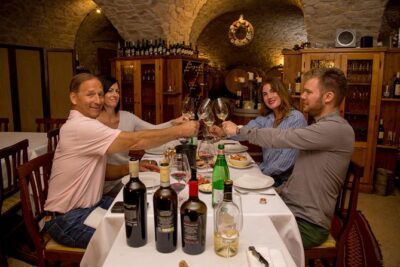
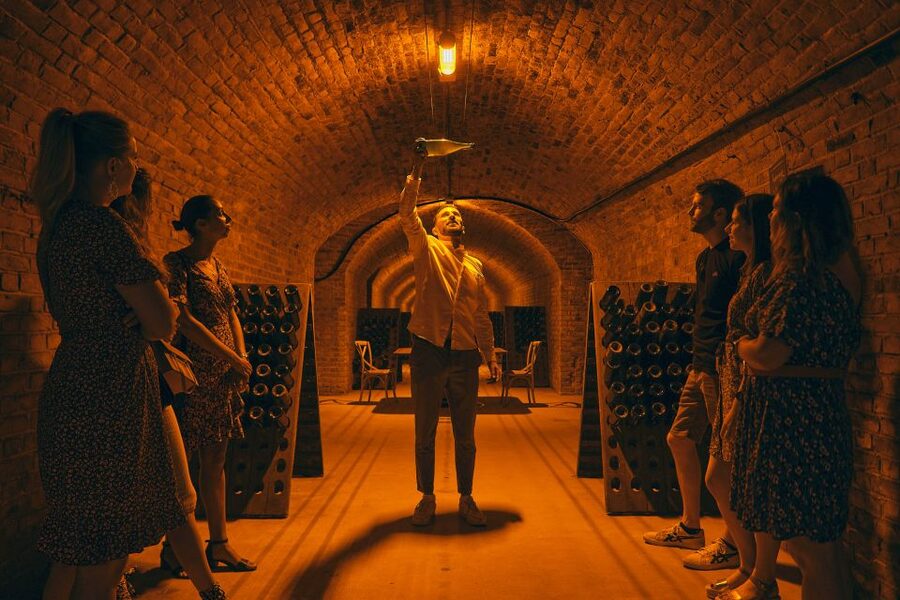
Then you move into the cellars—specifically, the cellars dug in the 1850s. That detail matters because cellar conditions are a huge part of how Champagne is handled over time. Even if you don’t memorize every technical term, standing in the space where the wine rests makes the process feel concrete.
Practical takeaway: if you like tours where the guide points out what’s special about the building and the workflow, you’ll enjoy this part a lot.
The press room lesson: where Champagne starts before the bubbles
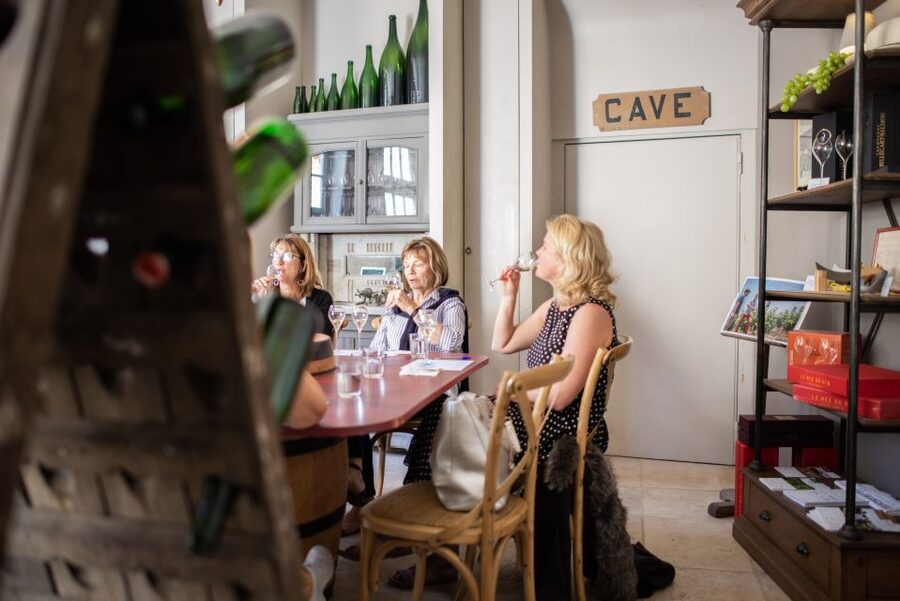
A lot of Champagne tours skip the messier, human parts of winemaking. Here, you’ll get a clear look at the traditional press and learn how it fits into the bigger process.
The guide’s aim is to get you comfortable with the idea that Champagne is not just one wine—it’s a system of timing, handling, and blending choices. Watching the equipment and learning what it does gives you better context for why different Champagnes can taste distinct even within the same family.
What you should watch for: when the guide explains the press and early steps, connect it to what you later smell in the tasting. That’s how the tour earns its interactive quiz and aroma workshop—it links your senses to the process you just learned.
Train your nose: the aroma workshop that makes tasting easier
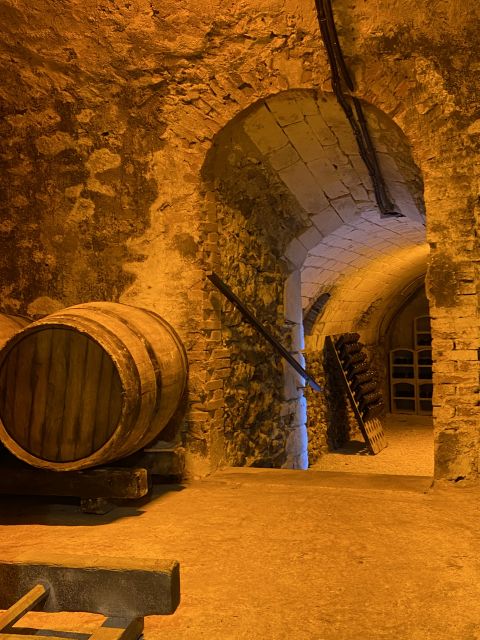
One of the smartest pieces of the class is the olfactory workshop. You don’t just swirl and sip. You train your nose to identify aromas and flavors you can actually name and compare.
This is where the tour helps you as a visitor, not just as a spectator. Once you learn a few aroma cues and tasting habits, you start tasting like a reader—notice, label, compare. It also makes blind tasting far less intimidating, because you’re given a method before you’re asked to perform.
If you tend to think you’re bad at tasting, this is the moment that can flip the script. The point isn’t to be perfect. It’s to learn a repeatable way to pay attention.
The tasting class finale: 3 bottles, one blind challenge
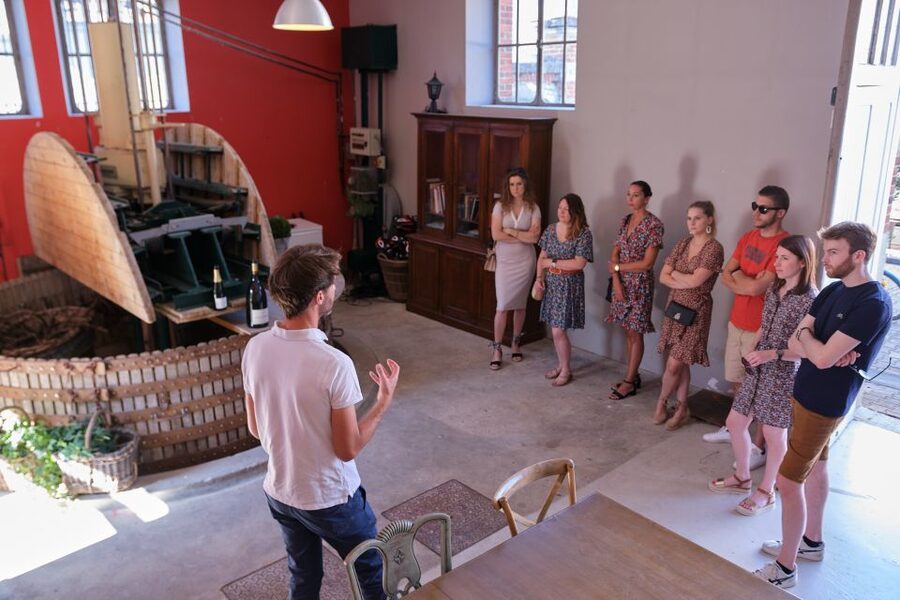
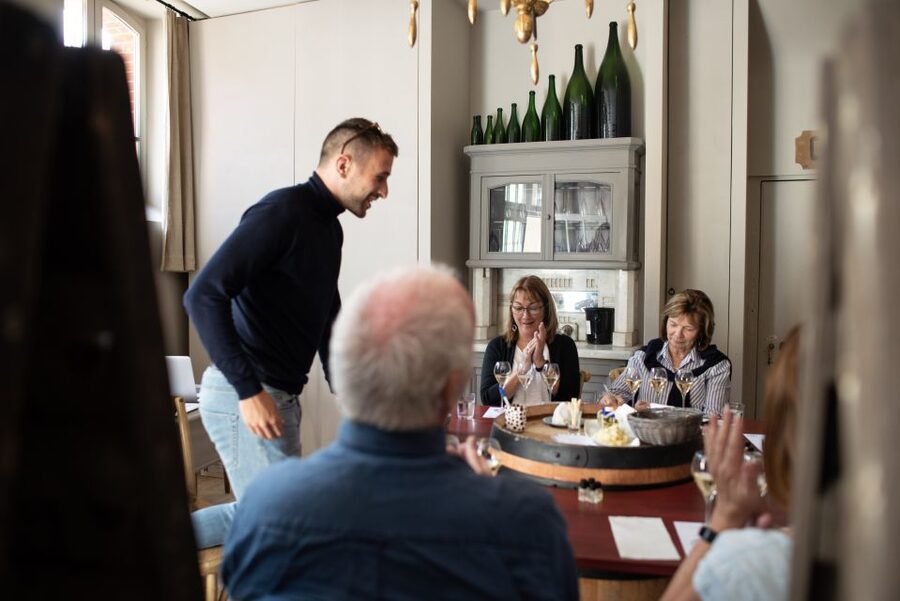
After the workshop, you’ll sit down for the tasting class with a quiz element, then you’ll take part in a more competitive blind tasting. The format is built to get everyone participating, not passively watching.
You’ll taste 3 different Champagnes from the family, including one Grand Cru Vintage. That last detail is key for value: Grand Cru Vintage bottlings typically represent a step up in complexity and focus, and tasting it alongside other family wines helps you understand how style and sourcing choices show up on your palate.
Here’s how to make the most of the blind portion:
- Focus on aroma first, then only later move to flavor and structure
- Try to pick out one standout note, then second and third impressions
- Don’t chase perfection—use your first clear thoughts as your anchor
A bonus: some tours end with drinking. This one ends with understanding, because the tasting is tied back to what you just learned in the press/cellar walk and the aroma training.
Snacks and pairings that keep the class fun
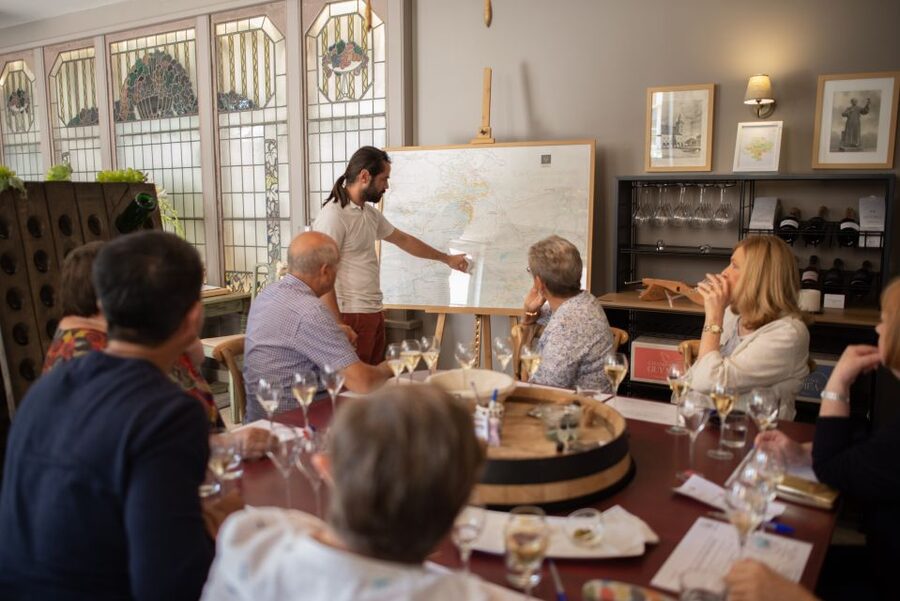
Champagne and food pairing is usually the “nice extra.” Here, it’s built into the tasting experience. You’ll enjoy local sweet treats and finger food paired with your Champagnes.
This matters because it changes your tasting experience in a good way. Sweet and savory bites can make certain aromas pop and help you compare sweetness, acidity, and texture across bottles more clearly than Champagne alone would.
Also, the tour states that pairing can be adapted for allergies or specific diets. If you have dietary restrictions, it’s worth mentioning them ahead of time so the pairing makes sense for you and you don’t end up skipping the food.
Price and time: is $47 worth 90 minutes?
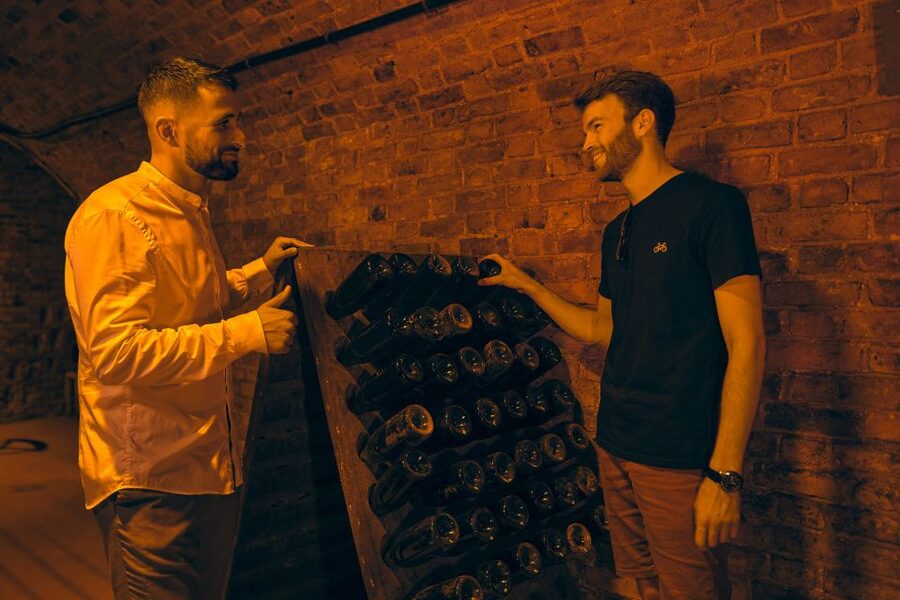
At $47 per person for a 90-minute experience, this tour is priced like a focused, small-house tasting class rather than a long, formal event. Whether it’s worth it comes down to what you want from Champagne in one sitting.
If your goal is a quick taste plus a few photos, you’ll probably feel underfed. But if you want a skills-based tasting—press-room basics, cellar context, aroma training, and a blind comparison of three Champagnes—this is strong value for the time.
You’re also getting access that many people miss when they only do the biggest Champagne stops: a cellar walk, press-room learning, and an education-heavy tasting that doesn’t treat the group like background noise.
Logistics: how to plan the trip without getting stuck
This tour does not include pickup and dropoff, so plan your route like you would for any place outside major city centers. The tour is in Mareuil-sur-Ay, in the Grand Est region, which is beautiful—but not always easy to reach with casual public transport timing.
Practical advice:
- If you’re staying in Reims or trying to do a same-day swing from Paris, give yourself buffer time for the return
- If taxis are limited where you’re coming from, consider a rental car or another pre-arranged ride plan
- Arrive early if you can, so you’re not rushed before the tour starts
No drama, just math: in the Champagne region, the distances between villages add up fast.
Who should book this tour, and who might want a different style
This is a great match if you want:
- A small-house Champagne experience with a personal feel
- Real learning: press-room + cellar context, not just tasting
- A tasting format that helps you pay attention (olfactory workshop and quiz/blind tasting)
- English or French guidance from a live host
It may be less ideal if you prefer:
- A long, high-production “palace of Champagne” style visit
- Unstructured tasting where you can wander at your own pace
- A tour that includes full meals or transportation
If you’re traveling with friends and want something that feels social and slightly competitive, this works well because the class format pushes you to participate.
Should you book Aÿ-Champagne at Le Clos Corbier?
I’d book it if you want your Champagne day to be educational and fun in equal measure—and if you’re okay handling the ride there yourself. The combination of a press and 1850s cellar walk, an aroma workshop, and three tastings (including a Grand Cru Vintage) gives you more than the standard “sip and smile” format.
If you’re the type who likes to understand what you’re drinking, this tour is a strong choice. If you’re mostly there for convenience, build your transport plan carefully first—because without pickup/dropoff, your logistics will make or break the day.
FAQ
How long is the Champagne house tour and tasting class?
The experience lasts 90 minutes, with starting times based on availability.
Where does the tour take place?
It takes place at Le Clos Corbier in Mareuil-sur-Ay in the Champagne region (Grand Est, France).
How much does it cost?
The price is $47 per person.
What’s included in the experience?
You get a discovery of Le Clos Corbier, a visit of the press room and cellars, a champagne tasting class, and champagne tastings.
Are there tastings of different Champagnes?
Yes. You’ll do 3 tastings of the family Champagnes, including one Grand Cru Vintage.
Can the food pairing be adapted for dietary needs?
Yes. The local sweet treats and finger food paired with your tastings can be adapted for allergies or specific diets.