REVIEW · COLMAR
Colmar: Highlights Walking Tour and Wine Tasting
Book on GetYourGuide →Operated by Bretzel&Fun · Bookable on GetYourGuide
Wine in one hand, Colmar in the other. This 2-hour Old Town walk in Colmar ends with an Alsatian white wine tasting, guided by locals like Nicolas. I like that it blends street-level wandering with real wine culture, not just a quick stop and a goodbye.
Two things I especially liked: Nicolas’ Colmar-first stories (he’s from the town and points out what most people miss) and the wine tasting focus on Alsace’s top white grapes—Gewürztraminer, Riesling, and Pinot Gris—taught in a way that actually helps you taste with intention. The whole flow feels practical: understand what you’re seeing, then taste what the region is known for.
One consideration: it runs rain or shine, and Colmar’s medieval center is cobbled. If you’re sensitive to weather or uncomfortable on uneven streets, plan accordingly.
In This Review
- Key highlights that make this tour a strong pick
- Meeting at Parc du Champ de Mars: easy start, local vibe
- Walking Colmar’s Old Town: half-timbered houses and story-first sightseeing
- Why Colmar matters in Alsace: French and German history in plain terms
- The winery stop: Alsatian whites, served with real context
- What you’re really paying for: $53 value for guide + tasting
- Who should book this Colmar tour (and who should skip it)
- Should you book Colmar: Highlights Walking Tour and Wine Tasting?
- FAQ
- Where is the meeting point for the tour?
- How long is the Colmar highlights walking tour and wine tasting?
- What’s included in the price?
- What languages are the guides?
- How big is the group?
- Is the tour canceled if it rains?
- Who should not join this activity?
Key highlights that make this tour a strong pick
- Small group of up to 6 means you’ll have room for questions and quick back-and-forth with the guide
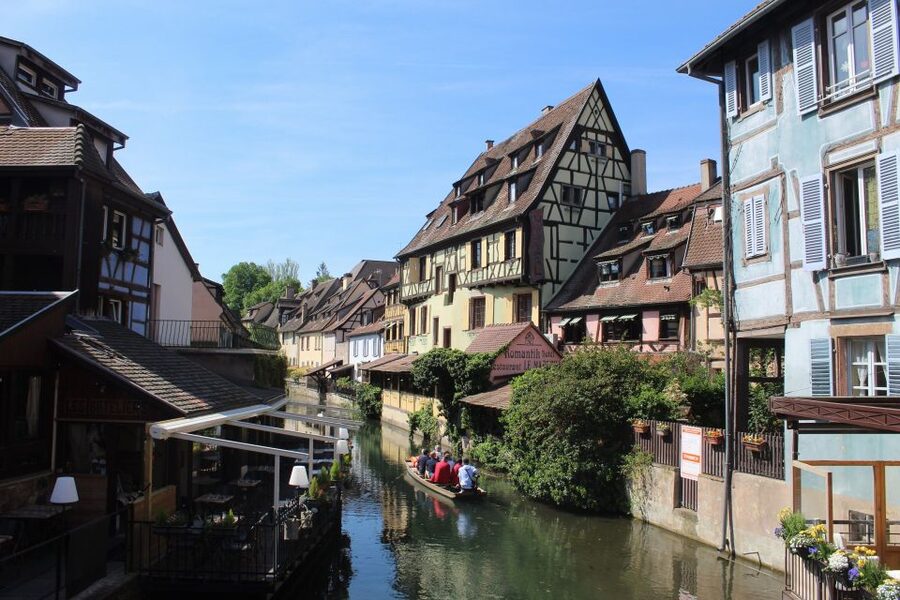
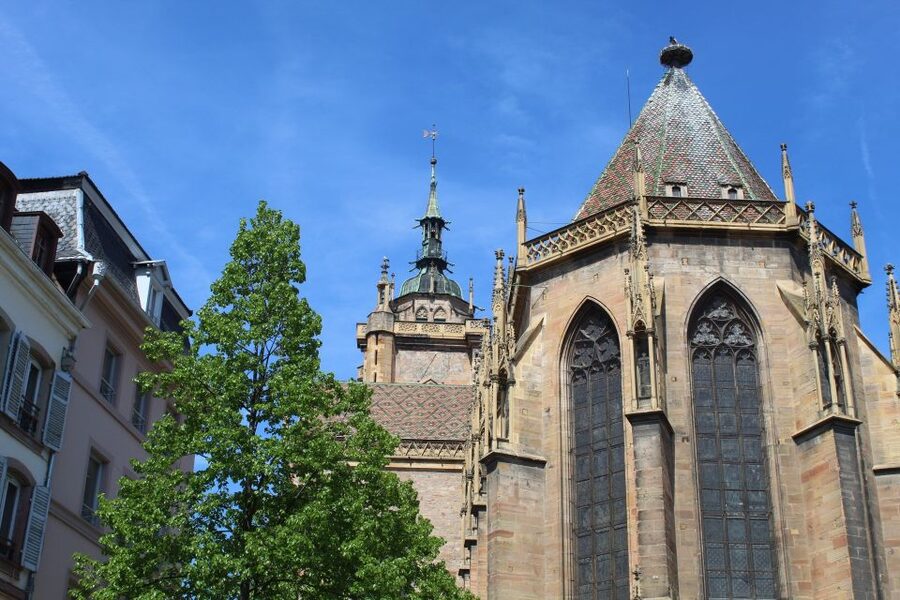
- Old Town architecture on foot: Renaissance dwellings, Gothic sanctuaries, and colorful half-timbered houses
- Alsace Wine Capital context helps you connect the town’s history to the vineyards around it
- Tasting in the city proper with Alsatian whites like Gewürztraminer, Riesling, and Pinot Gris
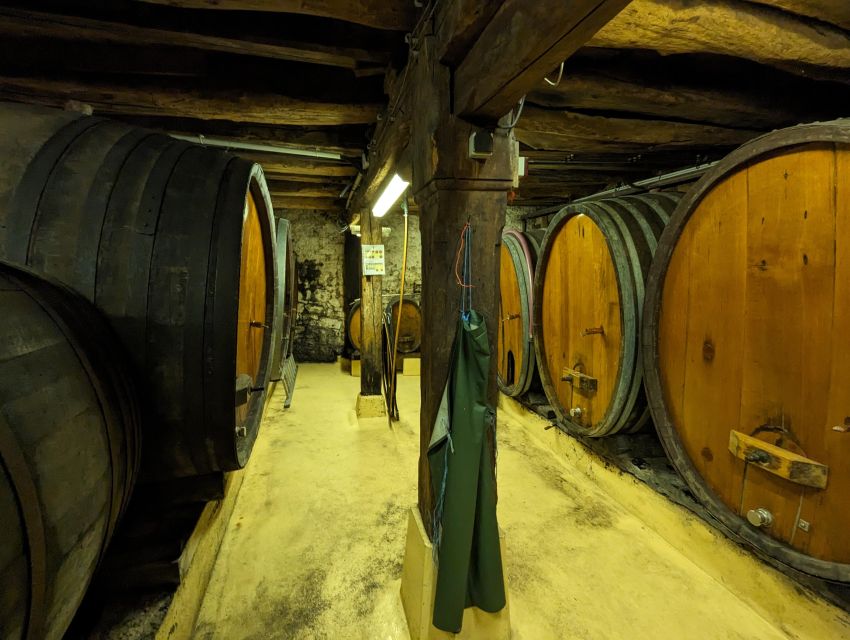
- Historic cellar energy: past tastings have been led at Robert Karcher & Fils (dating back to 1605)
- Guide-led storytelling plus tasting support: Nicolas for the walk, with wine tastings led by team members such as Fannie
Meeting at Parc du Champ de Mars: easy start, local vibe
Your tour starts at the Parc du Champ de Mars at the fontaine Bruat. This is one of those helpful setups: you’re meeting in a public space that feels like part of everyday Colmar life, not a remote “tour bus zone.” It also means you can arrive, get your bearings, and avoid the usual pre-tour stress.
The tour runs for 2 hours, so you’ll want to show up a few minutes early. Not because the tour is chaotic—because Colmar is pretty, and you’ll be tempted to start taking photos before you even begin. (I know how this goes.)
The group is kept small—limited to 6 participants—and that matters more than you might think. In a town like Colmar, the best details are the ones you can ask about: a half-timbered pattern, a street layout, or why the region’s wine culture looks the way it does. A small group helps you get clear answers instead of listening to a one-way script.
And yes, it runs rain or shine. That’s not a deal-breaker, but it’s a reminder to dress for weather and bring footwear you trust on cobblestones. A light rain in Alsace can turn pretty streets into slippery streets fast.
You can also read our reviews of more tours and experiences in Colmar.
Walking Colmar’s Old Town: half-timbered houses and story-first sightseeing
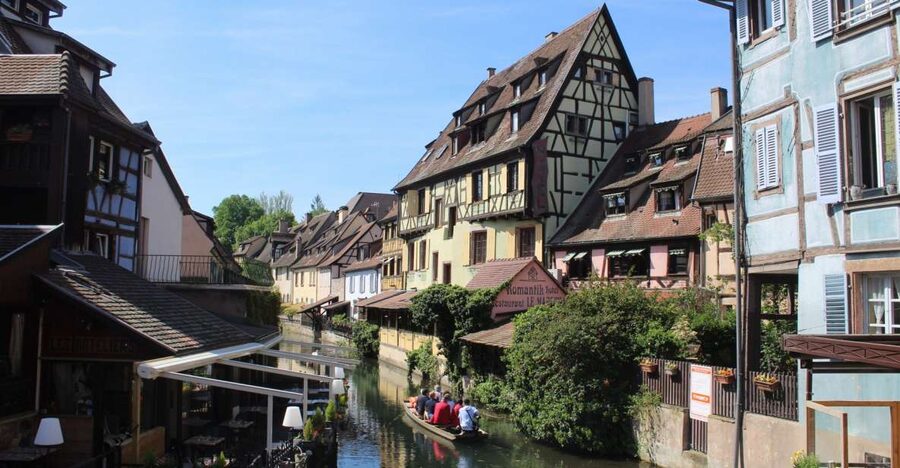
The walking part is the heart of this experience. You’ll explore Colmar’s historic medieval center with a local guide, moving through narrow streets and cobblestone lanes while learning what you’re looking at and why it matters.
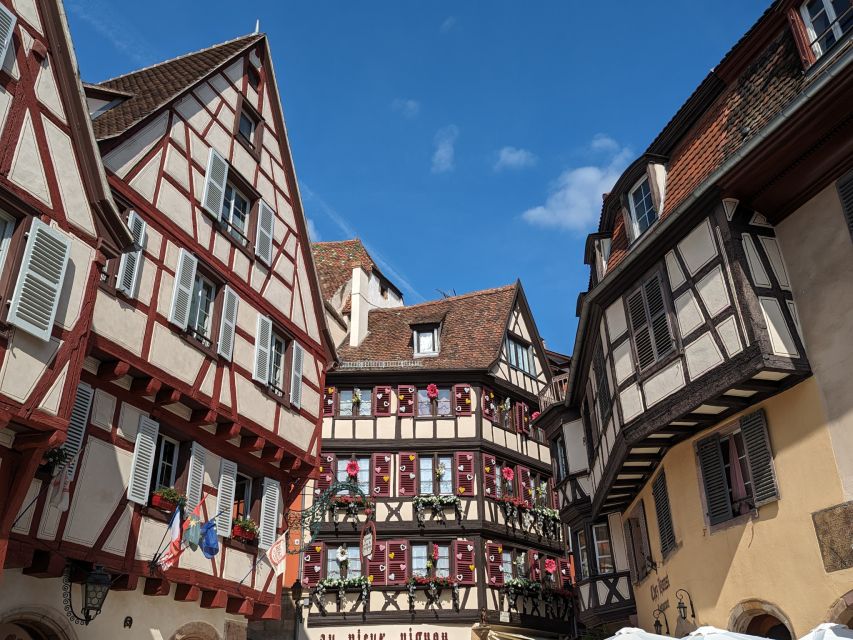
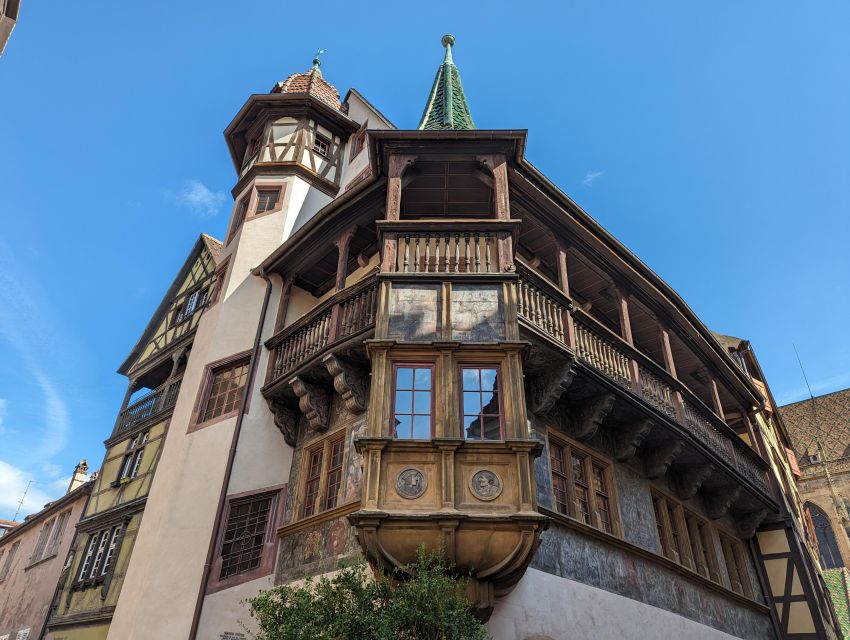
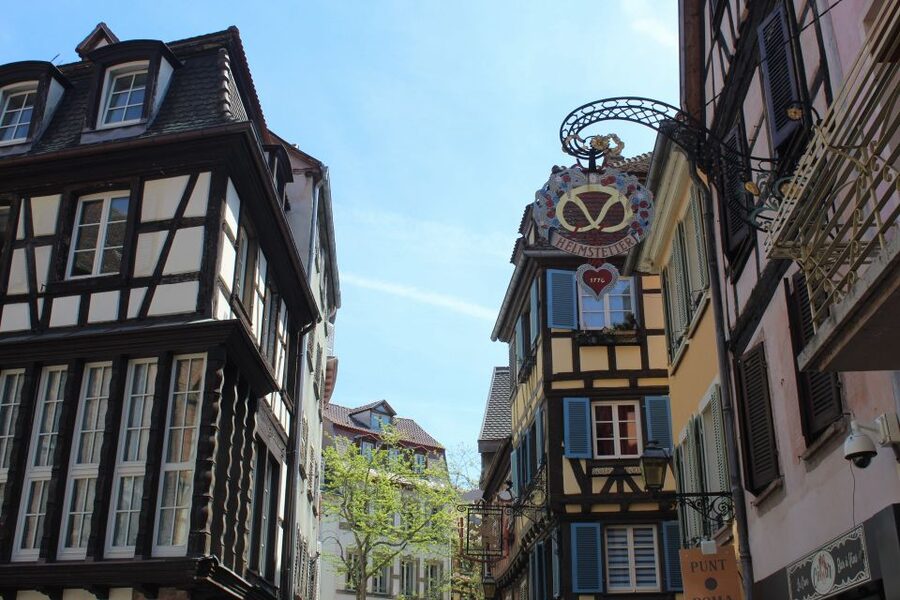
The big visual hit is the colorful half-timbered houses. They’re the postcard look, but the guide adds the missing context: how this architectural style became part of Colmar’s identity and what it signals about the town’s past. You’ll also pass through areas featuring Renaissance dwellings and Gothic sanctuaries, so the walking route isn’t one-note. It’s more like a timeline you can stroll through.
One of my favorite parts of guided Old Town walking is when the guide explains how the town “works” as a place—where people would gather, how neighborhoods developed, and what the street patterns hint at. In Colmar, the guide’s storytelling is what turns the scenery into understanding.
From what you can expect during the walk, you’ll also get time in the kind of waterways-and-street atmosphere Colmar is famous for—often including the Little Venice area. Even if you’ve seen photos, you’ll feel the difference when you’re walking it and hearing the historical notes tied to each corner.
A practical tip: keep your pace steady and expect some uneven ground. The tour is designed for a comfortable, guided stroll, but you still shouldn’t count on flat, smooth paths everywhere.
Why Colmar matters in Alsace: French and German history in plain terms
Colmar sits in Haut-Rhin (Grand Est), and its identity is shaped by the long, complicated overlap of French and German influence. The guide ties that regional history directly to what you see on the streets.
You’ll learn why Colmar earns its reputation as the Capital of Alsace Wines. That’s not just a marketing tagline. Alsace’s wine identity shows up in everyday life: the landscape connection, the local pride, and the way white-wine varieties became part of regional culture.
What you gain by having this explained out loud is simple: you start tasting the town with your eyes. Instead of treating architecture as decoration, you understand it as evidence. The tour helps connect Renaissance and Gothic buildings to broader regional shifts, and that makes the Old Town feel less like a museum and more like a living story.
This is also where you’ll appreciate having a guide who’s invested. In recent experiences, Nicolas (from Colmar) has been praised for being energetic and engaging, with clear, easy-to-follow commentary. The best guides don’t just list facts; they make you see cause and effect.
If you’re in Colmar for only a short time, this history context is valuable because it helps you choose what to do next. After you understand the town’s role in Alsace wine culture, you’ll have a sharper lens for wineries, markets, and even restaurant wine lists.
The winery stop: Alsatian whites, served with real context
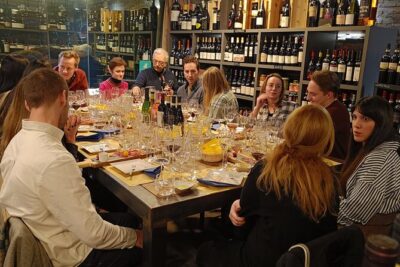
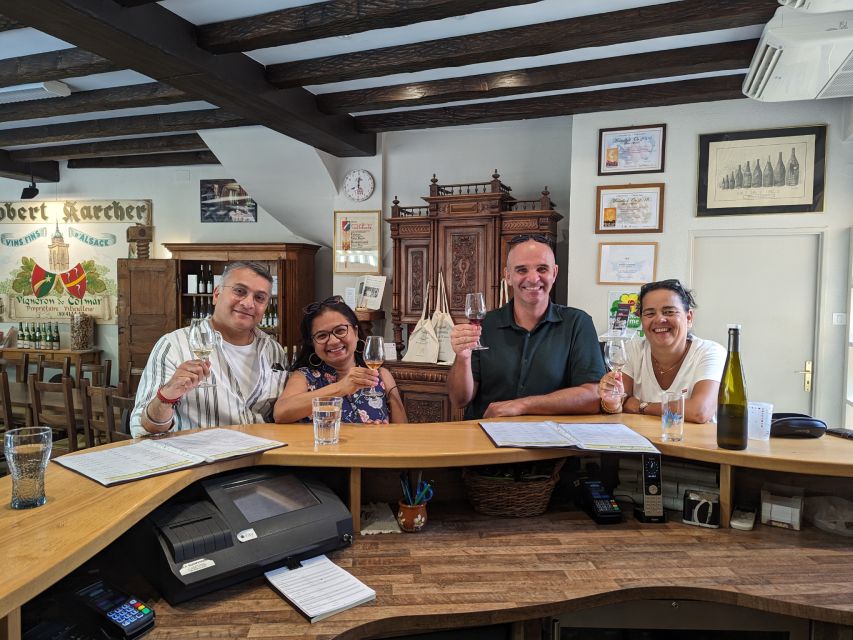
After you’ve seen the town’s character, the tour shifts to something more sensory: Alsatian wine tasting. The format is straightforward—stop at a winery in Colmar and taste local white wines tied to the region’s identity.
The grapes highlighted for this experience include Gewürztraminer, Riesling, and Pinot Gris. If you’re used to thinking of Alsace as “that wine with the aromatic name,” this tasting is where you learn how the flavors differ and how people actually talk about them. You’ll also get explanations about Alsace grape varieties and wine culture, which makes the tasting feel like education, not just sampling.
One detail that stands out from real tastings: you may get to choose which three wines to sample from a menu. That’s a smarter setup than a fixed flight because it lets you steer based on what you like—dry vs. aromatic, lighter styles vs. richer texture.
Historic cellar vibes are part of the appeal here. Several experiences point to tastings at Robert Karcher & Fils, with its roots dating back to 1605. Even if the exact producer varies by day, the point is consistent: you’re tasting in the kind of place that’s been part of Colmar’s wine story for a long time.
Also, expect a relaxed pace. The tasting isn’t portrayed as rushed, and pours have been described as generous in at least some time slots. And when the winery side is led by someone like Fannie, the explanations tend to connect production and taste in a way that helps you remember what you liked—and why.
If you don’t drink much, you can still enjoy the tour for the historical context and the educational angle. Just know that the experience is built around wine tasting, so plan for that.
What you’re really paying for: $53 value for guide + tasting
At $53 per person for 2 hours, this tour is priced like a premium guided experience—because it is. But it’s not just “pay for a walk.” You’re paying for two things at once:
- A local, English/French guided walk covering Colmar’s main sights and the stories that help you understand them
- A wine tasting of Alsatian whites at a winery in Colmar
That combo is where the value shows. If you tried to replicate it on your own, you’d spend time figuring out where to go, then pay for a separate tasting. Here, the timing is set and the guide helps you make sense of what you’re seeing before you sip.
There’s also the practical value of a small group. When group size is tight, your guide can answer the specific questions you have instead of staying generic. And when your guide is local—again, Nicolas has been called out for this—your route tends to include more than the standard “look and move on” stops.
One more value point: the overall rating is very high, with a 4.9 score from 209 reviews. That doesn’t guarantee perfection, but it does tell you this is consistently delivering what people come for—clear guiding, good wine, and a smooth ending.
Who should book this Colmar tour (and who should skip it)
This works best if you want a quick, focused introduction to Colmar and Alsace wine culture.
You’ll likely love it if:
- You’re visiting Colmar for the first time and want help getting oriented
- You enjoy architecture and want the story behind half-timbered houses and old churches
- You want to taste Alsace whites like Gewürztraminer, Riesling, and Pinot Gris with guidance
- You prefer a small group where you can ask questions without shouting over a crowd
You might want to skip it if:
- You have mobility impairments or prefer to avoid cobblestones and standing/walking segments
- You’re pregnant (this tour is listed as not suitable for pregnant women)
- Wine tasting isn’t your thing, since the experience is built around it
The rain-or-shine policy also helps you decide. If you hate walking in wet weather, you can still go—but you should pack smart: rain layer, dry socks if needed, and shoes you trust.
Should you book Colmar: Highlights Walking Tour and Wine Tasting?
If you’re trying to pick one good, efficient experience in Colmar, I’d lean yes. This tour gives you a strong mix: Old Town walking, history with French-German context, and a tasting that teaches you how Alsace wines are meant to be experienced.
Book it if you want a guided plan that ends in a winery setting—especially if you like white wine and want to understand the differences between the classic grapes. It’s also a smart first-day move because it helps you see the town, not just visit it.
Skip it if you can’t do the walking portion or if you strongly prefer tours that don’t include alcohol. Otherwise, it’s a solid value choice for getting more out of Colmar in just two hours—with locals like Nicolas doing the talking and the tasting finishing things off the right way.
FAQ
Where is the meeting point for the tour?
Meet your guide in Parc du Champ de Mars at the fontaine Bruat.
How long is the Colmar highlights walking tour and wine tasting?
The experience lasts 2 hours.
What’s included in the price?
It includes the walking tour, a guide, and a tasting of Alsatian wines.
What languages are the guides?
The live tour guide is offered in English and French.
How big is the group?
This is a small group limited to up to 6 participants.
Is the tour canceled if it rains?
No. The tour will take place rain or shine.
Who should not join this activity?
It is listed as not suitable for pregnant women and for people with mobility impairments.