REVIEW · COLMAR
Alsace Full Day Wine Tour from Colmar
Book on Viator →Operated by Ophorus · Bookable on Viator
Alsace starts feeling personal fast when you leave Colmar for the wine route. This full-day tour gives you three tastings and a small-group pace (max 8), so you get real time with the people making the wine, not just a quick stop for photos. I also like that you learn as you go, with guides such as Thierry, Alain, and Myriam sharing what to look for in Alsace bottles and how the region’s winemaking stands apart.
The only real drawback to plan around is the practical stuff: snacks usually aren’t provided during tastings, and lunch is not included. Go in with a solid breakfast or lunch beforehand, and you’ll enjoy the wine instead of feeling like you’re paying with your stomach.
In This Review
- Key highlights to look for
- Why this Alsace wine day trip works from Colmar
- Price and what you’re actually paying for
- The 9:30 start at Pl. Scheurer Kestner and how the day flows
- The Ophorus stop and getting oriented on the Alsace wine route
- Three tastings: how to taste smarter (and not ruin your palate)
- Lunch and village time: where Eguisheim and Ribeauvillé fit in
- The scenery stops and photo viewpoints that add real value
- Getting to know Alsace bottles: the styles you’ll likely encounter
- Comfort, group size, and the van reality
- Who this tour is best for
- Should you book the Alsace Full Day Wine Tour from Colmar?
Key highlights to look for
- Small group size (max 8) that makes the day feel unhurried
- Three scheduled wine tastings with enough time to learn and taste properly
- English-speaking qualified driver-guides who explain how Alsace tastes its way
- Village sightseeing time along the Alsatian wine route, with photo viewpoints
- Air-conditioned minivan transport that keeps you comfortable in summer or shoulder season
- Mobile ticket for smoother check-in near Colmar
Why this Alsace wine day trip works from Colmar
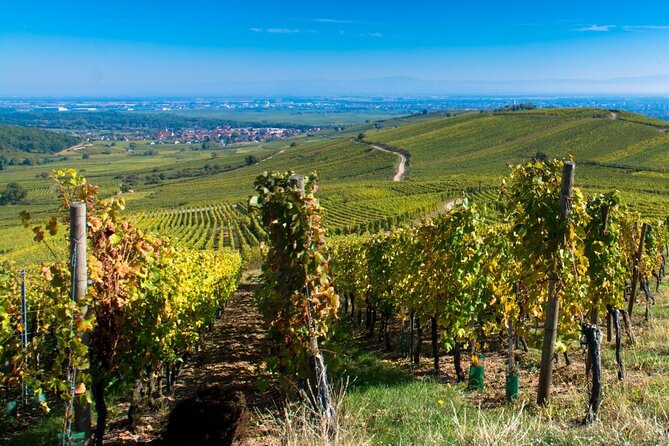
Colmar is the perfect “base city” because it’s close enough to Alsace villages that you can do a full day without feeling like you’re in transit all afternoon. This tour is built for exactly that. You start in central Colmar, then head out on the Alsace wine route, where the roads and stops are arranged so you spend most of the day in the fun part: vineyards, village streets, and tastings.
I like that the experience isn’t just wine-for-wine’s-sake. You’re in a region where the grapes and the traditions matter, and the guides know what to point out. Names like Thierry, Alain, and Jerome show up again and again in the feedback because they talk about more than labels. They connect wine choices to the local story, so you start noticing why one bottle feels crisp and another shows more depth.
One more plus: a small-group format. When the van is sized right, you actually hear the driver-guide through the day, and you have an easier time asking questions instead of raising your hand in a crowd.
You can also read our reviews of more wine tours in Colmar

Price and what you’re actually paying for
At $193.50 per person for about 8 hours, the deal isn’t that you’re only buying tasting pours. You’re buying a driver-guide, transport in an air-conditioned minivan, and three organized winery stops with guided context.
If you try to DIY this, you’d typically need a plan for a driver, timing between villages, and the logistics of lining up tastings. Even if you rent a car, parking and route planning can eat time fast. Here, you just show up, follow the day, and let the tour handle the coordination.
Could it feel pricey if you only want to taste a single wine? Sure. But if you want to leave with a better sense of Alsace whites (and occasionally reds), and you want to understand what you’re drinking, the structure earns its cost.
The 9:30 start at Pl. Scheurer Kestner and how the day flows
The tour meets at 1 Pl. Scheurer Kestner, 68000 Colmar, starting at 9:30 am, and it ends back at the same meeting point. That matters more than it sounds. A lot of wine days fail because you lose time figuring out where to park, how to get from stop to stop, and whether you’re going to miss the next appointment.
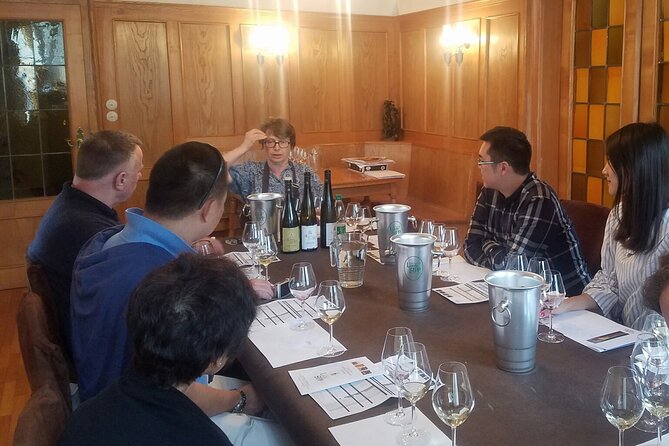
This one is straightforward: you’re on the schedule, and the minivan keeps everyone together. Expect a full day with a natural rhythm: travel between villages, then tasting blocks where the guide talks, the host winery explains, and you get time to ask questions.
Also, this is adult-only (no one under 18). It’s a fun day, but it’s designed for adult pacing and tasting rules, so plan accordingly.
The Ophorus stop and getting oriented on the Alsace wine route
Early on, you follow the mythical wine route and cross through some of the prettiest Alsace villages. The tour specifically mentions Ophorus as Stop 1, which is a strong signal that you’re not just driving through countryside. You’re hitting a tasting-focused entry point where you can start building context.
When your day starts with an orientation stop, the later tastings land better. You’ll understand what makes Alsace different, and you’ll know what to pay attention to as you move from one producer to another. That’s where guides like Thierry and Alain tend to shine: they give you little “taste cues,” so you’re not guessing.
A small note for your expectations: you’ll do sightseeing along the way, but you shouldn’t think this becomes a slow village stroll all day. The value is in the mix: quick, scenic village views plus three tasting experiences.
Three tastings: how to taste smarter (and not ruin your palate)
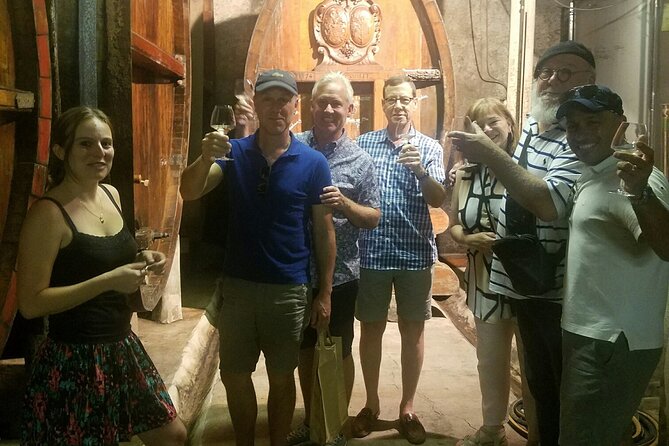
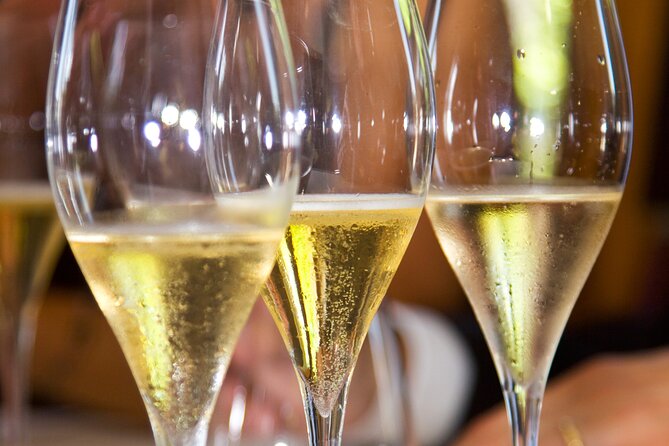
You get three wine tastings included, which is the right number for a day trip. Two tastings can feel rushed, and four or five can blur everything together. Three is often the sweet spot for comparing styles, noticing acidity, and learning which grapes or production methods you actually like.
The best part of the tastings isn’t only the wine. It’s the back-and-forth. Guides such as Thierry and Jerome are praised for being able to answer questions, explain the history tied to winemaking, and talk through what you’re tasting in plain language.
A practical reality: in France, snacks are usually not provided during wine tastings. That policy is there to protect the purity of the wine flavor, but it means you should eat well beforehand. If you arrive hungry, the day can turn into a sugar-and-cracker scramble that doesn’t do your tasting notes any favors.
Here’s what I recommend:
- Eat a real breakfast before you leave Colmar.
- If you’re the kind of person who gets lightheaded, bring water and pace yourself from the start.
- Consider taking notes, even just quick reminders like crisp, floral, spicy, or dry. Alsace can have subtle shifts that are easier to catch if you write them down.
Lunch and village time: where Eguisheim and Ribeauvillé fit in
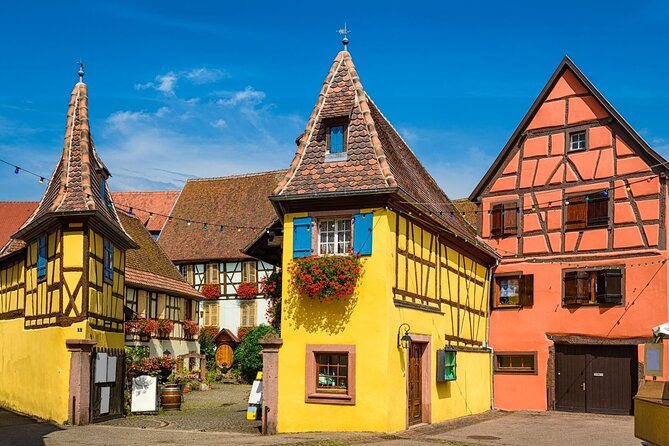
Lunch is not included, but the tour includes enough time in towns to make the day feel like a proper Alsace visit, not just vineyard hopping. You may get a longer break and walking time in villages such as Eguisheim or Ribeauvillé, both repeatedly mentioned for being enjoyable with a calm, old-town feel.
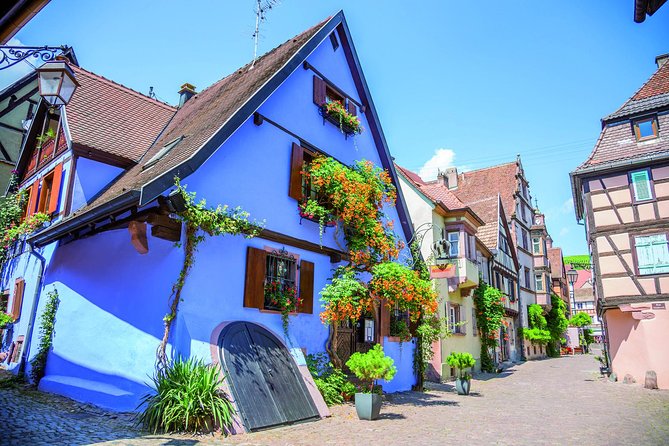
This matters because Alsace isn’t only about vines. It’s also about streets, half-timbered buildings, and the way the villages look when you slow down. The guide often uses this time for practical suggestions, like where to eat and what to try in that specific area.
If you want the most value out of lunch time, do this: pick a place that’s convenient and doesn’t require you to sprint back. The tour timing is fixed for a reason, and missing a return window can turn your wine day into a stress day. Eat, walk a bit, then get back when your schedule says so.
The scenery stops and photo viewpoints that add real value
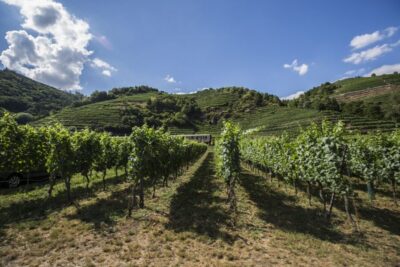
The tour includes sightseeing along the route, with time for scenic views and little photo stops. This is not just filler. In Alsace, the landscape around the vineyards helps explain how the region grows grapes and why certain views look the way they do.
Guides like Jerome are praised for pointing out sights and facts as you travel, with added details that help you “get it” faster. If you’re the type who likes to understand what you’re looking at, these mid-journey comments are one of the reasons the day feels richer than a standard winery shuttle.
Small bonus examples from the experience: some days may include extra stops like a jam shop or stork spotting. Even when they’re minor, they add local flavor that makes the day feel like Alsace, not just wine tasting.
Getting to know Alsace bottles: the styles you’ll likely encounter
Alsace is famous for aromatic whites, but a day tour can include a range of wines depending on the wineries on that specific date. What’s consistent is that the tastings are guided, and you’ll get help identifying what you like.
From the producers mentioned in the experience, you might hear names like Victor Hertz Winery (with examples like a Pinot Noir such as fat de Chêne) and François Bauer Winery. These aren’t guarantees for every departure, but they reflect the kind of local makers you can expect to meet: small producers, family-run vineyards, and owners/winemakers who talk without needing a script.
The guide’s role is key here. Instead of tasting blindly, you get a framework:
- What Alsace tends to do well
- How to compare one tasting room to another
- How to ask better questions when you’re offered another pour
If you’re a wine novice, this kind of structure is a relief. If you’re a wine nerd, you’ll still appreciate having a local guide turn “facts” into something you can taste.
Comfort, group size, and the van reality
The tour runs in an air-conditioned minivan, and the group size is capped at 8 travelers. That size makes a big difference. You’re not stuck waiting for a slow person to find the restrooms, and you’re not competing for attention with half the planet.
There are some practical considerations. With eight people, seating can feel tight if everyone brings big daypacks. Keep your bag small, and you’ll move through the day more smoothly.
Communication is handled well. One guide detail stands out in the experience: using headsets so everyone can hear clearly, even from the back of the van. That turns the drive into part of the tour instead of background noise.
Who this tour is best for
This is an excellent match if you want:
- A full day of Alsace without arranging transport or appointments yourself
- Three tastings with guidance (not just a handout and a quick sip)
- A small group atmosphere where you can ask questions
- Village time that doesn’t feel like you’re watching the clock every ten minutes
It’s also a good fit if you value people on the ground. Guides such as Thierry, Alain, Myriam, Arthur, Jerome, and Amelie are repeatedly described as friendly and full of local detail, which is what you want in a wine day. You’re not only learning about wine. You’re learning how Alsace connects food, history, and grape choices.
If you’re the kind of traveler who wants total freedom to stop wherever you like and stay as long as you want, this won’t be fully that. The schedule is the point.
Should you book the Alsace Full Day Wine Tour from Colmar?
If your goal is a well-paced Alsace wine day with three tastings, real guidance, and village time you can actually enjoy, then yes, you should book. The price isn’t cheap, but it’s not just “wine tax.” You’re paying for coordination, transport, and a guide who helps you taste with intention.
Book it especially if:
- You want an English-speaking guide and a small group
- You’d rather spend your energy tasting and walking than driving and planning
- You want to leave with a stronger sense of which Alsace styles you truly enjoy
Skip it if:
- You hate fixed schedules and prefer total independence
- You’re likely to arrive hungry and then regret it during tastings
- You want lunch handled for you (lunch is on your own)
If you go in prepared, this tour is one of the most efficient ways to experience Alsace from Colmar without turning the day into a logistical puzzle.