REVIEW · AY CHAMPAGNE
Champagne: Champagne Tasting Class with Lunch
Book on GetYourGuide →Operated by Le Clos Corbier · Bookable on GetYourGuide
Bubbly becomes a skill at Clos Corbier. I love the Aÿ-Champagne vineyard setting and the fact this is taught like a real workshop, not a scripted tasting room. I also like the nose-and-palate training and the blind quiz that makes you taste with a purpose.
A small catch: the 10°C cellars mean you should bring a jacket. The good news is you get a full 3 hours of guide-led structure—tastings, cellar time, and a regional lunch—so you leave with real know-how, not just a buzz.
In This Review
- Key highlights you will actually use
- Le Clos Corbier and Aÿ: why this feels more personal than a big-house tour
- Getting there and dressing right for a 10°C cellar
- Inside the tasting class: how the quiz and aroma workshop actually work
- The blind tasting of three champagnes: what you’re learning with each glass
- Lunch at the Champagne house: the regional food pairings that make it feel real
- Cellar visit: 1850s digs, traditional press, and what to notice
- More than Champagne: Côteaux Champenois and ratafia
- Price and value: why $106 can work out well for what you get
- Who this tour suits best (and who might want a different option)
- Should you book Le Clos Corbier’s Champagne tasting with lunch?
- FAQ
- How long is the Champagne tasting and lunch experience?
- What does the tour include?
- How many champagnes do you taste?
- What else do you taste besides Champagne?
- Where is the meeting point?
- What should I bring?
- Are children allowed?
- Are pets allowed?
Key highlights you will actually use
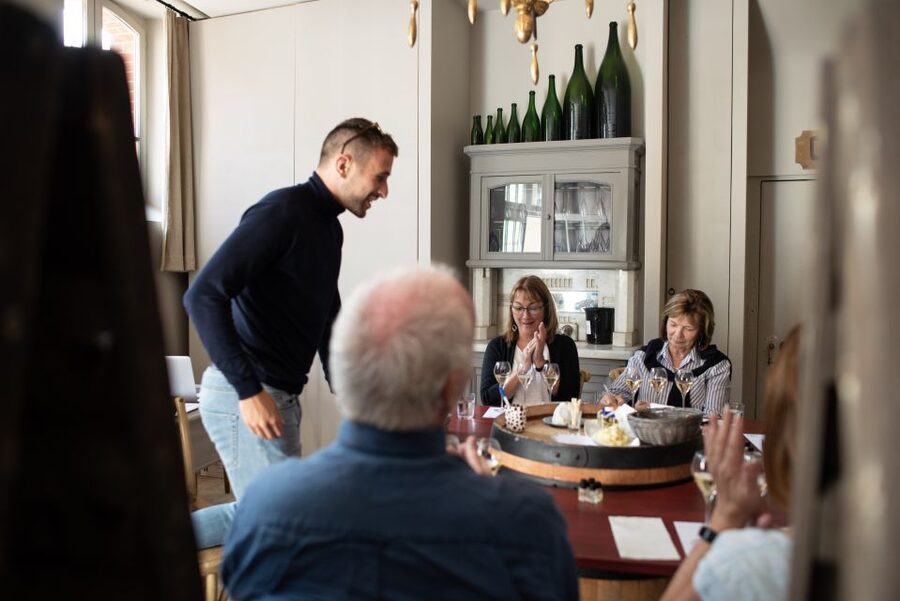
- Aÿ-Champagne in a family domain: You taste and learn at Le Clos Corbier, not a mega-brand factory.
- Your nose gets trained on purpose: An olfactory workshop helps you identify aromas you’d normally miss.
- Blind tasting, but friendly and fun: You’ll match flavors across three champagnes from smaller wineries.
- Lunch that feels local, not generic: You’ll be served regional specialties with champagne pairings.
- You go beyond champagne: The program adds a regional red (Côteaux Champenois) and ratafia.
- Cellars from the 1850s and a traditional press: History you can see with your own eyes.
Le Clos Corbier and Aÿ: why this feels more personal than a big-house tour
This experience takes place at Le Clos Corbier, a family Champagne domain in the Grand Est region. You are in the Aÿ-Champagne area, where the village itself (and its growing conditions) matter, and you get to connect the grapes, the process, and the finished bottle.
What I like most is the “small domain” feel. The format is designed around participation: you smell, taste, compare, and even test yourself with a quiz. That matters because Champagne tasting is easy to fake with confidence—you can say words like buttery or floral without knowing what you’re actually detecting. Here, the class pushes you to build a real palate.
You also get a practical reminder: Champagne is not one taste. It is a range, influenced by grape quality, cellar decisions, and how time shapes the wine. By the end, you have a mental framework for why one glass might feel tighter, rounder, fresher, or more aromatic than another.
You can also read our reviews of more food & drink experiences in Ay Champagne
Getting there and dressing right for a 10°C cellar
The meeting point is simple: look for the Clos Corbier sign, then ring the doorbell. Plan to arrive a few minutes early so you can settle in before the tastings begin.
Dress for cellars. The average cellar temperature is about 10°C, which is cool enough that you’ll feel it after a short walk. Bring a jacket even if the day outside is mild. If you run warm, you’ll still appreciate a layer when you sit during the tasting and quiz.
One more practical note: transportation is not included, so you will need your own plan for getting to the domain. If you’re already staying in or near Epernay or the Aÿ area, this is a neat half-day add-on rather than a full logistical project.
Inside the tasting class: how the quiz and aroma workshop actually work
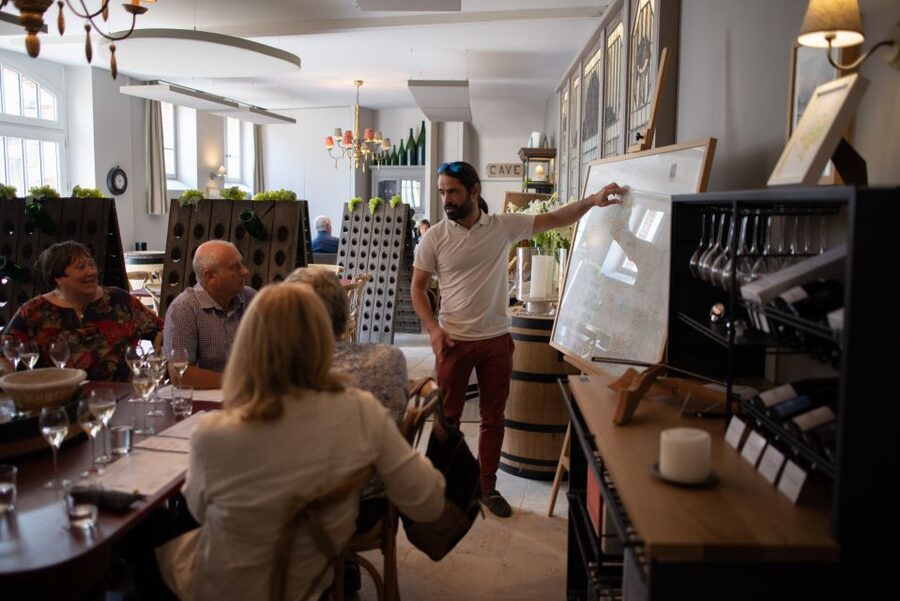
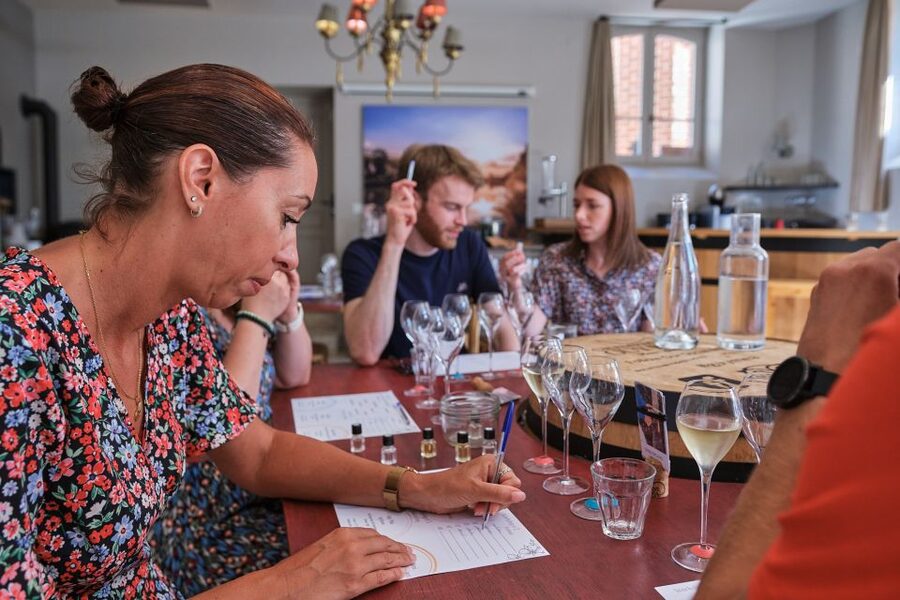
The session starts with the guided class at the winery. You’ll take a seat, then kick off with a quiz format that keeps things moving instead of turning into a lecture.
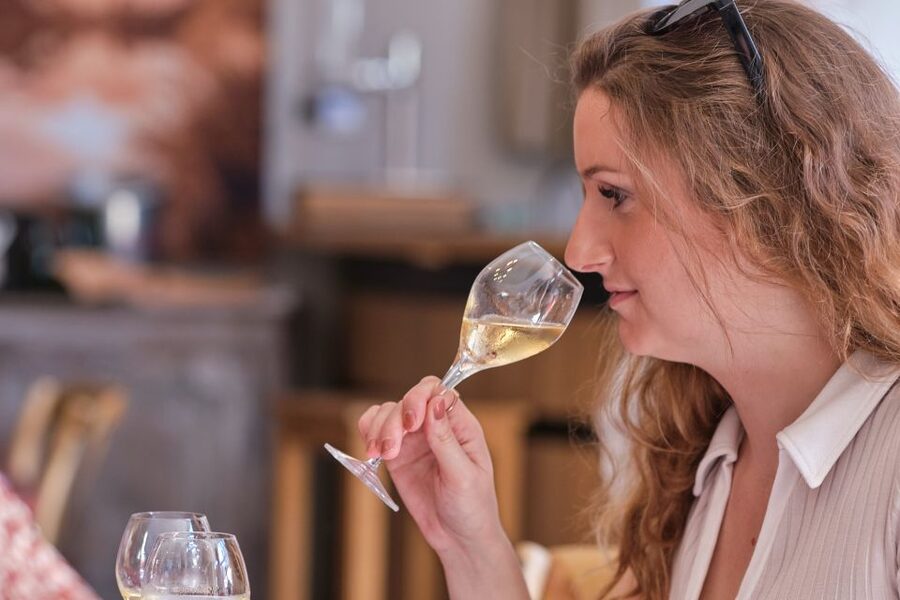
Then comes the olfactory workshop. This is the part many Champagne tastings skip. You are not just tasting; you’re training. You’ll be asked to identify aromas that show up in Champagne, learning how to separate what you think you smell from what you can actually detect. That’s useful at restaurants and in shops later, because you’ll start picking up patterns instead of guessing.
I like that the workshop has a competitive edge. It turns tasting into a game: you focus, you compare, and you learn faster than you would by reading a cheat sheet.
And in case you’re wondering about language: the host is English/French, and the format is built so you can keep up even if your French is rusty. People mention guides like Emma, Charlotte, Marie, Estelle, Amanda, Alvaro, and Thomas—so you can expect a host who can explain clearly in both languages.
The blind tasting of three champagnes: what you’re learning with each glass
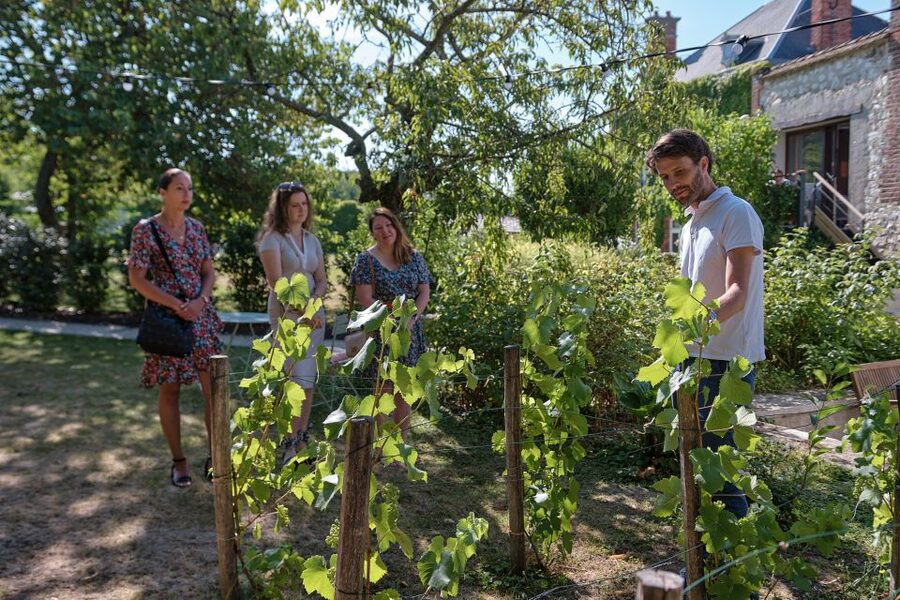
A big reason this tour earns such strong marks is the blind tasting element. You will be given three different champagnes from various smaller wineries and asked to identify them without labels. This is where the training pays off.
You will practice looking for differences in:
- aroma intensity (how strong the nose feels)
- style and structure (how the wine sits on the palate)
- finish (how it fades—crisp, creamy, or lingering)
The clever bit is that you’re doing it while eating local snacks. Snacks prevent palate fatigue and keep you from getting overwhelmed by bubbles alone. They also help you learn how food influences taste, which is what will happen when you’re actually drinking Champagne with a meal later.
This blind round also builds confidence. Once you can name what you’re detecting—rather than just saying it’s good—you’ll understand Champagne much faster the next time you visit a bar or shop.
Lunch at the Champagne house: the regional food pairings that make it feel real
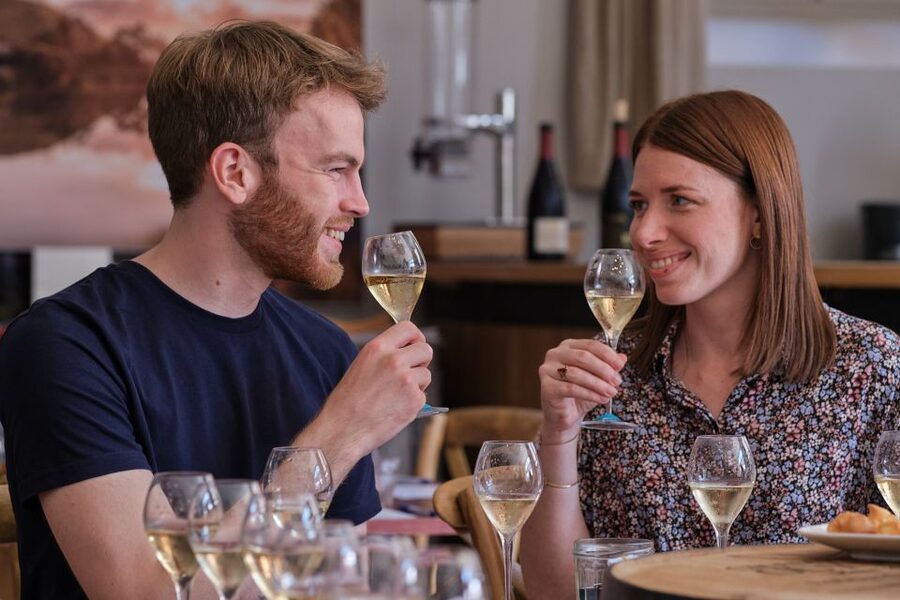
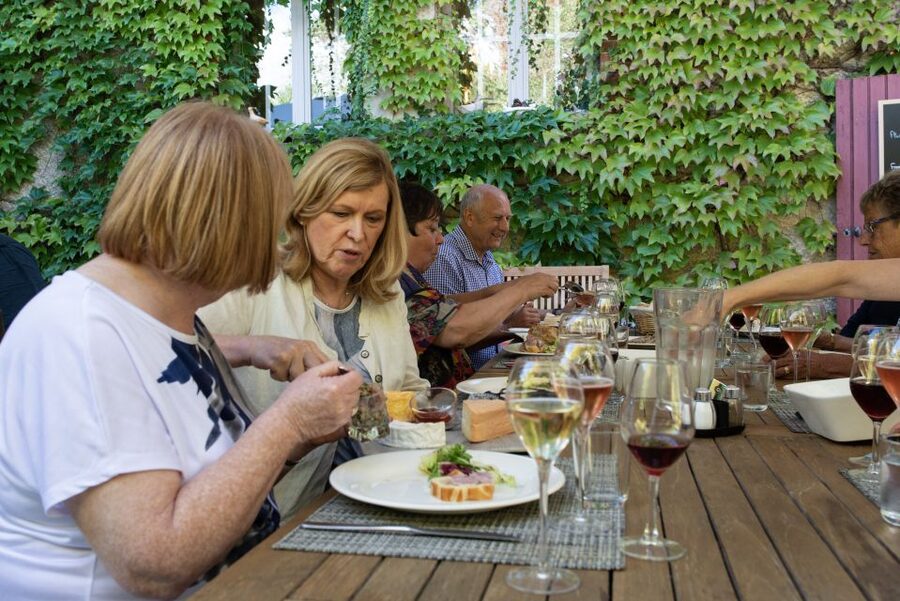
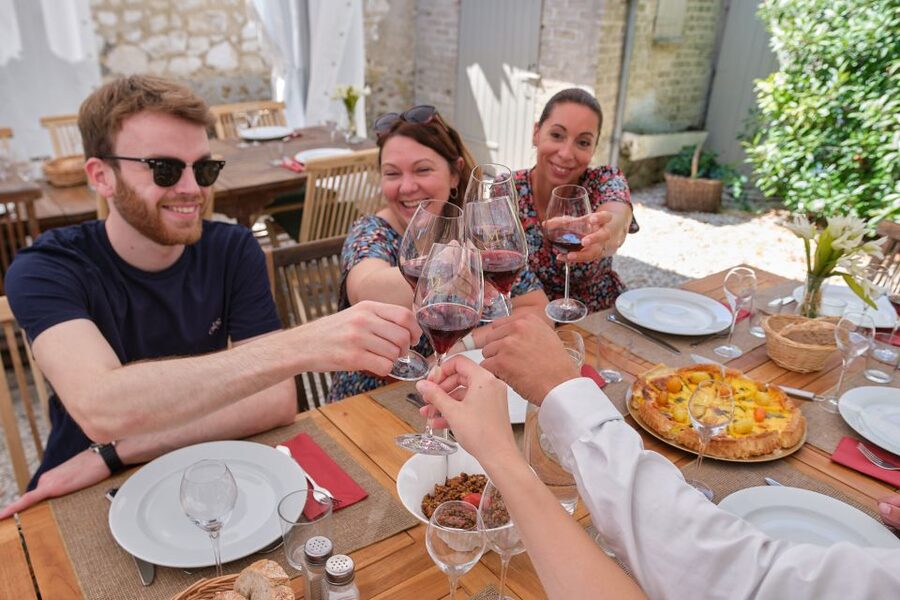
After the tasting workshops, you move into lunch at the winery. This is not a rushed sandwich stop. The program is designed like a proper meal, paired with a variety of champagnes.
Expect classic regional dishes such as:
- pâté en croute (meat-filled pastry)
- Langres cheese
- pink biscuit cake
You may also see other regional specialties depending on the day, but these are specifically listed as part of the menu idea. The key is pairing: you’re drinking Champagne alongside regional flavors instead of treating the food as an afterthought.
I find that this is where the whole class clicks. Earlier, you train your nose in a controlled setting. At lunch, you see what those aromas and flavors mean when the wine meets actual regional cuisine.
If you have dietary needs, lunch can be adapted for allergies or specific diets, so don’t assume it’s one-size-fits-all.
Cellar visit: 1850s digs, traditional press, and what to notice
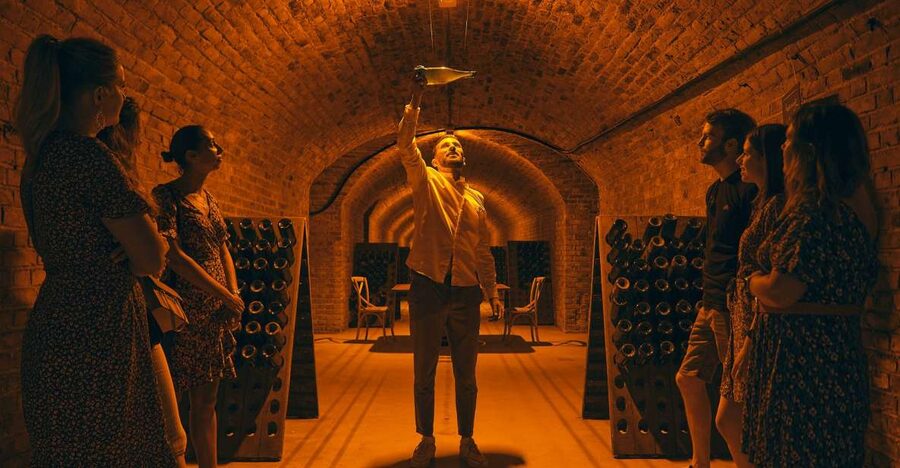
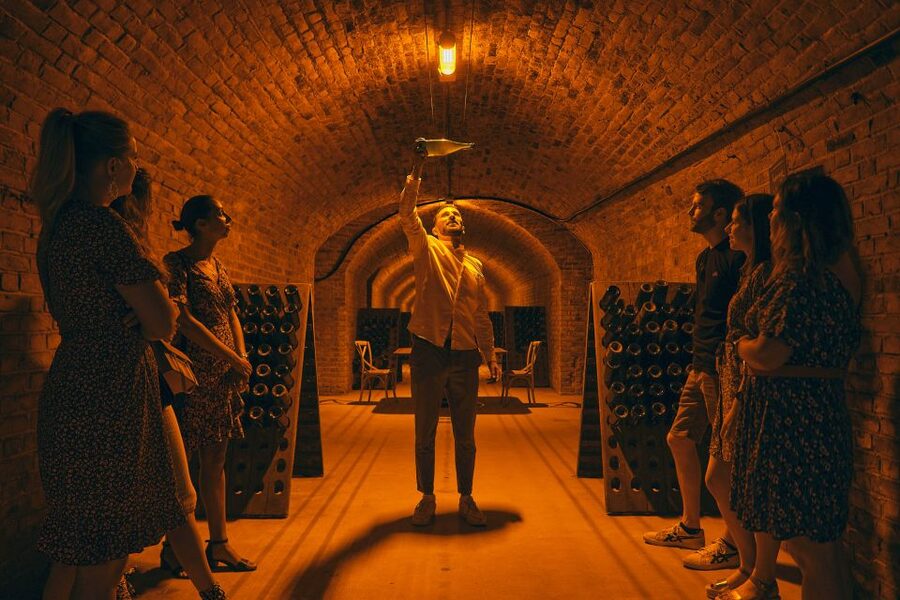
After or alongside the tasting flow, you visit the cellars at Le Clos Corbier. The cellars are dug in the 1850s, which gives you that “this has been happening a long time” feeling—without turning it into a museum speech.
You’ll see:
- cellar spaces carved out in that earlier era
- a traditional press
What to look for while you’re there:
- the cool, stable cellar environment (that 10°C average isn’t just trivia)
- the physical tools that shaped the wine before modern automation
- how the space itself supports slow, careful production
This is one of those moments where you stop thinking of Champagne as a product and start seeing it as an engineered process. The bubbles come from specific steps, and those steps rely on conditions and timing.
More than Champagne: Côteaux Champenois and ratafia
Your tasting doesn’t end with Champagne alone. After lunch, the program adds local options:
- Côteaux Champenois (a local red wine)
- Ratafia (a regional liquor)
Including these serves a purpose for your understanding. Champagne is the star, but the region’s identity is bigger than one style. Once you taste a regional red alongside Champagne, you notice how terroir and winemaking choices shift flavor and texture. And ratafia helps connect the dots between traditional practices and local drinking culture.
If your goal is to come home with a deeper sense of the Champagne region—beyond just sparkling—you’ll appreciate this added breadth.
Price and value: why $106 can work out well for what you get
At $106 per person for a 3-hour experience, the price is not “cheap.” But it’s also not paying only for a few glasses.
Here’s what’s included:
- local guide
- winery entry fees
- winery tour
- 6 wine tastings
- local snacks
- lunch
When you compare it to typical stand-alone tastings, the value jumps because you’re getting structure (workshops + blind tasting + quiz), plus a meal with pairings, plus cellar time. You’re not just buying wine; you’re buying time, training, and context.
Also, the length matters. Three hours is long enough to do meaningful tasting practice and to sit down for a real lunch. If you’ve ever done a quick, one-room Champagne stop, you know how easy it is to leave with a few photos and no lasting impressions. This tour is built to help the impressions stick.
Who this tour suits best (and who might want a different option)
This fits well if you:
- want to learn how to taste Champagne like a pro, without needing a fancy vocabulary
- enjoy hands-on formats (smell exercises, blind tasting, quizzes)
- like food pairings and want a real regional lunch
- prefer family domains and less mega-brand feel
It may feel less ideal if you:
- want a huge, famous-house “see everything” spectacle
- dislike cold cellar environments (you can solve most of this with a jacket)
- expect transportation to be handled for you
For a first-time visit to Champagne, this is a strong way to get oriented. For repeat visitors, the tasting workshop and blind comparison still give you new ways to notice differences.
If you’re celebrating something—birthdays or milestones—this kind of guided, social format tends to work nicely because it blends learning with fun.
Should you book Le Clos Corbier’s Champagne tasting with lunch?
I’d book it if you want an experience that teaches you how to taste, not just where to drink. The best part is the combination: aroma workshop plus blind tasting plus lunch pairings, all in a real Champagne setting at a family domain with 1850s cellars and a traditional press.
Book it if you’re the type who likes structure and small-group energy. Skip it if you’re only after a quick, casual glass with minimal instruction.
My practical advice: bring a jacket, come hungry enough for the lunch, and treat the quiz like a fun challenge. You’ll leave with a clearer sense of what you like—and why.
FAQ
How long is the Champagne tasting and lunch experience?
It lasts about 3 hours.
What does the tour include?
You get a local guide, winery entry fees, a winery tour, 6 wine tastings, local snacks, and lunch.
How many champagnes do you taste?
You compare the tastes of 3 different champagnes, and the overall program includes 6 wine tastings.
What else do you taste besides Champagne?
Along with Champagne, the program includes a local red wine called Côteaux Champenois and a regional liquor known as Ratafia.
Where is the meeting point?
Look for the Clos Corbier sign and ring the doorbell.
What should I bring?
Bring a jacket. The cellars average about 10°C.
Are children allowed?
Children under 18 years old are not allowed to drink alcohol.
Are pets allowed?
Pets are not allowed. Assistance dogs are allowed.