REVIEW · MADRID
Traditional Paella & Tortilla & Sangria
Book on Viator →Operated by Gourmet Traditional Paella&Sangria Cooking Class · Bookable on Viator
Paella tastes better in someone’s kitchen. This 2-hour Madrid class is all about making traditional Valencian paella (plus Spanish omelet and sangria) with a local home cook. You’re not watching from the sidelines. You’re doing the work, step by step, in a group of seven or fewer.
I especially love the hands-on instruction and the little tricks you only get when you can ask questions in real time. And I love the vibe: you cook, toast, and eat together like you’re part of the household, not stuck in a classroom.
One thing to consider: the experience is weather-dependent. If conditions aren’t right, you’ll be offered a different date or a full refund.
In This Review
- Key things to know before you go
- A Madrid Home-Kitchen Class That Feels Like Lunch With Locals
- Chueca and Gay Madrid: A Quick Start to the Neighborhood Mood
- Tortilla Española: Learning What Makes It Set Right
- Paella Workshop: Valencian-Style Secrets You Can Use at Home
- Sangria and Wine: Turning Cooking Into a Real Spanish Lunch
- What You Eat, Plus Coffee at the End
- The Small-Group Advantage: Why Up to Seven People Matters
- Price and Value: Is $95.58 Worth It?
- How to Get the Most Out of the Class
- Who Should Book This Class (and Who Might Skip It)
- Should You Book Traditional Paella & Tortilla & Sangria in Madrid?
- FAQ
- What dishes are included in the class?
- How long is the experience?
- What group size should I expect?
- What language is the class taught in?
- Where does the experience start?
- What happens if weather is bad?
Key things to know before you go
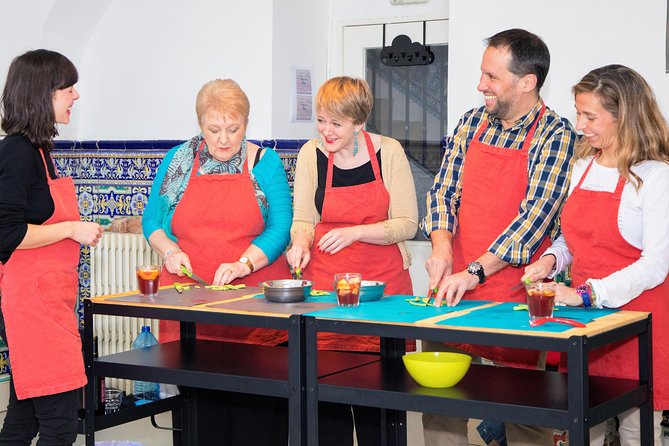
- Small group size (max 7): you get real attention while you’re cooking, not just a quick demo.
- Valencia-native style paella: you learn a more authentic approach than generic recipe instructions.
- Interactive omelet + paella: you handle the ingredients, timing, and technique yourself.
- Sangria and wine included: lunch comes with drinks and a proper taste of Spanish flavors.
- Home-kitchen setting: it feels personal, with hosts like Paloma, Pilar, and Pipa showing up in past sessions.
A Madrid Home-Kitchen Class That Feels Like Lunch With Locals
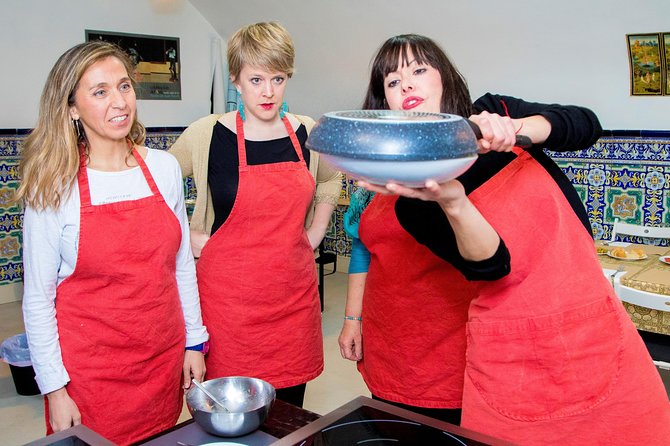
If you want Spain that you can taste and repeat later, this is a great pick. You’ll spend your afternoon in a real Madrid home kitchen, making a full Spanish meal: tortilla española, traditional paella, and sangria, plus coffee at the end.
The best part is how the cooking is taught. This isn’t a set-it-and-forget-it cooking demo. You’re guided through decisions—how to treat ingredients, when to do what, and what to watch for so your results don’t fall flat. And since the class is in English, you won’t have to play guessing games while timing something important like paella rice.
You can also read our reviews of more tours and experiences in Madrid.


Chueca and Gay Madrid: A Quick Start to the Neighborhood Mood
Before you hit the kitchen, you’ll stop in Gay Madrid / the Chueca District. The format isn’t a big sightseeing bus ride. Think of it more like a neighborhood context moment that helps you settle in and get oriented.
Why I like this kind of start: it keeps the experience grounded in Madrid, not just food-without-place. Chueca is a neighborhood with a strong identity, and even a short introduction helps you feel like the class belongs in the city you’re visiting.
If you’re the type who likes to understand where you are before you eat, this works well. If you want pure food time with zero extra movement, you might wish the day were only cooking. Still, the stop is brief, and the payoff comes later in the kitchen.
Tortilla Española: Learning What Makes It Set Right
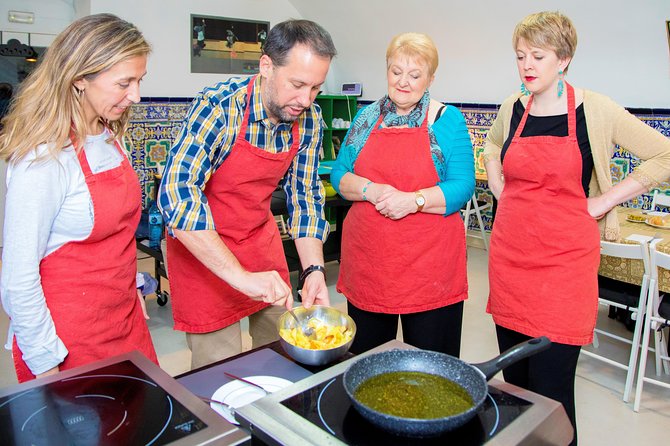
Spanish omelet sounds simple. That’s the trap. Done well, it’s about texture—creamy in the middle, set through, with the right balance of eggs and potatoes.
In this class, you’ll learn the methods behind the tortilla, not just a shopping list. The hands-on part matters because tortilla depends on small technique choices: how you handle the potatoes, how you manage heat, and how you judge doneness. Watching is helpful, but doing it is where the lesson sticks.
I also like that the host doesn’t treat tortilla as an afterthought. It’s taught with care, plus there’s some cultural context. In past sessions, hosts like Paloma and Pilar have explained why the dish matters and how it’s made in everyday Spanish life—small details that make your omelet taste more like something real and less like a tourist imitation.
And because the group stays small (up to seven), you’re more likely to get correction when your tortilla needs it. That’s the difference between an omelet that looks okay and one that actually satisfies.
Paella Workshop: Valencian-Style Secrets You Can Use at Home
The paella is the headline, and you’ll work on it in a way that builds confidence for your own future attempts. The class is focused on Valencian paella, including the kind of guidance you normally don’t get from a recipe.
What makes this valuable is the “why” behind technique. Paella can go wrong fast: rice can turn too hard or too soft, flavor can be flat, and the timing can get away from you if you don’t understand what the pan is doing as it cooks.
In the class, you’re guided through:
- how to approach the base flavors
- how to manage the cooking flow (so things don’t get out of sync)
- what to look for so your rice comes out right
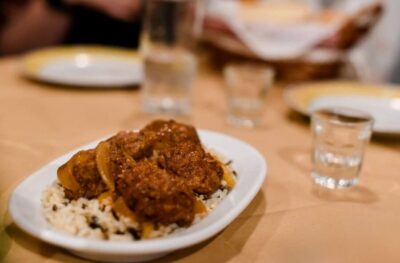
You may see different paella versions depending on ingredients and the specific session—for example, past classes have included a rabbit and chicken paella and also seafood with chicken. That flexibility can be fun if you like variety, but it also teaches you the underlying method so you can adapt later.
One of my favorite parts of a good paella class is when the host talks about the dish like it has rules. When those rules are explained clearly, paella becomes learnable rather than mystical saffron magic.
Sangria and Wine: Turning Cooking Into a Real Spanish Lunch
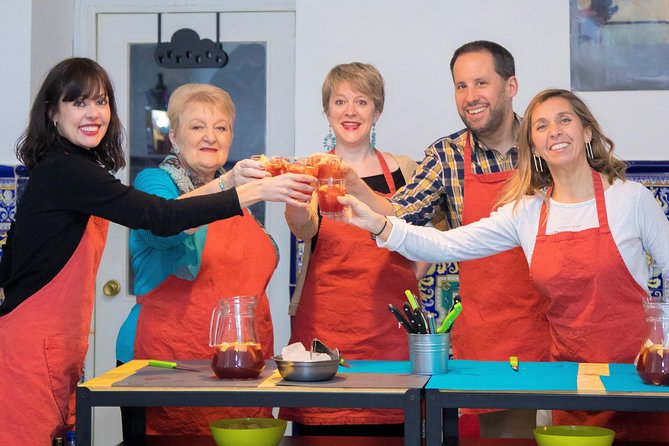
Food classes that include drinks can be hit-or-miss. This one is different because the sangria isn’t just tossed in as a party trick.
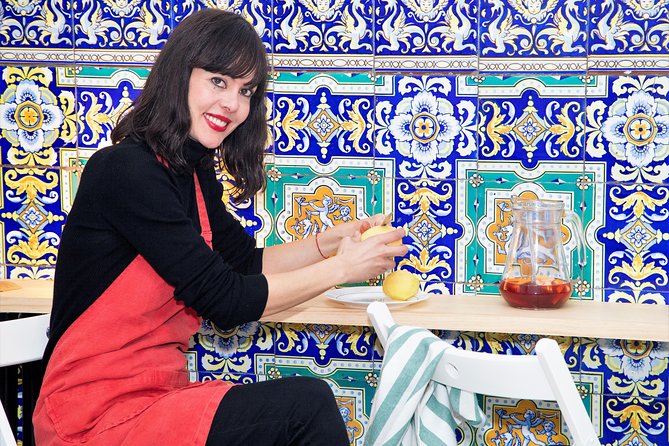
You’ll make sangria and learn how it’s done properly, then enjoy drinks alongside the meal you cook. In past sessions, hosts have provided plenty of sangria and also paired it with Spanish wine as part of a relaxed lunch setup.
I like this because it changes the tone of the class. It stops being a performance and becomes a shared table moment. When you’re making tortilla and paella, you need good attention. Having the right pacing—toast, prep, cook, then eat—keeps the energy up without rushing you.
If you enjoy wine, you’ll appreciate that there’s a tasting element too. It gives you a sense of what Spanish drinks are like in context, not just in a bar.





What You Eat, Plus Coffee at the End
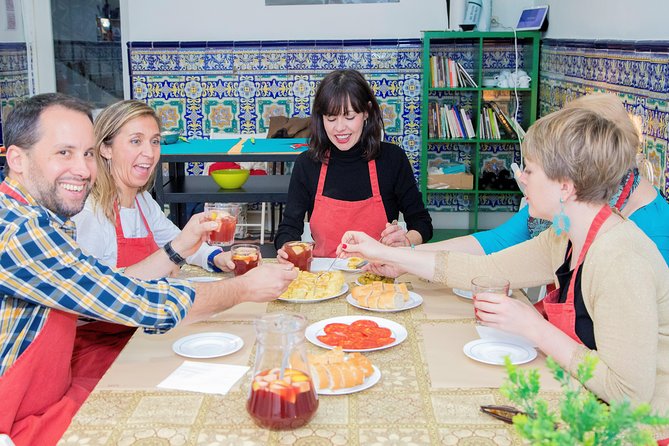
At the end, you eat what you make. That’s a big deal for value. You’re not paying for ingredients you’ll just watch someone else assemble. You’ll sit down to a meal that includes traditional paella, Spanish omelet, and coffee.
In past sessions, there’s been mention of an espresso/coffee finish, which feels very Spanish. It’s also a nice “landing” after a hands-on class—especially since the day’s work involves heat, stirring, and timing.
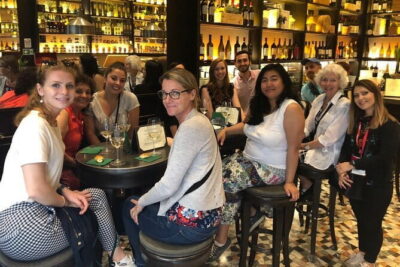
You should also expect a full, group-table meal feel. The small group format means everyone usually participates, which makes it easier to enjoy the conversation once food hits the table.
The Small-Group Advantage: Why Up to Seven People Matters
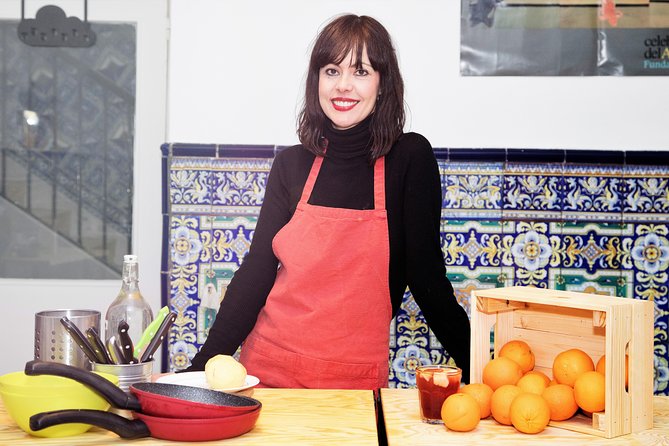
At many cooking classes, you’re part of a crowd. You stand, you watch, you stir once, and you leave with a vague idea of how it’s supposed to work.
Here the class caps at seven travelers, and that changes everything:
- You can ask questions mid-step.
- The host can correct mistakes in real time.
- You get enough hands-on time to remember what you did and why.
In past sessions, hosts such as Paloma, Pilar, and Pipa have been described as very attentive, making sure each participant joined the cooking rather than hovering over one or two people. That kind of interaction is exactly what makes the class worth it.
If you’re traveling as a couple or with friends, you’ll likely feel the room is personal. And if you’re solo, small group classes can be a great way to meet people without forcing awkward group dynamics.
Price and Value: Is $95.58 Worth It?
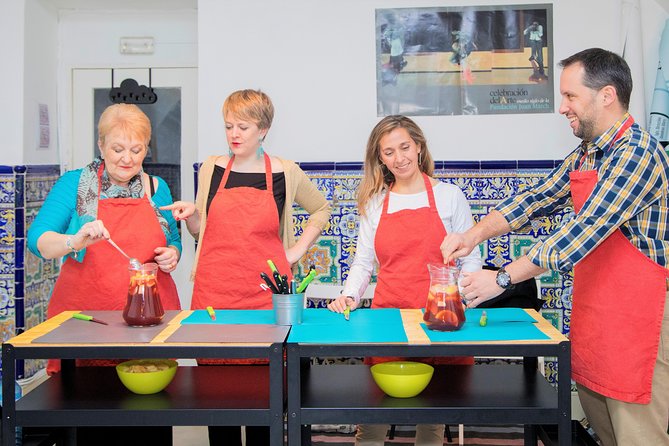
Let’s talk straight value. At $95.58 per person for about 2 hours, you’re paying for three things that normally cost more when done separately:
- Hands-on instruction from a real host in a home kitchen.
- A full meal you cook yourself: tortilla + paella + coffee.
- Drinks included, including sangria and wine tasting.
Is it cheaper than buying the ingredients and cooking at home? Yes, obviously. But this class buys something you can’t easily recreate on your own: the quick fixes. If your tortilla is too runny, you want correction right away. If your paella is heading in the wrong direction, you want the “do this now” guidance.
Also, the class is in English and limited in size. That combination matters. It makes the $95.58 more like paying for a guided, high-touch meal experience than a simple “cook and go” activity.
If you love food and want a skill you can repeat, the price feels fair. If you’re only looking for a light snack and entertainment, you might find this more effort than you want. But if you cook even a little, you’ll probably feel it’s a smart splurge.
How to Get the Most Out of the Class
You’ll get the best results if you show up ready to participate. Don’t treat it like a sit-back show. Bring curiosity, and listen for the host’s timing cues. Paella, in particular, rewards attention to the process.
A few practical tips from the overall style of the experience:
- Wear comfortable clothes. You’ll be cooking.
- Expect to take part in multiple steps, not just one.
- After the class, keep an eye out for recipe follow-ups by email. In past sessions, hosts have sent recipes afterward, but you’ll want to check spam just in case.
Also, since the neighborhood start includes Chueca, it helps to arrive a little early and be ready for a short stretch of moving around before you settle into the kitchen.
Who Should Book This Class (and Who Might Skip It)
This works best for:
- Food lovers who want a real Spanish meal experience
- People who want to learn technique, not just collect a few photos
- Couples and small groups who like intimate settings
- Travelers who like Valencia-style paella and want the method explained clearly
You might choose something else if:
- You want a long, sightseeing-focused day rather than cooking
- You prefer very structured, impersonal instruction with strict classroom pacing
- Weather ruins plans easily. If conditions are poor, you’ll be rescheduled or refunded.
Overall, the mix of tortilla, paella, and sangria makes it a strong pick for one of your limited afternoons in Madrid.
Should You Book Traditional Paella & Tortilla & Sangria in Madrid?
I’d book it if you want a hands-on Spanish cooking class in a small home setting with real instruction, not a rushed activity. The tortilla lesson plus Valencian paella technique plus sangria and wine tasting makes this feel like a complete lunch experience.
If you’re excited about cooking and want something you can reproduce later, this is a high-value way to spend your time. Just keep weather in mind and plan your day so you can handle a reschedule if needed.
FAQ
What dishes are included in the class?
You’ll make and eat Spanish omelet (tortilla), traditional paella, and coffee is listed as dessert. Sangria and a wine tasting are also included.
How long is the experience?
It runs for about 2 hours.
What group size should I expect?
The class has a maximum of 7 travelers.
What language is the class taught in?
The experience is offered in English.
Where does the experience start?
It starts at C/ de Hortaleza, 92, Centro, 28004 Madrid, Spain. It ends back at the meeting point.
What happens if weather is bad?
The experience requires good weather. If it’s canceled due to poor weather, you’ll be offered a different date or a full refund.