REVIEW · MADRID
From Madrid: Ribera del Duero Tour of 3 Wineries w/ Tastings
Book on GetYourGuide →Operated by Gourmet Madrid · Bookable on GetYourGuide
One long day, and you get a real feel for Ribera del Duero. I like this tour because it mixes family-run wineries with modern architecture, and the tastings come with snacks that keep the day moving. The highlight for me is the last stop: a medieval underground cellar that’s still in use. One thing to consider is the schedule is a full 10–11 hours, so plan to be patient on the road back to Madrid.
Two things I’d call out as standout: you visit three wineries in one day (not just one “big name” place), and the guide keeps things clear in Spanish and English. For wine lovers, tasting at each stop with an included food pairing makes it easier to connect flavors to the region instead of treating it like a quick checklist. The main drawback is simple: lunch is on your own, and the day has limited downtime.
In This Review
- Key things you’ll notice on this Ribera del Duero tour
- Ribera del Duero in One Long Day: What You’re Really Buying
- Getting There from Madrid: The 2-Hour Drive and the Pace You’ll Feel
- Aranda de Duero Stop 1: Boutique Winery and Avant-Garde Architecture
- Aranda de Duero Stop 2: Modern Winery Spaces Connected to the Vineyards
- The Lunch Break: How to Eat Well Between Tastings
- The Final Winery: A 400-Year Tradition and a 16th-Century Underground Cellar
- Wine Tastings That Actually Teach You Something
- Your Guide and the Small-Group Advantage
- Price and Value: What $218 Covers (and What It Doesn’t)
- Comfort, Logistics, and Things to Plan For
- Who This Tour Suits Best (and Who Should Think Twice)
- Should You Book This Ribera del Duero Day Trip?
- FAQ
- How long is the Ribera del Duero tour from Madrid?
- What’s included in the price?
- Is lunch included?
- How many wineries and wines do I taste?
- What is the meeting point in Madrid?
- What’s the minimum age for wine tastings?
- Is this tour suitable for children?
- Is the tour wheelchair accessible?
- Can I cancel for a refund?
Key things you’ll notice on this Ribera del Duero tour
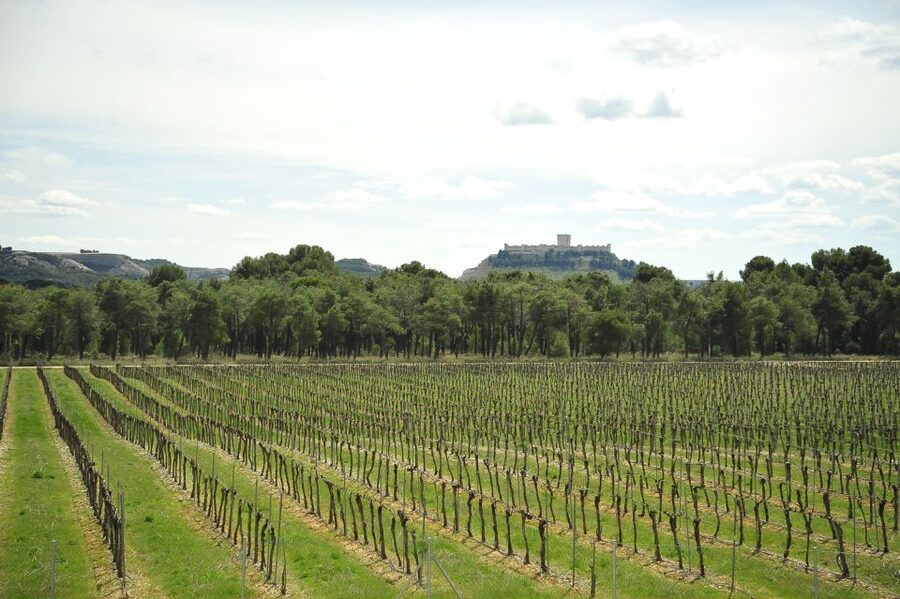
- 3 winery visits with guided facility tours and tastings at each stop
- 8+ wine tastings tied to Denomination of Origin Ribera del Duero wines
- Family perspectives: you’re meeting the people who kept the tradition going
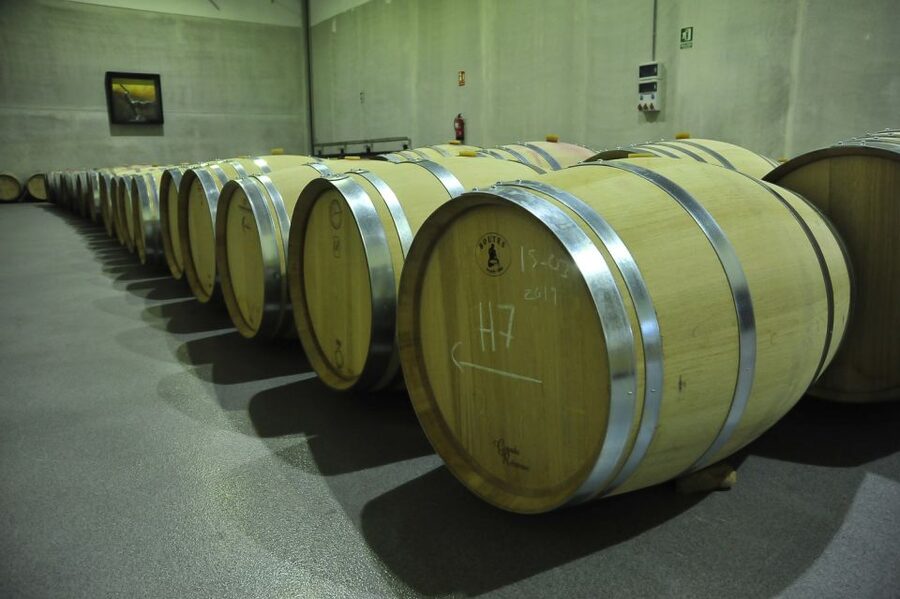
- A 16th-century underground cellar about 7 km long and dug ~13 meters into rock
- Small-group feel (up to 20, usually around 8) with bilingual guiding
- A planned lunch break (at least 1.5 hours) with guide suggestions nearby
Ribera del Duero in One Long Day: What You’re Really Buying
This is the kind of tour that makes sense if you want more than a bus ride and a sip. You’re paying for structure: transportation from Madrid, a bilingual guide, and three distinct wineries chosen to show different sides of Ribera del Duero.
What I appreciate is the balance in the day. You start with tasting stops in Aranda de Duero, then you get a breather for lunch, then you finish with the historic portion—an underground cellar and caves story that’s hard to replicate on your own. It’s not just about wine; it’s about how the region works, from old methods to newer production spaces.
The time commitment is the trade-off. You’re gone most of the day (departing at 9:15 AM and getting back around 20:00, depending on traffic). If you hate long days or you’re sensitive to travel time, you might find it runs long.
You can also read our reviews of more tours and experiences in Madrid.

Getting There from Madrid: The 2-Hour Drive and the Pace You’ll Feel
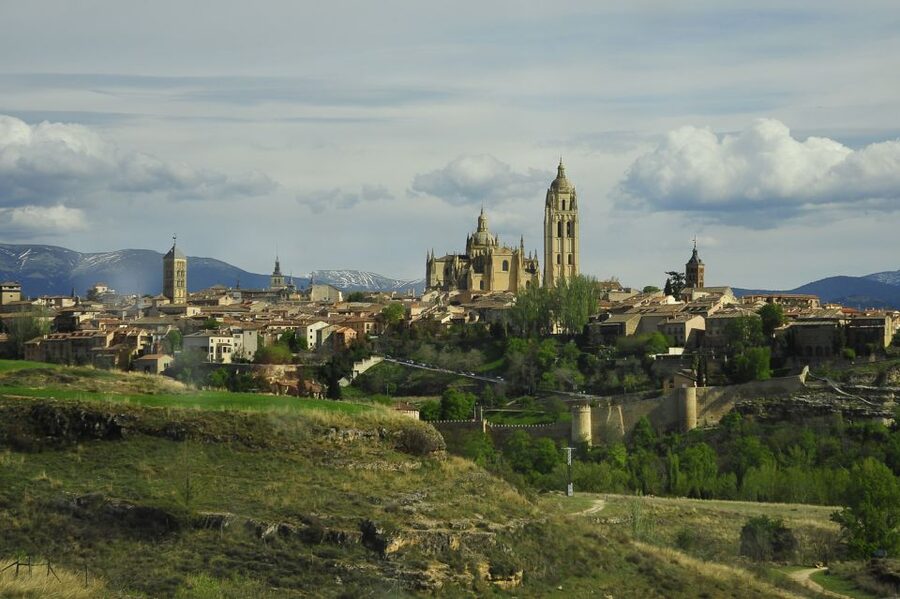
Pickup is at Plaza del Conde de Casal, at the front door of the café area of hotel Claridge, by the hotel’s main entrance. The nearest metro is Conde de Casal (Line 6). That’s an easy starting point if you’re staying somewhere central and want a straightforward plan.
Once you’re on the road, you’re looking at about 2 hours each way. During that drive, you don’t just sit and stare out the window. Your guide shares details and anecdotes about Ribera del Duero, and that matters because it sets context for what you’ll taste later.
The day is paced in “blocks”: winery tour + tasting with snacks, then lunch time, then the last, heavier historic stop. If you’re the type who enjoys taking notes, this itinerary gives you enough time between tastings to reset your palate a bit and actually think about what you’re tasting.
Aranda de Duero Stop 1: Boutique Winery and Avant-Garde Architecture
Your first winery visit focuses on a boutique operation with an advanced, design-forward approach. The tour emphasizes how details in the production environment help create optimal conditions for wine.
This is one of the reasons I like this kind of selection: the architecture isn’t treated as a photo-op. Instead, the day explains how the space supports the winemaking process. Even if you’re not an engineer, it’s still useful to see how modern facilities affect things like storage, temperature control, workflow, and overall consistency.
You’ll get a guided tour of the facilities and then a tasting with local appetizers. That pairing is important. It helps you notice how the wine behaves when it meets food, not just in a tasting room vacuum.
Aranda de Duero Stop 2: Modern Winery Spaces Connected to the Vineyards
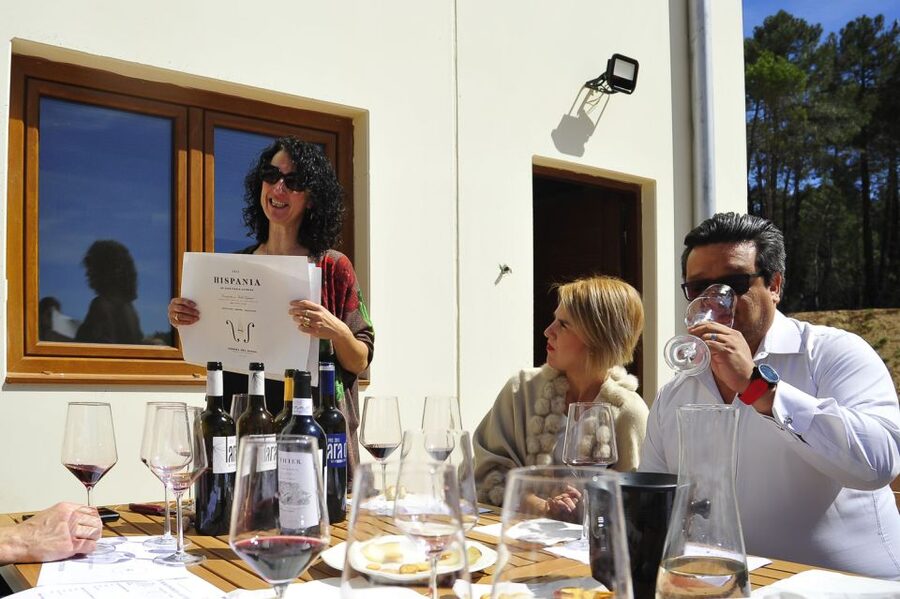
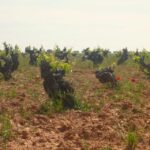
The second winery is different by design, and that’s the point. Here, you’ll see modern structures that connect with the vineyards and blend functionality, nature, and history.
If Stop 1 helps you understand precision and build quality, Stop 2 helps you compare production styles in the same region. It’s a practical way to learn: tasting two places back-to-back makes it easier to spot what changes when you change the approach.
You’ll again get a full facility tour and another tasting session with appetizers. The included food keeps energy up and makes it easier to focus on the differences across the wines.
The Lunch Break: How to Eat Well Between Tastings
After the first two wineries, you’ll have at least 1 hour of free time, and the schedule allows about 1.5 hours for lunch. Lunch is not included in the tour price, but your guide will give recommendations nearby.
This matters more than it sounds. After multiple tastings, it’s smart to choose food that won’t knock you off your feet for the final winery. You also want something you can eat at an easy pace, since you still have a guided visit ahead.
You’ll typically see options such as:
- tapas-style lunch (budget around €12–15)
- a light lunch or full 3-course meal (around €30)
If you want an easy win, go for a simple meal you can finish without rushing. Save something heavier for dinner in Madrid.




The Final Winery: A 400-Year Tradition and a 16th-Century Underground Cellar
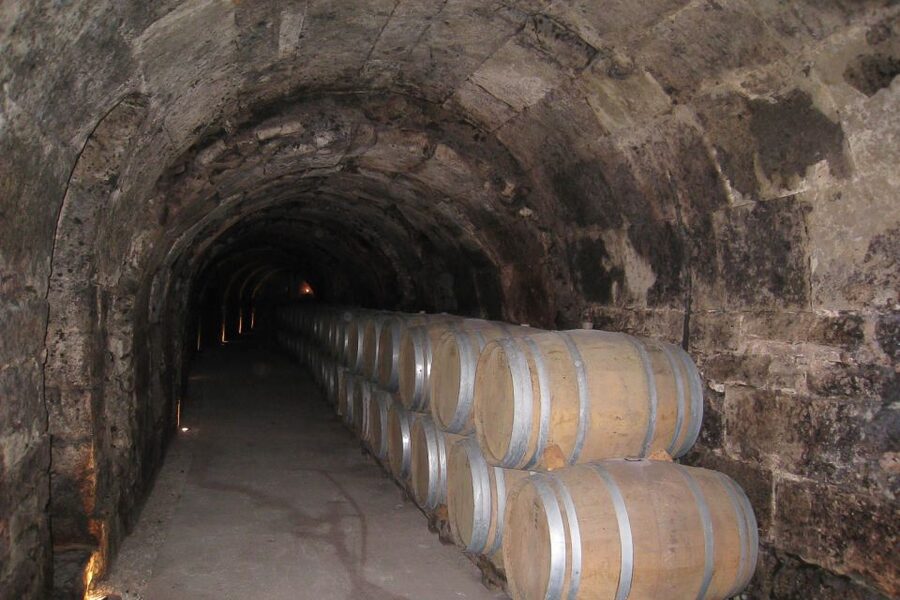
The last stop is the headliner. This winery traces its winemaking tradition back around 400 years and was founded before the Denomination of Origin existed, positioning it as one of the region’s forerunners.
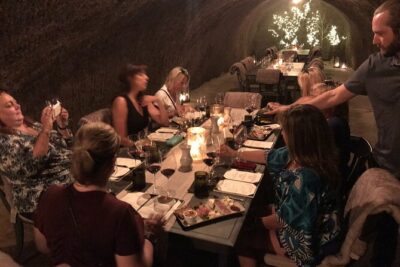
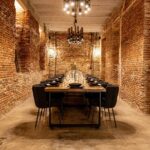
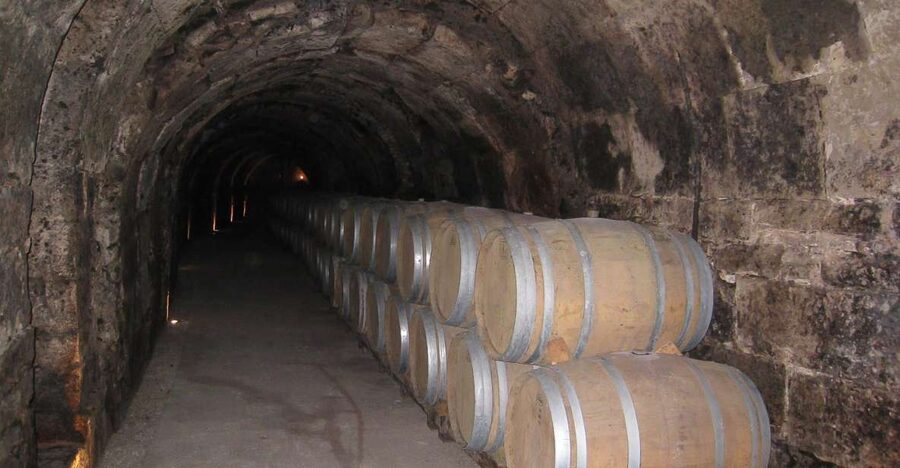
Then comes the feature that turns this tour from “good day” to “I remember this”: a medieval underground cellar from the 16th century. It runs roughly 7 km long and was excavated in rock down to a depth of about 13 meters. These tunnels are not just a museum set—they’re still used.
The value here is perspective. In one afternoon, you see how design-minded winemaking and production spaces exist alongside rock-cut caves and historic storage. That contrast is the reason Ribera del Duero feels like a living place, not a postcard.
You’ll do another guided tour of the facilities and finish with a tasting paired with local appetizers. This final tasting is where I’d expect most people to slow down and pay attention—because by now, you’ve built enough context to understand what each wine is doing.
Wine Tastings That Actually Teach You Something
This tour promises at least 8 wines from Denomination of Origin Ribera del Duero, tasted across the three wineries. The number matters, but so does the structure: tastings come with appetizers at each stop, and you get guidance about the wines as you go.
I also like that the tour focuses on both old and new techniques. Instead of only telling you what you’re drinking, you’re shown the production environment and the tradition behind it. That makes the tasting more memorable and easier to recall later when you’re comparing bottles back home.
One practical tip: keep your tasting notes simple. A single line per wine—what you liked, what it reminded you of, and how it changed with food—will beat trying to write a perfect review during a busy day.
Your Guide and the Small-Group Advantage
This is a small-group tour: minimum 4 participants, maximum 20, with an average around 8 people. That’s a big difference versus huge day tours. You can hear the guide, ask questions, and keep the conversation moving without getting lost in a crowd.
Guides are bilingual (Spanish-English). If needed, the tour can run in both languages simultaneously. Based on what people highlight, the guiding style tends to be energetic and tuned to the group, which is helpful when your day includes multiple tastings and you want explanations that stay clear.
You also get a convenience boost: the experience includes skip-the-line access through a separate entrance.
Price and Value: What $218 Covers (and What It Doesn’t)
At $218 per person, this is not the cheapest wine outing from Madrid. But you’re not just paying for a tasting—you’re paying for a lot of structure that’s hard to replicate cheaply.
What’s included:
- round-trip transportation from Madrid
- a bilingual expert guide
- visits to 3 family-owned wineries
- tastings at each winery plus local appetizers
- skip-the-line access via a separate entrance
What’s not included:
- lunch (you pick and pay during the break)
So is it good value? For wine fans, it often is—because you’re getting three separate winery experiences with tastings and food, and the final stop includes a seriously historic underground cellar. If you’ve ever tried to DIY Ribera del Duero from Madrid, you’ll quickly realize how expensive and time-consuming it can be to line up transport plus multiple tastings plus guided access in one day.
The biggest “value risk” is your own pace. If you don’t love long days, the price won’t feel worth it because you’ll spend a lot of hours on the road.
Comfort, Logistics, and Things to Plan For
This tour runs about 10–11 hours depending on traffic. You should expect a full day where timing matters.
A few rules to know ahead of time:
- pets are not allowed
- no costumes
- no intoxication
- children under 12 can’t take part
- the minimum age for wine tastings is 18
It’s also not suitable for wheelchair users, so plan on stairs and uneven surfaces, especially in historic parts of the wineries.
One more practical note: since the experience happens on a bus, bring patience for comfort issues like air conditioning quirks or audio problems. It’s not guaranteed, but it can happen on long rides.
Who This Tour Suits Best (and Who Should Think Twice)
This is ideal if you:
- want three wineries instead of one
- enjoy learning how tradition and modern production coexist
- want a guided day that takes transportation out of your hands
- care about small-group energy rather than a big crowd
It’s not ideal if you:
- hate long days (this one is a full schedule)
- get stressed about making lunch decisions (since lunch isn’t included)
- need wheelchair access
If you’re traveling solo, the tour is described as a safe option for solo female travelers, which is a real comfort factor when you’re booking in a foreign country.
Should You Book This Ribera del Duero Day Trip?
If your goal is a high-impact introduction to Ribera del Duero—without the hassle of planning—you should strongly consider booking. The combination of three contrasting wineries, at least 8 tastings, and the final stop’s historic underground cellar gives you variety in both wine style and experience style.
I’d book this if you’re the type who wants to come home with stories, not just a receipt. You’ll also have the built-in advantage of bilingual guiding and a small group, which makes the day feel more human.
I’d think twice if you’re short on patience for day trips, or if you’re looking for a lighter schedule. This one is built as a full day, with lunch as your one main break.
FAQ
How long is the Ribera del Duero tour from Madrid?
The tour lasts about 11 hours, with the total duration between 10 and 11 hours depending on traffic.
What’s included in the price?
Round-trip transportation from Madrid, a bilingual expert guide, visits to 3 family-owned wineries, wine tastings at each stop, and local appetizers are included.
Is lunch included?
No. Lunch is not included, but you’ll have time to eat during the break, and the guide will provide recommendations.
How many wineries and wines do I taste?
You visit 3 wineries and taste at least 8 Ribera del Duero wines across the day, with tastings happening at each winery.
What is the meeting point in Madrid?
Meet at the front door of the cafeteria of hotel Claridge, next to the main door of the hotel, at Plaza del Conde de Casal, 6, 28007 Madrid.
What’s the minimum age for wine tastings?
The minimum age for wine tastings is 18 years.
Is this tour suitable for children?
Children under 12 years cannot take part in the tour.
Is the tour wheelchair accessible?
No. The tour is not suitable for wheelchair users.
Can I cancel for a refund?
Yes. Free cancellation is available up to 24 hours in advance for a full refund.