REVIEW · MARANO DI VALPOLICELLA
Valpolicella: Amarone Chateau Guided Tour and Wine Tasting
Book on GetYourGuide →Operated by Tenuta Santa Maria di Gaetano Bertani · Bookable on GetYourGuide
Walled vineyards and Amarone stories in ninety minutes. I came for Valpolicella Classica and left with a clear sense of how Amarone-style wines are made, especially after walking the estate spaces at Tenuta Santa Maria di Gaetano Bertani near Verona and Lake Garda. I also loved the seated wine tasting component, guided by a sommelier, with explanations that make each glass easier to read.
One watch-out: transfer isn’t included and the meeting point can vary, so you’ll want to plan your own ride and arrive on time. If you’re the type who likes to get there early and settle your nerves, you’ll be fine.
In This Review
- Key highlights worth your time
- Valpolicella Classica: why this 1.5-hour tour feels like more
- Tenuta Santa Maria di Gaetano Bertani: the Villa and gardens first
- Walled vineyards and cellars: where the terroir shows up in stone
- Appassimento and Ripasso: the key lessons that connect to Amarone
- The fruttaio: grape drying explained where it happens
- The monumental cellar: aging rooms and the quiet logic of patience
- Seated tasting with a sommelier: how to get the most from at least four wines
- Adults-only focus: who this tour suits best
- Price and value: is $42 worth 1.5 hours?
- Booking tips that prevent common headaches
- Should you book the Tenuta Santa Maria Amarone-style tour?
- FAQ
- How long is the Valpolicella Amarone chateau tour and wine tasting?
- How much does the tour cost?
- What is included in the tour price?
- Are transfers or pickup included?
- How many wines will I taste?
- What languages is the tour offered in?
- Is the tour suitable for children or teenagers?
- Is it suitable for pregnant travelers?
- What are the cancellation and payment options?
Key highlights worth your time
- Frescoed 18th-century Villa inside the estate, plus romantic garden time
- 16th-century walled vineyards and cellars you actually walk through
- Appassimento and Ripasso lessons tied to where the grapes dry and rest
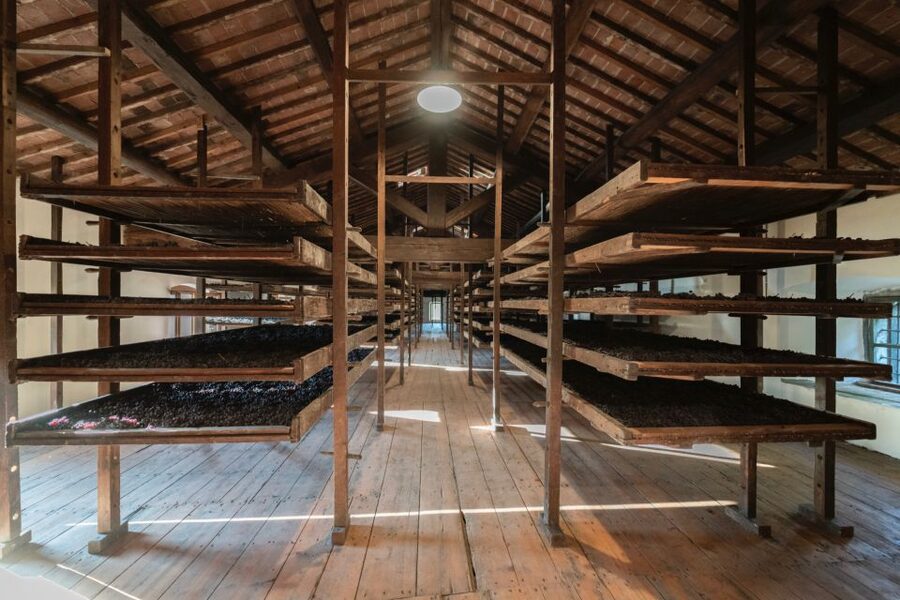
- Fruttaio grape-drying stop explained as a core step for Amarone della Valpolicella
- Seated tasting with a sommelier and explanations for each pour
- At least four wines in one 1.5-hour, adult-focused experience
Valpolicella Classica: why this 1.5-hour tour feels like more
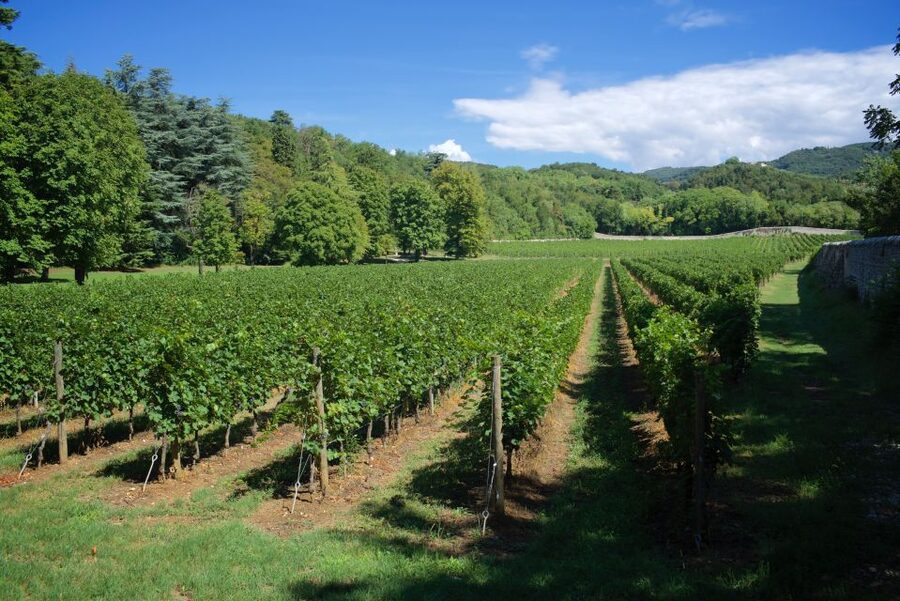
Valpolicella can be a bit intimidating if you only know it for Amarone. What I liked here is that the format stays short enough to keep your attention, but structured enough to connect the dots between vineyards, technique, and the glass. You spend your time seeing key estate spaces and tasting what they produce, rather than rushing through random stops.
The tour runs about 1.5 hours, which is a sweet spot for a wine day. You get a guided property visit, a seated tasting, and a bilingual guide (English and Italian), all without turning the experience into an all-day event.
Tenuta Santa Maria di Gaetano Bertani: the Villa and gardens first
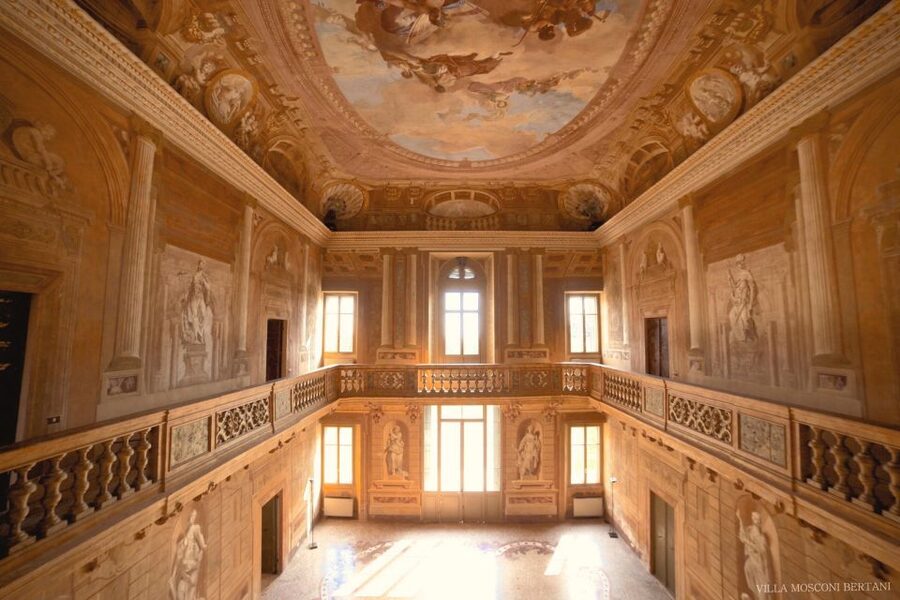
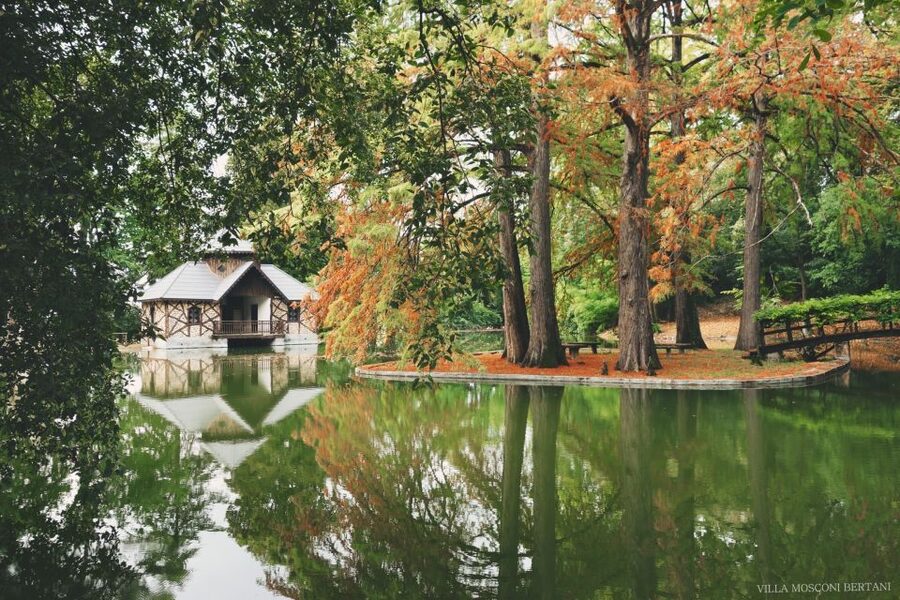
The estate experience starts with style. You’ll see an elegant 18th-century Villa and step into a frescoed room, the kind of space that makes wine feel like more than a product. The guides frame it as part of a broader cultural setting on the property, including a Romantic Park vibe tied to artistic conversation in the past.
Then there are the gardens. It’s not just decorative; it helps you understand how estates in this part of Italy are designed to be lived in. Even if you’re not the kind of person who studies architecture, you’ll appreciate the pacing: you get a visual “reset” before the tour turns practical and vineyard-focused.
Practical tip: wear comfortable shoes. The tour includes walking on estate paths, and you’ll want to keep your pace steady so you don’t fall behind during the guided stops.
Walled vineyards and cellars: where the terroir shows up in stone
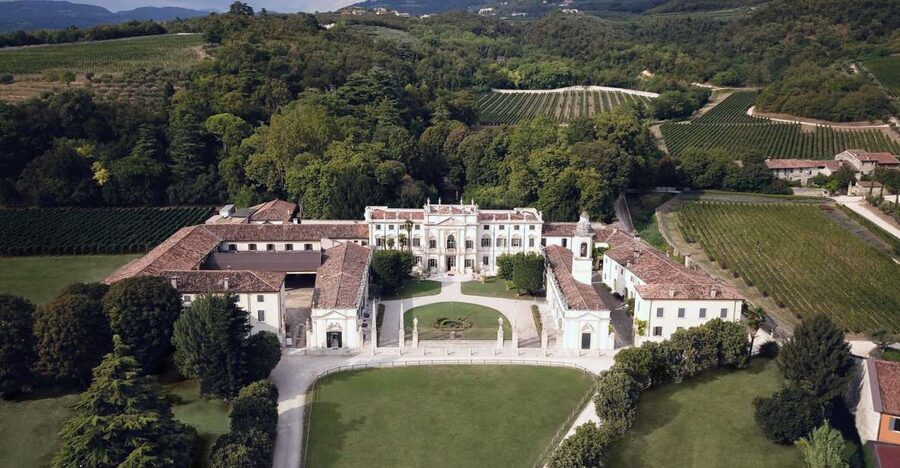
Next comes the property’s older working side. You’ll explore 16th-century walled vineyards and cellars, which adds a level of texture most wine tours skip. When you see vineyard walls that have been there for centuries, it changes how you think about what makes a place “historic.” It’s not just romance; it’s a physical system built to support growing grapes and aging wine.
The walls and cellar spaces also help explain why the estate approach matters. Techniques like drying grapes and managing fermentation don’t happen in a vacuum. They depend on the right buildings, the right conditions, and the right routine over time. You can feel that logic when the guide points out the spaces where different stages happen.
Appassimento and Ripasso: the key lessons that connect to Amarone
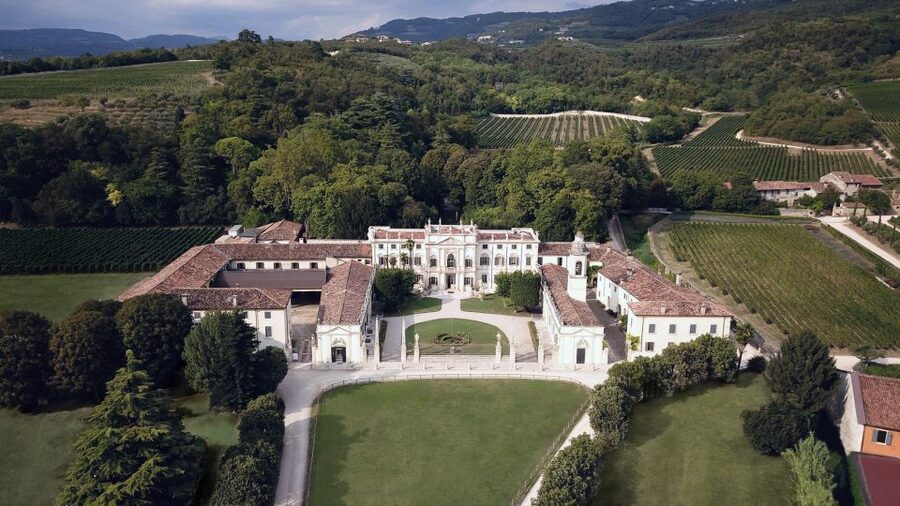
This is one of the best parts of the tour because the explanations stay connected to what you’re seeing. The guide introduces the traditional methods of Appassimento and Ripasso, not as vague winemaking buzzwords, but as steps in a process that leads toward the region’s more robust style.
Here’s the mental trick I used: treat each technique like a “reason” for what you’ll taste later. Appassimento centers on concentrating the grapes by allowing them to dry, and Ripasso relates to additional fermentation work using dried material. If you show up with the idea that the wine’s strength comes from grapes changing during that time, the tasting becomes easier to understand.
Also, there’s an educational component that keeps it clear. I liked the way the sommelier and guide use an illustrated presentation approach while tasting. One of the standout review themes was how helpful the visual format is, and you’ll feel that during the tasting, when each wine comes with an explanation built to match what you’re smelling and sipping.
The fruttaio: grape drying explained where it happens
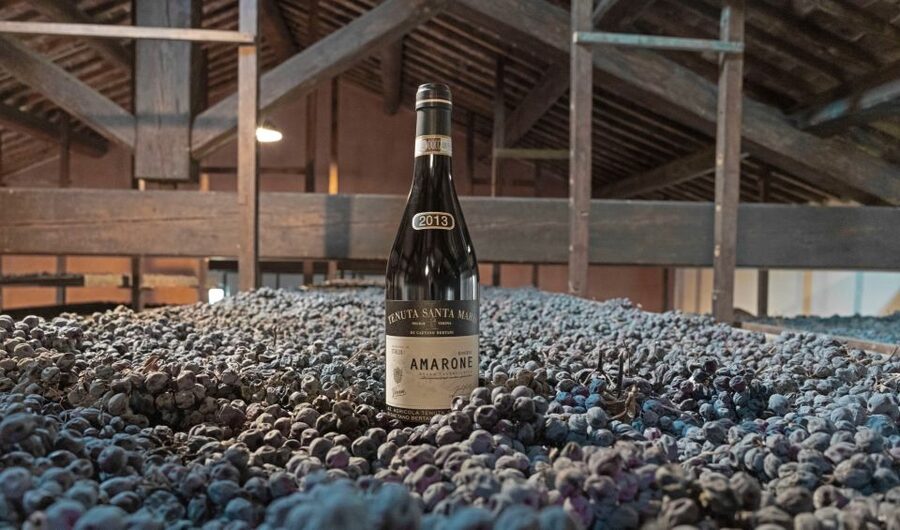
One stop you should pay close attention to is the fruttaio, the place used for drying grapes. The tour frames it as integral to crafting Amarone della Valpolicella, and that’s exactly what makes the stop matter. It’s one thing to hear that Amarone uses dried grapes. It’s another thing to stand in the context of a dedicated drying area and connect that step to the later flavors in your glass.
During this part, I suggest you slow down mentally. Ask yourself what drying does to fruit character. Typically, it intensifies and shifts the grape’s profile while also affecting how fermentation behaves afterward. Even if you’re not a wine chemistry person, that big picture makes your tasting notes less confusing.
If you’re the kind of traveler who likes to learn something practical, this is your moment. You leave with a simple chain: where grapes are dried → why that changes the wine → how that shows in aroma and structure.
The monumental cellar: aging rooms and the quiet logic of patience
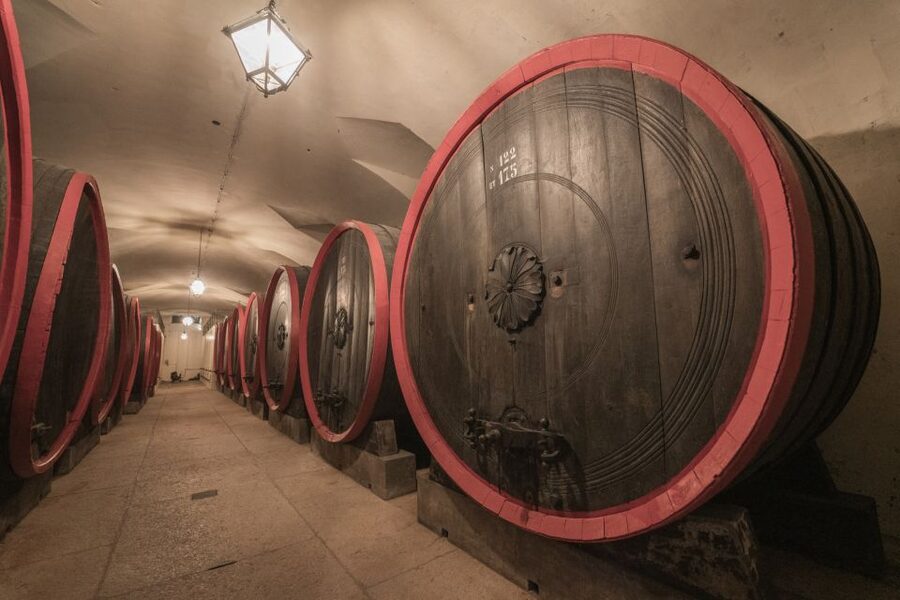
After the vineyard and drying conversation, the tour shifts into aging territory. You’ll descend into a monumental cellar, described as a cathedral-like space for wine aging. The point isn’t to theatrically “whisper secrets.” The point is to show you the environment where time does its work.
This is where many wine tours fall short because they rush. Here, the cellar walk ties back to earlier stops. You’re not just looking at barrels; you’re thinking about how drying affects the final wine and how the aging space helps shape the outcome.
I found this portion especially useful if you’re trying to understand why an Amarone-style wine can feel powerful without tasting like pure alcohol. When you understand the process steps beforehand, the cellar makes sense as the final stage that supports balance.
Seated tasting with a sommelier: how to get the most from at least four wines
The finale is the tasting, and it’s seated, which helps a lot. You’ll taste no fewer than four wines, and each pour comes with an illustrated narrative that guides you through key sensory points. That visual, slide-style explanation is a big reason some people leave saying the wine talk felt clear rather than complicated.
Here’s how I’d approach the tasting if you want to enjoy it, not just survive it:
- Start with aromas, not labels. Smell first, then sip. The guide’s explanations will make more sense when you already have your own impressions.
- Compare structure. In a lineup of Amarone-related and Valpolicella-area wines, differences often show up in weight, tannin feel, and finish.
- Follow the guide’s notes once, then trust your palate. Don’t try to write a novel. Pick one flavor direction you notice and see if it lines up with the explanation.
Because it’s led by an expert sommelier, you’ll get more than “this is fruity” or “this is smooth.” The tasting is meant to teach you what to look for, and it stays within an adult-only setting, so the tone is geared toward people who want to taste and learn.
Adults-only focus: who this tour suits best
This is designed for adults. It’s not suitable for children under 18, and it also lists pregnancy as not suitable. If that describes you, plan another wine day option instead.
For the right audience, this kind of tour works well if you want:
- a clear, guided way to understand Valpolicella techniques
- a short tasting experience without a full-day tour commitment
- a setting that mixes architecture, vineyards, and cellar education in one loop
If you’re traveling with friends who have different wine knowledge levels, I think you’ll both benefit. Beginners get a straightforward process story; more experienced tasters get context that helps the lineup feel intentional.
Price and value: is $42 worth 1.5 hours?
At $42 per person for about 1.5 hours, the value comes from what’s included: a guided property visit, a bilingual guide, and a seated tasting with an expert sommelier. You’re also tasting at least four wines, which is a meaningful chunk of the overall cost for a short tour.
Where the math changes is transportation. Transfer to the property isn’t included, and the meeting point can vary by option booked. So your real “all-in” cost depends on how you get there from Verona or Lake Garda area bases (or wherever you’re staying). If you already have a car or a planned local ride, the price feels reasonable. If you must arrange extra transport, budget a bit more.
Timing matters too. In 1.5 hours, this tour doesn’t waste time, but it also doesn’t let you wander slowly. If you like long garden strolls and hours in a cellar gift shop, you may feel slightly “guided” rather than free-roaming.
Booking tips that prevent common headaches
The tour runs on set starting times, so check schedules before assuming you can fit it anytime. The meeting point may vary, so don’t show up with vague timing and hope it works out.
Two more practical notes:
- Dress for walking around an estate. You’ll be moving through garden and cellar areas.
- If you want a stress-free tasting, plan to arrive with enough buffer to settle in before the guide starts.
If flexible planning matters, this experience offers free cancellation up to 24 hours in advance and a reserve now, pay later option.
Should you book the Tenuta Santa Maria Amarone-style tour?
I’d book it if you want a focused Valpolicella experience that connects technique to taste in a short time window. The combination of Villa/fresco setting, walled vineyards, the fruttaio drying explanation, and a sommelier-led tasting of at least four wines is a strong lineup for the money—especially if you like learning that doesn’t feel like a lecture.
I wouldn’t prioritize it if you need transportation support, since transfer and pickup aren’t included. Also skip it if you’re traveling with kids under 18 or if someone in your group needs accommodations not listed here for pregnancy suitability.
If you’re aiming for a smart “wine education plus tasting” stop in Valpolicella, this one earns a spot.
FAQ
How long is the Valpolicella Amarone chateau tour and wine tasting?
It lasts about 1.5 hours.
How much does the tour cost?
The price is listed as $42 per person.
What is included in the tour price?
You get a guided property tour, a bilingual guide (English and Italian), and a seated wine tasting with an expert sommelier.
Are transfers or pickup included?
No. Transfer to the property and pickup/drop-off are not included.
How many wines will I taste?
The tasting includes no fewer than four distinct wines.
What languages is the tour offered in?
The tour is available in English and Italian.
Is the tour suitable for children or teenagers?
No. It is not suitable for children under 18.
Is it suitable for pregnant travelers?
The tour is listed as not suitable for pregnant women.
What are the cancellation and payment options?
Free cancellation is available up to 24 hours in advance for a full refund, and there is a reserve now and pay later option.