REVIEW · PORTO
Porto: Tile Painting Workshop with Porto Wine – Sé do Porto
Book on GetYourGuide →Operated by Domus Arte · Bookable on GetYourGuide
Paint a tile, learn Porto’s past. In a two-hour session at Domus Arte in Sé do Porto, you’ll enjoy hands-on instruction and learn the story behind Portuguese azulejos, then paint a souvenir tile from patterns tied to the city. I like that it’s beginner-friendly and that you’re also sipping Port (plus juice, coffee, and snacks) while you work. One thing to consider: you’re making a single ceramic tile, so if you’re hoping to produce a whole set of artwork, this is more “one keepsake done well” than “paint all day.”
This workshop hits a sweet spot for real-life travelers. You don’t need artistic talent, and the format stays calm and organized, with instructors circulating to help you keep moving at your pace (names you might see include Beatriz, Francisco, Rita, Fernanda, Jose, Pedro, and Daniela). It’s also a nice break from walking—especially if the weather turns.
In This Review
- The Porto Tile Workshop at a Glance
- Domus Arte in Porto: What You’re Doing in 2 Hours
- The Azulejo Story They Tell Before You Paint
- Choosing Your Pattern: From Porto Streets to Your Tile
- How the Painting Works (Even If You’ve Never Held a Brush)
- Port Wine, Coffee, Juice, and Snacks Without Breaking the Flow
- Value Check: Is $41 Worth It for a Hand-Painted Souvenir?
- Timing and Collection: Getting Your Tile Back Smoothly
- Who This Workshop Fits Best and Who Might Skip It
- Practical Tips to Get the Best Experience
- Should You Book This Porto Tile Painting Workshop?
- FAQ
- How long is the tile painting workshop?
- Do I need any prior painting experience?
- What’s included in the price?
- Can I choose my own tile design?
- Is the workshop taught in English?
- Will I be able to take my tile home?
- How soon can I collect the tile after I finish painting?
- Is it suitable for young children?
- Are pets allowed and is smoking permitted?
The Porto Tile Workshop at a Glance
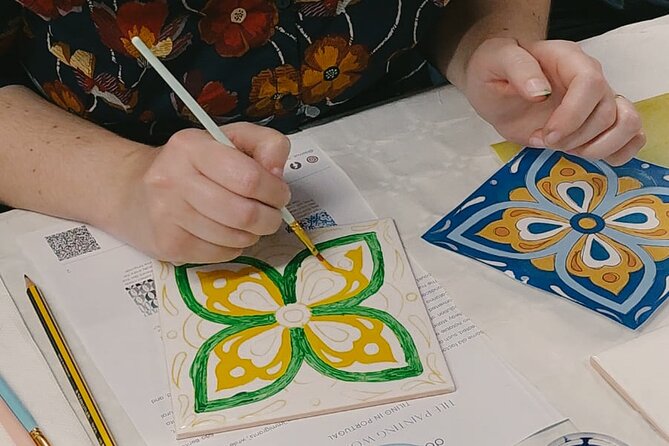
- Azulejo history that actually connects to what you paint before the brushes start moving
- Traditional patterns sourced from Porto streets, not generic designs
- Professional artists guiding every step, so beginners feel steady fast
- Port wine, coffee, juice, and snacks with a relaxing studio vibe
- A take-home result: your finished tile arrives in a box, ready to bring back
- English instruction (with help and encouragement throughout)
Domus Arte in Porto: What You’re Doing in 2 Hours
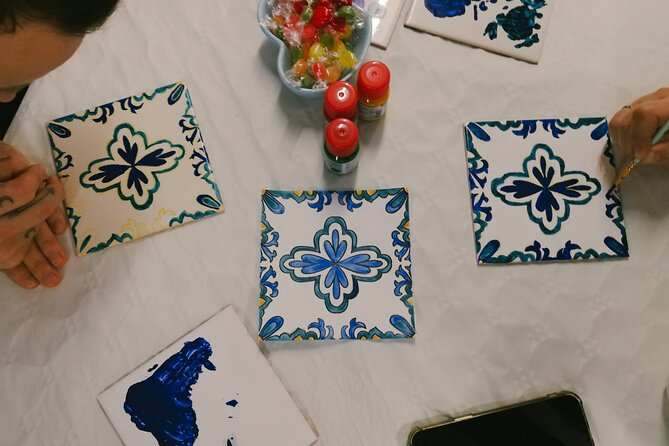
This is a straightforward, satisfying class: you show up, you learn a bit of context, and you paint a pre-prepared ceramic tile with support from an instructor. The time block is two hours, which is long enough to go from blank tile to recognizable design, but short enough that you won’t feel like your day got swallowed.
The studio is set up for people of different comfort levels. If you’re traveling solo, it’s a friendly way to share a craft table with others. If you’re a couple or a small group, you get structured guidance but still have room to make choices—colors and details, and sometimes the whole design direction.
One practical tip: even if you consider yourself not “an art person,” bring the mindset of doing it for fun. The class is built around teaching the technique and helping you finish something you’ll want to display later.
You can also read our reviews of more wine tours in Porto



The Azulejo Story They Tell Before You Paint

Before paint touches ceramic, you get a brief history of Portuguese azulejos. This isn’t a lecture marathon. It’s more like an orientation: where the tile tradition comes from, and why Porto and Lisbon became so closely associated with tilework over the centuries.
What makes this part valuable is that it gives your tile meaning. Instead of copying a pattern like a sticker, you learn what tile art has meant in Portuguese architecture—how it became a visual language, and how repeated motifs and colors became part of the city’s identity.
Instructors often add extra cultural context while you’re working. From the names and teaching styles reflected in recent sessions, it’s common to get conversational history alongside painting tips. Some instructors also bring in the human side of Porto—food, music, and local references—while still keeping the class organized.
Choosing Your Pattern: From Porto Streets to Your Tile
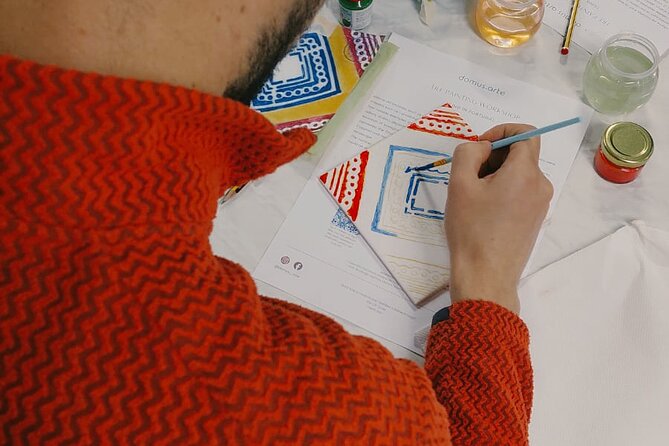
Next comes the fun choice: you’re given a white ceramic tile and you pick from an exclusive selection of traditional tile patterns. The patterns are described as being carefully selected and documented by the team directly from Porto’s streets. That detail matters. It means you’re painting something anchored to real local design, not a generic internet image.
You have two ways to approach it:
- Replicate a documented traditional pattern closely
- Or create your own design based on what you like from the choices
Either way, your instructor helps with technique so your tile looks intentional rather than random color blocks. If you like structure, replication feels safe. If you like creative control, you can personalize your design with your own touches.
The result is a souvenir that feels earned. It also pairs nicely with what you’ll see outside the studio. After this session, tilework in churches, station halls, and old streets won’t look like decoration anymore—it’ll look like a craft tradition you just participated in.
How the Painting Works (Even If You’ve Never Held a Brush)
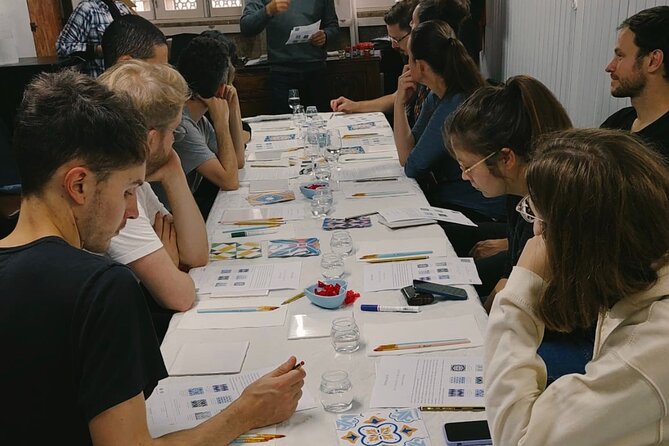
Here’s the part I appreciate most: you don’t need prior experience. The workshop is designed for beginners and people of all ages (with the note that it’s not suitable for children under 3). The instructors guide you step by step through the process and help you understand what you’re doing and why.
In practice, that usually means you’ll get:
- Clear instructions on how to use the materials
- Guidance on how to build the design without getting stuck
- Encouragement to try, even if your first lines aren’t perfect
The teaching style seems to be consistent across instructors. Even when people arrive nervous about art, they’re coached toward finishing confidently. Names like Beatriz, Francisco, Rita, and Fernanda come up repeatedly in the provided details, and the common thread is patient, hands-on support—especially for first-timers.
If you’re traveling with kids (or you’re the kid-at-heart type), this is also a good match because it stays structured. There’s a goal, a plan, and a clear way to succeed without turning it into a stressful drawing contest.
Port Wine, Coffee, Juice, and Snacks Without Breaking the Flow
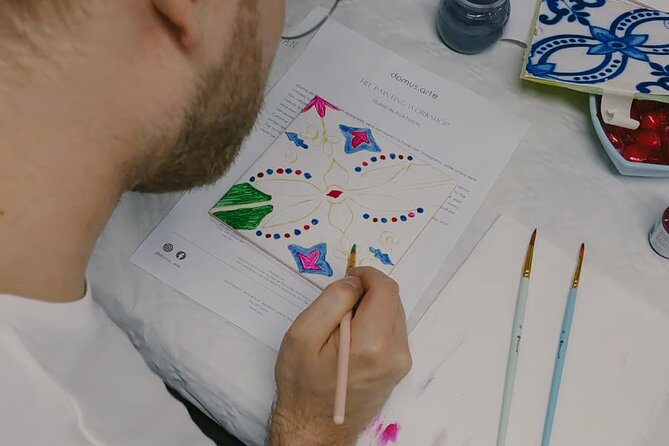
At this workshop, the drinks aren’t an afterthought. During the painting session, you’ll enjoy Port wine plus juice, water, and coffee, along with sweet and savory snacks.
It makes a difference because it turns the class into an experience, not just a craft lesson. You can settle in, socialize a little, and enjoy a pause while you’re learning. One added bonus: it’s the kind of activity that works even when you don’t feel like doing another long walking tour.
A detail worth knowing: the workshop is not a casual “drink and doodle” situation. The drinks are paired with instruction, so you keep moving through the steps on time. And if you’re traveling in the morning, it’s still enjoyable—many people book this as a calm reset before the rest of Porto.
A few more Porto tours and experiences worth a look




Value Check: Is $41 Worth It for a Hand-Painted Souvenir?
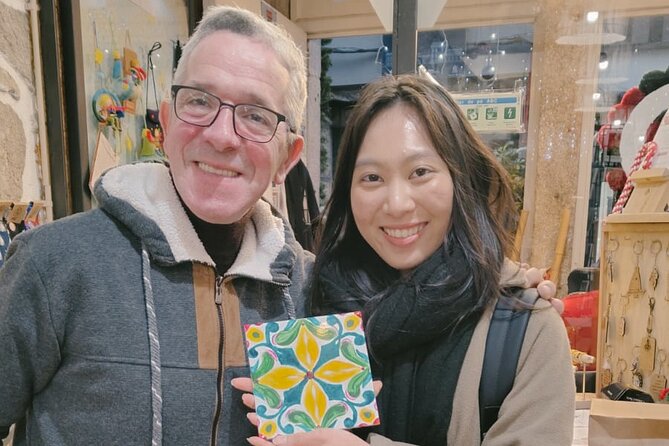
For $41 per person (and about two hours), this is strong value if you’re thinking beyond the price tag.
Here’s what you’re really paying for:
- A guided art activity with professional instructors
- The ceramic tile and all painting materials
- A mini history lesson that connects the craft to Portuguese identity
- Drinks (including Port) and snacks
- A take-home box for your finished tile
If you tried to do this on your own, the cost would spread out across materials, tools, and the learning curve. Here, those pieces are bundled—and the hardest part (learning what to do) is handled for you.
Also, the finished tile becomes a personal souvenir. It’s not a mass-produced postcard. You made it, you understood it, and you can bring it home as a physical reminder of Porto in your own style.
Timing and Collection: Getting Your Tile Back Smoothly
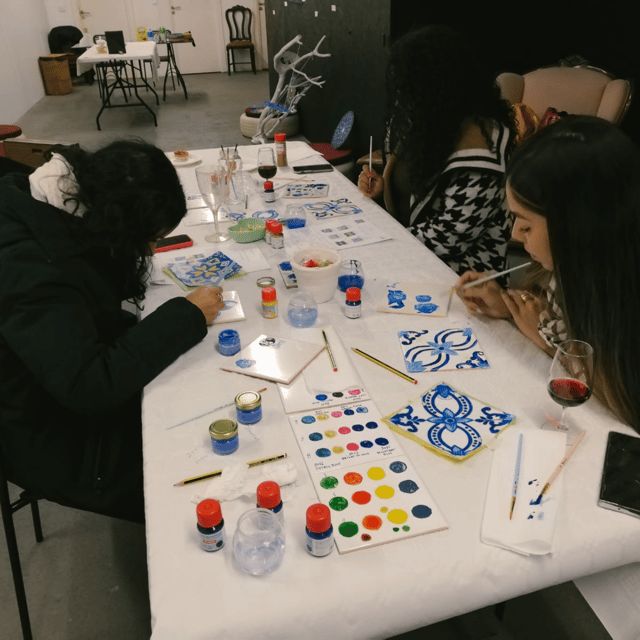
Once you finish painting, your tile is prepared for pickup. Many sessions report that tiles are ready quickly after you complete the artwork—sometimes within about 15 minutes of finishing, and in other cases you’ll have a shorter waiting window (often around one hour) to collect.
In real travel terms, this matters because Porto is a city where your schedule can tighten easily. If you have bus or train plans later, this format tends to fit better than long workshops that take all day. It’s also a relief that you don’t have to rush the painting to get out of the studio.
If you want to plan your day: treat the tile as your anchor activity, then build the rest of your Porto time around it—wander nearby after, or grab lunch and keep moving. The class itself stays focused, so you don’t lose the day to logistics.
Who This Workshop Fits Best and Who Might Skip It
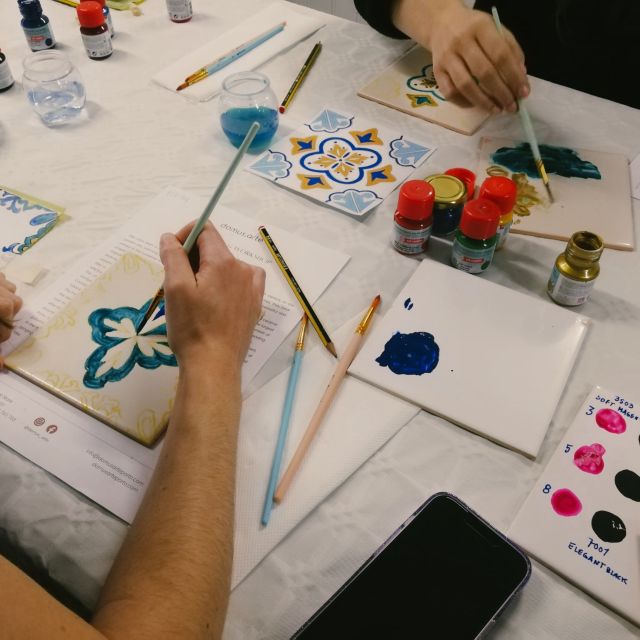
This is a great choice if you want a break that feels meaningful. It suits:
- Solo travelers who want an easy social activity without forcing conversation
- Couples and friends looking for something hands-on
- Families who want a calm, guided creative task
- People who feel awkward about “craft time” and want structure
It’s especially good if you’re the type who notices tilework while sightseeing and thinks, I want to understand how that’s made.
You might consider skipping if you’re trying to maximize output. You’ll paint one ceramic tile. Some people would love more pieces or more time; the class is designed to be manageable and finishable in the 2-hour window.
Also note: pets are allowed. Smoking is not allowed indoors. Children under 3 aren’t suitable for this activity.
Practical Tips to Get the Best Experience
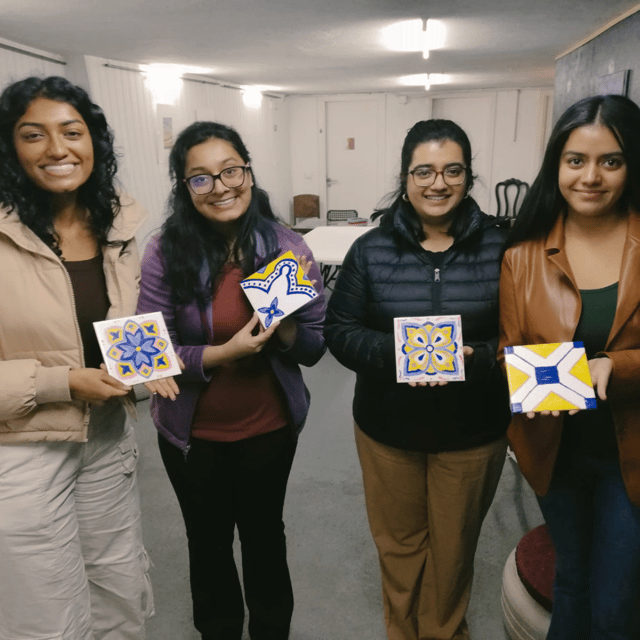
A few small things can make the class feel even better:
- Pick a pattern that genuinely interests you. You’ll enjoy the result more when the design feels like you.
- Don’t overthink perfection. The instructor coaching is about finishing confidently, not producing museum-level ceramic art.
- If you’re nervous, aim for a “do my best for 2 hours” mindset. The process is set up to guide you through it.
- Ask questions during the history part. The azulejo context makes the painting choices click faster.
And if you’re visiting with a stroller or wheelchair needs, there’s a second Domus Arte location that’s accessible for wheelchairs and strollers—worth checking before you go so you end up at the right spot.
Should You Book This Porto Tile Painting Workshop?
I’d book it if you want a hands-on Porto experience that connects directly to what you’re seeing in the streets. The combination of beginner-friendly teaching, a real azulejo history orientation, and a take-home tile makes this feel like good value—not a tourist craft trick.
You should also book it if you enjoy calm, guided activities where the result looks good because the process is supported. The drinks and snacks add comfort, and the instruction keeps you from getting stuck.
If you only want to look at art and not make it, skip it. But if you want a souvenir with meaning, and you’re even slightly curious about Portuguese tiles, this is one of the better “do something” stops in Porto.
FAQ
How long is the tile painting workshop?
It lasts 2 hours.
Do I need any prior painting experience?
No. The workshop is designed so you can participate with no prior experience.
What’s included in the price?
You get an instructor, a ceramic tile, painting materials, a briefing on the history of Portuguese azulejos, and guidance throughout. You also get Port wine, juice, water, coffee, and sweet and savory snacks.
Can I choose my own tile design?
Yes. You’ll receive a white ceramic tile and can choose from a selection of traditional tile patterns. You can replicate one of the patterns or create your own design.
Is the workshop taught in English?
Yes, the instructor speaks English.
Will I be able to take my tile home?
Yes. Your hand-painted tile is provided to take home, and there’s also a box for transport.
How soon can I collect the tile after I finish painting?
Your tile is prepared shortly after you finish. Some sessions report readiness in about 15 minutes, and in other cases there’s about 1 hour of waiting for pickup.
Is it suitable for young children?
It’s not suitable for children under 3.
Are pets allowed and is smoking permitted?
Pets are allowed. Smoking is not allowed indoors.