REVIEW · PORTO
Port Wine class with 3 or 5 Port tasting and pairings
Book on GetYourGuide →Operated by DailyTours · Bookable on GetYourGuide
Port tasting in Porto, no cellar required.
This class keeps things simple and very central: you sit in an intimate shop room in the city, right across from Palácio da Bolsa, then move into a history lesson that actually helps you taste. You’ll learn how Port got invented and how it changed over time, and then you’ll compare three or five Port styles with Portuguese snacks.
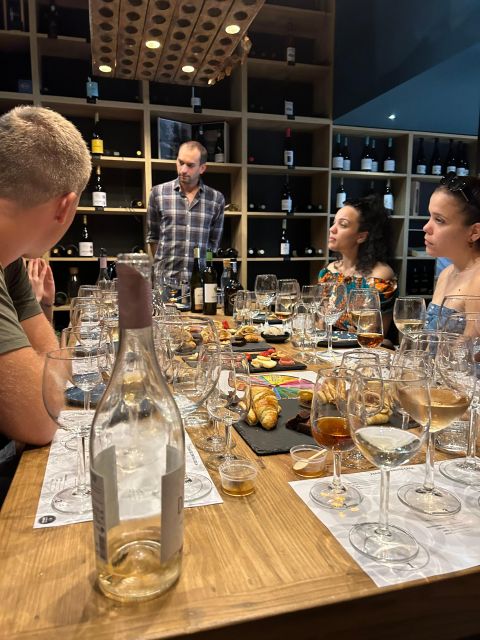
What I really like is the small-group feel (max 10), which makes the tasting feel personal instead of rushed. I also like the way the host pairs each Port with food—olives, fruits, chocolate, cheese, and brownie—because it turns Port from a drink into a flavor lesson you can use later.
One thing to consider: this is not a cellar tour. If you’re hoping for barrels, caves, and a big winery walkthrough, you may feel a bit short-changed by the shop setting (still excellent for tasting, just not a production visit).
In This Review
- Key highlights you’ll feel fast
- City-center Port tasting right by Palácio da Bolsa
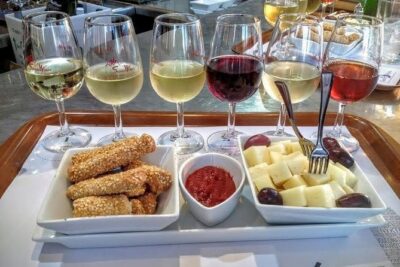
- What you taste: White, Tawny, Ruby Reserve, and LBV
- The class flow: history first, then structured tasting
- Portuguese snack pairings that actually change the taste
- Your host and the small-group energy (Rui, João, Pedro, José)
- Duration, comfort, and what to expect when you arrive
- Price and value: why $23 can feel like more
- Who should book this Port wine class (and who might skip it)
- Should you book this Port tasting in Porto?
- FAQ
- FAQ
- How long does the Port wine class take?
- Is this tasting held in a cellar?
- What Port types are included?
- Where do I meet for the tour?
- What language is the host?
- What group size should I expect?
Key highlights you’ll feel fast
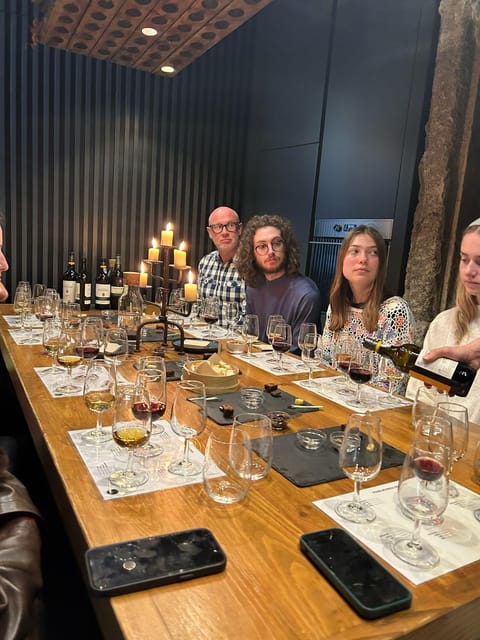
- Central Porto location (across from Palácio da Bolsa) so you don’t waste time getting somewhere
- Real variety in your glass: White Port, Tawny, Ruby Reserve, and LBV (Late Bottled Vintage)
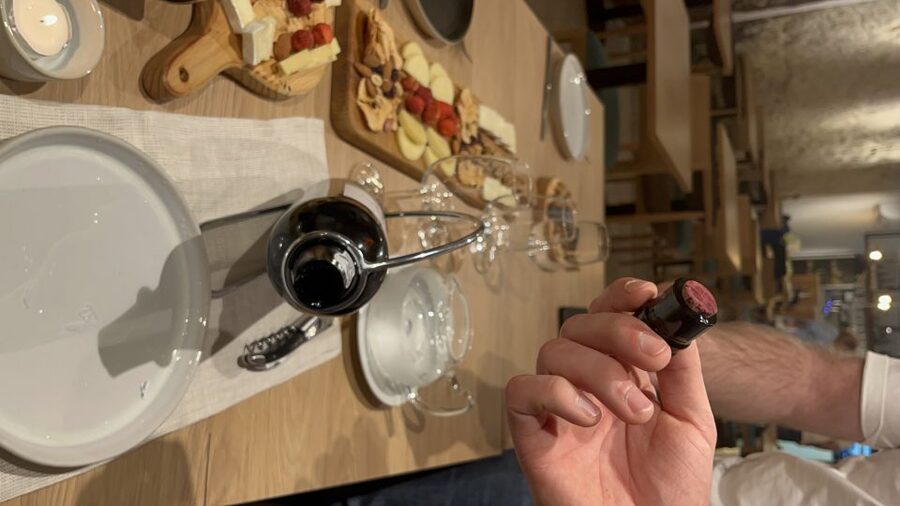
- Food pairings that teach your palate: olives, fruits, chocolate, cheese, brownie
- A tight time plan with room for questions (about 45 min for 3 ports, up to 1h15 for 5)
- Hosts bring humor and energy with English hosting and a fun, interactive group vibe
- Often generous pours plus a surprise moment at the end, depending on the session
City-center Port tasting right by Palácio da Bolsa
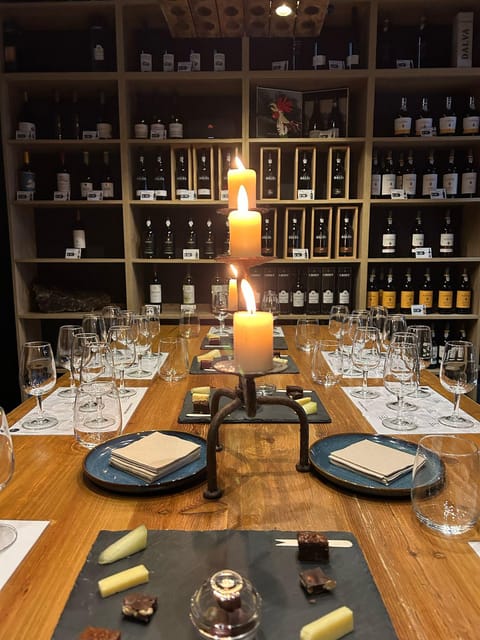
The location is a big deal here. You meet in front of Palácio da Bolsa, in the middle of Porto life, so this works even if your day is already packed with sights, river walks, or a quick Douro-side detour.
Inside, you’re not led into a cavern of barrels. The experience happens in a shop-room setup in the city center, across the street from that landmark building. That matters because it keeps things comfortable and easy—especially if you’re visiting in warmer months and want a break from the streets.
Also, you’re not stuck with a wall of strangers. With groups capped at 10, and sometimes even smaller, you can ask questions and actually hear the answers. For solo travelers, that small-group size is one of the cleanest ways to meet people without feeling trapped in a loud crowd.
You can also read our reviews of more food & drink experiences in Porto



What you taste: White, Tawny, Ruby Reserve, and LBV
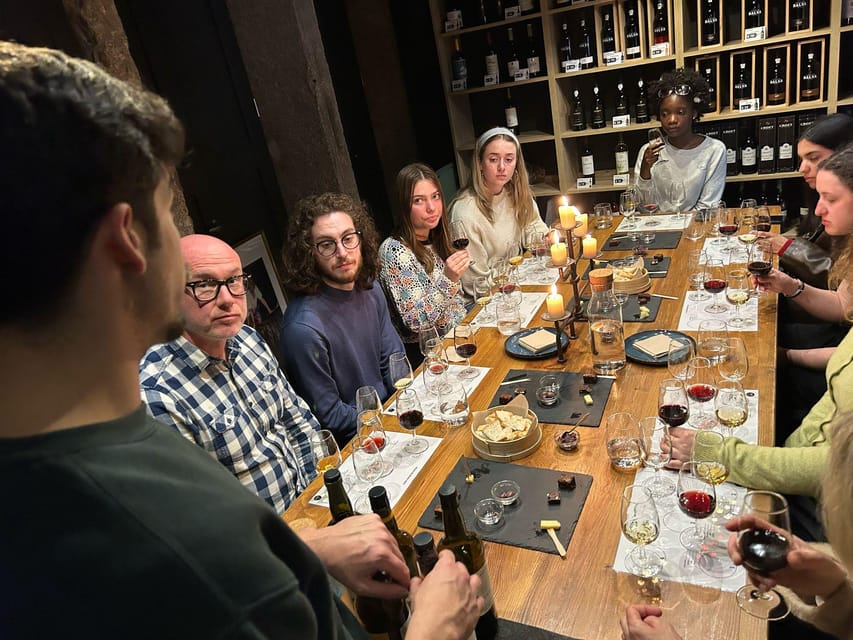
You’ll choose between 3-port and 5-port options. The five-port option is the one that gives you the full comparison set, while the three-port option gives you a faster taste route through the Port world.
Here’s what’s included in the tasting set:
- White Port (2 types)
- Tawny Port (1 type)
- Ruby Reserve Port (1 type)
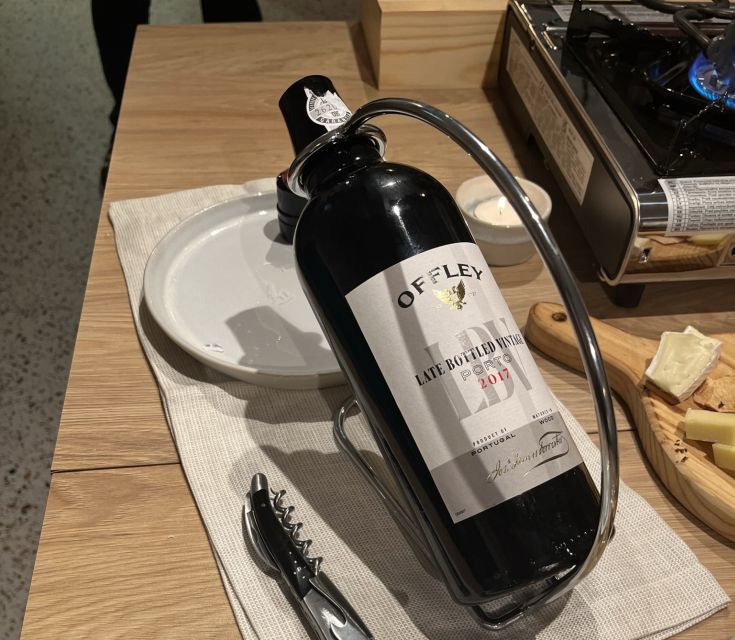
- LBV (Late Bottled Vintage) Port (1 type)
For the 5-port option, expect all of the above. For the 3-port option, you’ll taste three Port types selected from that set, so you still get variety, just not the full sweep.
How to think about the styles (in plain terms):
- White Port tends to feel lighter and fresher on the palate. It’s a good starting point if Port usually feels too sweet or heavy to you.
- Tawny often shifts toward nutty, caramel-leaning aromas as it ages. It’s the one people usually remember if they like mellow, layered flavors.
- Ruby Reserve tends to stay fruit-forward. If you like a punch of red fruit and a more direct taste, this is often the style that scratches that itch.
- LBV is a Port category that can feel like a middle ground—still rich and structured, but with a “ready to drink” vibe.
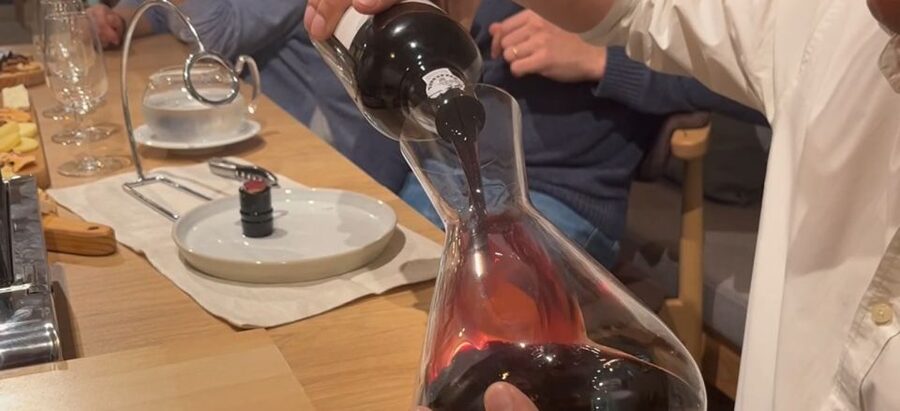
The best part is that you’re tasting them in one sitting. Instead of trying to figure out Port at a shop counter while jet-lagged, you’ll train your palate in context: one style, then the next, with food pairings explaining why the flavors work.
The class flow: history first, then structured tasting
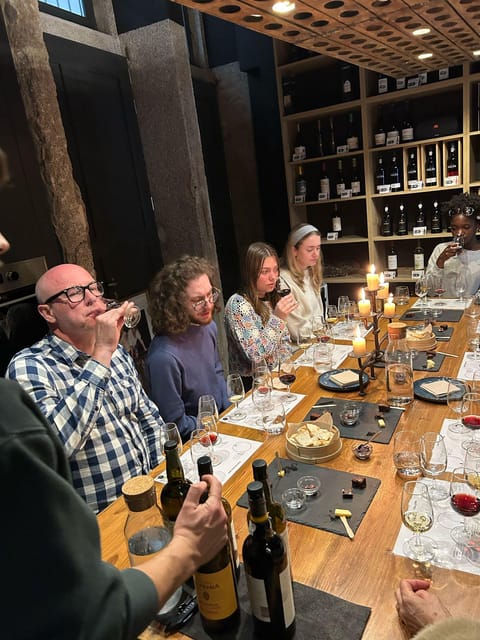
The session starts with context. You’ll learn the story of Port—how it was invented, why it became a lasting tradition, and how it evolved into what you see today. That doesn’t sound like a “fun” plan on paper, but it helps. When you understand what aging and winemaking choices do, you taste with a purpose instead of guessing.
After the intro, the tasting begins. You’ll move through your Port selection with Portuguese snacks designed to match what you’re tasting. The pace is also flexible. The experience is about 45 minutes for the 3-port option, and about 1 hour 15 minutes for the 5-port option, depending on questions.
One practical tip: if you care about learning, ask questions during the tasting, not at the end. The hosts are set up to explain differences in simple terms, and the group size makes it possible to keep the conversation moving.
And yes, there’s often a little extra moment at the end. Multiple sessions mention a surprise ending, and a few notes call out extra pours for favorites. It’s not the main reason to go, but it’s a nice way to end a tasting that already feels generous.
Portuguese snack pairings that actually change the taste
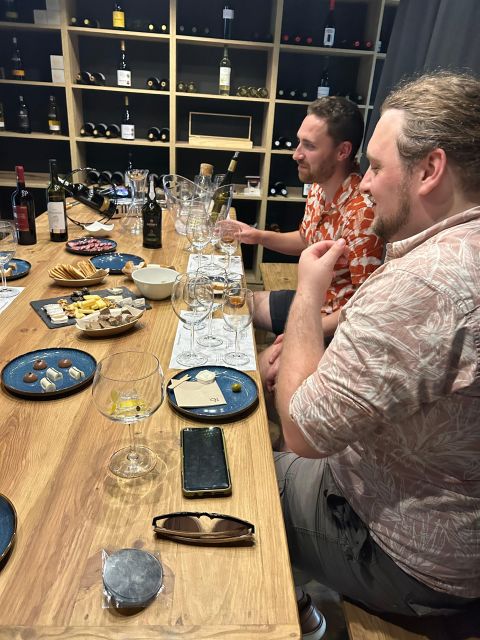
This is not just Port plus random crackers. Your pairings are part of the lesson:
- Olives
- Fruits
- Chocolate
- Cheese
- Brownie
Each pairing is chosen for a reason. For example, olives can bring a salty, briny contrast that makes sweeter Port feel less cloying. Chocolate and brownie add a cocoa connection that often makes fruitier Port styles feel smoother. Cheese gives you savory structure, which can tame sweetness and highlight aroma.
You’ll be guided through how each food interacts with the Port you’re tasting. That’s the kind of detail that turns you into a better taster later, whether you’re buying a bottle in Porto or trying Port back home.
Also, the snacks are presented well enough that you don’t feel like it’s an afterthought. Reviews repeatedly call out the pairing as a strong part of the value, not just a filler.
Your host and the small-group energy (Rui, João, Pedro, José)
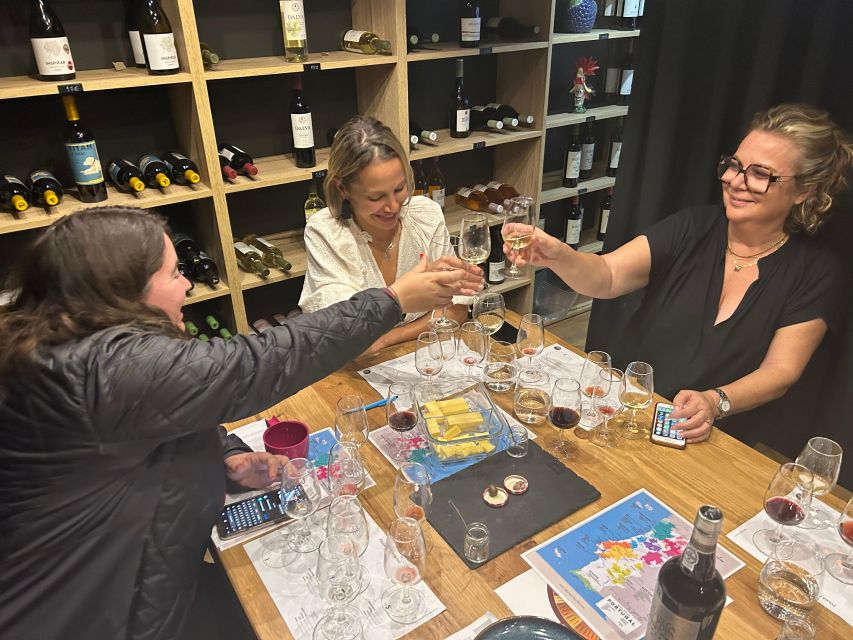
The experience lives or dies by the person leading it, and this one has a strong track record. Many sessions credit the host by name—Rui/Ruan, João, Pedro, and José—and the common thread is that the host keeps things lively while still explaining Port clearly.
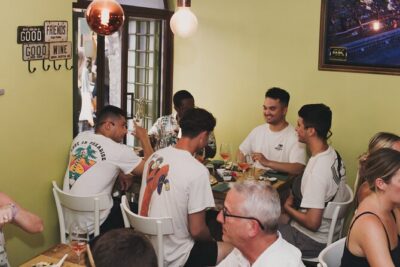
You’ll usually sit at a table with other people, often around 6 or so when the group isn’t tiny. Even then, it doesn’t feel like you’re stuck waiting for someone to finish a monologue. The host tends to involve the group, keep questions flowing, and keep the atmosphere friendly.
A few standout notes mention entertainment beyond the tasting—one session described a follow-up with guitar and singing (fado and flamenco came up in that context). Another mentioned humor and a surprise ending. Even if your session is calmer than that, the overall vibe is playful, not stiff.
So if you’re the type who worries that wine tastings will feel awkward, this format helps. You’re learning, yes—but you’re also hanging out.
You can also read our reviews of more wine tours in Porto
Duration, comfort, and what to expect when you arrive
Plan for about 1 hour to 1.5 hours total. The tasting portions and the pace depend on whether you choose 3 or 5 Ports and how much the group talks.
The setting is comfortable, but it’s still a shop-room environment. One practical note from a review: seating was set up with long benches, and chairs would have been more comfortable for some people. Nothing dramatic, but worth knowing if you have back issues. If you can, wear comfortable walking shoes—you’ll be in the historic center, and you’ll likely do more walking before or after.
You’ll also want to do the simplest possible thing for arrival: find the shop in front of Palácio da Bolsa. The room is in the same building as the tourist office area, and the instruction is to check in at the tourist office so you get directed to the room.
The group limit matters here too. With a max of 10, the host can keep the tasting order and pacing under control. That’s why the experience feels structured instead of chaotic.
Price and value: why $23 can feel like more
At about $23 per person, this isn’t priced like a huge, full-day food-and-wine production. You’re paying for three things:
1) a guided Port history and style comparison,
2) a real tasting set (not just one bottle), and
3) snack pairings that are chosen to match what’s in your glass.
That’s why the small-group size matters for value. You’re not paying for a factory line of tours where you barely speak to the guide. You’re paying for time with an instructor who can explain differences and keep the tastings flowing.
Then there’s the option question. If you have time and you like the idea of real comparison, the 5-port option usually wins. One reviewer wished they’d picked the 5 instead of the 3, which tells you people often leave wanting the fuller set. If you’re short on time, the 3-port option is still strong because you’ll get a structured start into the Port categories.
If Port is new to you, I’d lean toward the 5. If you already know you like one style—say Ruby fruitiness—and you just want a quick education, the 3-port option can make sense.
Who should book this Port wine class (and who might skip it)
This class is a great fit if you:
- want a high-impact Port experience without leaving Porto’s center
- like guided learning with tasting, not just drinking
- enjoy food pairings as part of the experience
- want a small-group social setting (easy for solo travelers)
You might skip it if you:
- came to Porto specifically for a winery cellar visit and barrel tour
- hate wine history lessons and want only a quick tasting with zero explanation
- need a very formal, silent tasting room vibe
In my view, it’s a perfect “first Port” stop. You get enough Port context to enjoy more of the city after, whether that’s shopping for bottles or tasting again later with better taste instincts.
Should you book this Port tasting in Porto?
If you want a smart, fun way to understand Port in a short time window, book it. This is value-driven: you get multiple Port styles, guided context, and snack pairings that help the flavors make sense. The city-center location also makes it low-stress on a typical Porto itinerary.
If you can, choose the 5-port option when you have the time. The fuller comparison tends to leave people feeling like they truly learned Port, not just sampled a few sips.
FAQ
FAQ
How long does the Port wine class take?
The session runs about 1 hour to 90 minutes. The 3-port option is typically shorter, while the 5-port option takes a bit longer.
Is this tasting held in a cellar?
No. It takes place inside a shop-room setting in Porto city center, not in a cellar.
What Port types are included?
The tasting set includes White Port, Tawny Port, Ruby Reserve Port, and LBV (Late Bottled Vintage) Port. The 5-port option includes all of them, while the 3-port option includes three of the available types.
Where do I meet for the tour?
Meet at the shop located in front of Palácio da Bolsa. There’s also check-in guidance to confirm the room location at the tourist office in the same building.
What language is the host?
The host/greet is in English.
What group size should I expect?
It’s a small group experience with a maximum of 10 participants.