REVIEW · PORTO
Porto: Pastel de Nata Cooking Class with Port Wine – Sé
Book on GetYourGuide →Operated by Domus Arte · Bookable on GetYourGuide
A warm egg tart lesson in Porto? It’s a fun way to learn real technique fast, not just watch. You’ll work step-by-step with hands-on instruction, master the custard and baking process, and even get the Pastel de Nata history in a short, clear intro.
What I like most is how inclusive it feels: everyone takes turns, and the workshop is built for shared participation without making you feel lost. One thing to plan for though: the puff pastry is already prepared, since the full dough process takes hours.
In This Review
- Key highlights I’d prioritize
- Domus Arte: where the Pastel de Nata class happens near Porto’s core
- What you actually cook: custard, assembly, and baking (with puff pastry prepped)
- The step-by-step method that makes the class feel doable
- The oven wait: port wine, snacks, and a room that stays social
- The short history and the Porto food tips you can use
- Take-home results: what you receive, plus the recipe package
- Price and time: is $41 worth it for a 1.5-hour Porto workshop?
- Who this Pastel de Nata class suits best (and who should think twice)
- Practical tips before you go
- Should you book this Pastel de Nata cooking class in Porto?
- FAQ
- How long is the Pastel de Nata cooking class in Porto?
- Where does the class meet in Porto?
- What’s included in the price?
- Do I get to take food home?
- Is the puff pastry made during the class?
- What language is the instruction?
- Are dietary options available?
- Is the class suitable for young children or wheelchair users?
Key highlights I’d prioritize
- You actively assemble and bake your own Pastéis de Nata, with continuous technical guidance
- Custard technique matters here, and you’ll get the know-how to recreate it at home
- A quick, accessible history of Pastel de Nata links the snack to Portugal’s broader food story
- Port wine plus snacks turn waiting-for-the-oven moments into a relaxed social break
- Take-home packaging is included, so your tarts travel better (and taste better later)
Domus Arte: where the Pastel de Nata class happens near Porto’s core
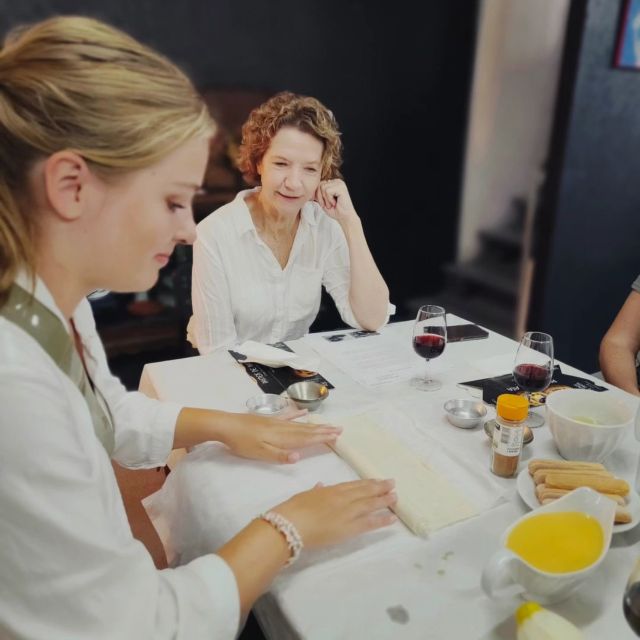
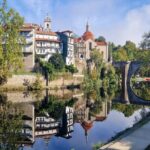
Your workshop base is Domus Arte, in downtown Porto near Porto Cathedral and close to São Bento station. That matters because it keeps this experience easy to fit into a sightseeing day. You’re not heading out to the edge of the city, and you can pair it naturally with a morning of old streets and a later coffee stop.
The space itself is aimed at handmade products, workshops, and art exhibitions, so it doesn’t feel like a random kitchen in someone’s basement. Expect a calm, shop-like atmosphere that still turns practical when class starts.
If you’re curious, you’ll also find the workshop is led in English, with instructors who keep things moving and explain what you’re doing as you do it. Reviews consistently point to guides like Teresa/Theresa and Luis/Luis-style instructors who make the room feel friendly and guided.
You can also read our reviews of more cooking classes in Porto

What you actually cook: custard, assembly, and baking (with puff pastry prepped)
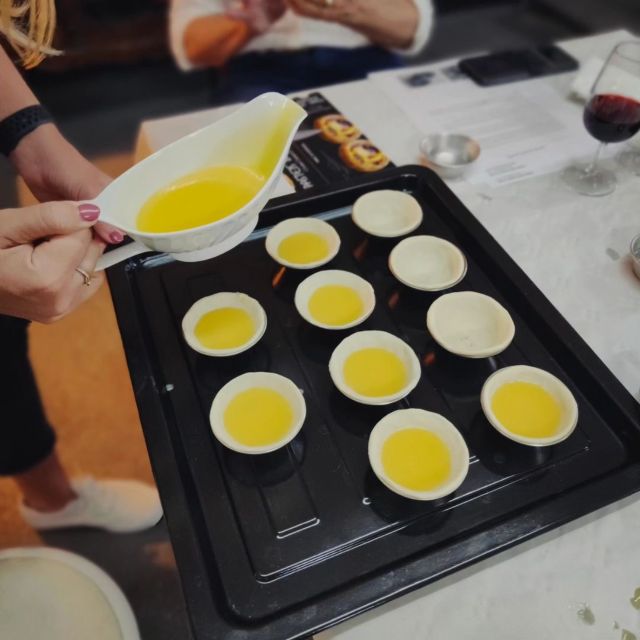
Here’s the honest breakdown of the cooking part. You’ll focus on two key parts of Pastel de Nata: the custard filling and the baking process. The puff pastry is pre-prepared for timing, because the full pastry-making timeline is long and needs hours to develop.
For a lot of people, this is exactly what makes the class worth it. You’re not paying to sit around while someone else does the hardest waits. Instead, you get to practice the parts that determine quality in the final tart: filling texture, the pour, the bake, and that classic outcome you’ve tasted in Lisbon and Porto bakeries.
You’ll also receive a house-made recipe to recreate it at home. That’s a big deal, since homemade pastel de nata is one of those things people try and then get frustrated when the result isn’t close. Having a recipe tailored to this technique is the difference between experimenting and succeeding.
One practical consideration: if you hoped to make the puff pastry dough from scratch in the workshop, you won’t. The class gives you the path for the whole project, but the pastry dough step is handled in advance.
The step-by-step method that makes the class feel doable
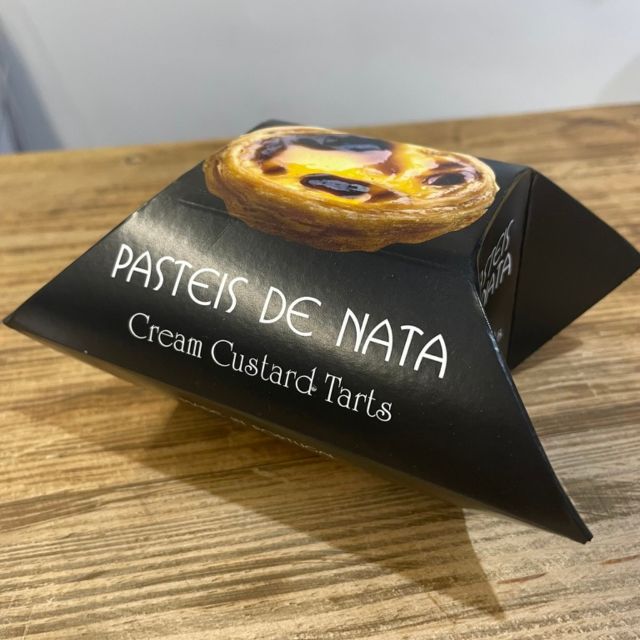
The workshop is built around active turns. You’re not just watching a demo. People in your group take turns at different stages under close guidance, which is great if you’re traveling alone or if you don’t want to feel like you’ll miss your chance.
What you’ll learn in practice:
- How to handle the filling so it stays smooth and properly mixed
- How to fill the pastry cups consistently (not too much, not too little)
- How the baking stage transforms the custard into that signature set top
You’ll also hear little technique cues while you’re working, the kind that you’d normally only learn after ruining a batch at home. Reviews mention an easy, almost error-proof approach and instructors stepping in when needed. Even if you’re not a confident baker, the workshop aims for progress, not perfection.
And because you’re making multiple Pastéis de Nata, you get repetition. That repetition matters for timing and confidence. One tart is practice; a few tarts becomes skill.
The oven wait: port wine, snacks, and a room that stays social
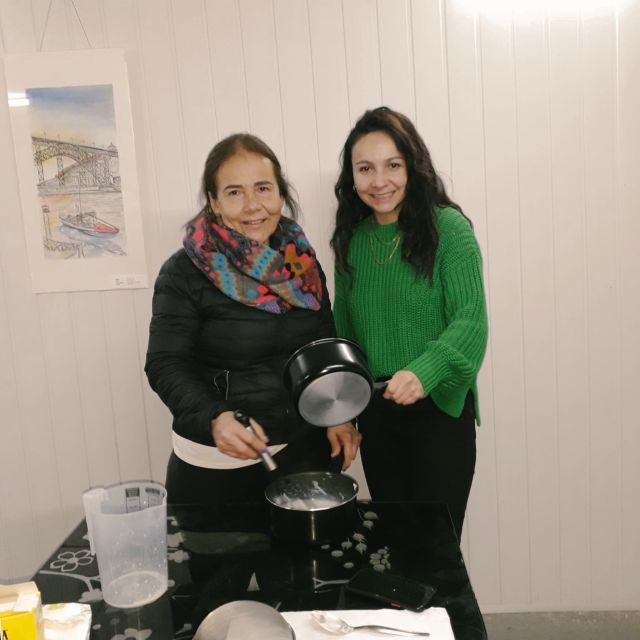
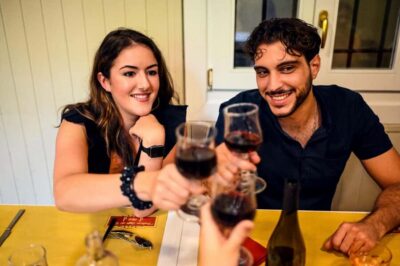
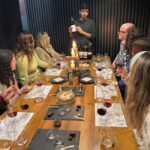
Once your tarts are in the oven, you’re not left in silence. You’ll have port wine, plus juice, water, coffee, and a selection of sweet and savory snacks in a relaxed setting.
This sounds like a small perk until you’ve experienced classes where the best conversation happens only before things start and after things end. Here, the drink-and-snack rhythm fills the in-between moments so you can talk with other people, ask questions, and actually enjoy the time while you wait for baking results.
Port wine is also a nice Porto touch. It ties your dessert education to local culture in a way that feels natural, not like a forced pairing.
The short history and the Porto food tips you can use

The class includes a brief introduction to the history of Pastel de Nata—from its origins in Lisbon to how it became one of Portugal’s most famous pastries.
This matters for two reasons. First, it helps you understand why the dessert spread and why it became a national obsession rather than staying a single-region specialty. Second, it gives you language and context for talking about the pastry when you’re eating it around Porto.
You’ll also get local food tips from a Porto expert. The exact recommendations vary by instructor, but the value is the same: you leave with suggestions that fit real eating patterns in the city, not just the generic list of what every website repeats.
You can also read our reviews of more wine tours in Porto



Take-home results: what you receive, plus the recipe package
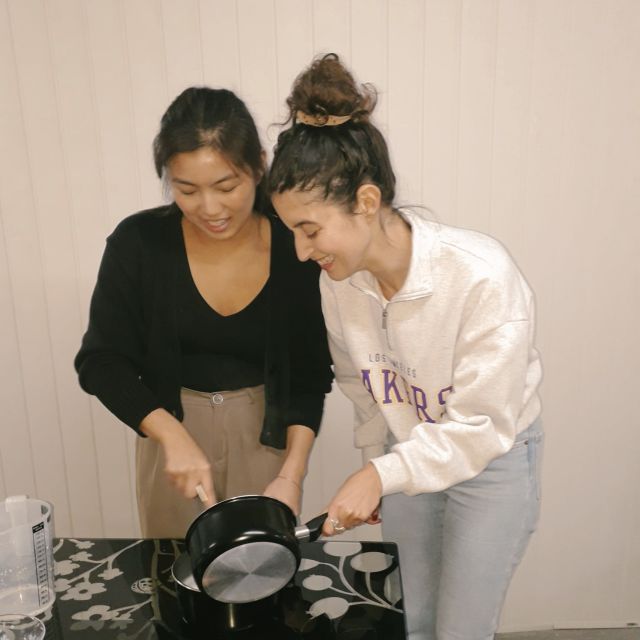
You’ll make several Pastéis de Nata during the workshop. You can eat some on site, and you can take the rest home.
You’ll also get:
- A paper transport box to take your pastries away
- An exclusive recipe for the tarts and the puff pastry
The box seems like a minor detail until you’ve tried to pack fragile pastries without the right container. Getting a dedicated box means your work doesn’t collapse into a custard mess halfway to your next stop.
At home, the recipe is what turns this from a fun afternoon into a skill you can repeat. Multiple reviews mention that the recipe is easier to follow than expected, and some even include guidance on variations—so you’re not stuck making the exact same thing forever.
Price and time: is $41 worth it for a 1.5-hour Porto workshop?
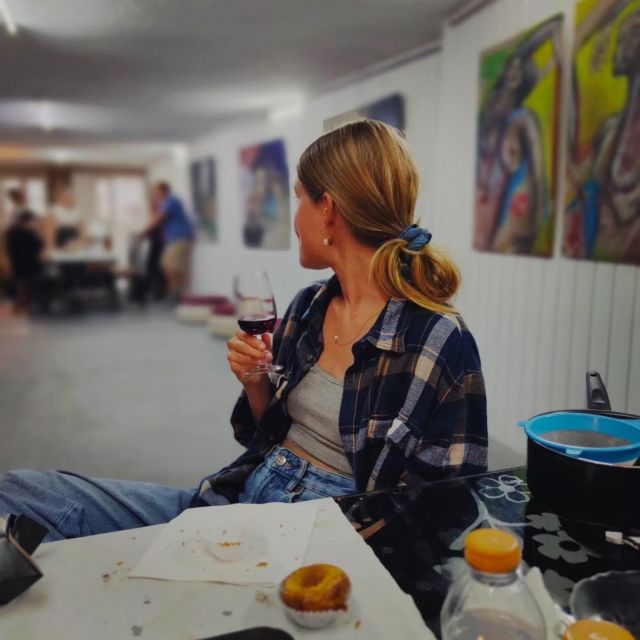
$41 for a 1.5-hour class sounds simple, but the value comes from what’s included. You’re paying for:
- All ingredients
- Instructor guidance in English
- Drinks (port wine, juice, water, coffee) and snacks
- Multiple pastries you can eat and take home
- A take-home recipe for both the tarts and the puff pastry
- A transport box
If you compare that to paying for a single dessert and then trying to guess the method at home, the workshop wins on practicality. You’re buying technique, repeatable steps, and a successful result you can trust—plus local Porto flavor with the port wine.
The time is also efficient. You get enough work to feel like you did the real job, and you still have a full evening open for Porto. It’s a strong option when you want a hands-on experience without sacrificing the rest of the day.
Who this Pastel de Nata class suits best (and who should think twice)
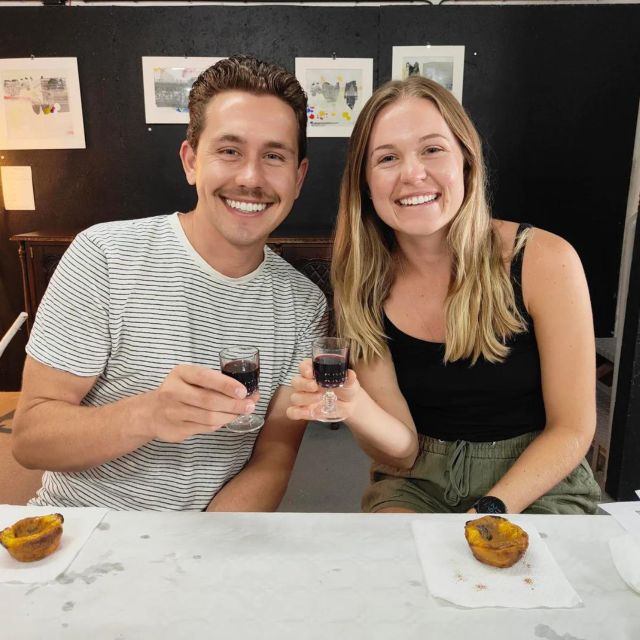
This is a great fit for:
- First-timers in Portuguese baking who want guidance, not a “watch only” experience
- Couples and solo travelers who want conversation while cooking
- Families with older kids and adults, since it’s designed as an activity that can get all ages involved
It’s also smart if you’re short on time. With a focused 1.5-hour format and a location near major sights, it’s easy to plan around.
Who should think twice:
- If you want to make every pastry component from scratch, remember the puff pastry is pre-prepared
- The workshop is listed as not suitable for wheelchair users
- It’s not for children under 3 years
Pets are allowed, which can be helpful if you’re traveling with a non-human companion and want fewer boarding hassles.
Practical tips before you go
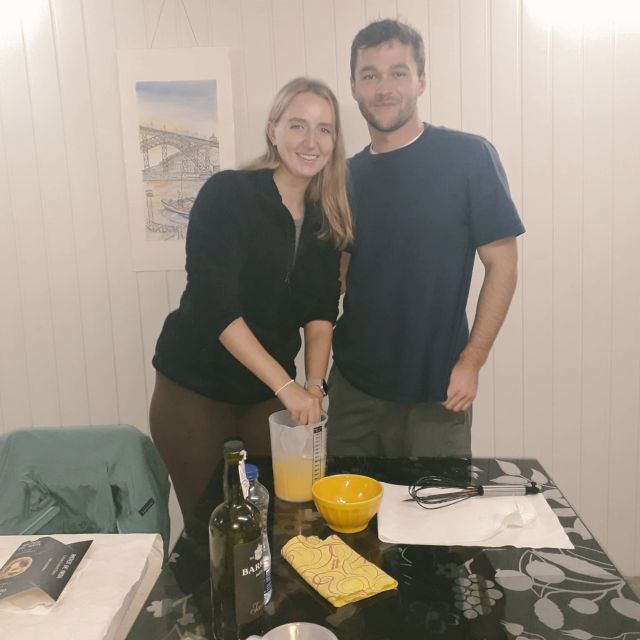
A few small details can make your class go smoother:
- Plan to arrive a bit early so you’re not rushing into apron time near Porto’s cathedral area
- Wear clothes you don’t mind getting a little kitchen life on them, since you’ll handle ingredients while learning technique
- If you need lactose-free, gluten-free, or vegan options, request them ahead of time. Advance notice is required for proper preparation
- Smoking indoors is not allowed
Also, the class is stroller accessible. Domus Arte has a second location that’s wheelchair accessible and stroller accessible, but the workshop itself is listed as not suitable for wheelchair users—so it’s worth checking directly if mobility needs are part of your planning.
Should you book this Pastel de Nata cooking class in Porto?
If you want a hands-on Porto experience that feels local, social, and actually useful later, I think this is a strong booking. The key reason: you’re not just getting a history lesson or a pastry tasting. You’re learning the custard and baking process with step-by-step coaching, then taking home both pastries and an exclusive recipe.
Book it if:
- You love Portuguese food and want to understand the technique behind the classic
- You want a smooth, interactive activity that works for different ages
- You’d rather leave with a skill you can repeat than only a souvenir
Skip it if:
- You’re specifically chasing the full puff pastry dough-making process from scratch
- Mobility or age limits apply for your group
FAQ
How long is the Pastel de Nata cooking class in Porto?
The workshop lasts about 1.5 hours.
Where does the class meet in Porto?
It takes place at Domus Arte in downtown Porto, near Porto Cathedral and São Bento station.
What’s included in the price?
Drinks (port wine, juice, water, coffee), a selection of snacks, all ingredients, a paper box to take your pastries home, and an exclusive recipe for the tarts and puff pastry.
Do I get to take food home?
Yes. You’ll take pastries away in a transport box, and you’ll also receive a recipe to recreate them at home.
Is the puff pastry made during the class?
No. The puff pastry is pre-prepared, and the class focuses on the custard filling and the baking process.
What language is the instruction?
The instructor teaches in English.
Are dietary options available?
Lactose-free, gluten-free, and vegan options are available upon request, but you need to give advance notice for confirmation.
Is the class suitable for young children or wheelchair users?
It’s not suitable for children under 3 years and it’s listed as not suitable for wheelchair users. It is stroller accessible.