REVIEW · FLORENCE
Florence: Pasta & Tiramisu Cooking Class with Unlimited Wine
Book on GetYourGuide →Operated by Ristorante Rossocrudo · Bookable on GetYourGuide
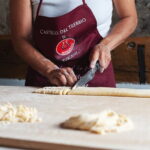
Pasta dough in your hands changes everything. This Florence class is a hands-on way to learn fresh pasta and tiramisu with a steady, beginner-friendly chef flow.
I really like that you’ll shape both ravioli and pappardelle yourself, not just watch it happen. And I love the food-to-wine ratio here: you make the dishes and then you get to taste them with unlimited regional wine.
One consideration: since wine is free-flow, you may want to pace yourself if you’re planning to walk around Florence right after.
In This Review
- Key highlights worth your time
- Fresh pasta and tiramisu, done the practical way
- The class flow: kneading, rolling, shaping, then building tiramisu
- Step one: pasta dough basics (knead and roll)
- Step two: ravioli and pappardelle, both made by you
- Step three: tiramisu from scratch (the layers)
- The eating portion: your work becomes the meal
- Unlimited wine: a fun bonus that changes the whole vibe
- Small-group teaching that keeps beginners on track
- Where the class feels authentic: local ingredients and real technique
- What you get besides the food: Wi-Fi, water, and take-home recipes
- Value check: is $35 worth 2.5 hours?
- Who should book this class, and who might pass
- Tips to get better results (and enjoy the class more)
- Timing, meeting point, and languages: what to plan for
- Should you book Florence Pasta & Tiramisu?
- FAQ
- How long is the Florence Pasta & Tiramisu Cooking Class?
- How much does it cost?
- What food will I learn to make?
- Do I need any cooking experience?
- Is wine included?
- What languages are the instructors speaking?
- What should I bring?
- What is included in the class?
- Can I cancel for a refund?
- Is it wheelchair accessible?
Key highlights worth your time
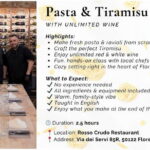
- You make the pasta dough: knead, roll, and shape until it looks like real Italian handiwork.
- Two pasta styles: ravioli (stuffed pockets) and pappardelle (wide ribbons).
- Tiramisu from scratch: you build the layers yourself, not from a shortcut.
- Unlimited regional wine: it keeps the mood relaxed while you cook.
- Small groups and named teachers: classes can run with different instructors like Lucella, Andrea, or Leo.
- Take-home recipes: you leave with written instructions so you can repeat it at home.
Fresh pasta and tiramisu, done the practical way
Florence is great at romance. This cooking class is great at results. In about 2.5 hours, you’ll work through the key steps for both handmade pasta and Italian tiramisu, with a chef who guides you so your hands keep up with the plan.
The best part is that you’re not just learning a recipe. You’re learning the feel: how dough should behave when you knead it, how thin you can roll it without tearing, and how to shape pasta so it cooks properly. That skill matters later when you try to recreate it at home and realize the magic wasn’t luck.
And since the class includes unlimited regional wine, the whole thing feels like an easygoing evening meal rather than a strict class. It’s social without being chaotic, and it’s the kind of activity that works even when the weather doesn’t cooperate.
You can also read our reviews of more cooking classes in Florence
The class flow: kneading, rolling, shaping, then building tiramisu
The cooking plan is straightforward, and that’s why it works for beginners. You start with the dough and build momentum step by step, so you’re never stuck feeling lost.
Step one: pasta dough basics (knead and roll)
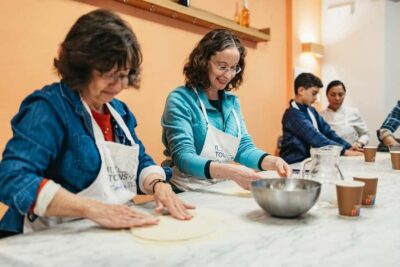
First comes the dough. You’ll knead until it smooths out, then roll it out. This is where most people’s confidence starts. The chef’s job is to help you understand what you’re looking for—rather than memorizing a list of instructions.
You’ll learn how thickness affects texture and cooking, and you’ll get a sense for how much flour is helpful versus how much turns the dough dry. If you’ve ever bought fresh pasta and thought it tasted better than anything you can do at home, this is the moment you’ll understand why.
Step two: ravioli and pappardelle, both made by you
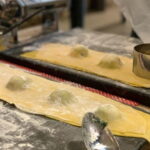
Then you’ll switch gears into shaping. You’ll make ravioli—small folded pieces that cook into tender, filled portions. You’ll also create pappardelle, those wide ribbon noodles that feel fancy but are actually very satisfying once you’ve rolled the dough properly.
Two pasta types in one session is smart. It teaches you two different outcomes from the same core dough skills. And it gives you a bigger “I did this” payoff when you sit down to eat.
Step three: tiramisu from scratch (the layers)
After the pasta work, you’ll move into tiramisu. The focus here is building the dessert properly from components and layering them in the right sequence. You’ll get hands-on time with the assembly, so it doesn’t feel like you’re standing around while someone else does the delicate part.
This is also a great counterbalance to the heavier pasta work. Tiramisu feels lighter and more rewarding, and it’s a dessert you’ll actually remember because you made it with your own hands.
You can also read our reviews of more wine tours in Florence
- Tuscany Day Trip from Florence: Siena, San Gimignano, Pisa and Lunch at a Winery
★ 5.0 · 21,634 reviews

The eating portion: your work becomes the meal
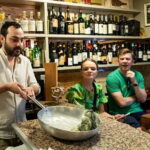
Once everything is cooked and assembled, you eat. At that point, the class stops being about technique and becomes about enjoyment. That’s when it really clicks: you made the meal, then paired it with regional wine, and you’re sharing it with your group.
Unlimited wine: a fun bonus that changes the whole vibe
Yes, wine is included, and it’s unlimited. That matters more than you might think.
It makes the class feel relaxed. You’re not racing the clock because the mood is easier, and the chef instruction tends to flow better when everyone’s comfortable. It also helps explain why this class is popular as a social activity, including for families.
Practical note: unlimited wine doesn’t mean you should sprint through steps faster. Dough and timing still matter. If you’re sensitive to alcohol, pace yourself with water (included) and consider drinking slower during mixing and shaping.
Also, if you plan to go out afterward, you’ll want comfortable shoes and a quick plan for your evening transport. (You’ll likely be doing a decent amount of standing and moving around a kitchen.)
Small-group teaching that keeps beginners on track
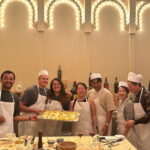
This class welcomes all skill levels, and the teaching style is the real engine behind the results. The chefs are known for step-by-step instructions, and you’re in an intimate setting where questions are easy to ask.
In some sessions, the group may break into smaller sections. That’s actually a good sign if you want more personal attention during the most delicate parts—rolling thin dough and getting ravioli sealed right.
You may be taught by different chefs; names that come up include Lucella, Andrea, and Leo. What ties them together is clear coaching: they focus on what your hands should do next, not just what you should read or memorize.
If you worry you’ll embarrass yourself with dough, don’t. Pasta dough is forgiving in the early stages, and the chefs build your confidence by correcting small things quickly—like consistency and thickness—before you spiral.
Where the class feels authentic: local ingredients and real technique
This experience leans into real Italian habits. You’ll use fresh, high-quality local ingredients, and the chefs don’t only hand you a recipe card. They also share context about the origins and cultural meaning of what you’re making.
Even if you care less about the stories, the context helps you cook with intention. You’re not just copying steps; you’re understanding why the steps exist. That’s what makes the difference between a one-time “wow” meal and a dish you can repeat at home.
And that’s the practical value: you’ll leave with the skills and assurance to recreate pasta and tiramisu later, rather than keeping the experience locked in a memory.
What you get besides the food: Wi-Fi, water, and take-home recipes
You’re not paying only for the cooking. The class includes cooking ingredients and equipment, plus water and Wi-Fi. That means you can focus on the work instead of juggling supplies.
Most importantly, you’ll get detailed recipes to take home. That’s how you turn a cooking class into a repeatable skill. Written instructions help when you get home and want to recreate the same results without guessing.
If you’ve ever tried to remember a pasta technique from a restaurant, you know how quickly details disappear. Having a recipe plus your fresh “feel” for dough makes it much easier.
Value check: is $35 worth 2.5 hours?
At $35 per person, this class looks affordable on price alone, but the real question is whether it’s a bargain for what you actually do.
Here’s the value logic:
- You get a professional chef and hands-on coaching.
- You use ingredients and equipment provided for you.
- You make multiple items: pasta (two forms) and tiramisu (from scratch).
- Wine is unlimited, which effectively raises the “included meal” side of the experience.
- You also get recipes and water, plus Wi-Fi.
For a first-time cook, paying for mistakes and learning time usually costs more than this. This pricing gives you a structured path to learn technique you’d otherwise spend trial-and-error time on.
If your goal is a quick snack tour, this isn’t that. If your goal is skills, a real meal, and a social evening with alcohol included, the price starts to make a lot of sense.
Who should book this class, and who might pass
This is a strong fit if:
- You’re a first-timer who wants clear guidance.
- You want an activity that doubles as dinner.
- You like social meals and meeting people in a relaxed setting.
- You enjoy wine and don’t mind that the vibe is convivial.
It may be less ideal if:
- You prefer totally alcohol-free experiences. (Wine is unlimited and central to the atmosphere.)
- You want a quiet, museum-like experience. This is hands-on and collaborative.
- You have very limited time or want a fast stop. It’s 2.5 hours, and it takes time to work dough and build desserts properly.
Families can also be a good match. One of the appeals here is that the class format supports different comfort levels, and the smaller-group structure helps keep the experience manageable.
Tips to get better results (and enjoy the class more)
Bring comfortable shoes. Even if you don’t spend all day standing, you’ll still be moving around a kitchen setup and focusing on your station.
If you’re prone to overthinking, don’t. Pasta dough rewards attention, but not panic. If the chef says adjust, do the adjustment and keep going. That’s how you get to ravioli you’re proud of instead of one stuck step.
And for wine: treat it like a slow pairing, not a sprint. Take breaks between tasks. Drink water when you need it. You’ll taste more and mess up less.
Finally, pay attention when the chef explains consistency and thickness. Those two things are the difference between pasta that feels right and pasta that feels heavy or fragile.
Timing, meeting point, and languages: what to plan for
The class runs for 2.5 hours, and starting times depend on availability. Your exact meeting point may vary depending on the option booked, so check your confirmation when you book.
Language support includes English and Italian, and the instruction is described as accessible for beginners. That matters in a cooking class, where small misunderstandings can become big problems fast. Here, the teaching style is built for clarity.
The experience is also listed as wheelchair accessible, which is great if you need that option. If mobility is a factor for you, it’s worth confirming how the seating and kitchen stations are set up for your specific group.
Should you book Florence Pasta & Tiramisu?
I’d book this class if you want a hands-on Tuscany experience with a real payoff: you’ll make multiple pasta styles, assemble tiramisu from scratch, and eat what you produce with unlimited regional wine. The coaching style and small-group feel are the big reasons it works, especially if you’re new to dough.
I wouldn’t book it if you only want a quick tasting, or if wine makes you uncomfortable. The class vibe is friendly and social, but it’s also a working kitchen moment where steps and timing matter.
If you’re in Florence and you want dinner plus skills you can actually repeat, this is a solid choice. The cost is reasonable for what’s included, and the recipes give you a way to keep the experience going long after the last bite.
FAQ
How long is the Florence Pasta & Tiramisu Cooking Class?
The class lasts 2.5 hours.
How much does it cost?
The price is $35 per person.
What food will I learn to make?
You’ll make fresh pasta (including ravioli and pappardelle) and tiramisu from scratch.
Do I need any cooking experience?
No. The class welcomes all skill levels, including beginners.
Is wine included?
Yes. Unlimited regional wines are included during the experience.
What languages are the instructors speaking?
Instructors provide instruction in English and Italian.
What should I bring?
You should wear comfortable shoes.
What is included in the class?
Included are the professional chef, cooking ingredients and equipment, unlimited regional wines, water, and Wi-Fi.
Can I cancel for a refund?
Yes. You can cancel up to 24 hours in advance for a full refund.
Is it wheelchair accessible?
Yes, the experience is wheelchair accessible.
You Might Also Enjoy

More Wine Tours in Florence
- Tuscany Day Trip from Florence: Siena, San Gimignano, Pisa and Lunch at a Winery
★ 5.0 · 21,634 reviews

More Cooking Classes in Florence

More Tour Reviews in Florence
- Tuscany Day Trip from Florence: Siena, San Gimignano, Pisa and Lunch at a Winery
★ 5.0 · 21,634 reviews