REVIEW · FLORENCE
Cooking Art Brunelleschi with Unlimited Wine
Book on Viator →Operated by I Love Tuscany Tours · Bookable on Viator
Pasta plus wine in a medieval tower. I love the hands-on feel of making fresh pasta from scratch, and I especially like learning sauces like arrabbiata while the chef keeps you moving. One thing to consider: you’re on your feet a good chunk of the class, and a few people note the room can feel loud or busy.
This is also a strong value. For about $35, you get lunch plus a full pasta-making session where you eat what you make, and wine is part of the fun with unlimited Tuscan options and soft drinks.
You’ll start at Via de’ Bardi, 23 r, and the activity ends back there. It’s offered in English, capped at 19 travelers, and you’ll use all the equipment and ingredients—no prep work on your part.
In This Review
- Quick hits before you go
- Inside a 1200s tower: what the setting does for your class
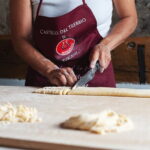
- From flour to ragù: your hands-on pasta workflow
- The sauce lesson: butter and sage, arrabbiata, and Tuscan ragù
- Butter and sage
- Arrabbiata
- Tuscan ragù
- The wine pairing: how the tasting fits into the cooking pace
- Lunch is the payoff: eating what you made
- Price and value: what $35 buys you in Florence
- The human factor: chefs who keep things fun and clear
- Practical tips so you don’t waste time before you start
- Finding the meeting point
- What to bring
- Group size reality
- Noise and room comfort
- Who this pasta-and-wine class is best for
- Should you book Cooking Art Brunelleschi with Unlimited Wine?
Quick hits before you go
- A 1200s medieval tower setting: your cooking class happens inside an old structure, not a generic kitchen.
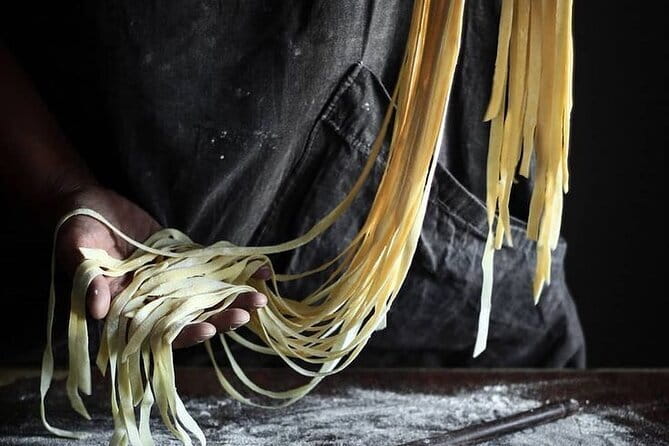
- 3 types of fresh pasta: you’ll make ravioli, tortelli, and pappardelle by hand.
- Matching sauces: expect butter and sage, arrabbiata, and Tuscan ragù in the mix.
- Unlimited Tuscan wine: pairing is part of the rhythm, with red/white wine and unlimited soft drinks.
- Small-group feel: the class can look large outside, but you’re typically split into smaller work groups.
- You eat everything you produce: lunch is included, and the final meal is the payoff.
Inside a 1200s tower: what the setting does for your class
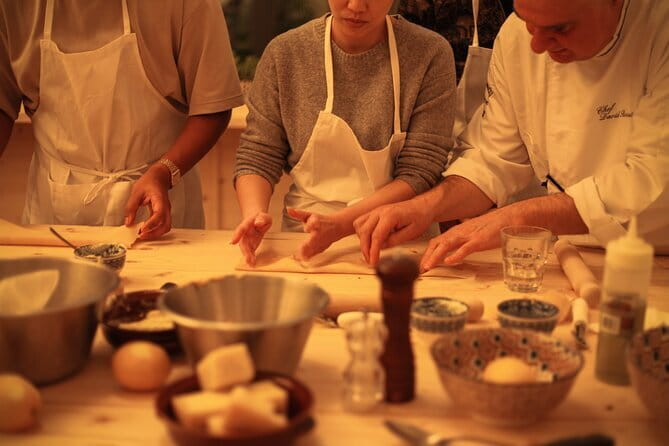
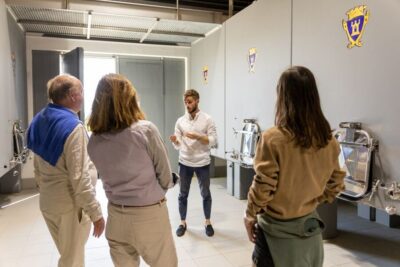
Florence is full of great food, but cooking classes usually happen in rooms that feel… like cooking classes. This one leans into atmosphere: you cook inside a medieval tower dating back to the 1200s. That matters because it changes the tone. It feels more like you’re doing something practical and historical, not just taking a demo.
The room can also be a little “real.” Some people mention the space can be crowded at points and that you may stand for longer than you expect while you work dough and prep. If you’re the type who hates being on your feet for long stretches, plan for that.
Sound is another practical factor. A few reviews note music can be a bit loud, and others mention the acoustics can make it harder to hear. The chef’s job is still to teach clearly, but if you’re sensitive to noise, you might want to stay near the instructor’s side where it’s easier to follow.
You can also read our reviews of more cooking classes in Florence
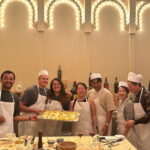
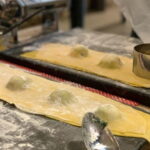
From flour to ragù: your hands-on pasta workflow
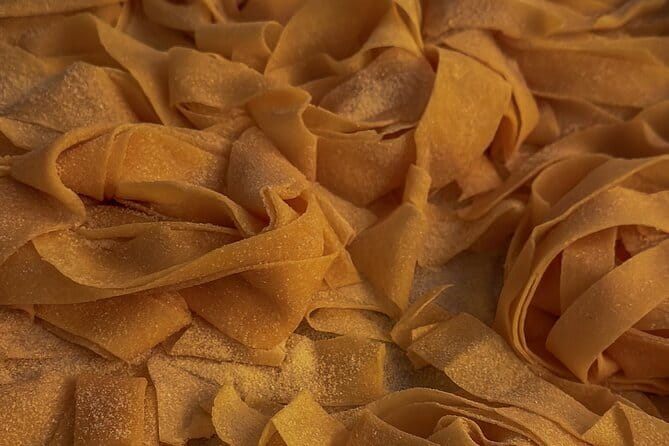
The class is built around a simple promise: you make real Italian pasta from scratch—then you cook it and eat it. The structure is also very straightforward, which is great for first-timers.
You’ll start with the chef selecting seasonal ingredients and products from the Italian territory. That translates into a menu that feels seasonal rather than generic, and it gives you a better shot at repeating it later at home.
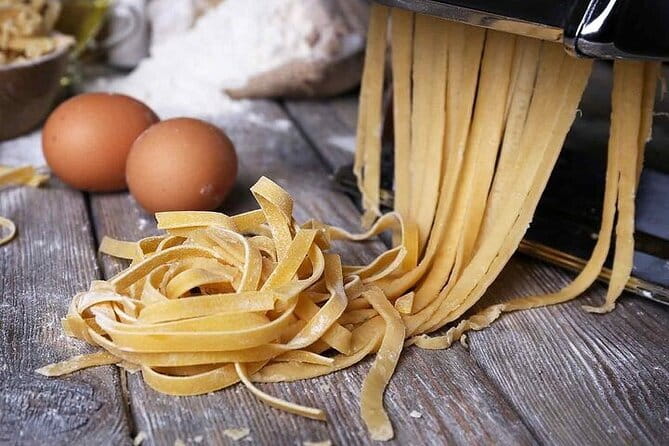
Then comes the main action: you make 3 kinds of fresh pasta. Based on the sample menu, these are:
- Ravioli (served with butter and sage)
- Tortello (served with arrabbiata)
- Pappardelle (served with Tuscan ragù)
While you’re learning the dough and shaping, the chef also works on sauces to match your pasta. The sauces listed are butter and sage, arrabbiata, and old-fashioned Tuscan ragù.
Why this pairing approach is smart: it teaches you what matters for each pasta shape and texture. Thin shapes tend to work differently than wider ribbons, and stuffed pasta changes the way sauce clings. Even if you don’t remember every step later, you’ll remember the idea that pasta isn’t one-size-fits-all.
The sauce lesson: butter and sage, arrabbiata, and Tuscan ragù
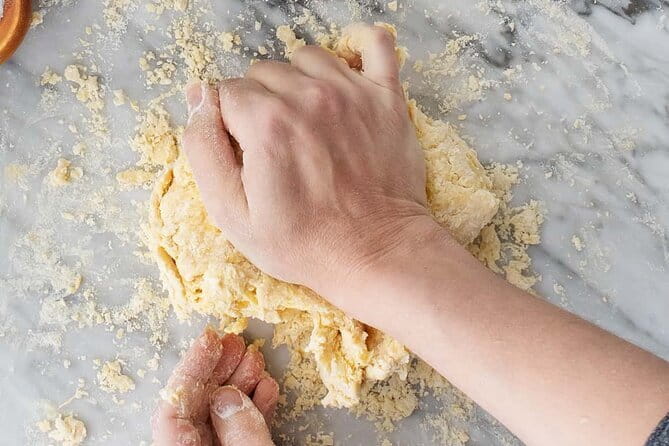
A lot of pasta classes stop at dough. This one treats sauce like a real skill. That’s a big deal because sauce is where store-bought pasta usually falls flat.
Butter and sage
This is the clean, elegant option. It teaches you how a simple sauce can still feel “complete” when you get the balance right. You’re learning technique, not just taste.
Arrabbiata
Arrabbiata is a great teaching sauce because it’s bold and recognizable. You learn how the heat and tomato flavor work together. In the class format, this pairs nicely with the tortelli, where the sauce can land in a more assertive way.
You can also read our reviews of more wine tours in Florence
- Tuscany Day Trip from Florence: Siena, San Gimignano, Pisa and Lunch at a Winery
★ 5.0 · 21,634 reviews

Tuscan ragù
Ragù is the slow-burn. It gives you context for why Italian kitchens take time seriously. You’re not just mixing; you’re seeing how a sauce becomes its own dish, not just a topping.
In several write-ups, people describe the chef as patient and organized while explaining sauces and keeping everyone on track. Some mention that while you’re working on dough, sauces simmer along so the timing lands well. That pacing helps you stay relaxed instead of feeling rushed.
The wine pairing: how the tasting fits into the cooking pace
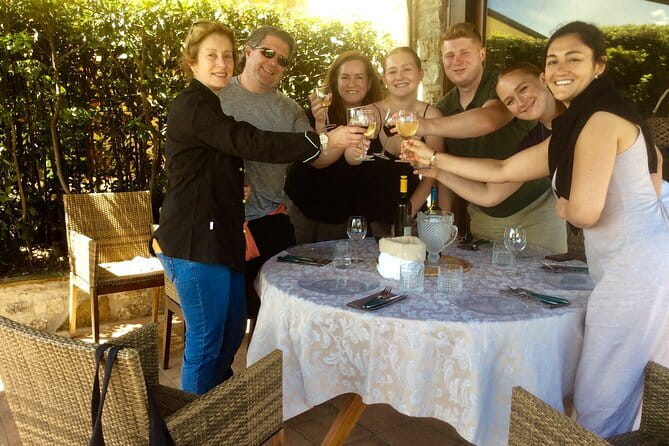
Wine is included, and it’s unlimited. The class offers Tuscan wine during the experience, along with unlimited soft drinks. That’s part of what makes the room feel fun instead of stiff.
Here’s the practical side: in a class like this, wine can either make the experience more enjoyable or make precision harder. Since you’re rolling and shaping dough, you’ll still want to keep an eye on your pace and hand movements. If you drink, do it slowly—take sips between steps, not during the parts where you’re trying to get dough just right.
A lot of people love the combo of pasta-making and wine because it keeps the energy up while you’re working. The key is to treat wine as a companion to the task, not a replacement for focus. When you do that, you get the best of both: learning and laughter.
Lunch is the payoff: eating what you made
The payoff is included. At the end, you eat everything you prepared—ravioli with butter and sage, tortelli all’arrabbiata, and pappardelle with Tuscan ragù.
This is one of those details that sounds obvious until you hit it in real life. Cooking classes that don’t eat with their guests can feel like school. This one turns it into a meal experience, which makes the whole session feel worth the time.
Also, since you’ll be tasting multiple sauces with different pasta types, you get an immediate comparison. That’s useful. It helps you figure out what you personally like and what you might recreate at home first.
Many people say the chef encourages learning in a way that makes it repeatable. Several write-ups also mention recipes provided for taking home, so you’re not left with the “I cooked it once but now it’s gone” feeling.
Price and value: what $35 buys you in Florence
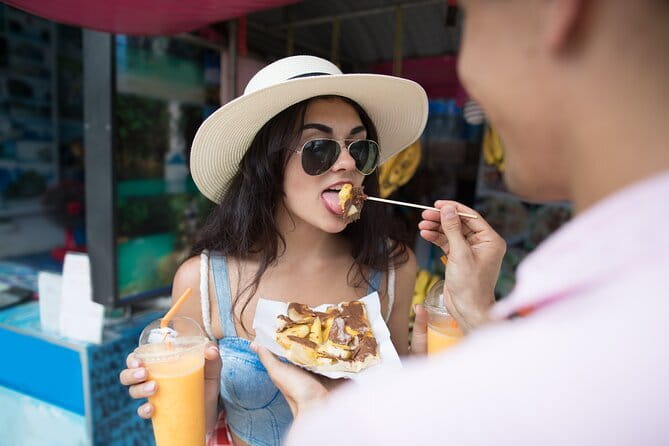
$35.07 isn’t just a “fun activity” price. For this session, your money covers:
- Lunch
- A professional chef
- Ingredients for the fresh pasta course
- All equipment
- Tuscan wine plus unlimited soft drinks
That’s why the value feels strong. You’re paying for ingredients, labor, and the meal you would otherwise have to buy separately. Also, because it’s a small-group format (max 19), you’re not just watching from the sidelines.
In plain terms: if you want to eat a great meal in Florence, you’ll pay. This time you eat a great meal because you made it. That’s the difference.
The human factor: chefs who keep things fun and clear
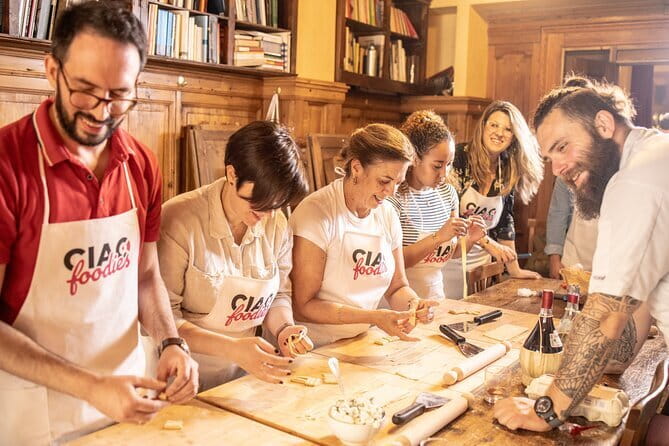
What people consistently praise is the teaching style. Different chefs lead different sessions, but names that show up in feedback include Eduardo, Niccolo, Francesca, Eno, Andrea, Arturo, Jon Marco, Valentino, and Giordano.
A good chef here does two jobs at once:
- They teach technique you can copy.
- They keep the room from turning chaotic while everyone handles dough at the same time.
Most write-ups describe the chefs as patient, organized, and good at correction. Some also mention humor, which helps when you’re learning something hands-on that can feel awkward at first.
If you’re worried about your cooking skills, relax. The class format is designed to get you producing real shapes, not just touching ingredients and calling it learning.
Practical tips so you don’t waste time before you start
Finding the meeting point
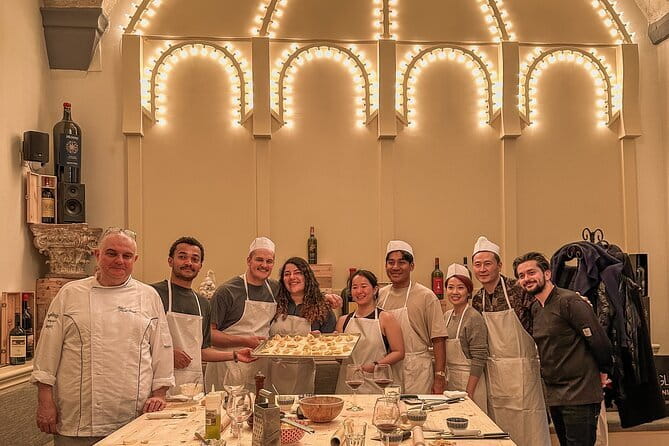
You’ll meet at Via de’ Bardi, 23 r and return there when finished. Some people mention the area can be confusing to locate at first, with limited signage, so give yourself a little extra time before the start.
What to bring
You don’t need to bring anything. The class provides the equipment and ingredients.
Still, wear what lets you move. You’ll be working with hands and standing at stations. If you’re sensitive to standing, plan your day so you’re not immediately rushing into a long walk afterward.
Group size reality
Even with a max of 19, it can feel larger when you’re waiting outside or doing check-in. Then you get split into smaller groups for the work. That’s a good sign: it usually means the chef can actually correct individuals instead of yelling to everyone at once.
Noise and room comfort
A few notes mention no AC and loud music. You can’t control the building, but you can control your expectations. If you prefer quiet, bring a calm mindset and focus on the chef’s cues. If you run hot, go earlier in the day and dress lightly.
Who this pasta-and-wine class is best for
This fits really well if you:
- Want a hands-on Florence experience (not just sightseeing)
- Like Italian food and want technique, not just taste
- Enjoy wine and want it built into the meal rhythm
- Prefer a small-group class where you’re involved from start to finish
It may be less ideal if you:
- Hate standing for long stretches
- Are very noise-sensitive
- Need a perfectly quiet environment for learning
For families, it can work too—there are mentions of bringing kids and still having a good time, and at least one review describes the class as accessible for a wheelchair user. Still, if mobility is a concern for you, it’s smart to choose your expectations carefully and plan for time on your feet.
Should you book Cooking Art Brunelleschi with Unlimited Wine?
Yes, if your idea of a great Florence day includes making real pasta, learning sauces you can actually use, and then eating a full lunch you crafted yourself. The combination of three fresh pasta types, chef-led guidance, included meal, and unlimited Tuscan wine is hard to beat for the price.
I’d only hesitate if you’re uncomfortable with standing, crowded check-in moments, or loud room conditions. If that’s you, consider it a hands-on culinary workshop rather than a calm, quiet dinner.
If you can handle a little noise and a bit of standing, this is exactly the kind of practical, memorable food experience that turns into dinner party bragging rights later.
You Might Also Enjoy

More Wine Tours in Florence
- Tuscany Day Trip from Florence: Siena, San Gimignano, Pisa and Lunch at a Winery
★ 5.0 · 21,634 reviews
More Cooking Classes in Florence
More Tour Reviews in Florence
- Tuscany Day Trip from Florence: Siena, San Gimignano, Pisa and Lunch at a Winery
★ 5.0 · 21,634 reviews