REVIEW · FLORENCE
Florence: Pasta Cooking Class with Unlimited Wine
Book on Viator →Operated by FLORENCE WITH ELVIS - Guided Experiences · Bookable on Viator
Fresh pasta in Florence, made in a medieval tower by the dome. You’ll learn how to roll dough, shape classic types, and pair them with sauces like Tuscan ragù and arrabbiata, all in about 3 hours. The setting also matters: the class takes place in a 1200s tower said to be tied to Dante Alighieri’s family story.
I also love the hands-on format. This is a casual, interactive setup for all skill levels, capped at 15 people, so you’re not just watching. One possible drawback to plan around: some people report the exact venue may differ slightly from what they expected, and that can mean a short walk between locations.
In This Review
- Key Highlights You Should Know
- Stepping Into a 1200s Tower Near Brunelleschi’s Dome
- What You’re Actually Making: 3 Fresh Pastas From Flour Up
- The Sauces Are Part of the Lesson (Not Just a Side)
- The Hands-On Flow in a Small Group (What Your 3 Hours Feel Like)
- Lunch With Unlimited Wine: The Part People Remember
- How to Recreate This at Home Without Stress
- Who This Class Is For (And Who Might Want a Different Option)
- Price and Value: Why This Feels Fair for What You Get
- Should You Book This Florence Pasta Class?
- FAQ
- Is the class offered in English?
- How long is the pasta cooking class?
- What do I make and what will I eat?
- Is lunch included?
- Are drinks included, and is there wine?
- Can I cancel and get a full refund?
Key Highlights You Should Know
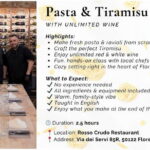
- Medieval tower cooking just a stone’s throw from Brunelleschi’s Dome
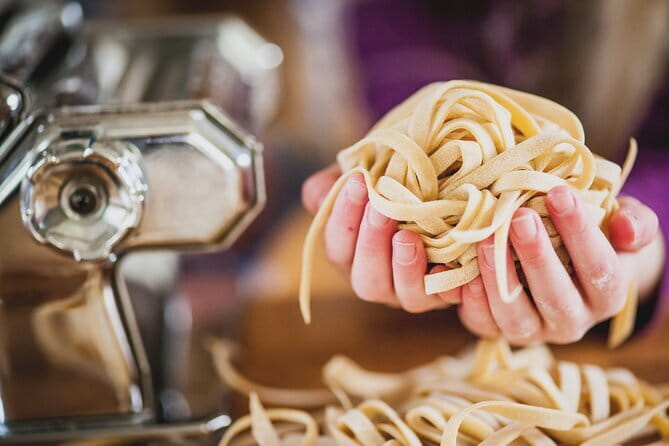
- Three fresh pasta types made from scratch: ravioli, tortelli, and pappardelle
- Three matching sauces: butter and sage, arrabbiata, and old-school Tuscan ragù
- Small group size (max 15) with an interactive teach-and-make flow
- Lunch is included, along with Tuscan wine and unlimited soft drinks
- English instruction with step-by-step guidance you can follow even if you’re new
Stepping Into a 1200s Tower Near Brunelleschi’s Dome
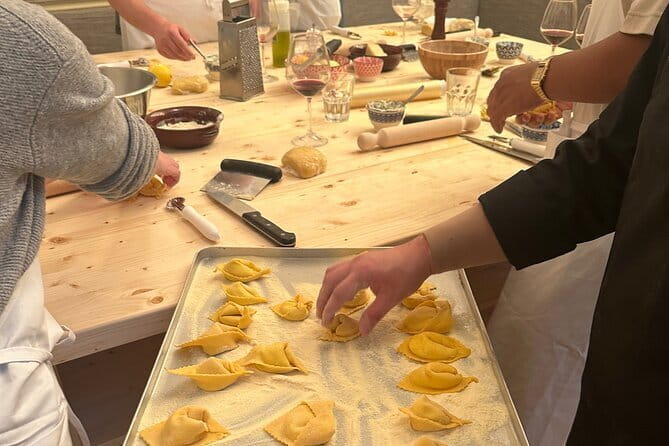
Your evening starts at Via de’ Bardi, 23 r, in central Florence. From there, the big draw is where you cook: inside a medieval tower from the 1200s, near Brunelleschi’s Dome. The tour description leans into an atmospheric detail: this tower is connected to Dante Alighieri through his wife’s family, and it’s presented as a place where you can feel Florence’s older rhythms while you work.
Why that matters in real life: you’re not just doing a cooking class in a random room. You’re in a stone setting that automatically slows you down. Flour, dough, and sauce smell behave differently when you’re cooking in an old tower—plus, it’s easy to pair this activity with an early evening walk afterward, because you’re already so close to the center of things.
One practical note: while the experience ends back near the starting point, a short shuffle between locations can happen on some days. If you’re the type to hate rushing, give yourself a little buffer when you arrive, and keep your phone handy in case you need quick directions from the team.
You can also read our reviews of more cooking classes in Florence
What You’re Actually Making: 3 Fresh Pastas From Flour Up
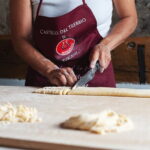
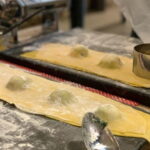
This is a true fresh-pasta class, not a “we assemble it for you” experience. The promise is that you’ll make pasta from scratch—start with flour and work through the full process. Expect a lot of instruction and a lot of doing: you’ll learn the steps, get shown how it should look and feel, then try it yourself.
You’ll prepare three types of fresh pasta, specifically:
- Tortelli all’arrabbiata
- Pappardelle with Tuscan Ragù
- Ravioli with butter and sage
That lineup is smart for home cooks. Each shape teaches you something different:
- Ravioli trains you on filling and sealing.
- Pappardelle (the wider ribbon) shows you how dough handles for long noodles.
- Tortelli brings you back to portioning and shaping, with arrabbiata’s tomato kick making the sauce pairing feel lively.
Even if your hands are brand new at pasta, the class is designed to be approachable. People in the feedback talk about the step-by-step teaching style and the fact that it’s still fun if you’re solo, a couple, or coming with family.
The Sauces Are Part of the Lesson (Not Just a Side)
The sauce is where Florence earns its keep. You’ll match each pasta type with one of three classic flavors:
- Butter and sage (simple, fragrant, and very “Tuscan kitchen” in feel)
- Arrabbiata (tomato-forward with a bit of heat and attitude)
- Old-fashioned Tuscan ragù (slow-cooked style, comforting, and deeply savory)
Here’s a helpful way to think about the pacing: the class structure is set so you can focus on pasta work while the chef also takes care of the sauce parts. Some people describe a pattern where the chef makes the sauces and you mainly focus on the pasta shaping. Either way, you’ll still get explanations about what’s happening and how the components work together.
Why this pairing approach is valuable: it trains you to think like an Italian home cook. Instead of copying a single recipe, you learn a system—pasta shape + sauce character + texture balance. That makes it easier to recreate later, even if you don’t make the same three dishes every time.
The Hands-On Flow in a Small Group (What Your 3 Hours Feel Like)
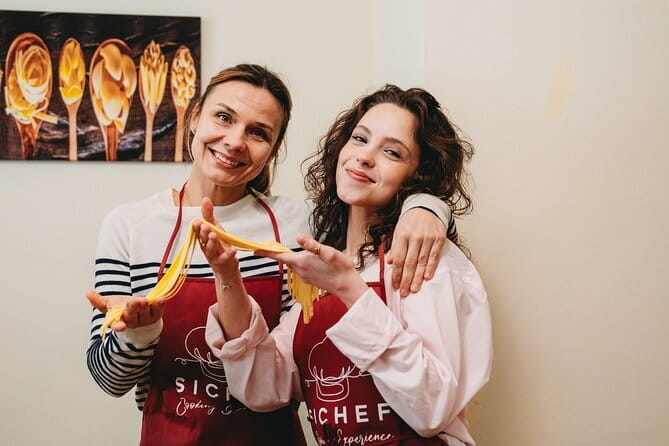
Duration is about 3 hours, and the rhythm matters. You’re not spending your whole time waiting for equipment or listening to theory. This is built around an interactive teach-and-make flow.
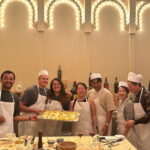
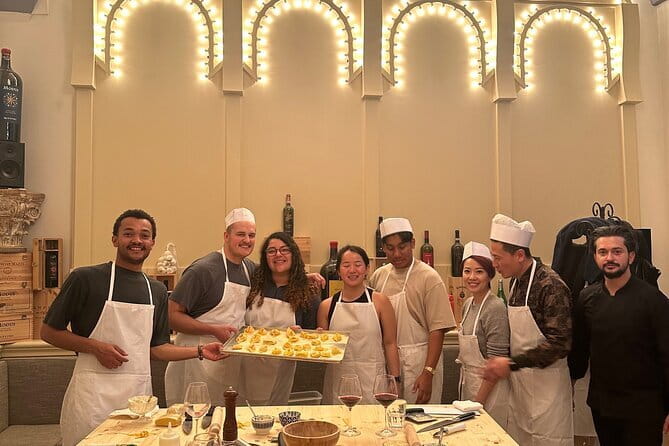
With a maximum group size of 15, the room usually has the energy of a friendly class rather than a factory line. In feedback, I also saw comments about meeting other people—so if you like light conversation while you cook, this is a good fit. If you prefer quiet solo time, you might find it more social than a private one-on-one course, but the setup is still structured.
What to expect practically:
- You’ll be in a working cooking area with all the equipment provided.
- You won’t need to bring anything.
- You’ll have time to learn and then actually eat what you made.
One small heads-up from the experience record: a few people wished there was a take-home handout or clearer photo-taking support. So if you want “receipts,” take screenshots of any recipe cards you’re shown, and consider downloading a few basic pasta-shaping references before class. (The class provides food and wine, but it may not always provide printed extras.)
Lunch With Unlimited Wine: The Part People Remember
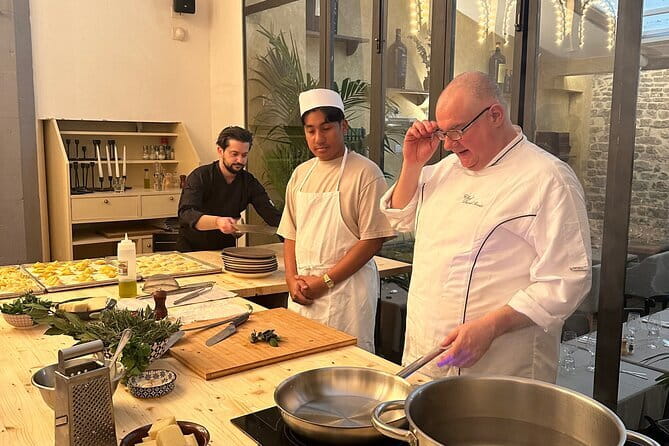
You’ll end up eating everything you prepared. That means your lunch isn’t a separate “tourist meal.” It’s the payoff: tortelli, pappardelle, ravioli, plus the sauces you matched to them.
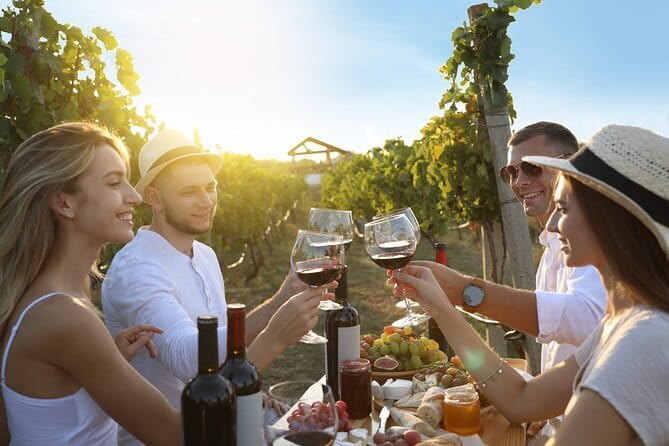
The included drinks are a big deal. You can expect Tuscan wine with unlimited soft drinks. In practice, unlimited wine changes the mood. It’s not just a beverage stop—it’s part of why people call this one of their most fun evenings in Florence.
This is also where the class format shines for real life. Cooking teaches skills, but eating teaches confidence. When you taste what you made minutes earlier, you learn what “good” tastes like and what adjustments matter. Did the sauce cling properly? Was the dough tender rather than tough? Did the ravioli filling stay sealed? Those answers come fast once you sit down.
If you’re not drinking wine, soft drinks are included, so you still get the full meal experience.
You can also read our reviews of more wine tours in Florence
- Tuscany Day Trip from Florence: Siena, San Gimignano, Pisa and Lunch at a Winery
★ 5.0 · 21,634 reviews

How to Recreate This at Home Without Stress
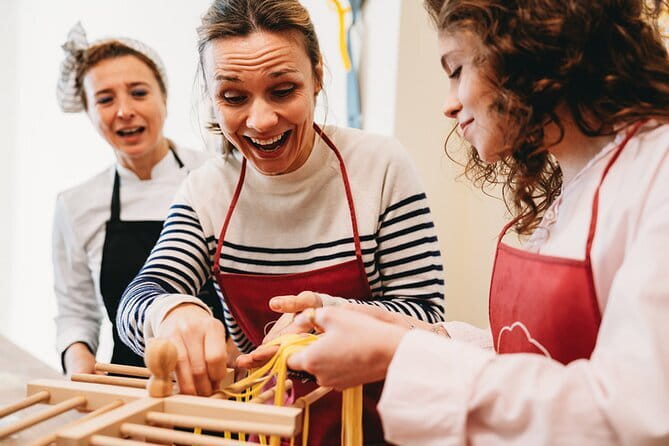
The best classes help you translate. This one is positioned as a “fresh pasta like our grandmothers did” approach—meaning technique first, recipes second. Even if you don’t memorize every measurement, you can bring home practical skills:
- How fresh dough should feel (elastic, workable, not dry or overly sticky)
- How to portion and shape without overfilling
- How to seal ravioli so it stays intact
- How long pasta ribbons behave when cut and cooked
One practical advantage: because the class gives you three different pasta shapes and three sauce styles, you end up with a small “menu” you can repeat. You can practice ravioli one day, make pappardelle another time, and branch into different sauces later.
A tip that’s worth your attention: ask the chef to explain the why behind ingredients and pairing. Some instructors are described as giving extra context about regional differences in Italian cuisine. Even without that, the pairing logic (butter/sage for delicate flavors, arrabbiata for punch, ragù for depth) is easy to remember.
Who This Class Is For (And Who Might Want a Different Option)
This class is designed to work for nearly everyone. It’s described as ideal for all skill levels and ages, and feedback includes couples, solo participants, and families. If you want a hands-on evening that still ends with a proper meal, it’s hard to beat.
You’ll especially like it if:
- You want a structured cooking experience without needing special equipment
- You want to taste and cook classic Tuscan-style combinations
- You’d like a small social setting where conversation happens naturally
- You don’t mind group energy while you work
You might look at something else if:
- You’re seeking a quiet, ultra-premium, private food lab (this is small, but still a group class)
- You need guaranteed printed take-home recipes every time
- You get upset if the exact venue details shift slightly day-of-day
Price and Value: Why This Feels Fair for What You Get
No price is shown here, so I can’t do a cost-per-meal math exercise. But I can tell you the value logic is strong.
You’re paying for:
- Instruction and hands-on coaching
- Three pasta types made from scratch
- Three sauces paired to your pasta
- Lunch (you eat what you make)
- Equipment and ingredients
- Tuscan wine plus unlimited soft drinks
That’s a lot bundled into a single 3-hour block, in central Florence, near major landmarks. Also, you’re not paying extra for private transportation. The meeting point is described as near public transportation, which matters because Florence logistics can be the hidden cost of a “day plan.”
If you like cooking and you want to come away with real technique (not just a one-time meal), this kind of package often pencils out well.
Should You Book This Florence Pasta Class?
If you want a fun, practical cooking evening with real skills, I’d book it. The best reason is simple: you don’t just learn pasta theory—you shape, cook, and eat three fresh pastas with classic sauces, in a memorable medieval tower setting close to Brunelleschi’s Dome.
Book it especially if:
- You’re in Florence for a few days and want one active, satisfying evening
- You like food that feels local and repeatable at home
- You’re okay with a group class vibe, because the small size still lets you meet people
- You want wine included without turning the experience into a party
If you prefer zero surprises, build a little time buffer for possible venue tweaks, and take photos or notes during class so you can recreate later.
FAQ
Is the class offered in English?
Yes. The experience is offered in English.
How long is the pasta cooking class?
It runs for about 3 hours.
What do I make and what will I eat?
You’ll make three types of fresh pasta—ravioli, tortelli, and pappardelle—and you’ll eat everything you prepare with matching sauces.
Is lunch included?
Yes. Lunch is included.
Are drinks included, and is there wine?
Yes. Tuscan wine is included, along with unlimited soft drinks.
Can I cancel and get a full refund?
Yes. You can cancel up to 24 hours in advance for a full refund. If you cancel less than 24 hours before the start time, you won’t receive a refund.
You Might Also Enjoy


More Wine Tours in Florence
- Tuscany Day Trip from Florence: Siena, San Gimignano, Pisa and Lunch at a Winery
★ 5.0 · 21,634 reviews
More Cooking Classes in Florence
More Tour Reviews in Florence
- Tuscany Day Trip from Florence: Siena, San Gimignano, Pisa and Lunch at a Winery
★ 5.0 · 21,634 reviews