REVIEW · PARIS
Paris: Wine and Cheese Tasting
Book on GetYourGuide →Operated by Meeting the French · Bookable on GetYourGuide
Wine and cheese, but with real French science. This 90-minute Paris tasting in a cave à vin is built for small groups, so questions don’t get lost in the noise. I like the small-group pace, and the fact that you’re learning and tasting at the same time, without the formality that can make wine events feel stiff.
What I really enjoy is the pairing focus. You’ll taste three wines from independent producers across France, then match them with French cheeses (including both hard and soft styles), with hosts such as Camille, Julian, Constance, and Leia leading sessions in English or French. The goal is simple: hear the story, taste the difference, and leave with a clearer sense of what drives flavor.
One practical consideration: this isn’t a restaurant setup. The tasting happens in a wine boutique, so toilets may not be readily available or easy to access—worth planning for if you’re the type who needs a quick stop beforehand.
In This Review
- Key things to know before you go
- Inside a Paris Cave à Vin: What the Start Feels Like
- The Tasting Formula: 90 Minutes of 3 Wines and 3 Cheeses
- Terroir Explained the Way Your Mouth Understands
- How Pairing Works: Why Cheese Changes the Wine
- What Makes the Wine Selection Feel Fresh: Independent Producers
- Your Guide in the Room: Camille, Julian, Constance, Leia
- Price and Value: Is $76 for 90 Minutes Fair?
- Timing in Paris: How to Fit This Into a Day
- Bathroom, Drinking Pace, and the Spittoon Reality
- Who This Tour Suits Best (and Who Might Skip It)
- Should You Book This Wine and Cheese Tasting in Paris?
- FAQ
- How many wines and cheeses are included?
- How long is the Paris wine and cheese experience?
- How big is the group?
- Are the wines from independent producers?
- Can I cancel for free, and can I pay later?
- What language will the guide speak?
Key things to know before you go
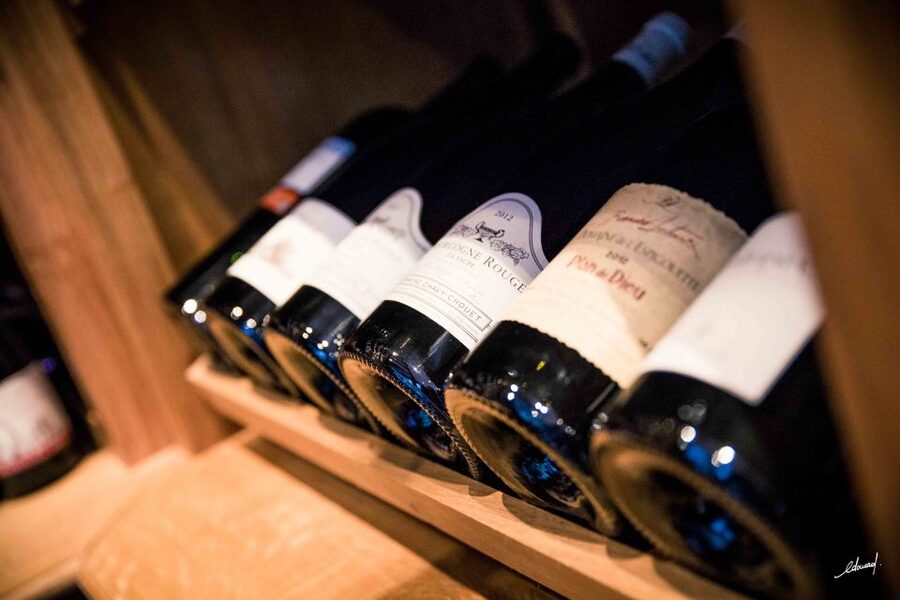
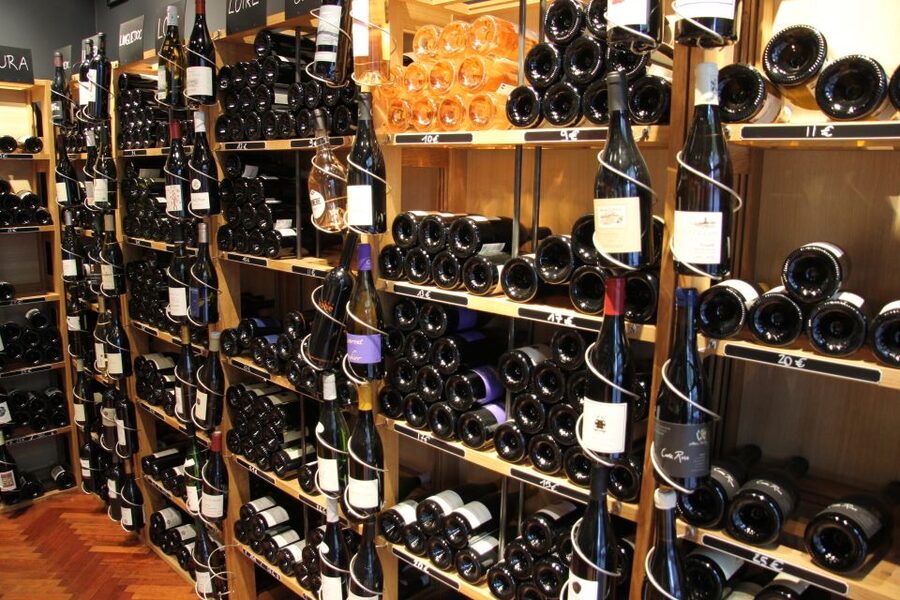
- Wall-to-wall bottles in a cave à vin: you start in the real atmosphere of a Paris wine shop.
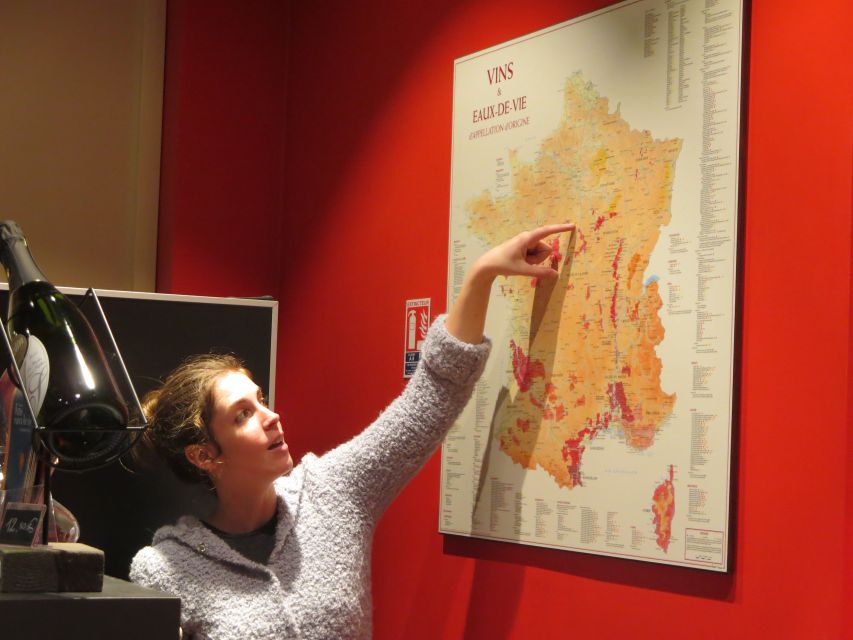
- Soil samples and maps for terroir: you get a visual way to understand why French wine varies so much.
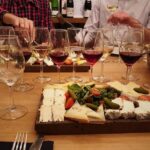
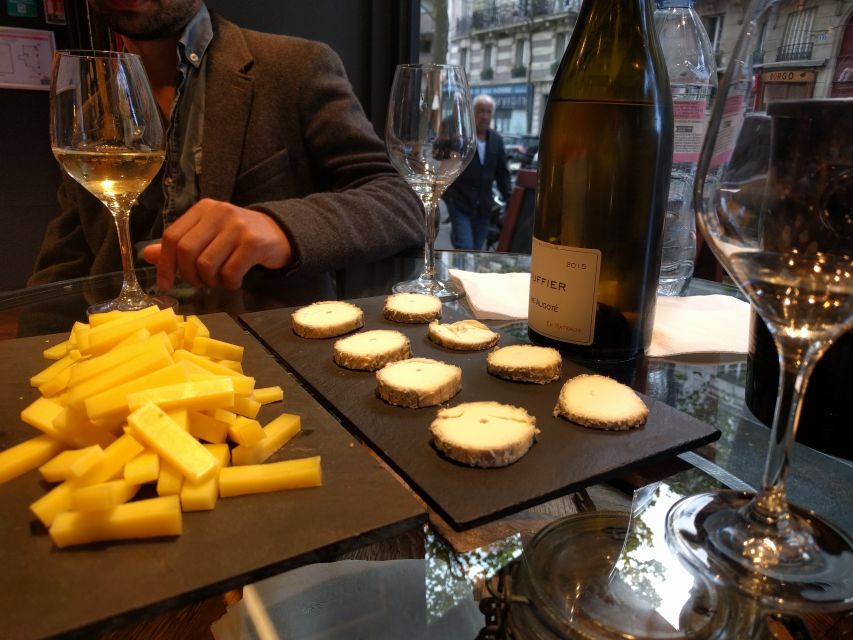
- Three wines paired with French cheeses: you learn how wine changes when it meets hard vs soft cheese.
- You can ask questions in a small group (up to 8): the host tailors the tasting to your interests.
- Water, bread, and a spittoon: you can pace yourself and keep your palate clean.
Inside a Paris Cave à Vin: What the Start Feels Like
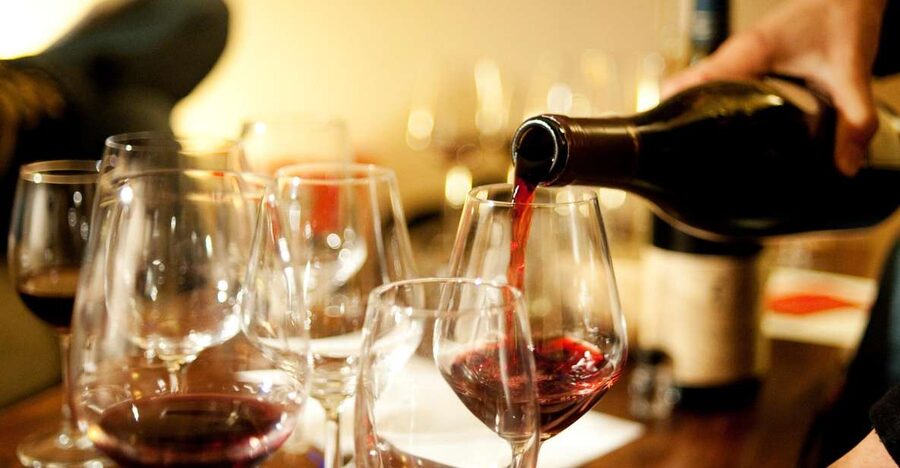
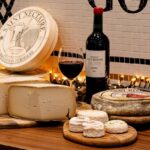
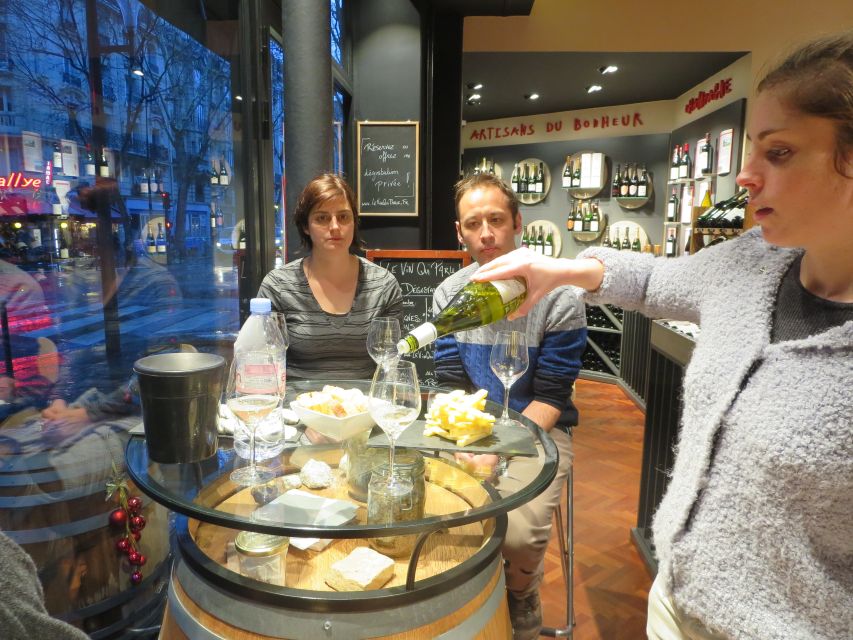
The best part about this experience starts before the first pour. You arrive in a boutique wine cellar (a cave à vin) where the room is basically lined with bottles—reds, whites, and rosés from across France. That matters more than it sounds. Instead of sitting in a bland tasting room, you’re in the same space where the wine selection lives. You can look around and connect the tasting to the actual bottles in front of you.
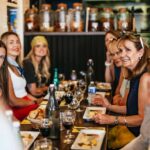
From there, the group gets settled into a prepared tasting area. Because it’s small (limited to 8 people), you’re not stuck waiting your turn to ask what you’re actually wondering. One of the hidden benefits of a small setting is how fast you get comfortable—nobody’s expected to be a wine “know-it-all.” If you’re new to French wine, you’ll get guided from the basics.
You can also read our reviews of more food & drink experiences in Paris

The Tasting Formula: 90 Minutes of 3 Wines and 3 Cheeses
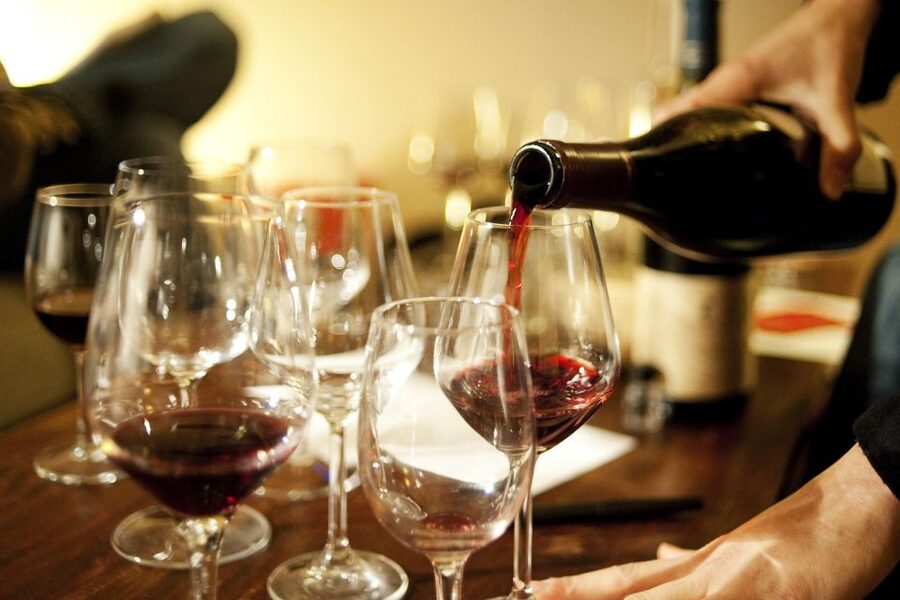
This is a straight-up tasting session: three wines plus three cheeses, with water and bread to reset your palate. The duration is 90 minutes, which is long enough for real learning, but short enough that you’re not stuck there all afternoon.
Here’s what you can expect in practice:
- You start with an overview of how French wine regions connect to flavor. The guide uses maps and even soil samples, so the talk isn’t only theoretical.
- Then you taste in an order that teaches. You’ll learn to connect what you’re tasting to the idea of terroir—how the land, climate, and grape choices shape the wine.
- Cheese isn’t an afterthought. The pairing is built into the session, so you taste how a cheese can change the way a wine reads on your tongue.
A small but important detail: the tasting is tailored to the group’s wishes. That means if you lean toward crisp whites, lighter reds, or you’re just curious about trying things you’ve never heard of, your guide can adjust the picks. The wine list also focuses on small independent producers, so the bottles you try are less likely to feel like the same old crowd-pleasers you’d spot everywhere.
Terroir Explained the Way Your Mouth Understands
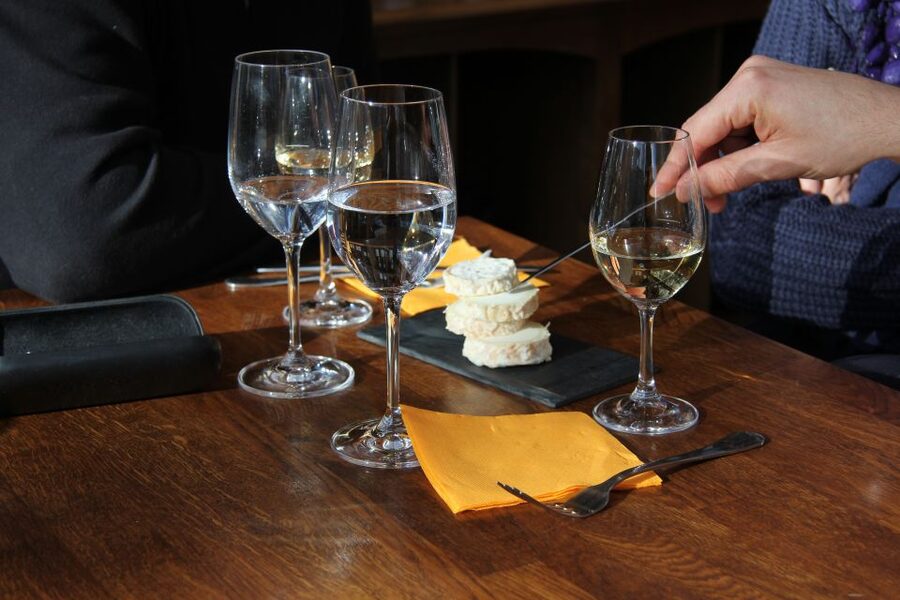
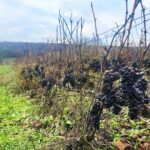
Terroir is one of those French words people toss around. Here, you get it explained with tools that make the concept stick. You’ll see maps of wine regions and get the chance to understand why different terrain supports different grapes—then you taste the result.
Soil samples and region mapping do something practical: they give you a framework for tasting. Instead of thinking, I like it or I don’t, you start asking more useful questions like:
- Why does this wine feel lighter or heavier?
- Why does it taste more fruit-driven or more earthy?
- Why does the same style shift when paired with a different cheese?
You’ll also learn how production in France connects to this diversity—meaning you’re not just collecting names of wines. You’re building a mental model that helps you order better bottles later, whether you’re in a Paris shop or back home.
How Pairing Works: Why Cheese Changes the Wine
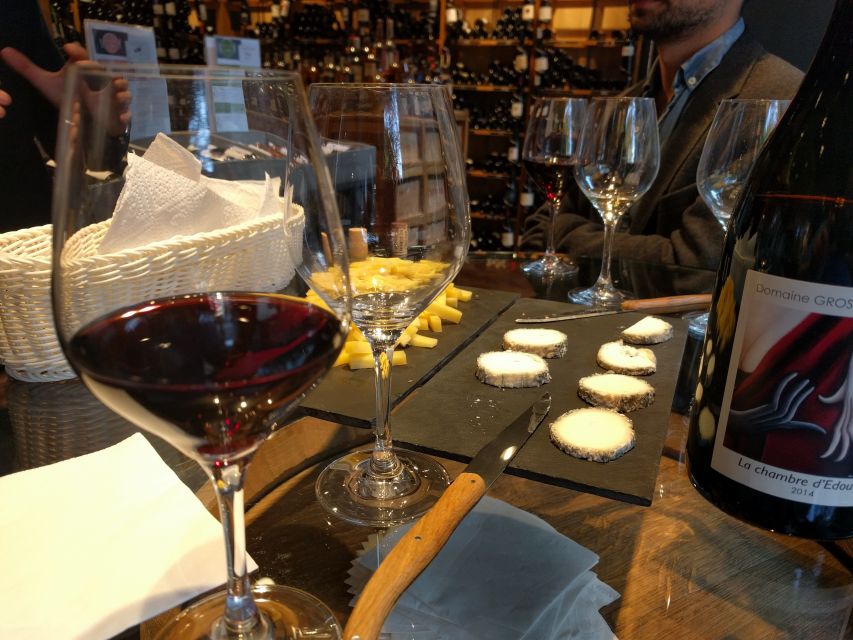
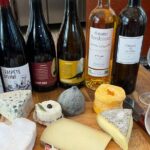
This isn’t a “crack cheese, drink wine” type of event. The pairing is the teaching device. You taste different wines, then you pair them with French cheeses to experience how flavor chemistry changes with each combination.
The session includes cheese styles across the spectrum, including both hard and soft cheeses. That’s a big deal because texture and fat content can push a wine’s flavor in different directions. In other words: the same wine can taste brighter, rounder, sharper, or more complex depending on what’s on your fork.
Here’s a practical way to think about the pairing moments during your tasting:
- When you switch cheeses, treat it like a new “test.” Your job is to notice what stays the same (grape character) and what changes (how the wine feels against fat/salt/texture).
- Water and bread aren’t filler. Use them between tastings to reset. You’ll catch differences faster if you don’t rely on memory alone.
If you’re the type who worries about getting it wrong, don’t. The point isn’t to label everything perfectly. It’s to learn how to taste with a little structure.
What Makes the Wine Selection Feel Fresh: Independent Producers
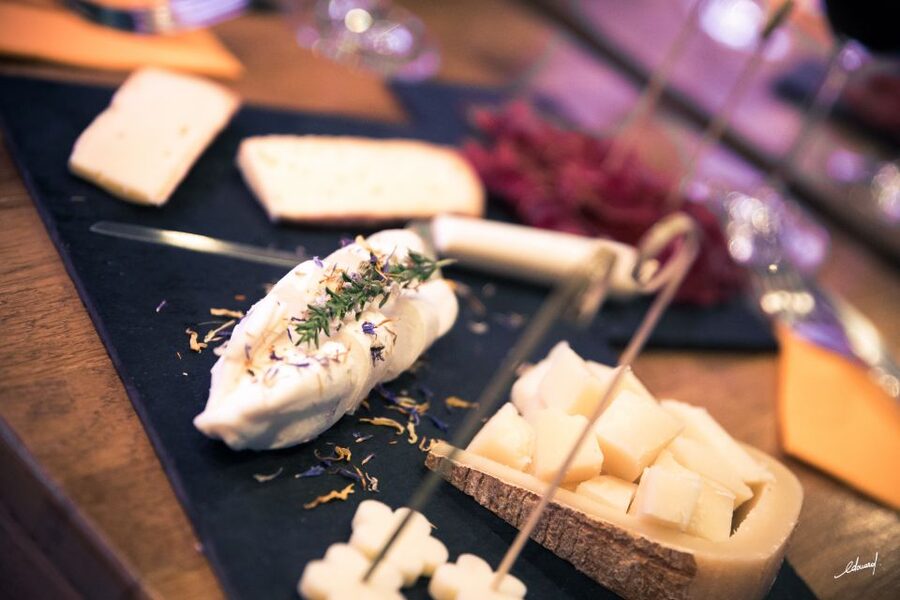
French wine can feel overwhelming because there are so many styles. One thing that helps here is the emphasis on small, independent producers. That choice tends to reduce repetition. Instead of tasting only mainstream bottles, you’re more likely to encounter wines with distinct character—wines you don’t always see on every shelf.
That matters for value. At $76 per person for 90 minutes, you want more than a basic intro. The independent-producer focus makes the session feel like you’re actually discovering, not just sampling.
Also, because you’re in a boutique environment, the tasting naturally connects to shopping. You may have the chance to buy bottles you enjoyed. Even if you’re not planning to bring anything home, the option turns the experience into something practical: learn the style you like, then look for that style later.
You can also read our reviews of more wine tours in Paris


Your Guide in the Room: Camille, Julian, Constance, Leia
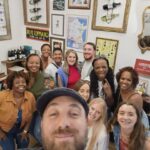
The tone of this kind of tasting depends heavily on the host. In past sessions, guides such as Camille, Julian, Constance, and Leia have led groups in English or French, and the consistent thread is friendly, attentive guidance.
You should expect:
- Answers that match your questions, not a pre-set script.
- A pace that works for first-timers.
- Clear explanations that connect region and production to what you’re tasting.
If you enjoy asking follow-up questions—about grapes, styles, or how to taste like a pro—this is the kind of tour where those questions don’t feel like interruptions. In a group of up to 8, you’re more likely to get real back-and-forth.
Price and Value: Is $76 for 90 Minutes Fair?
Let’s talk value in a grounded way. For $76, you get:
- 3 wine tastings
- 3 cheese tastings
- water and bread
- a live guide
- a small group size (up to 8)
- session tailoring based on your interests
What you’re not getting is a full sit-down meal, or a long multi-stop itinerary with transit time. That’s not a problem if you want a focused experience that fits into a busy Paris day.
The value strength here is the learning-to-taste ratio. You’re not just sampling. You’re also getting an explanation of terroir and French wine diversity using maps and soil samples, so the tastings have context. If you’ve ever left a wine event feeling like you tasted “things” but forgot what they meant, this format is built to reduce that.
Timing in Paris: How to Fit This Into a Day
Ninety minutes is a sweet spot for sightseeing logic. It’s enough time to slow down and learn, but not so long that it eats your whole afternoon.
A smart way to schedule it:
- Put it before dinner if you want to use what you learned to guide your restaurant choices.
- Or go earlier in the day if you’re the type who gets tired after long walks; sitting with bread, water, and cheese is a good reset.
Also, plan to take your time with the pace. Tastings move faster when people rush to finish. Use the water and bread breaks to stay present.
Bathroom, Drinking Pace, and the Spittoon Reality
This is a boutique tasting, not a restaurant. That means you should treat the bathroom situation as uncertain. The toilets in the shop may not be readily available or easy to access.
On alcohol handling: you’ll be offered a spittoon if you want one. That’s a thoughtful setup because it lets you enjoy the tasting without feeling stuck between sipping and driving-related guilt.
If you’re worried about drinking too much, you don’t need to be brave. Use the spittoon. The tasting is meant for education as much as enjoyment.
Who This Tour Suits Best (and Who Might Skip It)
This experience fits you if:
- you want a guided introduction to French wine that explains the why, not only the what
- you like hands-on learning through pairing
- you’d rather do a small group session than a big loud tour bus vibe
You might skip it if:
- you strongly prefer a big multi-hour food-and-wine meal format
- you need easy restaurant amenities (especially bathrooms), because this happens in a boutique setting
It’s also a great choice for curious non-experts. One past participant even noted they weren’t a wine drinker, yet still had a great time because the session made the wines easier to understand.
Should You Book This Wine and Cheese Tasting in Paris?
I’d book it if you want a compact, high-impact way to understand French wine while actually tasting it. The combination of three wines, three cheeses, and terroir tools like maps and soil samples gives you a real structure for remembering what you like.
The biggest reasons to go are simple: you get a small-group setting, the tasting is tailored, and the pairing teaches you how flavor works. If your schedule allows and you’re comfortable with a boutique (not restaurant) environment, this is a strong Paris add-on that pays off later when you order wine and cheese with more confidence.
FAQ
How many wines and cheeses are included?
You’ll sample three types of wine and three types of cheese. Water and bread are also provided during the tasting.
How long is the Paris wine and cheese experience?
It lasts 90 minutes.
How big is the group?
It’s a small group limited to 8 participants.
Are the wines from independent producers?
Yes. Only wines from small, independent producers are sold and used in the tasting.
Can I cancel for free, and can I pay later?
Free cancellation is available up to 24 hours in advance for a full refund. You can also reserve now and pay later.
What language will the guide speak?
The live guide speaks English and French.