REVIEW · PARIS
Paris: Cheese and Wine Class in a 17th Century Cellar
Book on GetYourGuide →Operated by Living Cheese Museum · Bookable on GetYourGuide
Paris smells like cheese and wet stone. This workshop turns the Musée Vivant du Fromage into a real tasting classroom, built around a 17th-century cellar vibe and expert-led pairings. I especially like the 7 cheese tasting structure (from different regions and textures) and the way wine is matched bite-by-bite, not poured and forgotten. One consideration: it is not suitable for people with lactose intolerance, and wine service follows an age rule.
If you enjoy learning by eating, this is a smart way to spend 90 minutes in the Île-de-France region without another museum hour that turns into a blur. The group stays small, so you can ask questions and actually connect the flavors to what you’re hearing. Go in knowing it’s an alcohol experience too, so the minimum drinking age is 18.
In This Review
- Key Points You’ll Care About
- Inside Musée Vivant du Fromage: Where the Class Starts
- The 90-Minute Plan: From Cheese Museum to Cellar
- What You Learn in the Cellar: Aging, Texture, and Milk
- The Main Event: Seven French Cheeses with Smart Pairing
- Pairing Reality Check: What to Notice With Each Sip
- Wine Service Rules (So You Don’t Get Surprised)
- Bread and Palate Reset: Why the Baguette Matters
- Small-Group Size: The Difference Between Watching and Participating
- Who This Fits Best (And Who Should Skip It)
- Value for Money: Is $82 Worth It?
- Getting the Most Out of Your Evening
- Should You Book This Paris Cheese and Wine Class?
- FAQ
- Is this a cheese and wine class, or just a tasting?
- How long is the experience in Paris?
- Where do I meet for the class?
- What’s included in the $82 price?
- Can kids or under-18 guests drink the wine?
- Is this suitable for lactose intolerance?
- Are pets allowed?
Key Points You’ll Care About
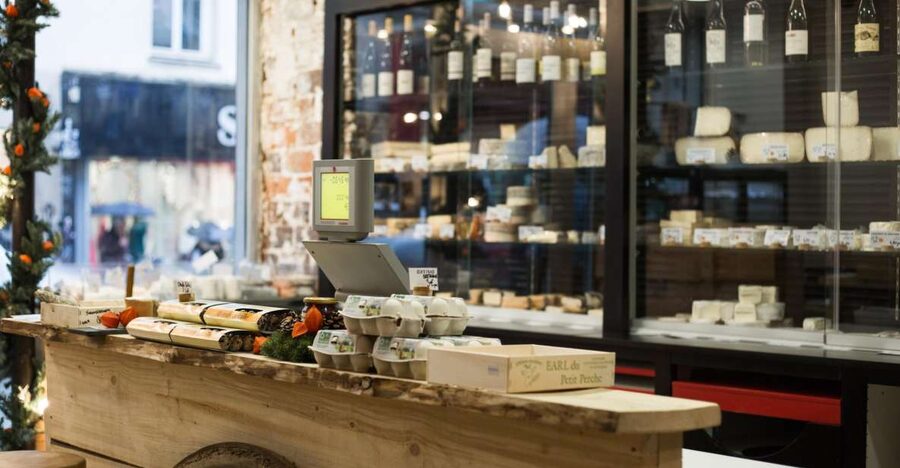
- 17th-century cellar tasting with that cool, historic stone-room feeling
- Seven French cheeses, chosen to show different milk types, textures, and origins
- Three wine pairings designed for complementary flavors, bite after bite
- Expert cheesemaker/guide leads the session in English and answers questions
- Bread included so you can reset your palate between tastings
Inside Musée Vivant du Fromage: Where the Class Starts
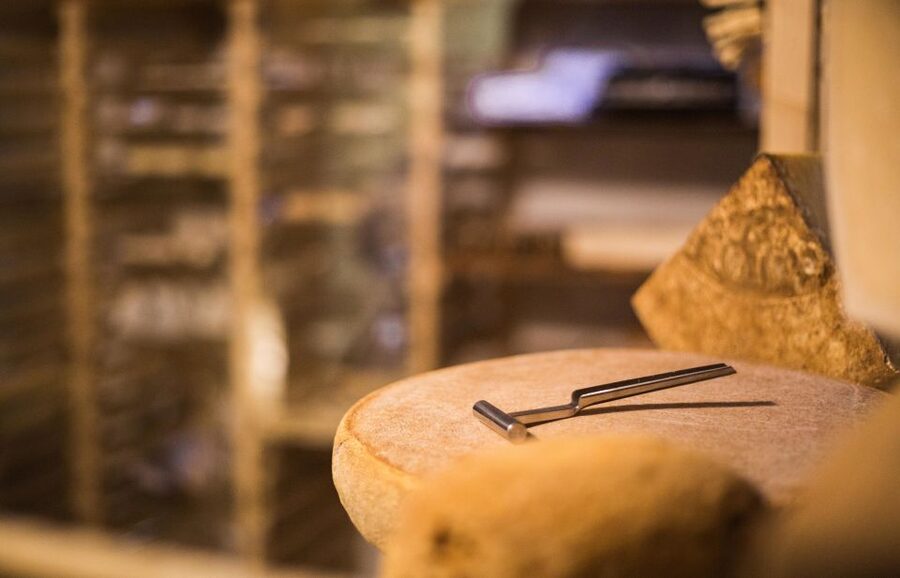
Your first step is the Musée Vivant du Fromage at 39 rue Saint Louis en l’île, 75004 Paris. This is a tasting workshop built into a cheese-focused setting, so you start with the right mindset. Instead of wandering, you’re guided into a structured experience that explains what you’re tasting while you taste it.
I like that the meeting point is easy to anchor your day around. Even if you’re already hopping between sights in the Marais area, a 90-minute session gives you a clean start-to-finish block. And because the class is in English, it’s one less thing to stress about on a trip where your energy is already divided.
You can also read our reviews of more wine tours in Paris


The 90-Minute Plan: From Cheese Museum to Cellar
This is a 90-minute workshop with one simple flow: learn, taste, compare, and ask questions. You’ll spend time in the cellar where the cheese is kept, which is a big part of why this feels more real than a standard tasting room.
You’ll likely start with an introduction that frames the session around traditional French cheesemaking. Then the guide brings you into the cellar area and points out how the maturing process matters—how time changes texture and taste, and why different cheeses need different conditions. The setting helps you understand the lesson. Cheese doesn’t just taste a certain way because of luck; it develops because it’s aged and managed carefully.
What You Learn in the Cellar: Aging, Texture, and Milk
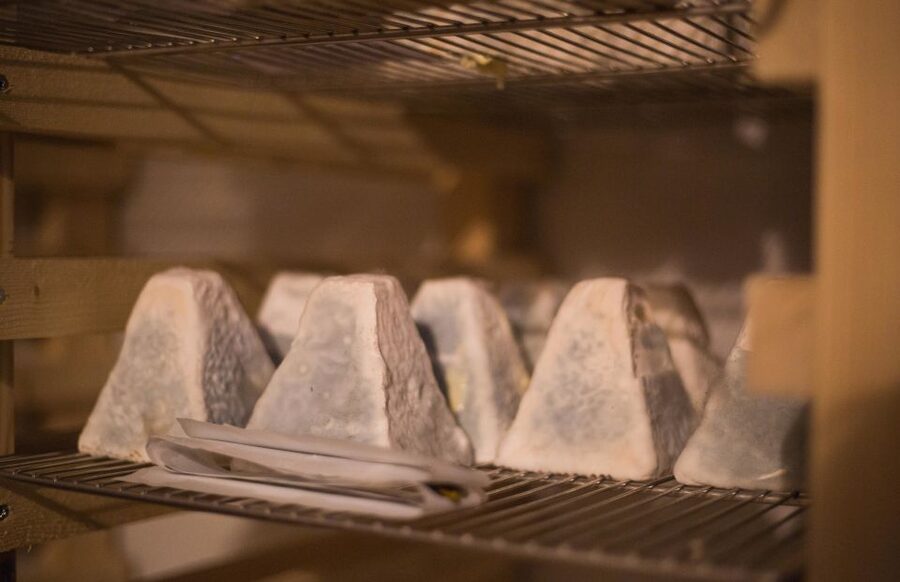
In a cheese class, the temptation is to treat it like a flavor parade. Here, the focus is more practical: how cheeses get to the point where they taste the way they do. You’ll learn about traditional cheese production from an expert cheesemaker, with attention on the maturing process and what you should notice as the cheese evolves.
Here’s why that matters to you. Once you understand aging, you stop saying generic things like sharp versus mild. You start tracking the reasons: texture (creamy, soft, firm), aroma intensity, and how salt, fat, and fermentation show up on your palate. Even if you’re not trying to become a cheesemonger, these are the same mental tools you can use in shops later.
The cellar setting also makes the talk easier to remember. When you’re tasting cold and humid-storage cheeses in the place where aging happens, the lesson lands fast. It’s not abstract; it’s physical.
The Main Event: Seven French Cheeses with Smart Pairing
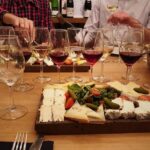
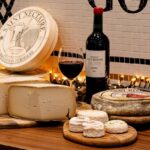
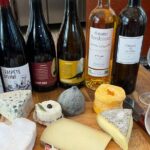
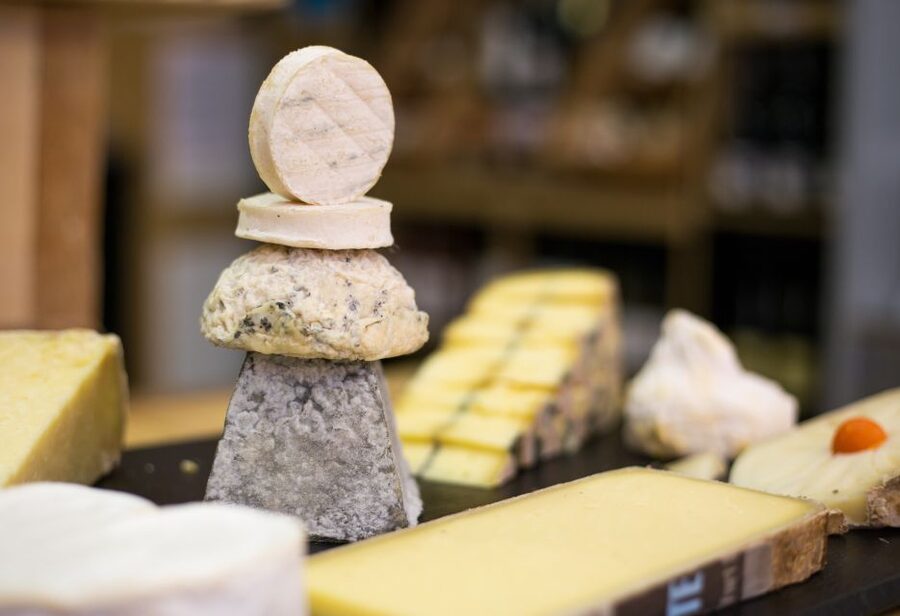
The heart of the experience is straightforward. You get tastings of 7 different cheeses from various regions, plus the chance to notice differences in milk type and texture. The guide doesn’t just hand you a wedge. You learn what to look for and how to connect each cheese to its pairing.
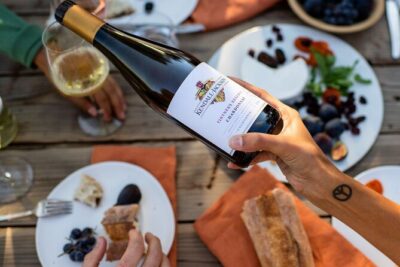
Then the pacing clicks: you alternate bites of fromage with sips of French wine. That matters because cheese and wine behave like a team. Wine can amplify aroma, soften a strong bite, or sharpen a flavor you might otherwise miss. You’ll get practice tasting the pair, not just the parts.
This is where the small-group feel earns its keep. With a group that stays manageable, the guide can steer conversations. In past sessions, hosts like Gala and Agathe were praised for being fun and interactive, with Pierre and Guillaume also highlighted for guiding questions and keeping the room moving. You don’t just get facts dumped at you; you get chances to clarify what you’re tasting.
Pairing Reality Check: What to Notice With Each Sip
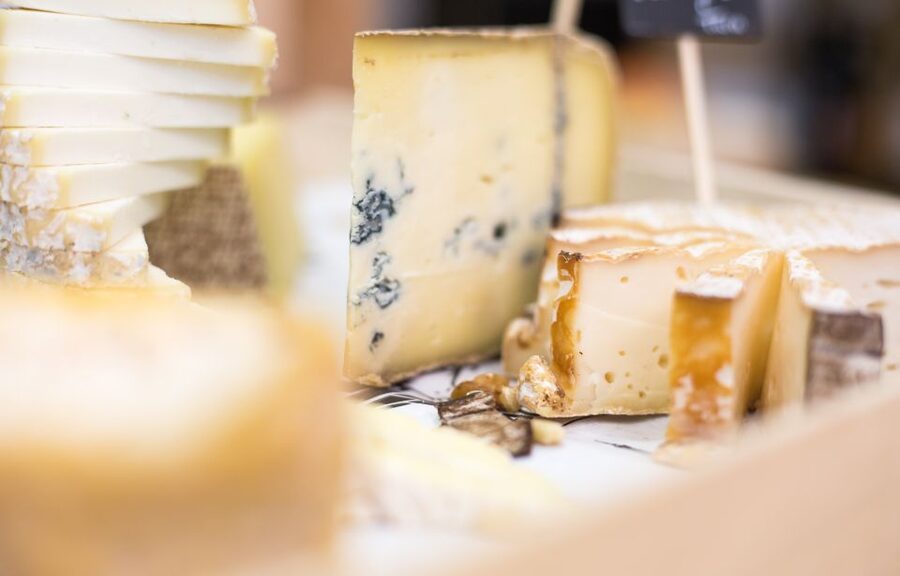
If you want to get more out of the class, bring your senses online. You’ll learn the basics, but you’ll also do the work that makes it stick.
Here’s a simple approach:
- Smell first. Note if it’s more buttery, grassy, earthy, or tangy.
- Take a small bite and watch the texture. Does it melt? Crumble? Feel dense?
- Then sip the wine. Notice what changes: does the cheese become softer, sweeter, or more intense?
Because you’re tasting multiple cheeses, your palate will keep shifting. That’s normal. The included bread helps with that reset, too. Don’t underestimate how helpful a plain baguette can be when you need to reset between stronger flavors.
A few more Paris tours and experiences worth a look



Wine Service Rules (So You Don’t Get Surprised)
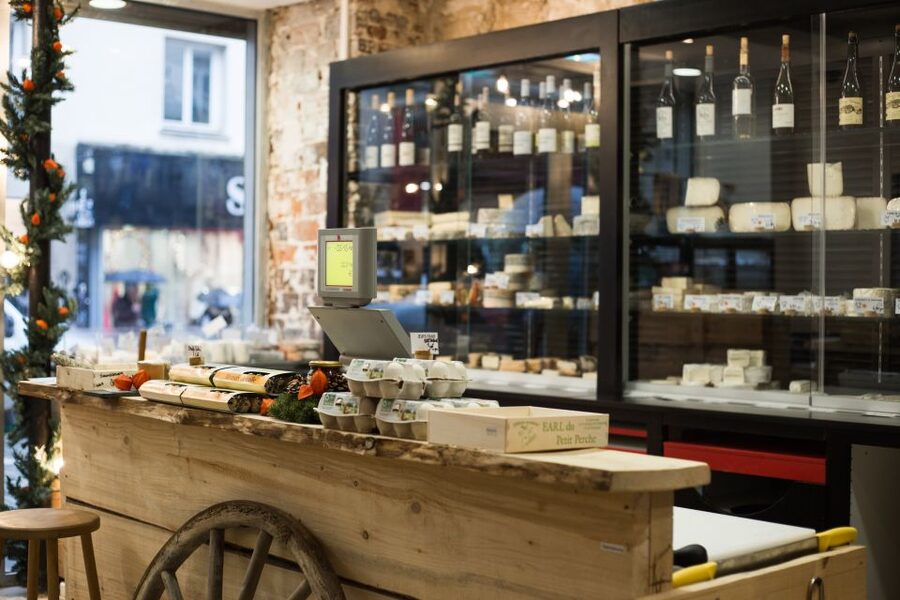
Wine is included—3 wines paired with the cheeses. But the class follows the minimum drinking age rule: you must be 18+ to drink.
If you’re traveling with teens or you’re under 18 yourself, check with the operator before booking. The data you were given is clear that drinking is for 18 and up. Even if you’re not drinking, the structure of the tasting is still built around pairings.
Bread and Palate Reset: Why the Baguette Matters
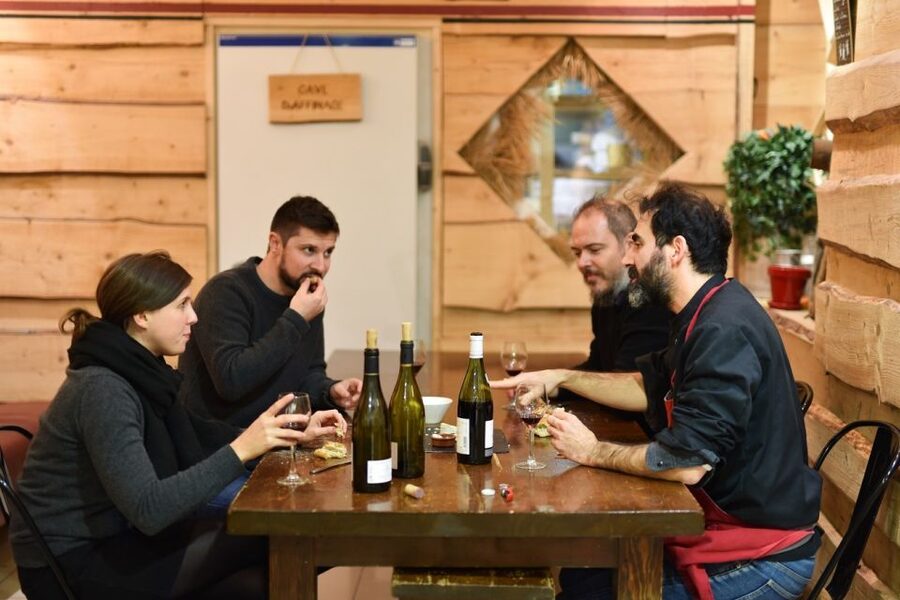
Bread might sound like a throwaway add-on, but it’s actually useful. You’re going through seven cheeses and three wines. Even for food lovers, that’s a lot of sensory input in 90 minutes.
The baguette gives you:
- a clean break between stronger cheeses
- an easy way to neutralize your palate
- something familiar if you’re less confident with intense cheeses
So yes, you’re doing a French cheese-and-wine class—but you’re not being forced to power through with no buffer.
Small-Group Size: The Difference Between Watching and Participating
A small-group format is a big deal for this type of workshop. When the group stays intimate, you can ask the questions that actually come up as you taste. The guide can also adapt pace if everyone is reacting differently to a cheese.
One recent session was described as a group of 12, which is comfortably small for a cellar tasting where everyone needs space to smell and taste without bumping elbows. If you prefer a class where you can interact instead of just sit and listen, this setup is a good fit.
Who This Fits Best (And Who Should Skip It)
This class is best for people who enjoy food learning through tasting, not just through facts. You’ll likely enjoy it if you:
- like French food and want context for what you’re eating
- want a break from sightseeing that still feels cultural
- enjoy wine pairings and want practical guidance
A clear mismatch: it is not suitable for people with lactose intolerance. That restriction matters. Cheese includes dairy components that are tough for lactose intolerance, so don’t gamble with it.
Also note pets are not allowed.
If you’re unsure about other dietary needs, the provided info only calls out lactose intolerance as the limitation. For allergies or strict diets beyond that, you should contact the provider before booking.
Value for Money: Is $82 Worth It?
At $82 per person for 90 minutes, the price feels fair only if you compare it to what you’d pay for the same amount of guided tasting in Paris. Here, the value comes from the mix of:
- a professional cheese and wine guide
- tastings of 7 cheeses and 3 wines
- bread included
You’re not just buying snacks. You’re paying for an expert to teach you what’s behind each flavor and help you understand pairing logic. In Paris, where a single cheese plate can be pricey and self-guided tastings don’t come with pairing coaching, this structured format can be a good deal.
If you’re a casual cheese fan who wants one fun evening, it can still be worth it. But if you’re looking for a hands-on cooking class or a long meal, this is more tasting workshop than full dinner.
Getting the Most Out of Your Evening
To enjoy it fully, come with a calm stomach and a curious attitude. This experience works best when you taste deliberately. Don’t rush to the next cheese—pause and connect what you taste to the guide’s explanation about aging and production.
Also, be ready to learn a few new terms and then use them. You’ll likely start describing cheeses by texture and development rather than vague impressions. That’s the real payoff: you leave with better language, so buying cheese later becomes less guesswork.
One extra practical tip: ask about any wine discounts when you’re finishing up. A past participant reported a 10% discount on wine at the end of their session. It’s not guaranteed in the booking details you have, but it’s worth checking since it’s the kind of detail that can save you money.
Should You Book This Paris Cheese and Wine Class?
Book it if you want a guided, small-group tasting in a historic cellar that helps you understand French cheese beyond the basics. The combination of seven cheeses, three wine pairings, and expert-led explanation is a strong value for a 90-minute block.
Skip it if lactose intolerance is on your list of constraints, or if you’d rather do a sightseeing-focused evening with no wine element. And if you’re expecting a cooking workshop with a hands-on role, this is more about tasting and learning than making food.
FAQ
Is this a cheese and wine class, or just a tasting?
It’s a workshop-style class. You’ll have tastings of 7 cheeses and 3 wines, with a professional guide explaining traditional cheese production and pairing logic.
How long is the experience in Paris?
The duration is 90 minutes.
Where do I meet for the class?
You meet at Musée Vivant du Fromage, 39 rue Saint Louis en l’île, 75004 Paris.
What’s included in the $82 price?
Included are the professional cheese and wine guide, tastings of 7 cheeses and 3 wines, and bread.
Can kids or under-18 guests drink the wine?
No. The minimum drinking age is 18 years old.
Is this suitable for lactose intolerance?
No. It is not suitable for people with lactose intolerance.
Are pets allowed?
No, pets are not allowed.