REVIEW · PARIS
French Wine, Champagne And Cheese Tasting Paris SECRET WINE DOOR
Book on Viator →Operated by secret wine door · Bookable on Viator
A secret wine door beats another museum stop. I love the small group vibe and the hands-on way Erwan Leo teaches you to taste Champagne and wine with 6 cheeses and bread; the one thing to plan for is that there’s no hotel pickup.
You start near 3 Rue Bouchut in the 15th arrondissement, with an easy walk from metro lines 10 or 6. If you want a head start, stroll Champ de Mars first, then you can walk off the tasting toward the Eiffel Tower in about 15 minutes.
The whole experience runs around 2 hours, and you’ll finish with time to shop bottles to take home. If you’re hoping for a big, party-style event, this is more relaxed and lesson-led than loud.
In This Review
- Key things to know before you go
- Secret Wine Door in Paris 15th: location and why it works
- Your 2-hour tasting flow: what you’ll do in that time
- Six pours, six cheeses: how the pairings teach your palate
- Erwan Leo’s tasting lesson: how to taste like a pro (without pretending)
- Small group size (max 12): better questions, less pressure
- Before and after: using Champ de Mars and the walk to the Eiffel Tower
- Price and value: is $99.16 worth it?
- Who should book this tasting (and who might skip it)
- Should you book Secret Wine Door?
- FAQ
- How long is the French Wine, Champagne and Cheese Tasting experience?
- Where does the tour start?
- How many wines and cheeses are included?
- Is the experience offered in English?
- How big is the group?
- Is transportation to or from hotels included?
- Is the venue near public transportation?
- Can I bring a service animal?
- What’s the cancellation policy?
Key things to know before you go
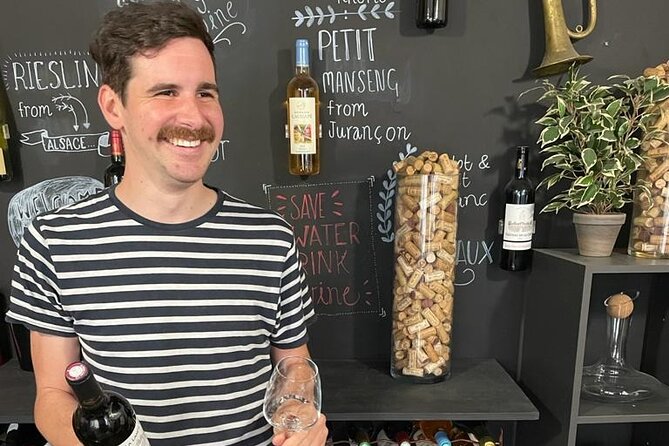
- Max 12 people: small-group format means questions actually get answered
- Six tastings: 1 Champagne + 2 white + 3 red, each paired with cheese and bread
- Erwan Leo leads it: fun, clear explanations, plus practical tips for tasting
- Learn while you eat: you’re not just sipping, you’re training your palate
- Shop at the end: pick up bottles (and sometimes cheese ideas) if you want
Secret Wine Door in Paris 15th: location and why it works
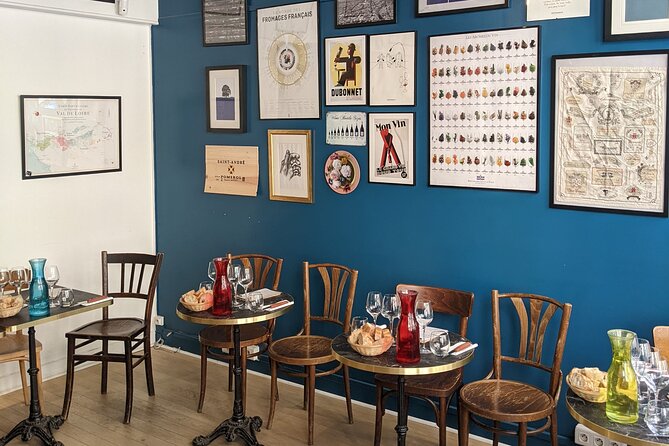
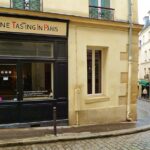
This tasting is based in Paris’s 15th arrondissement, starting at 3 Rue Bouchut. The payoff of this location is simple: you can make it fit around sightseeing without wasting time.
You’ll find the venue only a couple minutes on foot from stops on metro lines 10 or 6. That matters because Paris transit can get crowded. If you’re doing this after lunch, you can still get there on time without the stress of complicated connections.
I also like the “choose your own pregame” approach. You can arrive early and stroll Champ de Mars, the area right by the Eiffel Tower. Or you can go straight to the tasting and let the afternoon be mostly about food and wine. Either way, the Eiffel Tower is about a 15-minute walk away after the experience, so you can stitch this into a very natural day plan.
One small practical note: transportation to and from hotels isn’t included. So you’ll want to plan your own metro route and keep your exact meeting point in mind.
You can also read our reviews of more food & drink experiences in Paris
Your 2-hour tasting flow: what you’ll do in that time
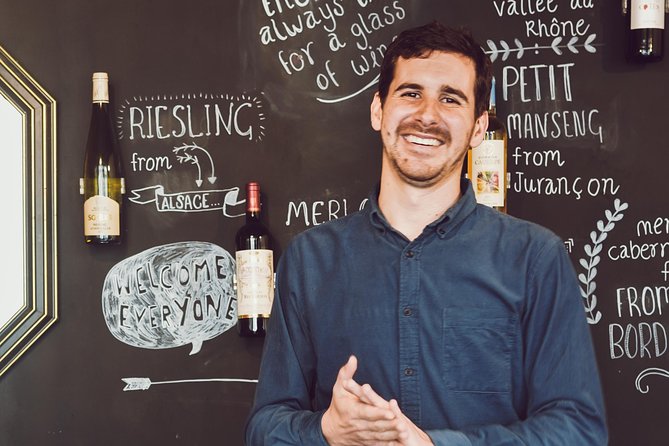
The format is compact, which is part of why people love it. You’re there for around 2 hours, and the structure keeps moving: tastings, cheese pairings, and short lessons.
Here’s what’s included during that time:
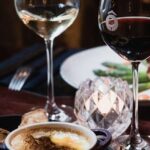
- 6 glasses of wine
- 1 Champagne
- 2 white wines
- 3 red wines
- 6 different cheeses
- French bread
- A small-group setting capped at 12 people
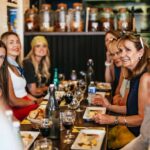
The pacing is friendly. You get enough time to notice flavors, ask questions, and compare wines without it feeling rushed. And because it’s grouped, you can also learn from what others ask—especially if you’re newer to wine.
At the end, you’re given time to shop bottles you tasted (or at least shop based on what you liked). That’s useful if you want a practical souvenir: something you can drink later that still connects to what you learned.
Six pours, six cheeses: how the pairings teach your palate
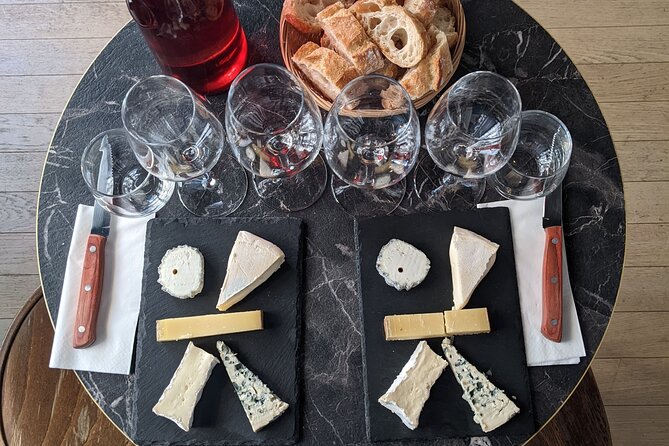
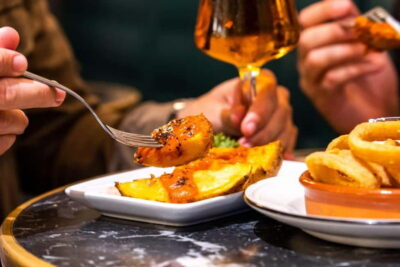
The big reason this tasting clicks is the pairing logic. You’re not tasting wine in isolation. Each part—wine, cheese, and bread—helps you notice different parts of the flavor.
You’ll start with Champagne and then move through white and red wines. That progression helps your palate “wake up” and then shift as flavors change. Champagne brings acidity and bubbles that reset your mouth, which makes the next cheeses and pours easier to assess.
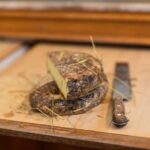
Then the cheeses do their job: they change how the wine tastes, not just how it smells. Stronger cheeses can amplify certain wine notes, while milder cheeses let the wine’s structure come forward. With 6 cheeses total, you get enough variety that you can actually start forming preferences instead of just naming grapes.
Bread is the quiet hero here. It helps you pace yourself and keep your palate consistent. It’s also a reminder that French wine culture is often about food-first pairing, not wine as a standalone drink.
If you’re sensitive to specific cheeses, do pay attention and speak up. One story from the tasting notes that the host arranged cheese for someone who could not eat unpasteurized cheese. That’s not a guarantee for every situation, but it does suggest they’ll try to be thoughtful when you have clear dietary needs.
Erwan Leo’s tasting lesson: how to taste like a pro (without pretending)
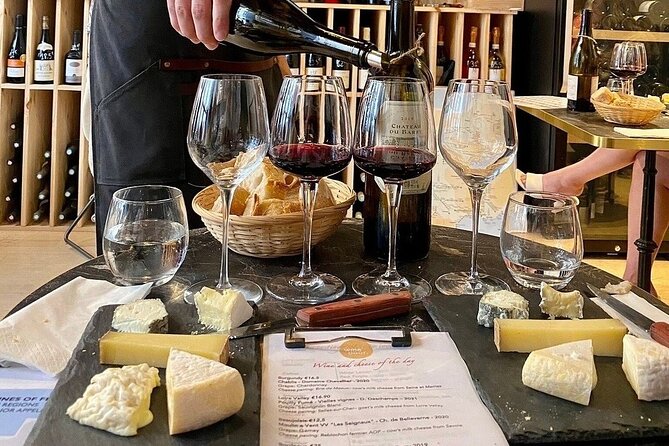
This isn’t just a label-reading session. Erwan Leo teaches tasting in a way that’s practical and easy to use later when you’re ordering in a shop or restaurant.
From the stories you shared, the key teaching themes are:
- finding flavor notes you might not notice on your own
- using acidity as a tasting checkpoint (it’s not just a fancy word)
- understanding where different wines come from and how that can show up in flavor
What I like about this style is that it makes wine less mysterious. You’re given a method you can repeat. So even if you don’t remember every grape name, you still leave with a way to evaluate what you like.
For example, acidity is one of those fundamentals that changes how your food and wine work together. If a wine feels “sharp” in a negative way, that’s usually acidity plus balance. If it feels crisp and clean, it’s also acidity—but with good structure. Erwan’s explanations are aimed at helping you tell the difference.
The tone matters too. Reviews highlight that the host is funny and engaging, so the lesson never turns stiff. You can learn without feeling like you’re back in school.
And there’s another practical angle: this tasting teaches you what to look for when you order later. If you’ve ever stood in a French wine shop staring at bottles, you’ll probably feel calmer afterward.
Small group size (max 12): better questions, less pressure
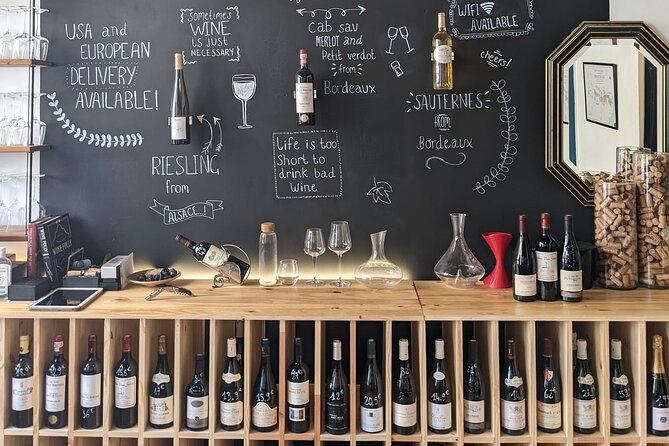
With a maximum of 12 participants, you get what most big-group tours can’t provide: time. You can ask questions and actually hear the answers in a way that connects to your own preferences.
This also helps the vibe. People describe the experience as relaxed and fun, with no heavy hard-sell afterward. You’ll still have a chance to buy bottles at the end, but it doesn’t feel like the tasting is only a sales pitch.
That’s a big value point for me. The best wine education helps you make your own decision. It also helps you avoid buying something you don’t actually like just because it’s popular.
In a small group, the host can also adapt the pace. If you’re curious about a specific wine, you’re more likely to get a direct answer rather than being rushed past a topic.
You can also read our reviews of more wine tours in Paris
Before and after: using Champ de Mars and the walk to the Eiffel Tower
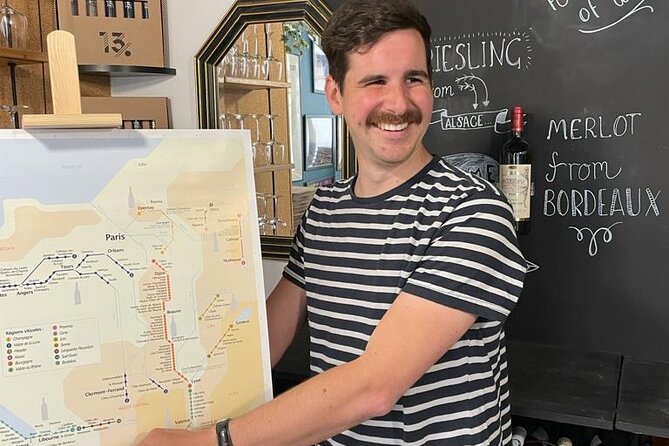
This experience sits in a great spot for stitching together an afternoon. If you start with a stroll around Champ de Mars, you’ll get the classic Paris scene right away. Then the tasting becomes a comfortable indoor break without changing your itinerary much.
After the tasting, the Eiffel Tower is about a 15-minute walk. That means you can end with views instead of ending tired and needing another transport shuffle.
Timing tip: if you’re doing this on your first day, start early enough to see Champ de Mars and still have energy. If you’re already sightseeing hard, this is still a good reset. The tasting is focused, seated enough to feel like a break, and it gives your day a “Paris food” angle instead of another street-and-skyscraper hour.
Price and value: is $99.16 worth it?
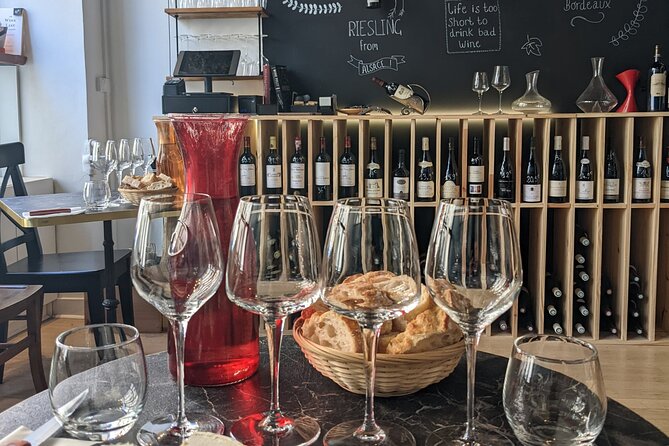
At $99.16 per person for about 2 hours, you’re paying for a package: instruction plus food plus drinks. The included set is substantial:
- 6 glasses of wine (including Champagne)
- 6 cheeses
- French bread
- A small group capped at 12
- Guided teaching led by the host, Erwan Leo
If you’ve done tastings elsewhere, you know the key question isn’t just the price. It’s what you get for it. Here, you get a full flight and multiple pairing moments, not just a quick sip-and-go.
You also get something harder to put a price on: the tasting framework. If you’re new to French wine, the value is in learning what to notice so you can buy and order with confidence later.
The only “hidden cost” is the one you already know with any Paris activity: you cover your own way there and back. But since it’s near metro lines 10 and 6, the logistics aren’t a deal-breaker if you’re comfortable using transit.
Who should book this tasting (and who might skip it)
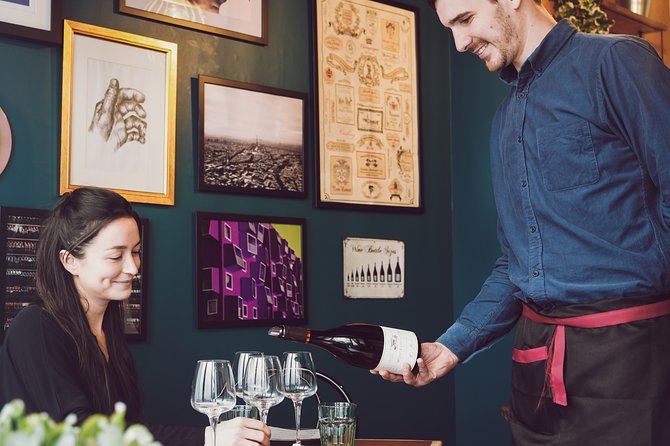
This is a great fit if you love:
- wine and cheese pairings
- a lesson format that still feels relaxed
- small-group experiences where you can ask questions
- learning practical ways to choose bottles
You’ll probably also enjoy it if you’re doing Paris as a mix of famous sights and local food. Champ de Mars and the Eiffel Tower are close, but the tasting gives you a different kind of Paris.
Skip it if you want:
- a long, high-energy nightlife vibe
- a very formal course-style event
- transportation included from your hotel
Also, if you already know your way around tasting, you may still like it for the pairing variety and the Champagne-to-red progression. But you might get less “new knowledge” than someone starting from scratch.
Should you book Secret Wine Door?
Yes, I’d book it if your goal is a smart, fun way to spend a Paris afternoon with real food and real wine education. The combination of small group size, 6 wines including Champagne, and 6 cheese pairings makes it feel like more than just a tasting stop. Add Erwan Leo’s humor and the focus on practical tasting skills, and you get something you can use again when you shop or order later.
If you’re on a tight schedule, make sure you plan your own arrival since there’s no pickup. But if you can handle metro and you want a memorable, low-stress Paris food experience, this is a strong choice.
FAQ
How long is the French Wine, Champagne and Cheese Tasting experience?
It’s listed as about 2 hours.
Where does the tour start?
The meeting point is 3 Rue Bouchut, 75015 Paris, France.
How many wines and cheeses are included?
You’ll taste 6 glasses of wine (1 Champagne, 2 white, and 3 red) and 6 different cheeses, plus French bread.
Is the experience offered in English?
Yes, it’s offered in English.
How big is the group?
The experience has a maximum of 12 travelers.
Is transportation to or from hotels included?
No. Transportation to and from hotels and attractions is not included.
Is the venue near public transportation?
Yes, it’s near public transportation, with the closest access via metro lines 10 or 6.
Can I bring a service animal?
Yes, service animals are allowed.
What’s the cancellation policy?
You can cancel for a full refund if you cancel at least 24 hours before the experience’s start time. Free cancellation is available under that condition.