REVIEW · PALERMO
Palermo: Pizza & Tiramisu Class with Free Flowing Fine Wine
Book on GetYourGuide →Operated by The Roman Food Tour · Bookable on GetYourGuide
Pizza lessons don’t get more Sicilian than this. You’ll make dough at Pizzeria I Viziosi, then enjoy free-flowing wine while your pizza bakes in a wood-fired oven that anchors the whole experience in real neighborhood cooking.
I love the practical pace. You start from scratch, including learning the mozzatura technique for cutting dough—tied to a 600-year-old tradition—then you shape a classic Margherita.
The vibe also feels genuinely friendly, with Rita translating and Angelo leading the cooking steps. One consideration: it uses the traditional recipe (gluten, dairy, and eggs), so strict dietary needs can be tricky.
In This Review
- Key Highlights That Make This Palermo Cooking Class Special
- Step Inside Pizzeria I Viziosi: The Setting Matters
- What Happens in Those 3 Hours (Tiramisu, Dough, Margherita)
- The Mozzatura Moment: Learning a Sicilian Dough Detail
- Quality Ingredients: Why Your Margherita Tastes Like a Real One
- The Wood-Fired Oven: Where Timing Gets Real
- Rita and Angelo Run a Funny, Relaxed Show
- Free Wine and Soft Drinks: The Social Glue
- Price and Value: Is $81 Worth It?
- Dietary Needs and Allergy Reality Check (Read This Carefully)
- Should You Book This Palermo Pizza and Tiramisu Class?
- FAQ
- How long is the Palermo pizza and tiramisu class?
- Where is the meeting point?
- What’s included in the price?
- Is wine included?
- What language is the guide?
- Can vegetarians or other dietary preferences be accommodated?
- Are vegan, gluten-free, or lactose-free participants able to join?
- Is hotel pickup or drop-off included?
Key Highlights That Make This Palermo Cooking Class Special
- Wood-fired oven baking at a long-running neighborhood pizzeria, not a demo kitchen
- Mozzatura dough technique (the 600-year-old method) for shaping and cutting
- From-scratch dough + hands-on steps, not just watching and tasting
- Free-flowing wine and soft drinks paired with what you cook
- Tiramisu included as the start of the meal-making flow
- Small, relaxed group energy, guided by the duo (Rita and Angelo)
Step Inside Pizzeria I Viziosi: The Setting Matters
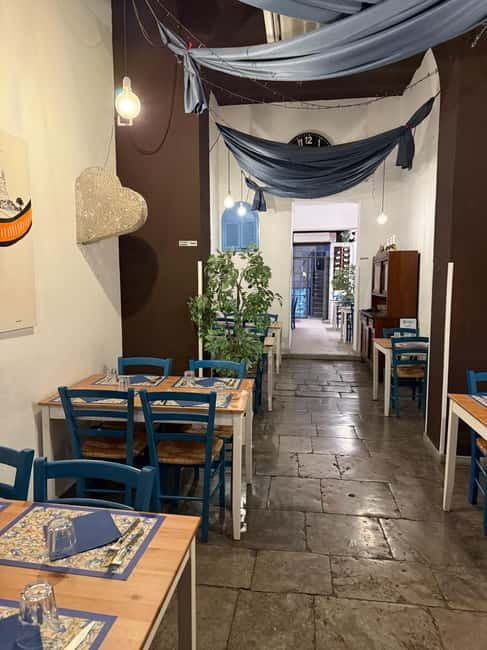
This class starts in a real working pizzeria, Pizzeria I Viziosi. That sounds small on paper, but it’s the difference between a show-and-tell cooking class and something that feels like Sicilian life: you’re surrounded by the rhythm of dough, heat, and orders.
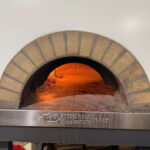
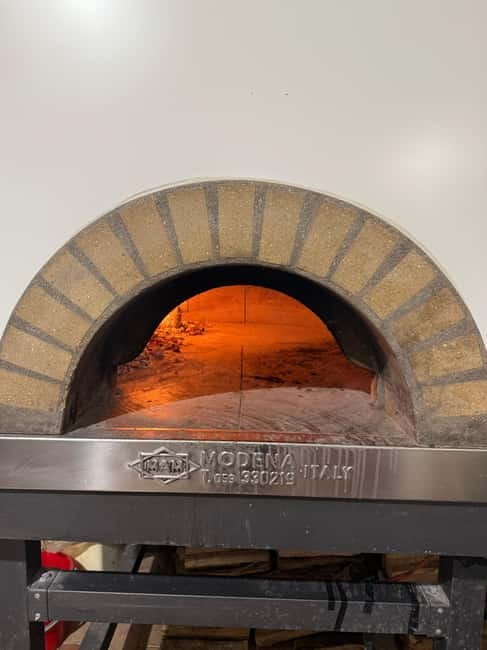
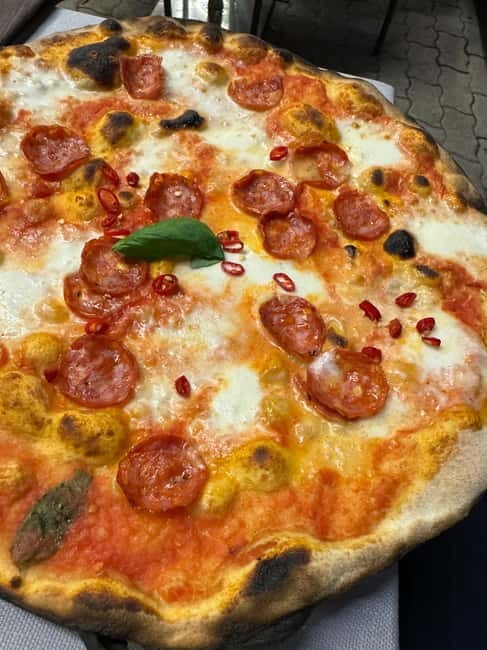
What you’ll appreciate right away is how the room and the equipment are part of the lesson. The wood-fired oven isn’t just a backdrop. It’s the reason the pizza tastes the way it does—high heat, quick bake, and that slightly char-kissed edge you only get when the oven is doing the work.
You can also read our reviews of more wine tours in Palermo

What Happens in Those 3 Hours (Tiramisu, Dough, Margherita)
A lot of pizza classes sell pizza. This one gives you the full meal arc: tiramisu first, then pizza-making, then eating what you produced.
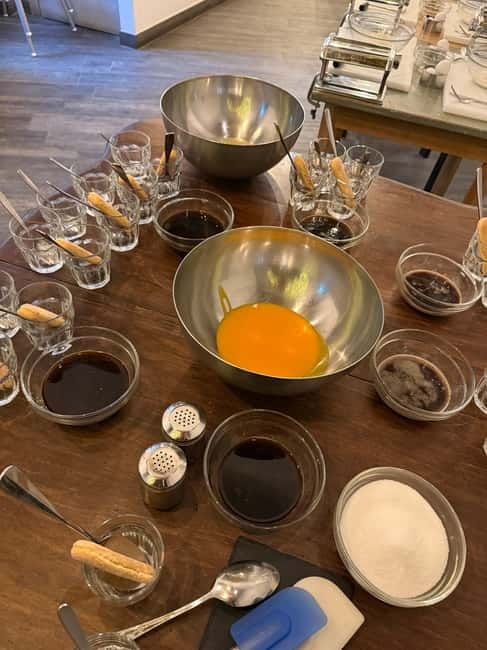
You’ll begin by putting your energy into tiramisu. The class is hands-on enough that it feels like you’re building the dessert, not hovering at the counter watching someone else do the fun parts. It’s also a smart move. You get something sweet and satisfying on the table early, which keeps the pace relaxed even though you’ll be working with dough shortly after.
Then comes the dough work. You’ll put on an apron and prepare the dough from scratch, guided step-by-step. This isn’t just about mixing ingredients; you learn what matters in the dough stage—texture, handling, and why the method is different from what you might do at home with a random recipe.
Once your dough is ready, you shape your pizza and add sauce and toppings. The goal is a classic Margherita, cooked until it’s golden and ready to eat right away. And yes, you’ll sample what you make along the way, so you’re not waiting until the end to find out if it worked.
The Mozzatura Moment: Learning a Sicilian Dough Detail
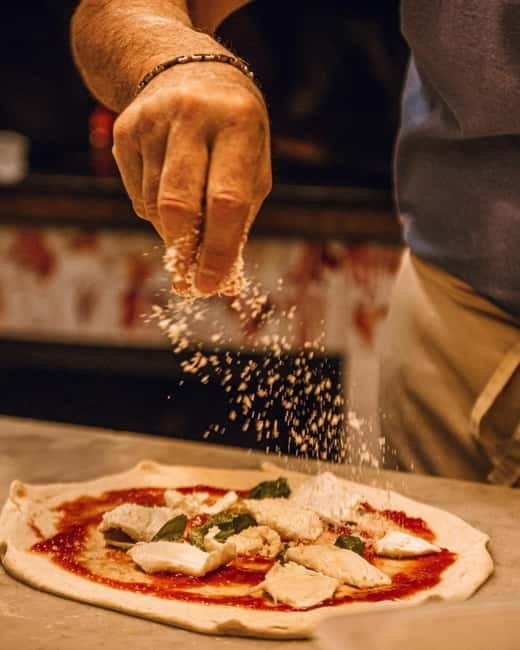
One of the most memorable parts here is the mozzatura technique. You’ll learn how dough is cut/handled in a way that’s tied to a 600-year-old method. Even if you don’t care about the exact date, the practical lesson is what counts: dough handling changes the final crust.
Here’s what you should take away for your own cooking. When you treat dough gently—and cut or separate it in a specific way—you help preserve the structure that turns into airy bubbles and a tender crumb. It’s one of those “small action, big result” topics that actually sticks.
You’ll also hear the logic behind the steps, including how the ingredients behave during mixing and how that affects stretching and shaping. That’s the difference between cooking that feels like a checklist and cooking that feels like you understand what the dough is asking for.
Quality Ingredients: Why Your Margherita Tastes Like a Real One
This class leans hard into one idea: good pizza starts before the oven. As you build your pizza, you learn why quality ingredients make a noticeable difference. That’s not marketing talk. It changes flavor in obvious ways—especially when you’re using a straightforward topping concept like Margherita.
You’ll also get the lesson that pizza doesn’t need to be complicated to be great. The point is balance: sauce and cheese that taste fresh, dough that has the right bite, and toppings that don’t drown everything else. When the oven heat is doing its job, the simplest ingredients can taste surprisingly layered.
If you’ve ever had pizza that was bland even with lots of toppings, this is the class angle that helps you correct that. You stop chasing “more” and start chasing “better” and “meant-to-be-together.”
The Wood-Fired Oven: Where Timing Gets Real
The real payoff is baking in the old wood-fired oven. You’re not just assembling a pizza and hoping. You’re baking in a furnace that cooks differently than most modern ovens.
Wood-fired baking rewards attention to dough readiness and heat. The bake tends to be fast, which helps the crust stay crisp while the center cooks properly. You’ll likely notice how quickly things happen once the pizza is in. That’s part of why this experience feels special: it’s a live, heat-driven process, not a slow, predictable bake.
There’s also a neighborhood authenticity to it. The oven is described as the neighborhood’s oldest wood-fired oven, and even without getting dramatic about it, the practical truth is simple: long-standing ovens are built around how local cooks actually work.
A few more Palermo tours and experiences worth a look
Rita and Angelo Run a Funny, Relaxed Show
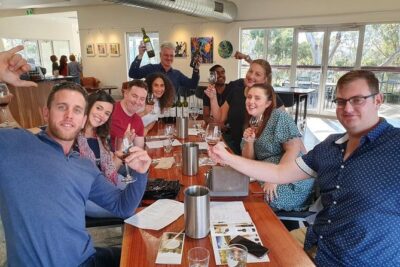
The best thing about the instructors is the energy. Multiple people highlight the same pattern: Rita brings warmth and translation support, while Angelo leads the kitchen steps. Even when the cooking gets hands-on, the atmosphere stays relaxed—lots of jokes, easy conversation, and a clear sense that everyone is meant to participate.
If you prefer classes where you can ask questions without feeling rushed, this is a strong match. The guidance is patient, and the structure is clear enough that beginners usually don’t feel lost—even during the dough stage, which is where many cooking classes start getting confusing.
You should also know that English support is part of the experience. That’s helpful when you’re learning technique that depends on how someone describes texture, handling, and timing.
Free Wine and Soft Drinks: The Social Glue
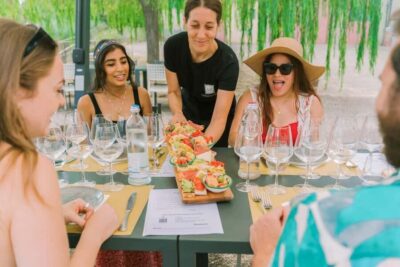
Wine and soft drinks are included, and the experience is described as having free-flowing wine during the session. In practice, this does something useful: it turns a skill-building workshop into a social meal you actually look forward to.
The key point for value: you’re not paying extra for drinks separately. The price includes wine and soft drinks as part of the overall meal experience, and that changes how you should think about the cost.
One caution, just to keep it real: some people feel the class is a bit high for the price. That’s fair. If you measure value only by the instruction time, it can sound steep. But if you measure value as a combination of pizza + tiramisu + wine + ingredients + oven time + a real local chef-led lesson, the math makes more sense.
Price and Value: Is $81 Worth It?
At $81 per person for about 3 hours, this is a paid experience, not a casual snack-and-learn. So the real question is what you’re buying.
You’re buying:
- a hands-on pizza lesson with from-scratch dough
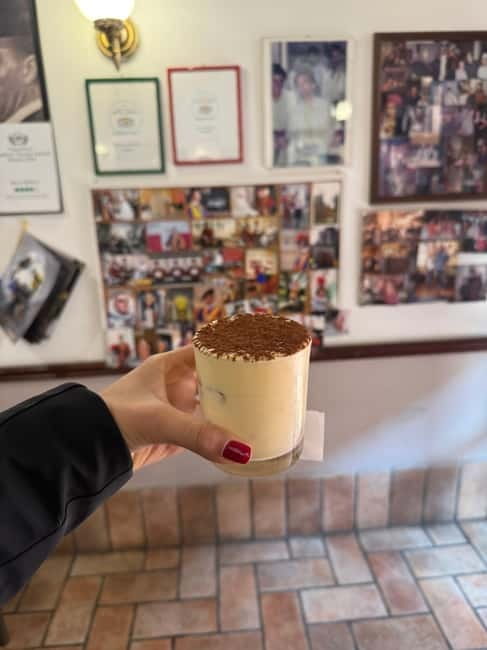
- tiramisu made during the class
- baking in a wood-fired oven
- included ingredients, plus wine and soft drinks
- your own handmade pizza to eat
For me, the value sweet spot is this: you leave with two things at once—skills you can try again at home and a meal that’s part of the experience, not just a side perk.
If you’re hoping for a super formal, quiet culinary seminar, you might want a different style. But if you want a friendly, local cooking night where you do the work and then eat well, the value starts to click.
Dietary Needs and Allergy Reality Check (Read This Carefully)
The class supports dietary options like vegetarian and other diets, but the key warning is that the instructions focus on the traditional recipe, which includes gluten, dairy, and eggs. Substitutes may be offered for allergies or preferences, but the staff can’t guarantee 100% avoidance of cross contamination.
Also, the experience is explicitly listed as not suitable for:
- vegans
- people with gluten intolerance
- people with lactose intolerance
- children under 3 and babies under 1 (age limits)
If you have allergies, tell the provider clearly when booking. If you have lactose or gluten intolerance, the safest plan is to treat this as not a fit. It’s better to be upfront than to hope for a workaround that may not exist.
Should You Book This Palermo Pizza and Tiramisu Class?
Book it if you want an authentic Palermo pizza-making workshop with real technique, real oven heat, and a fun, social atmosphere led by Rita and Angelo. It’s ideal for couples, solo travelers who like joining a small group, and food lovers who learn best by doing—not by watching.
Skip it if you need strict vegan, gluten-free, or lactose-free options. The class centers on the traditional recipe, and the allergy/cross-contamination note matters.
FAQ
How long is the Palermo pizza and tiramisu class?
It lasts 3 hours.
Where is the meeting point?
Please enter the restaurant, Pizzeria I Viziosi.
What’s included in the price?
A local chef instructor, use of apron and cooking equipment, ingredients for pizza making, wine and soft drinks, and your own handmade pizza. You’ll also sample the dishes you prepare.
Is wine included?
Yes. Wine and soft drinks are included, and the experience is described as free-flowing.
What language is the guide?
The class is guided in English.
Can vegetarians or other dietary preferences be accommodated?
Vegetarian options are listed as available. Other diets are supported, but you must inform the provider of your needs when booking.
Are vegan, gluten-free, or lactose-free participants able to join?
The experience is listed as not suitable for vegans, people with gluten intolerance, and people with lactose intolerance.
Is hotel pickup or drop-off included?
No. Hotel pickup and drop-off are not included.