REVIEW · PALERMO
Palermo: Pasta & Tiramisu Cooking Class with Flowing Wine
Book on GetYourGuide →Operated by The Roman Food Tour · Bookable on GetYourGuide
Fresh pasta in Palermo beats any TV show. I like how this 150-minute class jumps right into real cooking: a welcome Prosecco on arrival, then hands-on tiramisu and fresh pasta dough with clear, step-by-step coaching. You finish by sitting down to eat what you made, with wine flowing as part of the meal.
My other favorite part is the pacing and “do it with me” teaching style. The guide stays in English, you get an apron and workstation time, and the whole evening feels like a friendly Sicilian restaurant night, not a stiff demo. One thing to consider: the instructions follow the traditional recipe with gluten, dairy, and eggs, and they note you cannot guarantee cross contamination, plus the activity isn’t suitable for vegans or for lactose intolerance.
In This Review
- Key Highlights You’ll Care About
- Getting Oriented at Carlo V Near Quattro Canti
- Prosecco Welcome and a Real Restaurant Feel
- Tiramisu Comes First: Chilling, Texture, and the Why
- Fresh Pasta Dough: The Flour Choices That Make a Difference
- Shaping and Cooking: Learn the Motions, Not Just the Recipe
- The Meal: Eat What You Made with a Glass of Wine
- What Makes It Good Value at $56
- Dietary Reality Check: Who Should Book, Who Should Skip
- Language, Pace, and Group Vibe
- Who This Cooking Class Fits Best
- Should You Book This Palermo Pasta & Tiramisu Class?
- FAQ
- Where does the class meet in Palermo?
- How long is the pasta and tiramisu class?
- What’s included in the $56 price?
- Will there be an English guide?
- What dietary options are available?
- Is this class suitable for young children?
- What should I wear or bring?
Key Highlights You’ll Care About
- 100 meters from Quattro Canti: meeting point is the restaurant Carlo V, so you can pair this with an easy walk through the center.
- Prosecco on arrival + wine with your meal: the drink part is built into the experience, not an optional add-on.
- Tiramisu first, pasta dough next: you learn the timing behind chilling dessert before you start rolling dough.
- Fresh pasta basics that actually stick: you’ll get guidance on flour choice and the differences between pasta fresca and pasta secca.
- Hands-on shaping: you don’t just watch—you form pasta and sample what you make.
- English-speaking host: you get a live guide, and the room tends to feel lively with music and lots of conversation.
Getting Oriented at Carlo V Near Quattro Canti
This class starts in the heart of Palermo, close enough to drop into without complicated directions. The meeting point is simple: enter the restaurant Carlo V (Carlo Quinto), just about 100 meters from Quattro Canti.
If you’re already sightseeing nearby, you’ll appreciate that this doesn’t feel like a “go across town” event. Comfortable shoes matter because you’ll be standing and working at your station, and the restaurant is right where Palermo’s energy lives—walkable, central, and easy to combine with an evening out.
You can also read our reviews of more cooking classes in Palermo
Prosecco Welcome and a Real Restaurant Feel
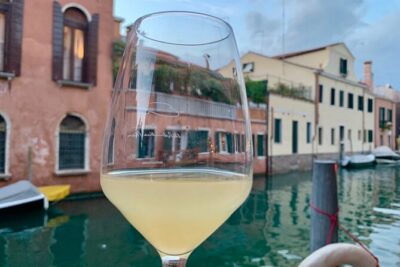
Right when you arrive, you get a welcome glass of Prosecco. Then you’ll step behind the scenes to see how the restaurant operates, and you’ll do the practical stuff first—washing your hands, putting on the apron, and getting set up before the cooking begins.
I like this start because it lowers the stress. You’re not fumbling around; you’re guided into the kitchen rhythm, and you can focus on learning. Reviews also point to a lively vibe with music and a host who keeps things fun, with people often chatting and taking photos as the evening builds.
Tiramisu Comes First: Chilling, Texture, and the Why
You’ll begin with tiramisu using a classic approach. The sequence matters: you prepare it first so it has time to cool and set before you eat it later.
You’ll also learn some of the history and the “secrets” behind getting it right, not just the steps. The biggest practical takeaway here is timing and texture—how you build the dessert so it stays creamy rather than watery, and how the chilling process affects the final bite.
This is also where the class feels most approachable. Even if you don’t cook much at home, the tiramisu work tends to be about careful assembly and watching cues from the guide. If you’ve got a sweet tooth and you like a guaranteed payoff, this first stage is a big win.
Fresh Pasta Dough: The Flour Choices That Make a Difference
After tiramisu, you move to your pasta workstation and learn how to make pasta dough from scratch. The coaching is hands-on and step-by-step, which is what turns fresh pasta from intimidating to doable.
You’ll get guidance on which type of flour to use and why texture matters. That’s not trivia—it changes how the dough handles while you roll, fold, and shape it, and it affects how the pasta cooks and holds sauce.
You’ll also learn the difference between pasta fresca and pasta secca. This helps you connect what you’re doing in the moment to what you’ll see later in Italian kitchens: fresca is fresh and quick-cooking, secca is dried and more shelf-stable. Once you understand that contrast, you’ll cook better at home, because you’ll stop treating all pasta as the same thing.
And yes, the class goes beyond one dough-based skill. Several people describe making shapes like ravioli and enjoying the fun of shaping together, where everyone’s version looks a bit different but the process stays the same.
Shaping and Cooking: Learn the Motions, Not Just the Recipe
A good cooking class teaches muscle memory, not just ingredients. Here, you spend real time working the dough and forming pasta, then you sample what you create later at the table.
One helpful detail is that the instruction stays focused on traditional method and technique. They also warn that for allergies or preferences, substitutions may be offered—but the instruction always centers on the traditional recipe, which contains gluten, dairy, and eggs.
That traditional focus is important for two reasons. First, it gives you consistent technique to follow. Second, it gives you a baseline you can recreate later with confidence, even if you choose to adjust ingredients yourself at home.
You can also read our reviews of more wine tours in Palermo

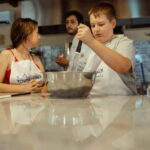

The Meal: Eat What You Made with a Glass of Wine
At the end, you sit down for lunch or dinner to enjoy the fruits of your labor. You’ll also get a glass of wine that pairs with the meal, and that’s part of why this feels like an experience rather than a workshop you hurry through.
Many people like the portion size and the fact that you’re not stuck with leftovers or only a tiny tasting. You’ll sample the dishes you prepare, and you can compare how your dough and tiramisu turned out versus how the guide described it should feel.
This is also when the social side clicks. Reviews mention staying afterward to talk and keep drinking, and the class often includes music and a group energy that makes it easy to meet other people without awkward forced games.
What Makes It Good Value at $56
At $56 per person, the value is strongest when you look at what’s included. You get an English live host, an apron, the cooking class for both tiramisu and fresh pasta dough, and then a full meal (lunch or dinner) plus drinks: a welcome Prosecco and a glass of wine with your meal.
So you’re paying for more than instruction. You’re paying for ingredients, kitchen time, coaching, and the meal experience you’d otherwise spend on separately. If you’ve ever taken a class and then still ended up paying for dinner, this one is built to end with food you already made.
It’s also reasonably priced compared to how “culinary nights” can balloon in busy tourist areas. Here, you’re in a Palermo restaurant setting close to major sights, and you leave with skills you can actually use.
Dietary Reality Check: Who Should Book, Who Should Skip
This is the part I’d put in plain terms. The class lists dietary options like vegetarian, vegan, and lactose intolerant support, but it also states it’s not suitable for vegans, for lactose intolerance, for gluten intolerance, and for children under 3 (and babies under 1).
They also clearly note that substitutions exist for allergies or food preferences, but instructions always focus on the traditional recipe containing gluten, dairy, and eggs. They cannot guarantee 100% free of cross contamination.
If you have a serious allergy (or celiac-level gluten needs), I strongly recommend messaging the provider before booking and asking exactly what they can and cannot change. For mild preferences, you’ll likely have more flexibility, but the traditional structure won’t disappear.
Language, Pace, and Group Vibe
The guide is English-speaking, and the class is designed with a low-pressure pace. Reviews repeatedly describe it as well paced and easy for people who have never made pasta before.
Another plus is the teaching style. Hosts like Giuseppe and Simone show up in reviews, and the common theme is energy plus patience: people feel comfortable asking questions, and they don’t feel rushed. One review even mentions the dish plan: tiramisu is made first to cool, then pasta work happens afterward, which helps the flow make sense.
Do expect a lively atmosphere. Many people describe music, laughter, and enough time for photos. If you’re the kind of person who enjoys a social dinner setting, you’ll probably feel at home here.
Who This Cooking Class Fits Best
This class is a great match if you want hands-on Italian cooking without needing technical confidence. I’d point you here if you’re visiting Palermo and want an experience tied to local restaurant culture, not just a scripted tour.
It also works well for groups and mixed experience levels. People mention bringing teenage kids, solo participants feeling comfortable, and friendships forming around the table.
If you’re strictly avoiding alcohol, you might find the “wine-forward” format less ideal since wine is part of the included meal experience. Also, if you fall into the “not suitable” dietary or age categories, this is probably not the right choice.
Should You Book This Palermo Pasta & Tiramisu Class?
If you want a practical Palermo food memory—something you can recreate at home—this booking makes sense. I’d recommend it especially if you care about fresh pasta technique, classic tiramisu assembly, and finishing with a proper sit-down meal in a central location.
Skip it if you have celiac or lactose intolerance needs you can’t risk, or if you’re vegan and relying on the class to fully substitute without restrictions. And if you’re sensitive to alcohol or expect wine to be constantly topped up the way some groups like it, know that the format includes wine but the “flow” can feel different depending on timing and the group.
FAQ
Where does the class meet in Palermo?
Please enter the restaurant Carlo V (Carlo Quinto) for the meeting point.
How long is the pasta and tiramisu class?
The duration is 150 minutes.
What’s included in the $56 price?
Included are a welcome glass of Prosecco, the pasta and tiramisu cooking class, lunch or dinner, a glass of wine, and an apron.
Will there be an English guide?
Yes. The class includes a live tour guide in English.
What dietary options are available?
The activity lists vegetarian and other dietary options such as vegan and lactose intolerant support, but it also states it is not suitable for vegans and people with lactose intolerance. It also says substitutions may be offered, but the traditional recipe includes gluten, dairy, and eggs, and they cannot guarantee 100% cross contamination. Inform the provider of any allergies or food restrictions.
Is this class suitable for young children?
No. It’s not suitable for children under 3 years, and it also notes babies under 1 year.
What should I wear or bring?
Bring comfortable shoes and comfortable clothes. Smoking is not allowed.