REVIEW · MILAN
Milan: Pasta and Tiramisu Cooking Class with Wine
Book on GetYourGuide →Operated by The Roman Food Tour · Bookable on GetYourGuide
Fresh pasta and tiramisu, made in three hours.
This Milan cooking class turns a sightseeing break into real kitchen time, starting with a Prosecco welcome and ending with wine and what you made.
I especially like the hands-on coaching. You’ll work on pasta dough step by step, with clear guidance on flour choice and on the practical difference between pasta fresca and pasta secca. I also like that the tiramisu lesson feels just as serious as the pasta, so you leave with a dessert you can actually repeat, not just watch.
One thing to consider: classes run with a group size reported around 15–20, so if you’re hoping for very personal, slow instruction, you may have to share the chef’s attention.
In This Review
- Key Things That Make This Class Worth Your Time
- Prosecco Welcome and a Real Milan Restaurant Kitchen
- Making Fresh Pasta Dough Without Guesswork
- Sauce Work and the Meal You Actually Get to Eat
- Tiramisu Secrets That Don’t Require a Special Hobby
- Wine at the Table: Prosecco First, Then Fine Wine
- What You Pay for: The $61 Value in Plain Terms
- Dietary Reality Check: Traditional Recipe Comes First
- Group Size and How to Get the Most Out of Your Time
- Who This Class Suits Best in Milan
- Book or Skip: My Take on Making the Decision
- FAQ
- What is the price of this Milan cooking class?
- How long does the class last?
- Is the instructor teaching in English?
- What dishes will I learn to make?
- Is wine included?
- Where do we meet for the class?
- Are there dietary options, and can you handle allergies?
- Is this class suitable for kids?
- What is the cancellation policy?
Key Things That Make This Class Worth Your Time
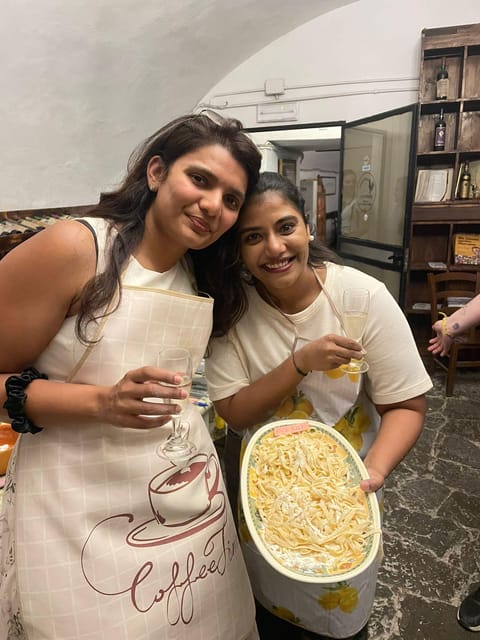
- Prosecco welcome when you arrive, before you even tie on the apron
- Behind-the-scenes look at how an Italian restaurant kitchen works day to day
- Fresh pasta instruction that covers dough technique, flour choice, and pasta fresca vs secca
- Tiramisu know-how with guidance on the traditional build of the dessert
- Wine with your meal once you sit down together to eat what you prepared
Prosecco Welcome and a Real Milan Restaurant Kitchen
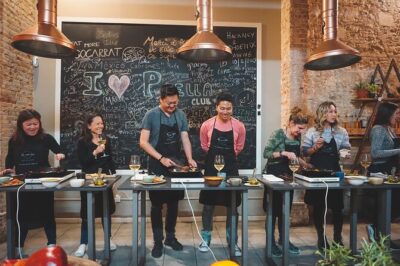
The best part of this kind of class in Milan is that it doesn’t feel like a demo. You step into a working restaurant setup, you get oriented quickly, and you jump into the rhythm of Italian cooking. Before you cook, you’ll receive a welcome glass of Prosecco, which sets the tone nicely without turning the evening into a party.
After that first sip, you’ll get a behind-the-scenes view of how the restaurant operates. You’re not just standing in the background watching someone else work. You’ll see where food comes together, how the kitchen is organized, and how the day’s flow matters when you’re turning ingredients into a meal.
The vibe also helps if you’re new to cooking. One helpful detail: the teaching is in English, so you’re not left guessing what the chef is telling you to do. You’ll be guided toward traditional methods, and that matters when you want results that taste like Italy and not like “Italian-themed dinner at home.”
You can also read our reviews of more cooking classes in Milan

Making Fresh Pasta Dough Without Guesswork
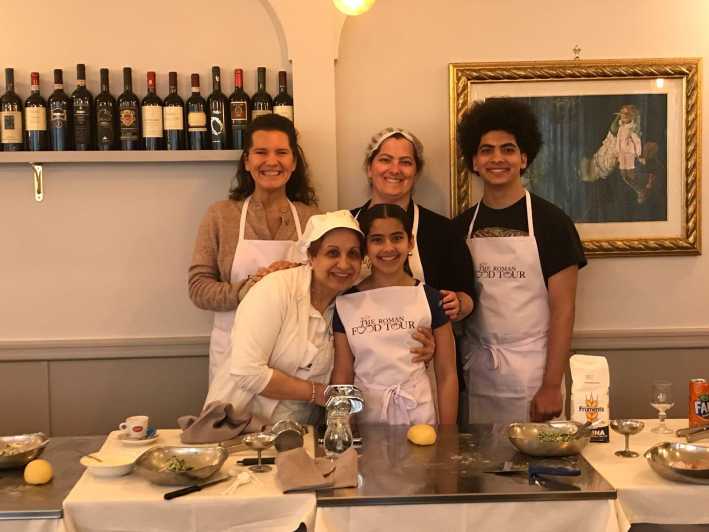
This class’s center of gravity is fresh pasta from scratch. You’ll tie on your apron, move to your workstation, and start learning the mechanics of making dough. The instruction focuses on the stuff that usually trips people up at home: dough texture, kneading/working it properly, and how ingredients behave.
You’ll also learn about which flour to use and why it changes the outcome. Flour isn’t just a label in a recipe. In pasta making, the type of flour affects elasticity and structure, and those are the differences you taste when the pasta holds up after cooking.
Then comes the practical lesson on pasta types: the difference between pasta fresca and pasta secca. Pasta fresca is about freshness and a softer texture after boiling. Pasta secca is dried and behaves differently in cooking and sauce cling. Understanding that difference helps you stop treating all pasta as interchangeable, which is how most home attempts go wrong.
One smart detail: the class is designed around making enough pasta and sauces that you’ll end up eating. In other words, you’re not just learning theory and leaving hungry. And depending on the session, you may find that some of the finishing happens with staff support so your group can actually sit down together at the end.
Sauce Work and the Meal You Actually Get to Eat
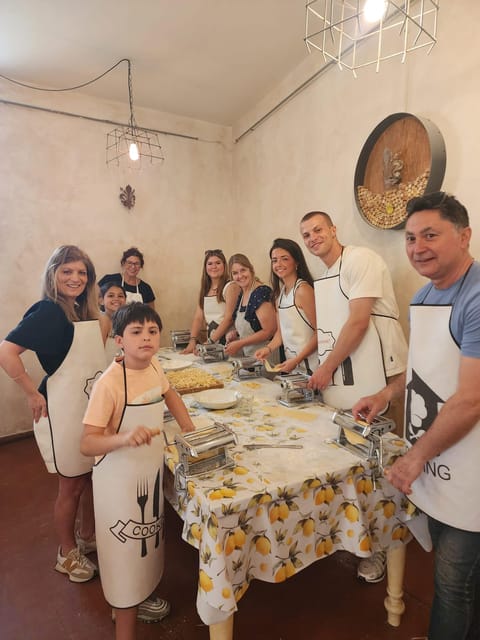
Once your pasta is prepared, the class moves toward the best part: eating. The structure is built so you’re sampling what you made, not just touring the steps. In several experiences like this, the sauces are a standout, and that matches what people seem to enjoy most here—especially because pasta and sauce are taught as a system.
Even if you do the hands-on portion, you’re still benefiting from restaurant timing. Kitchens cook fast. They taste and adjust. You get the sense that pasta isn’t just a dough exercise—it’s the start of a full plate.
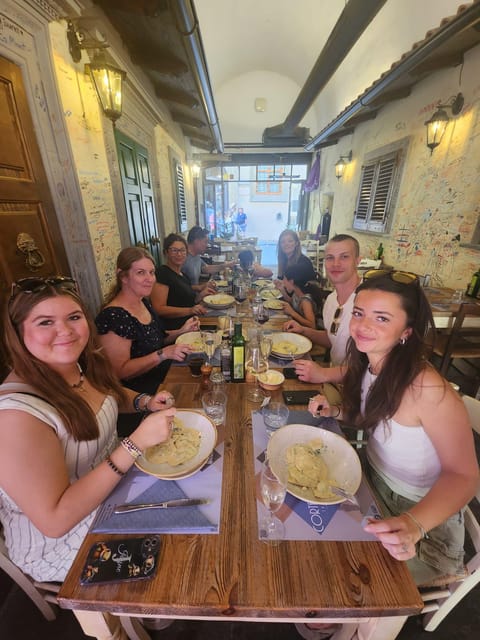
This matters for value. A lot of cooking classes turn into a long lesson and then a small tasting. Here, the class culminates in lunch or dinner together, and you’ll be sampling the dishes you prepare. That means you get to judge your work while it’s fresh and warm, like it should be.
Tiramisu Secrets That Don’t Require a Special Hobby
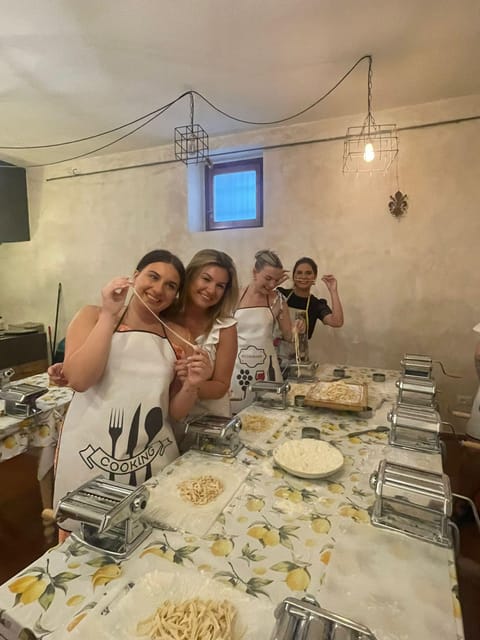
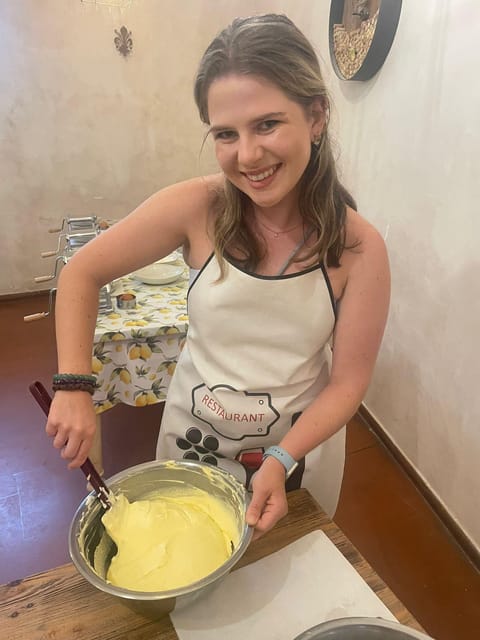
Italy’s desserts can look fancy, but tiramisu is mostly about technique and patience. In this class, you learn how to prepare the traditional version, including the build of the layers that make it tiramisu instead of something else in a glass.
You’ll be guided through the steps, with a focus on doing it the traditional way. That’s important because tiramisu relies on a balance: how the components are combined and how the structure holds up after chilling.
In one recent experience, the group made tiramisu first, then moved into pasta. That order may vary by class flow, but the core point stays the same: dessert isn’t treated like a side project. You get actual instruction, not a quick demo.
Also, because you finish by eating together, you’ll get to taste your tiramisu as part of the full meal, not as a separate snack at the end of a demo. That pairing makes the dessert land better, especially when you’re already warmed up from cooking and talking.
Wine at the Table: Prosecco First, Then Fine Wine
Wine here is more than a perk. It’s woven into the experience at two points. You start with a glass of Prosecco on arrival, then later you sit down with fine wine paired with your meal.
This is a good fit for people who want flavor and celebration without losing the cooking part. The wine helps you shift from sightseeing mode into “I’m here for Italy” mode. It also makes the meal feel like an actual restaurant evening rather than a workshop where everyone goes home with containers.
If you’re the type who remembers vacations by taste, this is a strong reason to book. You’re not just learning how to cook; you’re eating the results in a way that matches how Italians actually enjoy food—slow enough to talk, structured enough to feel special.
You can also read our reviews of more wine tours in Milan


What You Pay for: The $61 Value in Plain Terms
At $61 per person for about 3 hours, the pricing is usually fair for what’s included here. You’re not paying just for a cookbook-style lesson. You’re paying for a chef, ingredients, hands-on workstation time, and the meal outcome—fresh pasta, tiramisu, and fine wine.
What makes it good value is that it includes both the cooking and the sit-down finish. You’ll sample what you prepare, not just watch the final plating. And because the class runs in a local restaurant environment, you get that Milan authenticity factor without needing to figure out how to source ingredients or equipment.
Also, the English instruction reduces friction. When you’re learning technique, language matters. Being able to follow explanations clearly helps you do the steps right the first time, which saves you from the classic “I tried later and it failed” problem.
Dietary Reality Check: Traditional Recipe Comes First
If you’re hoping for substitutions, you can’t assume everything will be fully allergy-safe. The class offers substitutes for allergies or food preferences, but the instructions focus on the traditional recipe that includes gluten, dairy, and eggs. They also note they cannot guarantee 100% free of cross contamination.
That means you’ll want to plan carefully if you have serious allergies. Inform the activity provider of your allergies or dietary restrictions before you go, and be clear about what you can and cannot tolerate. The class is set up to support dietary needs, but it’s still a traditional kitchen environment.
There’s also a mismatch you should understand before booking. The details list vegetarian and vegan options, yet the notes also say it is not suitable for vegans and not suitable for lactose intolerance. If you fall into a category like lactose intolerance, double-check directly with the provider so you don’t show up expecting a swap that may not be available.
What is safer: vegetarian on request is mentioned, and English guidance plus traditional recipes means you’ll at least know what baseline you’re working with. For gluten intolerance and lactose intolerance, the notes indicate it’s not suitable, so keep that front and center.
Group Size and How to Get the Most Out of Your Time
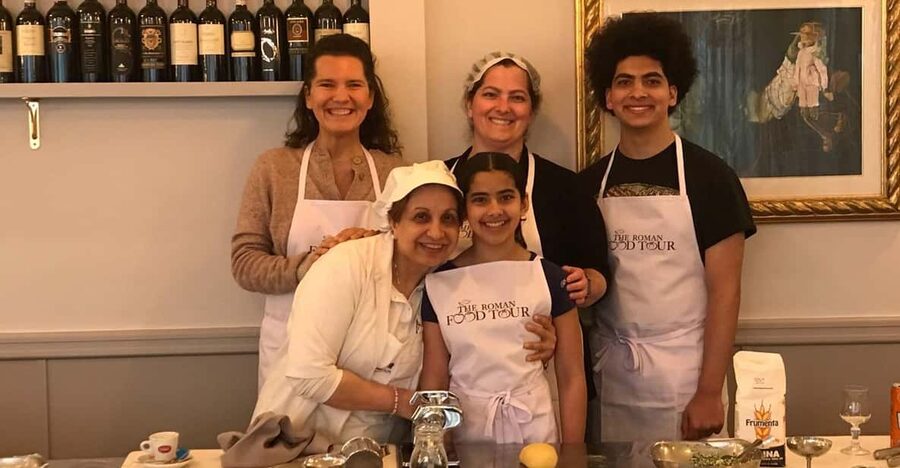
One consideration that comes up with classes like this is attention time. A class size reported around 15–20 means you’ll cook at your own station, but you may not get long 1-on-1 troubleshooting. The hosts still do a good job explaining and welcoming, but you’ll get the best results if you listen closely at the start and ask questions when you have them.
This doesn’t make the class worse. It just changes the strategy. Come ready to follow the chef’s sequence. If you’re confused, ask quickly when the chef pauses for the next step. That way you catch the key technique while it’s still fresh.
And if you’re cooking with friends, this format is a plus. You’ll talk, compare textures, and laugh at the inevitable flour mishaps. One review described the experience as very social, which fits the “shared meal” payoff at the end.
Who This Class Suits Best in Milan
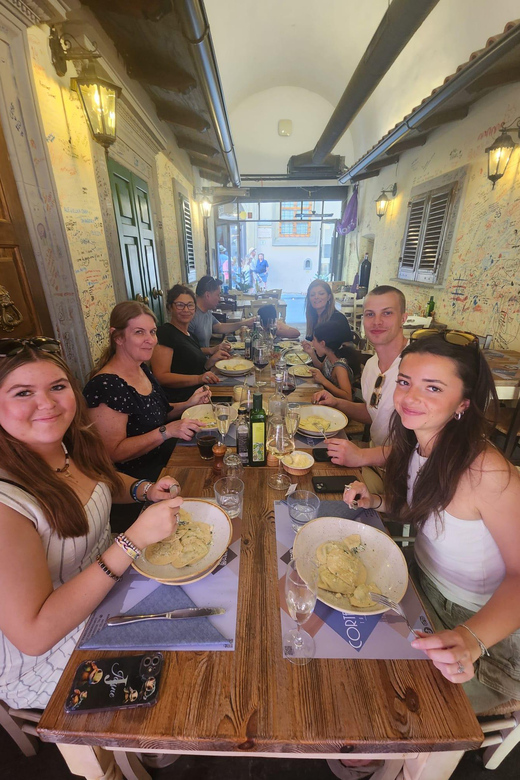
This experience is a great match if you want an authentic Milan food skill without trying to do it alone at home later. It’s also a strong pick if you want something adult-friendly and structured but still relaxed.
You’ll likely enjoy it most if you:
- Like hands-on learning more than museum-style sightseeing
- Want a practical takeaway: dough technique and tiramisu assembly
- Appreciate restaurant-style pacing, where you cook and then eat
It’s less ideal if you:
- Need strict allergen guarantees (cross contamination can’t be ruled out)
- Are very sensitive to gluten or lactose, since the notes say it’s not suitable
- Are looking for a private class with lots of personal coaching
Book or Skip: My Take on Making the Decision
If your Milan plan includes time for food, I think this class is worth booking. It’s short at 3 hours, includes wine and a shared meal, and it teaches two recipes that are both iconic and achievable when someone explains the technique in plain terms. The fact that you’ll eat what you made seals the deal.
If you’re traveling with major dietary restrictions, I’d take extra caution. The class supports options, but the traditional recipe and cross-contamination note are the big constraints. For lactose intolerance and gluten intolerance, the notes indicate it’s not suitable, so don’t gamble.
FAQ
What is the price of this Milan cooking class?
It costs $61 per person.
How long does the class last?
The duration is 3 hours.
Is the instructor teaching in English?
Yes, the instructor provides instruction in English.
What dishes will I learn to make?
You’ll make fresh pasta from scratch and tiramisu.
Is wine included?
Yes. You’ll get a welcome glass of Prosecco, and you’ll also have fine wine with your meal.
Where do we meet for the class?
The meeting point may vary depending on the option booked.
Are there dietary options, and can you handle allergies?
Dietary options are listed (including vegetarian and other diets), and you can inform the provider of dietary needs. However, the traditional recipe includes gluten, dairy, and eggs, substitutions are not guaranteed to be allergy-safe, and cross contamination cannot be guaranteed.
Is this class suitable for kids?
It is not suitable for children under 3 years, and it is also noted as not suitable for babies under 1 year.
What is the cancellation policy?
You can cancel up to 24 hours in advance for a full refund.