REVIEW · MILAN
Milan: Italian Cooking Class with Food and Wine
Book on GetYourGuide →Operated by CHEF AND THE CITY · Bookable on GetYourGuide
Fresh pasta, made in real life. This Milan workshop lets you cook 3 traditional dishes under an Italian chef’s eye, then relax with the meal and wine you made. I like that you also get the recipes to recreate at home, not just a vague memory. One heads-up: the kitchen rules are strict, so you won’t be snacking or sipping while you’re cooking.
The vibe is practical and fun, with chefs who explain the why behind each step. Ilaria, in particular, shows up as warm, energetic, and very hands-on, even correcting mistakes as you go, while also sharing little cultural notes (like how carbonara should be made without cream). The drawback is that this is a working lab, so it’s not a casual wander-around-it-gets-better vibe.
You’ll meet in the street-level shop called Chef and the City, with three big windows and red signage on top. Ring the bell at the main window door, and you’re in.
In This Review
- Key things to know before you cook
- Why This Milan Class Feels Practical, Not Touristy
- The 3-Hour Flow: From Snacks to Fresh Pasta to Wine at the Table
- 1) Arrival at Chef and the City
- 2) Light bites while you get oriented
- 3) You cook at your own desk
- 4) Pasta-making and dish building
- 5) Dessert and the shared meal
- What You’ll Cook: Pasta Shapes, Italian Staples, and Desserts
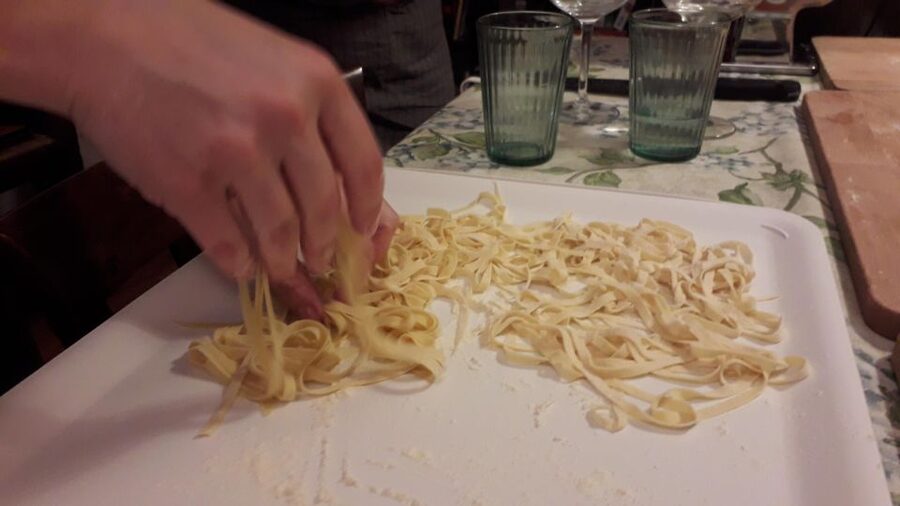
- Fresh pasta from scratch
- Italian starters and savory plates
- Dessert
- Chef Energy: Ilaria (and the Team) Make the Lessons Stick
- Wine and the Dining Room Finale
- Recipes You Can Actually Use at Home (Not Just Nice Souvenirs)
- Is It Worth $80 for 3 Hours in Milan?
- Kitchen Rules and Practical Tips That Prevent Annoyance
- Who This Class Suits Best (And Who Should Rethink It)
- Should You Book This Milan Cooking Class?
- FAQ
- FAQ
- How long is the Milan cooking class?
- What is the price per person?
- What dishes will I make?
- Is wine included?
- Are recipes included?
- What’s included in the class besides food?
- Where do I meet the chef?
- Is the class wheelchair accessible?
- Are pets and luggage allowed?
Key things to know before you cook
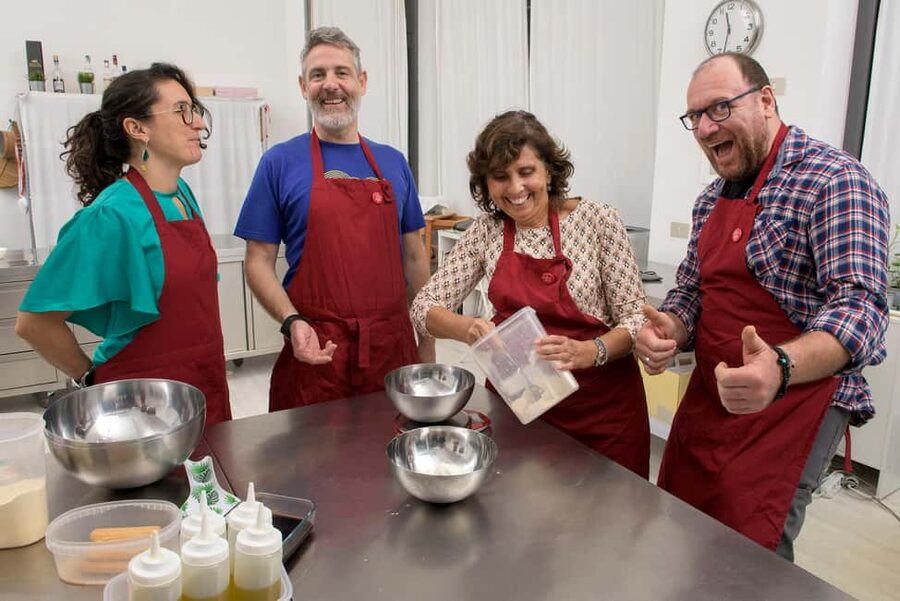
- Hands-on from your own station: you work at a personal desk, not just watching.
- Fresh pasta training: expect pasta work like tagliatelle, gnocchi, ravioli, or similar shapes.
- Sauces and method matter: you’ll learn how to build cacio e pepe and ragu’ (timing, texture, and technique).
- You eat what you make: the class ends with a shared dining-room meal plus wine.
- Recipes included: you leave with copies you can actually use at home.
- Kitchen rules are real: no drinks/food while cooking, no tasting mid-process, hair tied back.
Why This Milan Class Feels Practical, Not Touristy
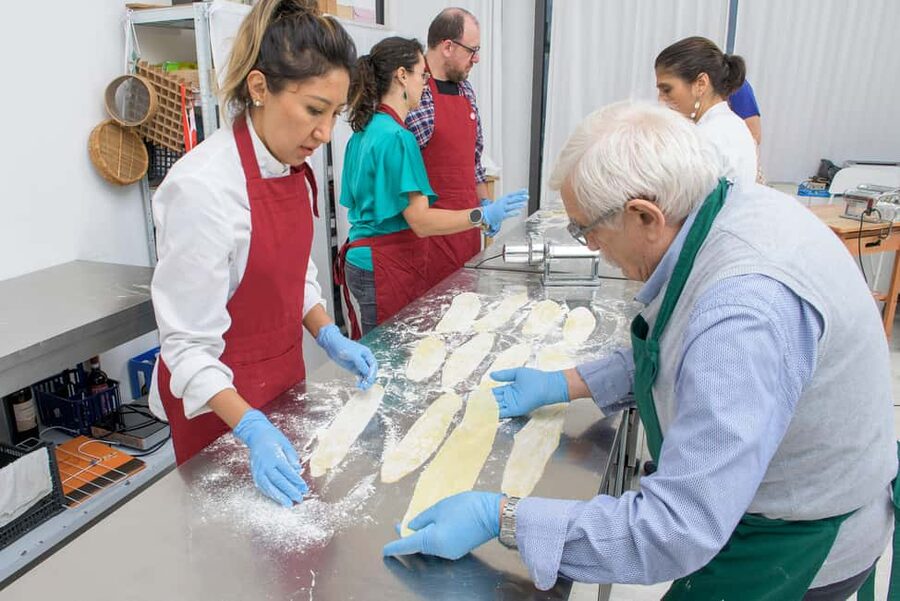
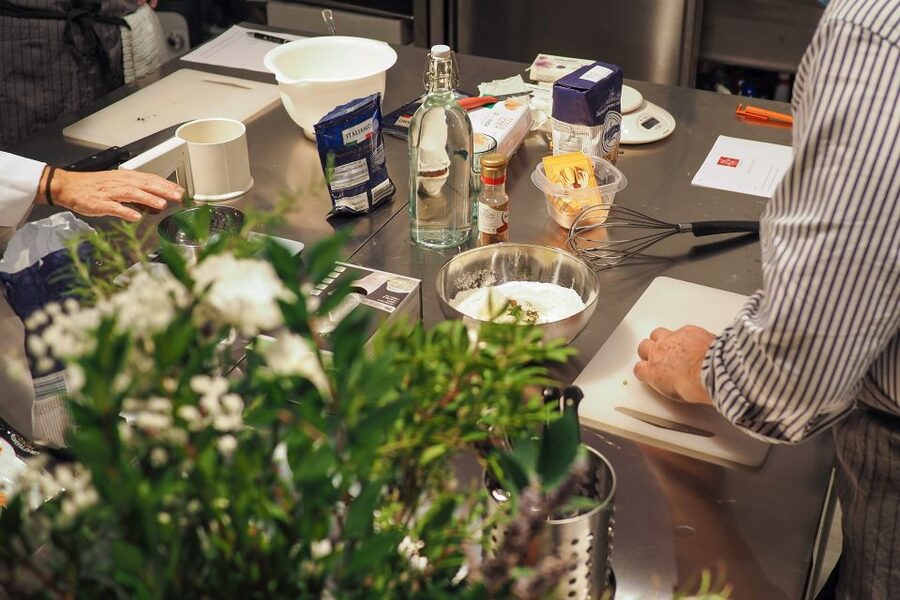
Milan has plenty of food tours. This one is different because it’s a cooking workshop, run like a professional setup. You’re not standing at the edge of the kitchen hoping someone notices you. You’re in it—gloves and aprons on, tools ready, and a chef guiding each step.
Two things I really like about the format:
1) You learn technique, not just recipes. When your chef talks about pasta texture or why a sauce behaves a certain way, it helps you repeat results later. Even small corrections can save you from common home-kitchen mistakes.
2) You finish with a meal, not leftovers. Many classes teach you for 90 minutes and then you get a tiny bite. Here, you cook and then sit down together with wine, coffee/tea/infusions, and the dishes you made.
The “not for everyone” angle is that it’s a working lab with rules. If you want a relaxed cooking experience where you snack constantly and wander around, this will feel too controlled. Think focus and rhythm, not freedom.
You can also read our reviews of more food & drink experiences in Milan


The 3-Hour Flow: From Snacks to Fresh Pasta to Wine at the Table
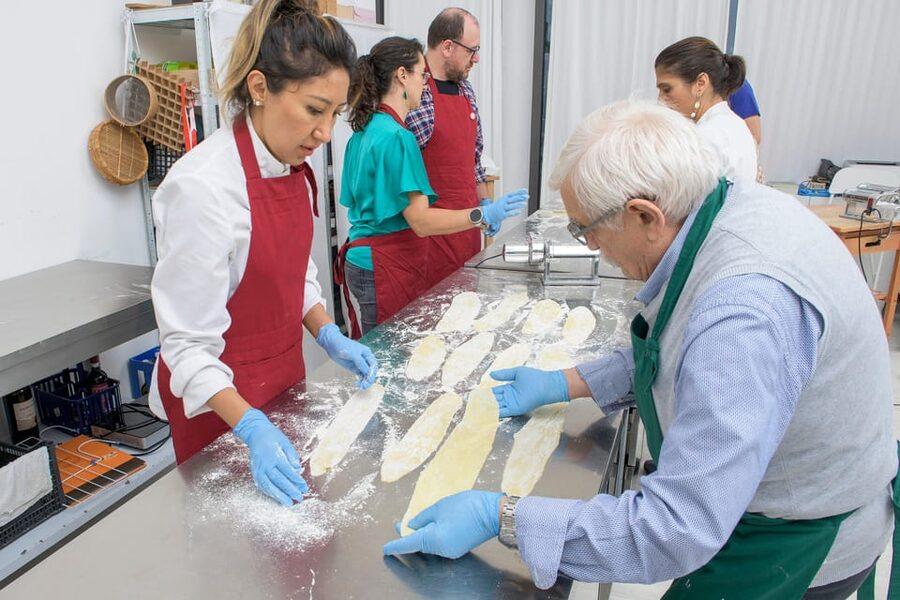
The day is designed to move fast without feeling rushed. Plan your evening around a clean 3-hour block—long enough to learn, produce, and eat.
1) Arrival at Chef and the City
You meet at Chef and the City, a street-level shop with three large windows and three red signs above them. When you arrive, ring the bell at the main window door.
This matters more than it sounds. Because it’s a small shop/kitchen setup, being on time helps them start the class cleanly and get you into your cooking station.
2) Light bites while you get oriented
Before the serious cutting and mixing, expect small snacks such as cheese, dry tomatoes, mortadella, and olives. There are also sweets like cookies, biscuits, and candies, plus coffee, teas, infusions, and water.
The practical point: this is your buffer time. You’ll taste enough to get the appetite going, but the cooking rules still kick in once you’re actively working.
3) You cook at your own desk
You’ll work at a personal station with cooking tools provided, plus gloves and aprons. Chefs teach you as you go—how to shape dough, how to roll it, and how to handle the steps that change everything (like hydration levels in pasta dough or how to time sauce simmering).
Your station setup is a big value piece. It reduces waiting, and you actually touch the ingredients instead of just watching other people do it.


4) Pasta-making and dish building
This is the core block. Expect to make items that connect to classic Italian plates—fresh pasta from scratch is a repeated theme, with shapes like tagliatelle, gnocchi, or ravioli, plus sauces such as cacio e pepe or ragu’.
5) Dessert and the shared meal
After the cooking, you sit in a dining room with the food you made. Wine is included. You’ll also chat with fellow students while you eat, turning the whole thing into something between a class and a dinner party.
A fun detail: some reviews mention wine quantities that feel generous (like 1.5-liter bottles in certain classes). Even without assuming a set amount every time, it’s clear the organizers aim for a proper wine-and-dinner finish.
What You’ll Cook: Pasta Shapes, Italian Staples, and Desserts
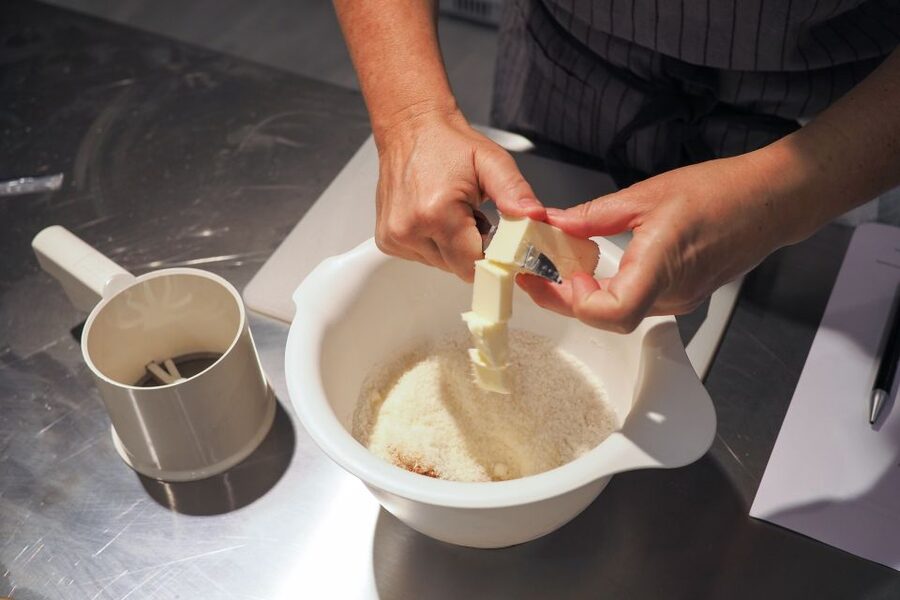
The exact menu can vary, but the themes are consistent: fresh pasta, an Italian starter, and a classic dessert.
Here’s what you should expect to see on the menu possibilities based on the dishes repeatedly mentioned:
Fresh pasta from scratch
You’ll likely tackle one or more of these pasta directions:
- Tagliatelle (and other rolled pasta)
- Gnocchi (potato-based shaping)
- Ravioli (stuffing and forming)
- Plus pasta sauces like cacio e pepe and ragu’
One chef tip that shows up in the reviews: sauce timing and method matter. For example, ragu-style sauces need slow cooking, which is why the class may provide components or sauces you can assemble quickly—but you still get recipes and guidance so you can do it fully at home.
Italian starters and savory plates
Common starter options include bruschetta and focaccia, and sometimes vegetable-forward dishes like eggplant parmigiana appear in the broader list.
Bruschetta is a good “starter starter.” It teaches you how Italian flavor builds quickly: bread texture, topping balance, and seasoning.
Dessert
Dessert is often tiramù. You may also see cookies/biscuits, and in some classes biscotti/cantucci or other sweets like strudel show up.
One detail worth keeping in mind: there’s a cultural note about tiramù. A review highlights that it’s not prepared with amaretto in the traditional approach, which can be a great corrective if you’ve learned different versions.
Chef Energy: Ilaria (and the Team) Make the Lessons Stick
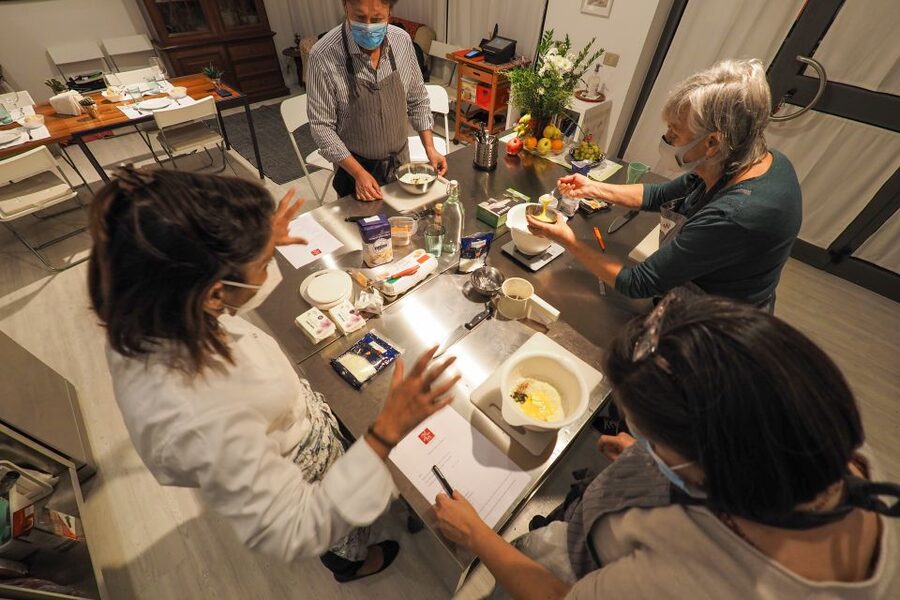
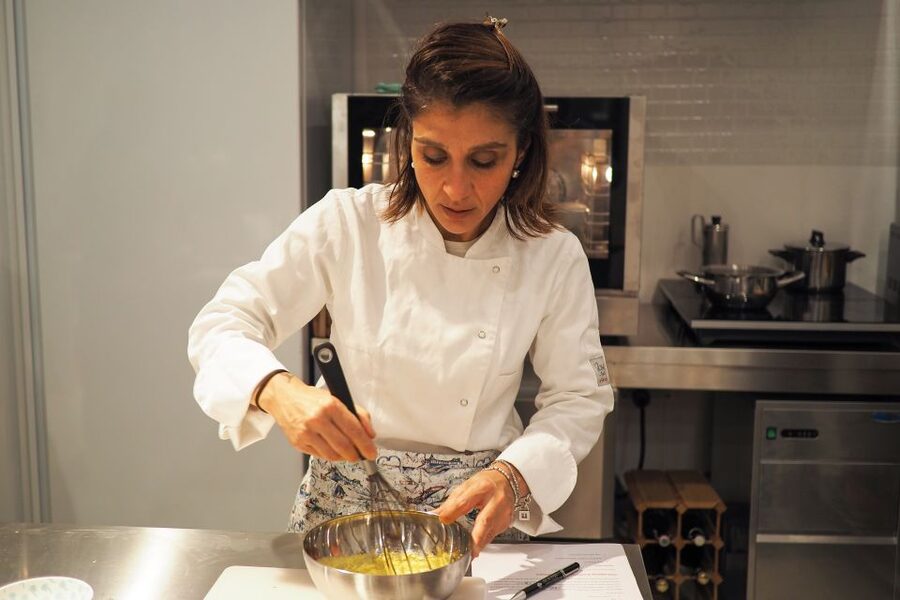
A big part of why this class earns such high scores is the teaching style. Ilaria is repeatedly described as personable, passionate, and very good at explaining steps clearly. You also get the sense the chefs want you to succeed, not just complete tasks.
In reviews, Ilaria is known for:
- explaining the history and cultural significance behind dishes
- having fun while teaching
- correcting mistakes in a helpful way (and yes, sometimes with humor)
Other instructors and assistants also show up in reviews, including Klara and Fernando. So even if you’re not with Ilaria every night, the structure is still the same: a chef who talks you through the “why” while you do the work.
And the kitchen itself seems taken seriously. Clean setup, professional tools, and hygiene are part of what you’re buying.
Wine and the Dining Room Finale
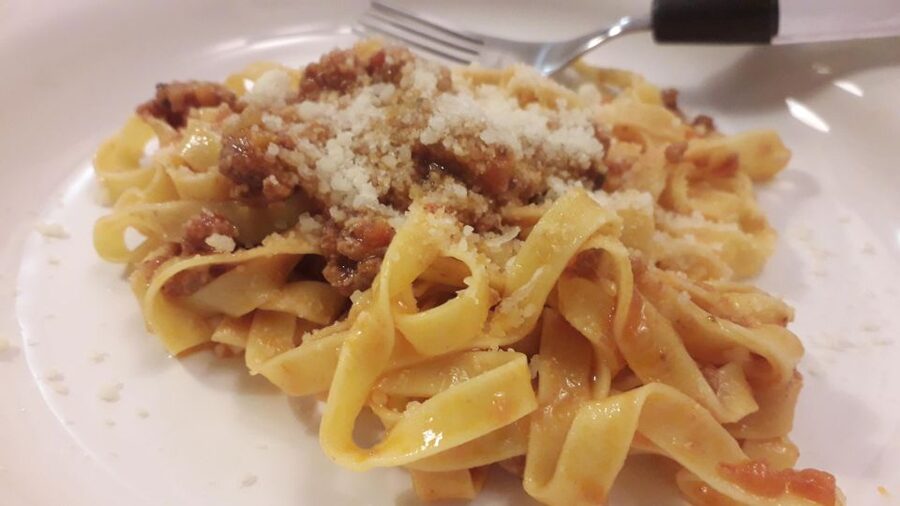
The best moment is when the class stops being work and becomes dinner.
Included in the experience:
- wine with the meal
- the food you cooked together
- beverages beyond wine, like coffee/tea/infusions (plus water)
The social angle isn’t forced. It’s built in: you’ll sit as a group, eat together, and have time to chat while the food lands. If you’re traveling solo, that shared table time is usually where you meet people without doing anything awkward.
One practical note: because the class starts with strict kitchen rules (no tasting while actively cooking), you may feel a little like you’re waiting for your reward. The upside is that the final meal tends to feel extra satisfying.
Recipes You Can Actually Use at Home (Not Just Nice Souvenirs)
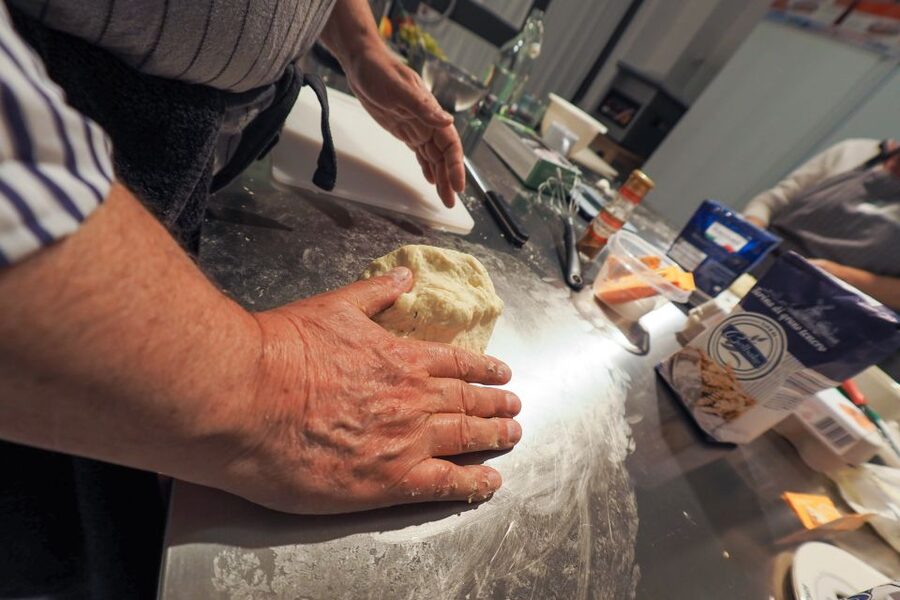
Most cooking classes give you something. This one gives you copies you can recreate with later.
You should expect recipes that cover:
- the pasta basics and shaping approach
- how to assemble dishes with sauces like cacio e pepe or ragu’
- dessert steps (often tiramù or a similar classic)
A useful example from the reviews: sauces may be provided in a faster format for class timing, while recipes explain how to do the longer, traditional version at home. One review notes that sauces take hours to cook, which is exactly the kind of detail you want—so your home attempt doesn’t end in confusion when your kitchen moves slower than a teaching schedule.
If you want the highest success rate at home, treat the recipes as a method guide. Don’t just follow steps blindly. Use them to understand texture and timing.
Is It Worth $80 for 3 Hours in Milan?
Let’s talk value. $80 per person for 3 hours includes more than instruction.
You’re also getting:
- ingredients and food
- beverage (including wine)
- cooking tools plus gloves and aprons
- recipe copies to take home
In practical terms, you’re paying for a chef’s guided time plus the convenience of everything being set up: ingredients, equipment, cleanup, and a structured flow from cooking to eating.
Could you buy ingredients in Milan and cook alone? Sure. But you’d miss the technique feedback, the timing help, and the “you’ll actually eat what you make” payoff.
For what you get, this feels like a fair price point—especially if fresh pasta from scratch is on your Milan bucket list.
Kitchen Rules and Practical Tips That Prevent Annoyance
This is where you’ll have the smoothest experience if you plan ahead.
Rules you should expect:
- no drinks and no food while cooking
- no tasting food while cooking
- tie up long hair
- no luggage or large bags
- no smoking
- pets aren’t allowed
Two tips from me:
- Bring a small day bag only. The class setup doesn’t want big luggage hanging around.
- If you have dietary needs, you’ll want to mention them ahead of time. There are reviews saying dietary restrictions (including gluten-free) were considered without ruining the experience.
Also note: in at least one review, someone mentioned that photos and videos were permitted. So if you like documenting, you can likely do it—just follow kitchen instructions so you don’t slow the room down.
Who This Class Suits Best (And Who Should Rethink It)
This workshop is a strong match if you:
- want hands-on cooking, not a show-and-taste
- enjoy Italian food and want technique you can repeat
- like social dinners with wine after you’ve cooked
- want to leave with recipes, not just photos
Who should consider skipping:
- children under 10
- people with mobility impairments
- anyone who can’t follow kitchen rules in a working professional lab
And if you’re traveling with pets: they’re not allowed, and luggage restrictions apply too.
Should You Book This Milan Cooking Class?
If your goal is to come home with confidence—specifically confidence making fresh pasta and assembling classic Italian dishes—then this is an easy yes. The repeated praise for teaching quality, the clear step-by-step pacing, and the fact you eat the meal you cooked all point to a class designed for real learning.
Book it if:
- you want 3 dishes done hands-on within one evening
- you care about technique and not just flavor
- you want a proper Italian chef-led dinner experience in Milan
Skip it if:
- you’re looking for an ultra-casual experience with constant snacking during prep
- you need wheelchair-friendly access
- you’re traveling with a large bag or pets
FAQ
FAQ
How long is the Milan cooking class?
The class runs for 3 hours.
What is the price per person?
The price listed is $80 per person.
What dishes will I make?
You’ll prepare 3 Italian dishes with an Italian chef. Fresh pasta from scratch is a key part, and the class may include options like tagliatelle, gnocchi, ravioli, bruschetta, and tiramisù, depending on the session.
Is wine included?
Yes. Wine is included, and you’ll enjoy it with the meal you cook.
Are recipes included?
Yes. You receive a copy of all recipes from the chef so you can recreate the dishes at home.
What’s included in the class besides food?
Included items are food, beverage, cooking tools, gloves, aprons, and wine.
Where do I meet the chef?
Meet at Chef and the City, a street-level shop with three big windows and three red signs on top. Ring the bell at the main window door when you arrive.
Is the class wheelchair accessible?
No, it’s not wheelchair accessible.
Are pets and luggage allowed?
Pets are not allowed. Luggage or large bags are also not allowed in the kitchen.