REVIEW · BEAUNE
From Beaune: Full-Day Bicycle and Wine Tour in Burgundy
Book on GetYourGuide →Operated by ACTIVE TOURS / BOURGOGNE EVASION · Bookable on GetYourGuide
Burgundy looks different when you ride it. This full-day bicycle and wine tour from Beaune mixes vineyard lanes, a medieval castle stop, and tastings that explain why one hillside can taste so different from the next. You’ll also get an easy path into wine terms like appellations and climats, the stuff that makes Burgundy wine feel both scientific and personal.
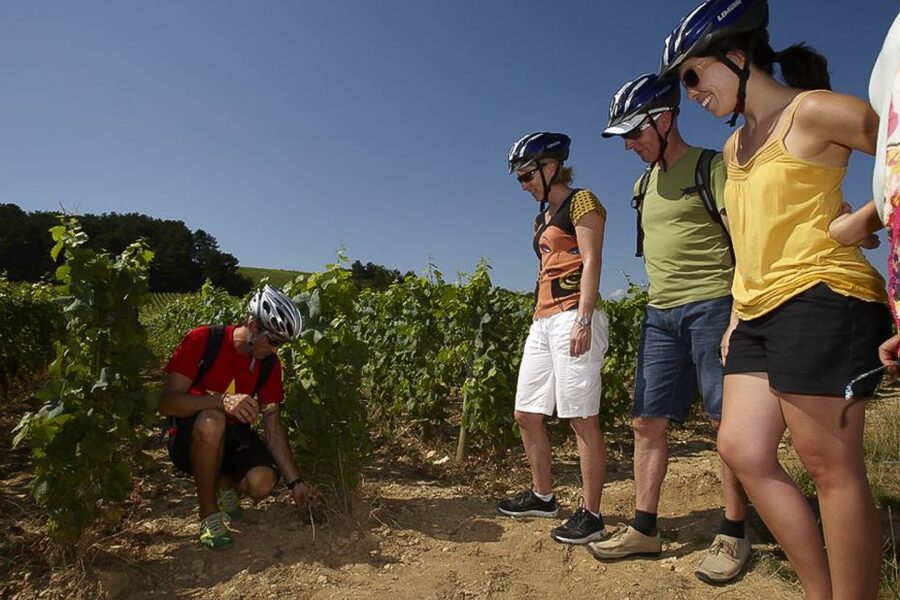
What I like most is how the day flows between scenery and real wine education. You cycle with enough recovery built in to enjoy the views, then you stop for tastings where guides such as Valentin and Teo connect what you’re seeing (soils, slopes, village names) to what you’re tasting.
One thing to consider: the van transfer at the start can feel tight. If you’re tall or you hate cramped seating, mentally prepare for a quick squeeze before the bikes roll out.
In This Review
- Key things to know before you go
- Côte de Beaune by bike: what 24 km really feels like
- Getting set up in Beaune: van transfer, helmets, and guide energy
- La Rochepot castle stop: medieval Burgundy in a quick, photogenic moment
- Saint-Aubin tasting: how appellations turn into a real explanation
- Chassagne-Montrachet winery time: longer tasting and stone-cellar vibes
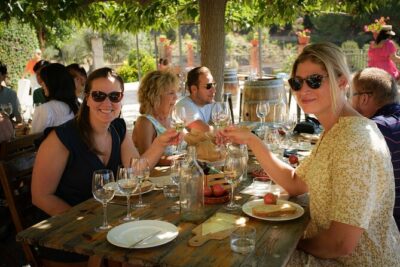
- Lunch in the Beaune hills: refuel before the downhill Grand Cru push
- Meursault photo stop and Pommard tasting: villages that feel like chapters
- Price and value: why $250 can make sense here
- Tips to make the day smoother (and more fun)
- Should you book this Burgundy bicycle and wine tour?
- FAQ
- How long is the Burgundy bicycle and wine tour from Beaune?
- How far do you bike during the tour?
- Where do you start the tour?
- What’s included in the price?
- Are wine tastings included, and where do they happen?
- Is wine with lunch included?
- Can I buy bottles during the winery visit?
- Do I need to bring my own water bottle?
- What languages are available for the guide?
- What should I bring with me?
Key things to know before you go
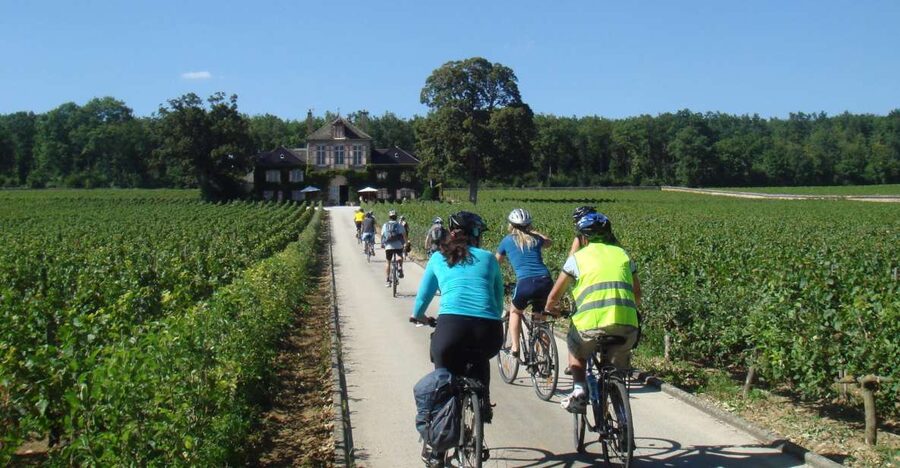
- Vineyard cycling with low-stress momentum: a 24 km ride that’s mostly about cruising hillsides and villages.
- La Rochepot castle photo stop: a medieval Burgundy landmark tied to the region’s old nobility.
- Wine tastings at multiple village levels: including Saint-Aubin and Pommard, plus a longer tasting at Chassagne-Montrachet.
- Grand Cru area riding (Puligny-Montrachet): part of the downhill section after lunch.
- Wine buying you can actually use later: you can purchase bottles and arrange delivery to your hotel or home.
Côte de Beaune by bike: what 24 km really feels like
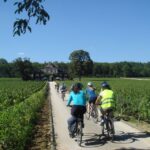
This tour is built around one sweet idea: see Burgundy the way locals picture it, from the saddle. You’ll cover about 24 km (16 miles) total on bike, and you’ll spend most of the time on paths and quiet roads that let you look up at the vines instead of staring at traffic. It’s not a hard grind, but it isn’t totally flat either—think gentle-to-moderate effort punctuated by hills you’ll notice more early in the day.
That mix matters for two reasons. First, it keeps the day social. You’re close enough to talk and listen to your guide while still feeling like you’re moving through the vineyards. Second, it makes the wine stops more meaningful—you won’t be exhausted from a century ride, and you’ll still have enough energy to enjoy lunch and the afternoon tastings without rushing.
You’ll also be riding in changing light, especially in shoulder seasons. One of the best parts of this kind of route is that the hills around Beaune shift colors fast—autumn foliage, morning haze, and later gold light can make the vineyard views feel different every stop.
You can also read our reviews of more wine tours in Beaune
Getting set up in Beaune: van transfer, helmets, and guide energy
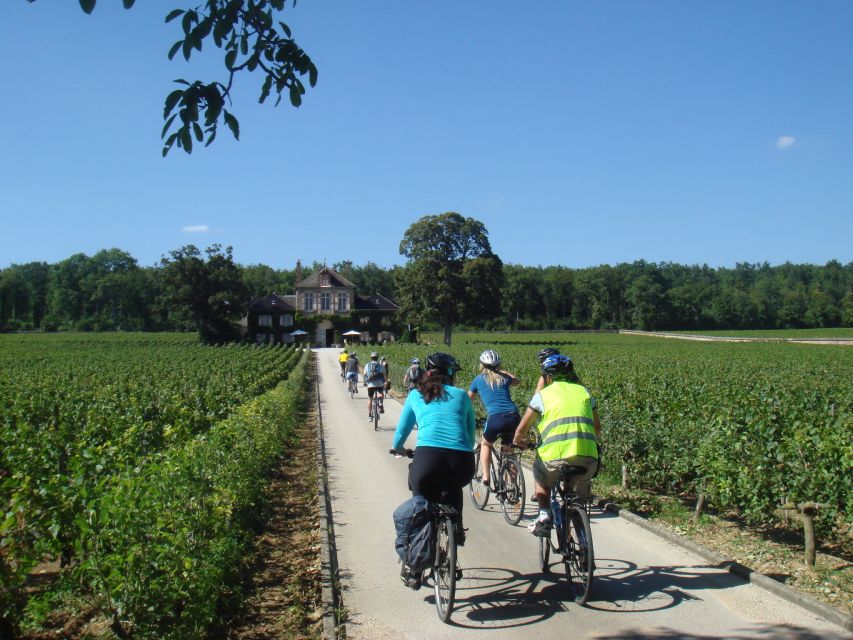
Meet-up is tied to the option you book, but the day starts with a van transfer and then a short safety briefing before you ride. Expect the guide to run through basic bike handling—what to watch for on road edges, how the group moves, and how stops work.
The most consistent theme in the guides is confidence with Burgundy wine basics. People talk about Valentin, Teo, Eric, Theo, Paul, and others for a reason: the explanation isn’t stuck in a classroom. The guide links what you’re doing—cycling past villages and vineyards—to what you’ll taste later. You’ll learn how Burgundy’s structure (village vs higher classifications) helps explain why two bottles can feel like they come from different worlds.
Group size isn’t listed in the tour data, but the experience is clearly designed to be manageable. It’s not a giant bus crowd. That’s a big deal for wine tours, because you want time for questions and you want the guide to pace breaks so everyone can actually enjoy them.
Practical tip: wear comfortable shoes. You’ll step off the bike for photo moments and castle/estate visits, and you’ll want footwear that doesn’t fight you when you’re walking short distances.
La Rochepot castle stop: medieval Burgundy in a quick, photogenic moment
One of the day’s most memorable waypoints is La Rochepot, a medieval castle area that fits perfectly into a bike tour because you’re already moving through the region. This stop is short—more photo and viewpoint than a long museum session—but it’s timed well. You’ll be ready for a break after cycling through vineyard roads, and the castle gives your brain a visual anchor.
The tour description highlights that the castle connects to the counts and countess of Burgundy. Even if you’re not a medieval-architecture expert, this kind of pause works. It reminds you that Burgundy wine isn’t just modern winemaking—it’s tied to land ownership, farming patterns, and centuries of tradition that shaped today’s vineyards.
What to watch for at La Rochepot:
- Use the stop for wide shots of the hills.
- Take a few close photos so you can later connect the name La Rochepot with the villages you visit.
If you crave nonstop wine talk, this stop may feel brief. But if you want balance—ride, view, then learn—it’s exactly right.
Saint-Aubin tasting: how appellations turn into a real explanation
After the initial photo moments, you’ll arrive at Saint-Aubin for a wine tasting session. The goal here isn’t just to pour wine and move on. This stop is where the tour often clicks for first-timers: you start putting Burgundy’s labels into context.
Here’s what you should expect the guide to help you understand:
- Burgundy’s system is built around appellations and the idea that named vineyard parcels can create different results.
- The term climat gets repeated for a reason: it points to the specific combination of slope, soil, and growing conditions that shape flavor.
In practical terms, this tasting helps you become more than a casual drinker. You’ll start noticing how the wine’s character can shift with the vineyard’s location—something you can literally see while you ride.
If you’re the type who enjoys learning by doing, this is a great time to ask questions. You can point out what kind of slope you rode through, then ask what that slope tends to do in the glass.
Chassagne-Montrachet winery time: longer tasting and stone-cellar vibes
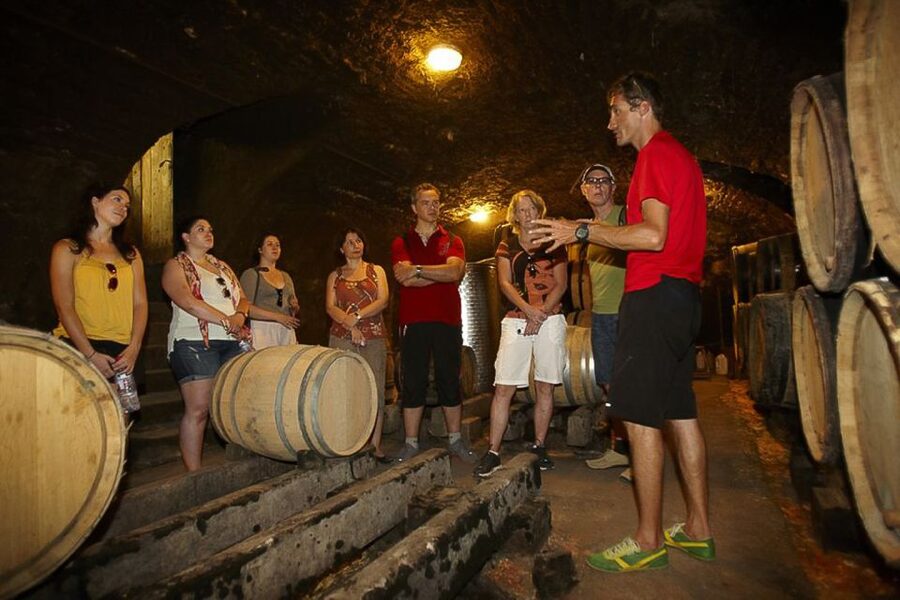
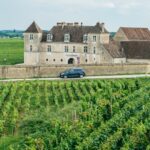
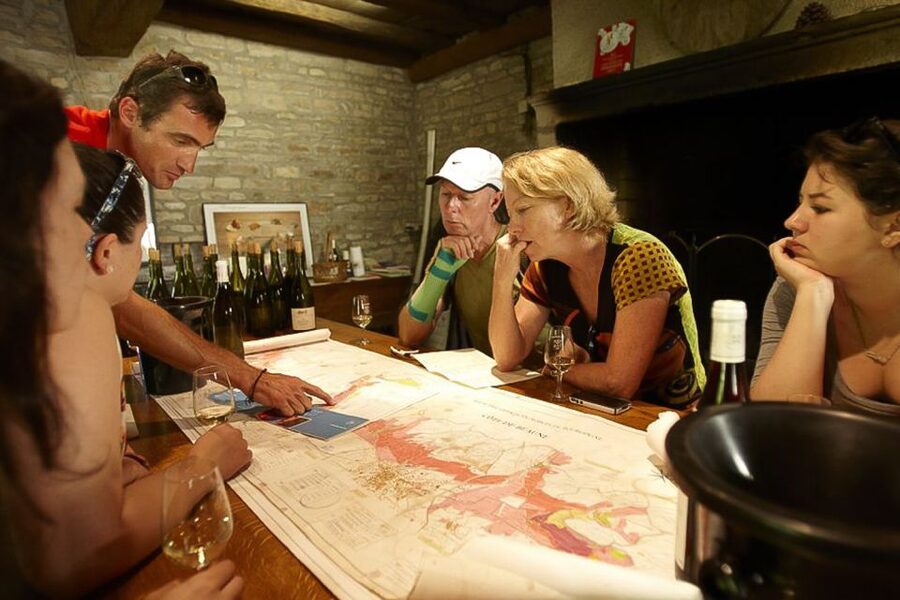
Next comes a longer wine tasting at Château de Chassagne-Montrachet, followed by winery estate time that often includes access to stone cellar areas. This part of the day is where the tour usually feels most like a proper wine visit—not just tasting, but understanding how it all fits together.
From the tour flow, this stop serves three purposes:
- You taste more than one wine, giving your palate time to calibrate.
- The guide connects the dots between vineyard conditions and winemaking choices.
- You get a chance to buy directly from the seller.
The buying part is one of the most useful upgrades of this tour style. You’re not stuck trying to carry fragile bottles through airports. If delivery to your hotel or home is offered (it is in the tour description), it turns an expensive souvenir into a bottle you’ll actually open later.
Small drawback to know: winery estates can be cool inside, especially in cooler months. You might want a light layer you can wear under a jacket so you don’t feel chilled during cellar time.
Lunch in the Beaune hills: refuel before the downhill Grand Cru push
Lunch is typical Burgundian fare served at a small restaurant in the hills. It’s 1.5 hours, which is generous for a bike day. This break matters because the afternoon includes more wine time and a ride that moves you toward higher-profile vineyards.
One important note: wine at the restaurant isn’t included. That can be good value if you want to stick to water and keep your focus sharp, and it also means you’ll want cash if you decide to buy a glass or two.
After lunch, you’ll ride downhill toward the Grand Cru area of Puligny-Montrachet. Even if you’re not chasing wine awards, Grand Cru zones have a special pull because they’re the part of Burgundy that people talk about for years. Being on a bike through that terrain is a very different experience than seeing it only from a distance.
What I like about placing Grand Cru riding after lunch:
- You’re mentally ready. Morning tastings teach you what to look for, and lunch resets your energy.
- You’re physically ready. A downhill section is your reward for getting through the earlier climbs and brief hills.
Meursault photo stop and Pommard tasting: villages that feel like chapters
Your afternoon continues with small moments that keep the day from feeling like a single long tasting. You’ll have a photo stop in Meursault, then a wine tasting in Pommard for about an hour.
This combination works because it shows Burgundy as a set of living villages, not only as vineyard names on labels. Meursault’s quick stop is a visual reset—time to look outward, stretch your legs, and take the next section of hills more calmly. Then Pommard tasting gives you a deeper palate experience after that rest.
At Pommard, expect the guide to connect what you’re tasting back to the classification system. The “why” becomes clearer when you’ve already learned earlier in the day how climats and appellations influence wine character.
Also, by this point you’ll have a better sense of your own tastes. If the morning helped you understand terms, the afternoon helps you decide what you actually enjoy, which makes any bottle purchase later feel more personal.
Price and value: why $250 can make sense here
At $250 per person for a 7-hour day, this isn’t a bargain-bike outing. But it’s also not just you riding and hoping you stumble into a cellar.
The value shows up in the included parts:
- Van transfer
- Bike helmet
- Castle visit
- Multiple wine tastings (including Saint-Aubin, Chassagne-Montrachet, and Pommard)
- Lunch
- Winery visit
- Guide throughout
When you count those as separate activities—private guiding, tastings at multiple locations, and lunch—the price starts looking like a bundled experience rather than a ticket for cycling alone. You’re paying for the logistics and the education, plus the convenience of visiting places you’d likely struggle to organize yourself in one day.
One more value point: the tour includes a realistic route that keeps you from bouncing between too many far-apart spots. Cycling between villages and vineyard zones is the whole method here, and the itinerary is built to make that possible in a single day.
If you mainly want one winery and a light scenic ride, you might find other options cheaper. But if you want the education and the tastings stacked into one coherent day, this one is priced in the right neighborhood.
Tips to make the day smoother (and more fun)
A few practical points can upgrade your experience fast:
- Bring a water bottle if you can. The tour data says a water bottle for the bike ride isn’t included.
- Pack cash. You’ll want it for anything you choose to buy or order that’s not included, including wine at lunch.
- Wear comfortable clothes and shoes you trust. There are enough stops that you’ll walk briefly.
- Have your camera ready, but don’t forget your eyes. The biggest wow moments are often at the bends where vineyard rows open into valley views.
If you’re planning your effort level, also watch the early hills. Some days include steeper sections at the start, and at least one group recommends choosing e-bikes if that option is available when you book. Even if you’re a confident cyclist, e-bikes can be a smart choice when your priority is enjoying tastings and not arriving sweaty and worn out.
Finally, ask questions during tastings, not only after. The guide’s explanations land best when you connect them right away to the ride you just completed.
Should you book this Burgundy bicycle and wine tour?
If you want a single day that covers the classic Burgundy angles—Beaune hills, Côte de Beaune vineyards, a medieval castle pause, and multiple guided tastings—this tour is a strong match. The structure is what makes it work: cycling sets the scene, wine tastings give you language for it, and lunch plus the Grand Cru ride adds a memorable finish.
Skip it only if you’re extremely sensitive to a cramped van transfer at the start or if you prefer a lighter focus on wine education and tastings. This is built for people who want to learn while they ride.
If you’re the type who likes to come home with bottles you’ll actually open, also consider this tour’s buying and delivery angle. For $250, that practical convenience, plus the guided route through top villages and vineyard zones, is a big part of the appeal.
FAQ
How long is the Burgundy bicycle and wine tour from Beaune?
It lasts about 7 hours.
How far do you bike during the tour?
You’ll cycle about 24 kilometers (16 miles).
Where do you start the tour?
The meeting point can vary depending on the option booked, and it includes starting location choices at Bourgogne Evasion.
What’s included in the price?
Included are van transfers, a bike helmet, castle visit, wine tasting, lunch, winery visit, and a guide.
Are wine tastings included, and where do they happen?
Yes. You’ll have wine tasting sessions at stops including Saint-Aubin, Château de Chassagne-Montrachet, and Pommard.
Is wine with lunch included?
Wine at the restaurant is not included.
Can I buy bottles during the winery visit?
Yes. You can buy bottles directly, and the tour description says delivery to your hotel or home can be arranged.
Do I need to bring my own water bottle?
A water bottle for the bike ride is not included, so plan to bring one.
What languages are available for the guide?
The tour guide is available in English and French.
What should I bring with me?
You should bring comfortable shoes, a camera, comfortable clothes, and cash.