REVIEW · PORTUGAL
Lisbon: Port Wine Tasting at Taylor’s Shop and Tasting Room
Book on GetYourGuide →Operated by Três Séculos - Realizações Hoteleiras · Bookable on GetYourGuide
Port wine tastes better when it’s this close. In Lisbon’s Alfama, Taylor’s tasting room turns three Port styles into an easy lesson you can actually taste, from a mellow 10-year-old Tawny to a concentrated LBV. I also like the smart pairing with the Pastel de Nata, which keeps the whole session from feeling like a lecture. One thing to keep in mind: this is a tasting room in Lisbon, not a cellar tour in Porto.
I like that the tasting focuses on differences you can name on your way home. You’ll learn how Tawny, Ruby, and White Port vary, using Taylor’s own signature styles like Chip Dry White and Late Bottled Vintage. The staff is often great at guiding the pace too, so you can sip, ask, and not feel hurried. The only real downside is the “shared space” setup, meaning your moment can overlap with other tastings.
At $18, it’s a straightforward deal: three included glasses plus one custard tart, all in a historic pocket of Lisbon founded in the Port world. Taylor’s has been around since 1692, and the shop sits near Chafariz del Rei, the first public fountain in Lisbon. If you’re doing Lisbon in a tight schedule, this is one of the easier ways to learn Port without committing to a full-day trip.
In This Review
- Key Points You’ll Care About
- Taylor’s Port Tasting in Alfama: Why This Feels Like Lisbon
- What You’ll Taste: Tawny, Chip Dry White, and LBV in Plain Language
- The 10-year-old Tawny: mellow, smooth, and built for slow sipping
- Chip Dry / Extra Dry White: fruit fragrances with a calmer tone
- LBV: concentrated black fruit and that classic Port backbone
- You’ll also learn the Ruby vs Tawny vs White difference
- The Pastel de Nata Pairing: Sweet Meets Sweet, Without Getting Clunky
- How the Tasting Room Works: Timing, Staff, and the Shared-Space Reality
- Price and Value at $18: What You’re Really Buying
- Where to Fit It in Your Lisbon Day (Without Stress)
- Who Should Book This (And Who Might Skip It)
- Should You Book Taylor’s Port in Lisbon?
- FAQ
- Where does the tasting take place?
- How much does the tasting cost?
- What’s included in the $18 ticket?
- How do I check in?
- Is there a guide, and what languages are available?
- Is it a cellar tour in Porto?
- What are the opening hours?
- Can I cancel for a refund?
- Can I reserve without paying right away?
- Is it private, or are there other tastings happening?
Key Points You’ll Care About
- Taylor’s Lisbon location beats the Porto hassle: you taste Port in Alfama, not in distant warehouses
- You get three distinct Port styles: 10-year Tawny, Chip Dry White, and LBV with built-in comparisons
- Taylor’s signature Port types are part of the story: Chip Dry White goes back to the 1930s, LBV to the 1970s
- Pastel de Nata isn’t an afterthought: it’s served with the last taster to match the sweet notes
- No pressure to buy: the vibe stays friendly and low-stress, even if you do browse bottles afterward
- If Jose or Ivo is hosting, take your time asking questions: both names show up again and again in the experience feedback
Taylor’s Port Tasting in Alfama: Why This Feels Like Lisbon
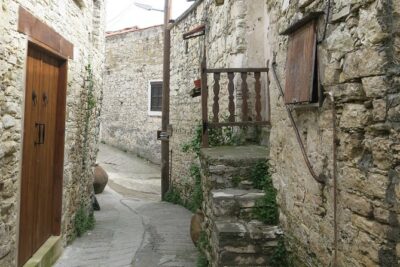
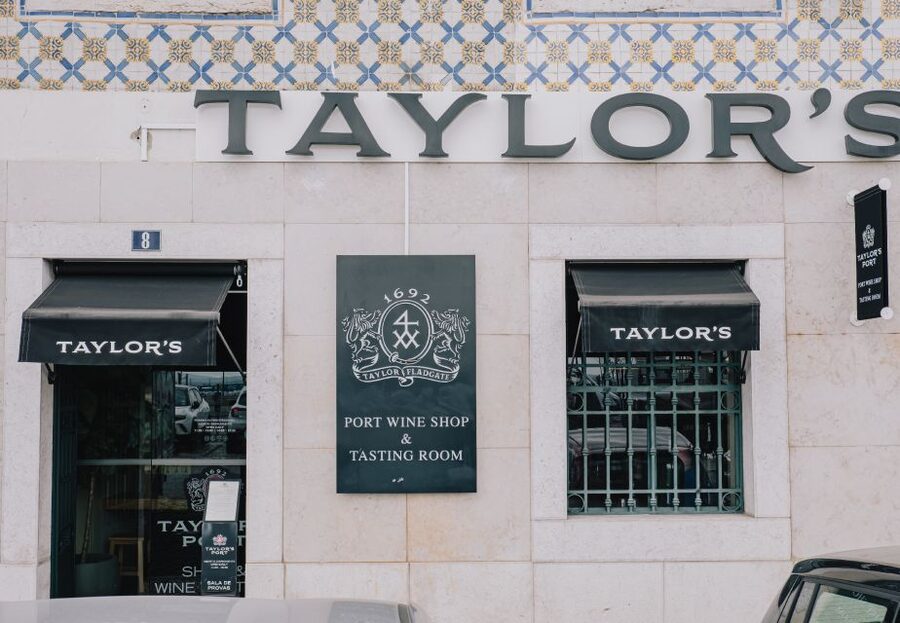
This tasting lands in the historic district of Alfama, next to Chafariz del Rei, Lisbon’s first-ever public fountain. That matters because the setting is part of the experience—you’re not schlepping to an industrial area or a big tourist bottleneck. You’re in the kind of neighborhood where you can wander before and after, then come in for something that’s genuinely Portuguese.
Taylor’s is also one of the oldest founding Port houses, established in 1692. That long timeline isn’t just trivia on a placard. It helps explain why Taylor’s can talk about Port categories with confidence, from aging choices to flavor styles you’ll actually taste in your glass.
One more thing I like: this is specifically a tasting room in Lisbon, not the “go see the barrels in Porto” version. So if you want Port culture without changing cities, this is a clean fit.
What You’ll Taste: Tawny, Chip Dry White, and LBV in Plain Language
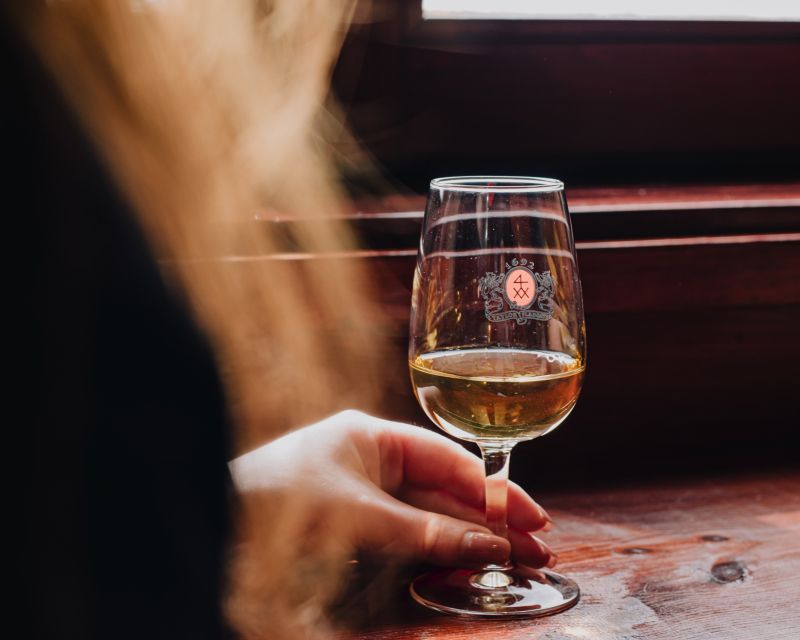
The heart of the experience is a guided comparison of Port types, using three specific tastings. You’ll sample:
- Late Bottled Vintage (LBV) Port
- A 10-Year-Old Tawny Port matured in seasoned oak casks
- Chip Dry / Extra Dry White Port (served as a lighter, fruit-fragranced style)
It’s not just “try this, then try that.” The way this tasting is set up helps you build a mental map. When someone explains what to look for—mellow versus sharper aromatics, oak influence versus fruit lift—you can taste the difference immediately.
The 10-year-old Tawny: mellow, smooth, and built for slow sipping
A 10-year-old Tawny is where Port often turns from sweet-and-loud into smooth-and-complex. In your glass, you’re looking for those mellower flavors and a smooth, luscious palate that comes from time in oak. The idea isn’t to wow you with intensity; it’s to show you how aging changes the character.
Chip Dry / Extra Dry White: fruit fragrances with a calmer tone
White Port is often misunderstood as “just sweet.” This session steers it into the drier direction with Chip Dry Extra Dry White—think fruit fragrance, mellow aromas, and hints of oak. This is the Port style that can surprise people who assume all Port tastes the same.
Also, Taylor’s signature side shows up here: Chip Dry Extra Dry White has origins tied to the 1930s. That gives you a bit of historical context while you taste, so you’re not just collecting flavors—you’re learning why this style exists.
LBV: concentrated black fruit and that classic Port backbone
Late Bottled Vintage (LBV) is the more dramatic red on the menu: concentrated black fruit flavor and a deeper Port structure. LBV also has a built-in story because it’s linked to Taylor’s inventions—LBV was introduced by Taylor’s in the 1970s. That’s a helpful detail because it frames LBV as a style decision, not an accident of winemaking.
In practice, LBV tends to feel like a “Port that knows what it’s doing.” If Tawny is mellow confidence and White is lighter aromatics, LBV is where the Port taste really anchors.
You’ll also learn the Ruby vs Tawny vs White difference
Even though your included glasses are the ones listed above, the tasting session is built to explain how Tawny, Ruby, and White Port differ. Ruby tends to be fruit-forward and fresher, Tawny is shaped by age in oak, and White swings toward lighter aromatics and dryness depending on the style.
This is the part that pays off later, when you’re choosing bottles at home or picking something at a bar. Once you can name the category, you stop guessing.
The Pastel de Nata Pairing: Sweet Meets Sweet, Without Getting Clunky
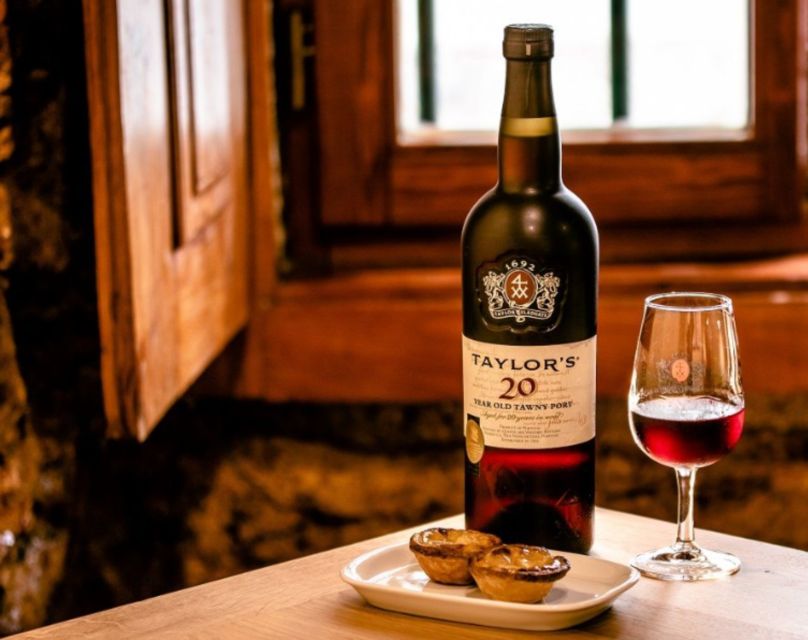
Portuguese Port tastings are often sweet, and sweet can get heavy fast. Here, the pacing is smart because you finish with a Portuguese custard tart, Pastel de Nata.
The tart brings a warm custard center with that caramelized top. Paired with the final taster (LBV in your included list), it helps connect the “black fruit” and the “sweet” notes without turning the whole experience into sugar overload. It’s also just practical: you get something to chew so your palate resets between sips.
In the feedback, people consistently point to the tart as a highlight, especially with the last drink. I agree with that logic. If you’re going to spend money on a tasting, you want a finish that feels like it belongs there.
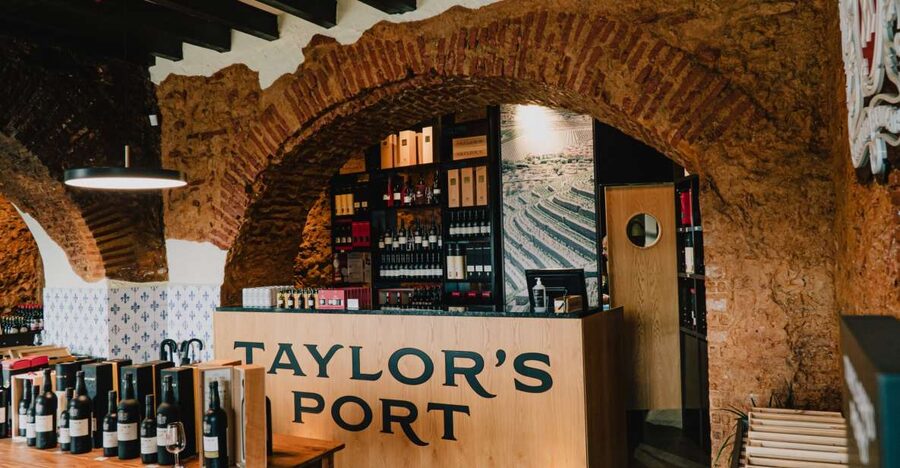
How the Tasting Room Works: Timing, Staff, and the Shared-Space Reality
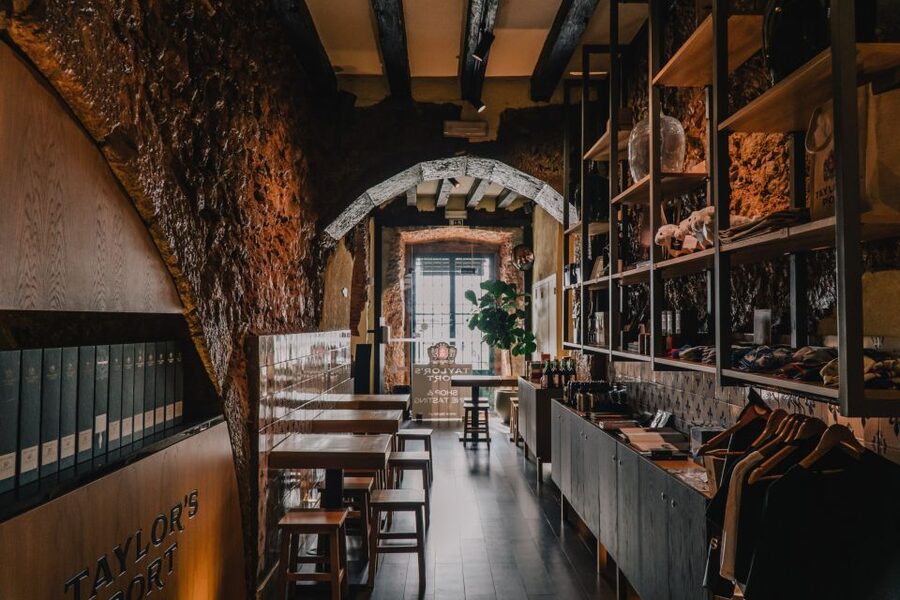
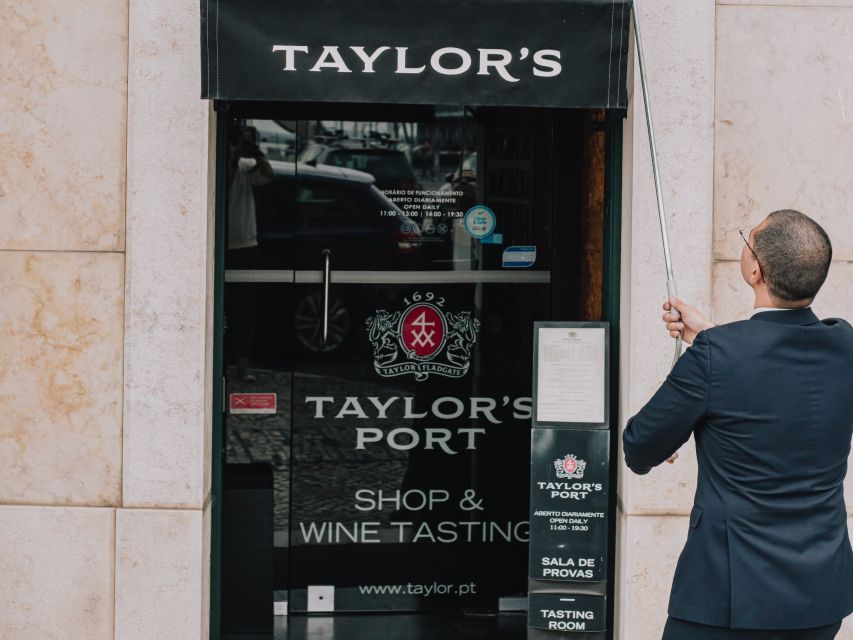
Your ticket voucher matters here. You show it at the welcome desk, then you’re seated for the tasting. You should arrive about 5 minutes early, because that window is how they keep the session moving smoothly.
This isn’t a big guided walk-through of cellars. It’s a tasting room experience led by the staff/instructor team (Portuguese and English available daily). You might find that the staff talk is a mix of formal explanation and back-and-forth questions. That’s where guides like José or Ivo can make it memorable—names come up often, and people describe them as patient and fun while still giving clear answers.
Group size is another point. The space is shared, so other tastings may happen at the same time. That doesn’t ruin anything, but it does mean you shouldn’t expect total silence and a totally private atmosphere every time. If you’re sensitive to noise, pick a calmer time slot if your schedule allows.
One more practical detail: extra orders are paid on site. So if you’re thinking about adding a cheese plate or buying bottles, plan to make those decisions after the tasting, once you know what you love.
Price and Value at $18: What You’re Really Buying
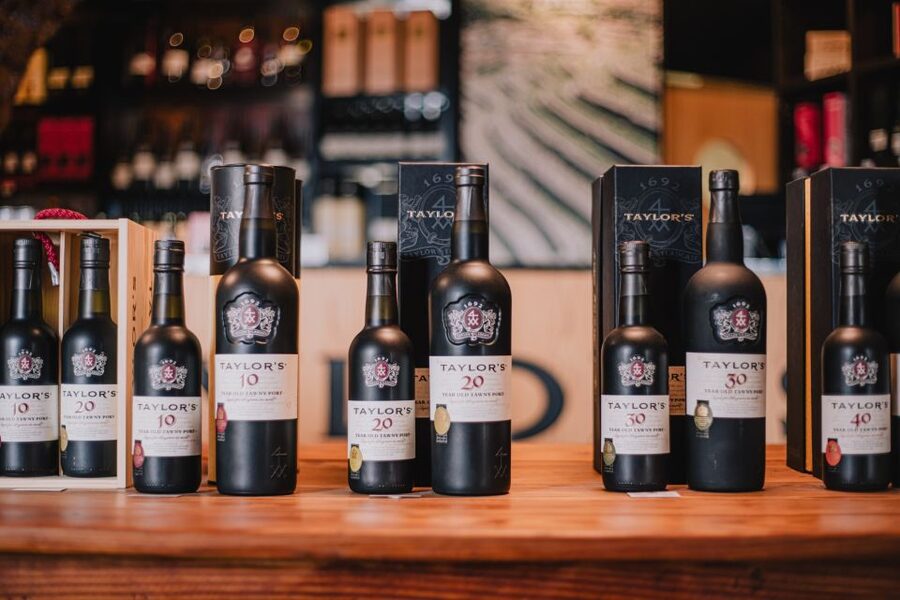
For $18 per person, you’re getting more than a “small pour.” Your included items are:
- 1 glass of Late Bottled Vintage (LBV)
- 1 glass of 10-Year-Old Tawny Port
- 1 glass of Chip Dry White Port
- 1 Portuguese custard tart (Pastel de Nata)
That’s a useful structure because you’re not paying for a lesson that ends with one drink. You’re paying for multiple Port styles you can compare, plus a local pastry that turns the experience into a mini-food moment.
Is it worth it? If you’re the type who likes to learn by tasting, yes. If you’re only hunting for a single Port glass and nothing else, this may feel like too much structure. But the included lineup hits three different flavor directions—Tawny depth, White aromatic lift, and LBV power—so you leave with real knowledge.
Also, the Port house is the draw. Taylor’s is a major historical producer (since 1692). In a shop setting like this, a big part of the value is that you can ask questions about what you’re tasting without having to decipher it yourself.
Where to Fit It in Your Lisbon Day (Without Stress)
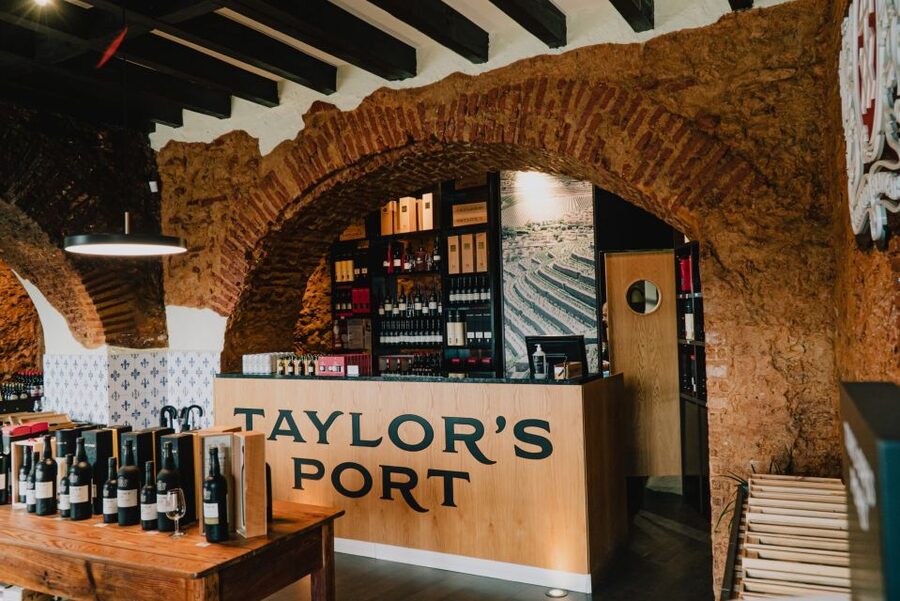
This tasting room is open every day with split hours:
- 11:00 AM to 1:00 PM
- 2:00 PM to 7:30 PM
And during specific holiday periods, hours change (for example, December 24 is 11:00–17:00, December 25 is closed, and January 1 has special hours). If your dates include a holiday, check the official schedule before you plan a walk.
For timing, I’d use this logic:
- If you want a calmer morning: go early in the first block
- If you’re doing Alfama sightseeing first: do an afternoon session so you’re not rushing between hills and cobblestones
- If you want a low-pressure browsing stop: treat the shop visit as the Port lesson, then pop out into the neighborhood right afterward
The big win is that it’s compact. It fits well between meals or as your “one planned activity” on a travel day.
Who Should Book This (And Who Might Skip It)
Book it if you:
- want a fast, tastable introduction to Port categories
- like food pairings that make sweet drinks feel more balanced
- enjoy shopping in wine stores when you actually know what you’re buying
- need an experience that works in Lisbon without hauling yourself to Porto
You might skip it if you:
- came to Portugal mainly for vineyard scenery and want a cellar-style tour (this is explicitly a tasting room setting)
- hate shared-space situations and need total quiet
- prefer super long, slow tastings (this is still a structured session; you can ask questions, but you’re not in a private lounge for hours)
Should You Book Taylor’s Port in Lisbon?
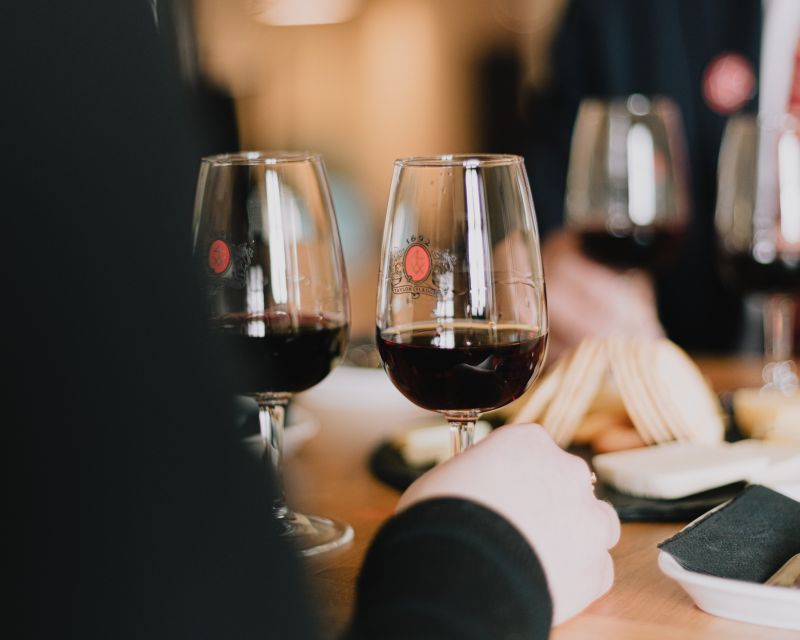
Yes—if you want Port with context, and you want to leave with clearer bottle choices. The combination of three included Port styles plus the Pastel de Nata makes the $18 feel practical, not just “touristy.” And the fact that the experience is staff-led, with room to ask questions, is exactly what turns a drink sampler into real learning.
If your schedule is tight, make this one of your Lisbon anchors. It’s near Chafariz del Rei in Alfama, it’s easy to fit, and it gives you a local food-and-wine moment without dragging your day into logistics.
FAQ
Where does the tasting take place?
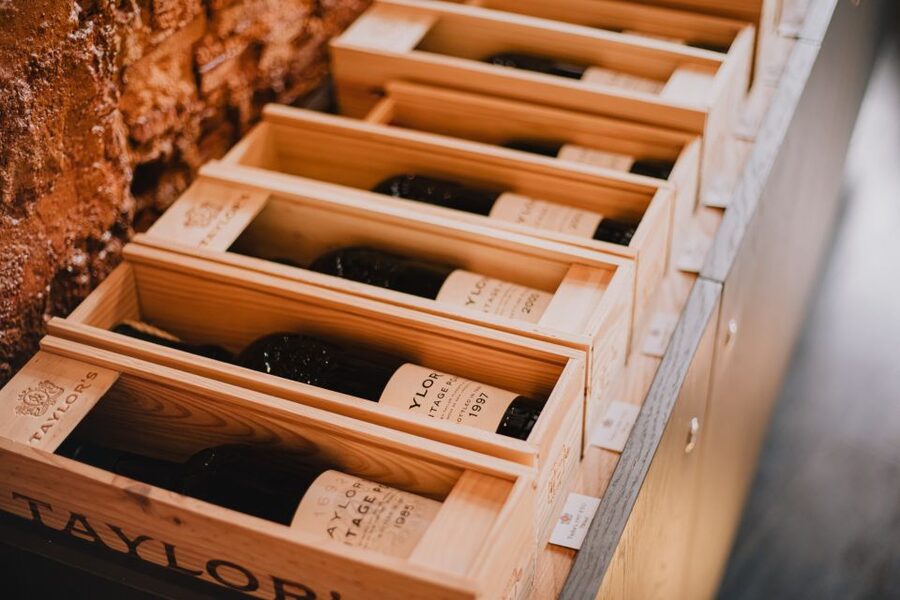
The Taylor’s Port Wine Shop and Tasting Room is in Lisbon, in the Alfama historic district, next to Chafariz del Rei.
How much does the tasting cost?
The price is listed as $18 per person.
What’s included in the $18 ticket?
You get 1 glass of Late Bottled Vintage (LBV) Port, 1 glass of 10-Year-Old Tawny Port, 1 glass of Chip Dry White Port, and 1 Portuguese custard tart (Pastel de Nata).
How do I check in?
Show your ticket voucher at the welcome desk, and arrive about 5 minutes before the time shown on your voucher.
Is there a guide, and what languages are available?
The instructor language is Portuguese and English, and the language available daily is Portuguese / English.
Is it a cellar tour in Porto?
No. It’s a tasting room experience in Lisbon, not cellars in Porto.
What are the opening hours?
It’s open every day 11:00 AM to 01:00 PM and 02:00 PM to 07:30 PM, with special holiday hours for dates like December 24, December 25, December 31, and January 1.
Can I cancel for a refund?
Yes. You can cancel up to 24 hours in advance for a full refund.
Can I reserve without paying right away?
Yes. There’s a reserve now & pay later option, where you can book your spot and pay nothing today.
Is it private, or are there other tastings happening?
It’s a shared space, so other tastings may take place at the same time.