REVIEW · PARIS
Champagne Small-Group Day Trip with Lunch and Tastings from Paris
Book on Viator →Operated by Go Go Tours - Privat Segway Tours In Paris · Bookable on Viator
Bubbles start early, and the day is well paced. This Champagne small-group trip runs out of Paris in an air-conditioned minivan, then hands you a front-row seat to Epernay and the cellars behind Champagne-world brands. You’ll tour big names like Moët & Chandon and also hit a smaller producer, with guided tastings built into the schedule.
I especially like two things: the guided house tours (cellars included, plus production basics) and the lunch pairing that treats Champagne like part of the meal, not an afterthought. In my experience with tours like this, the best value comes from having a guide who can connect what you see in the cellars to what you taste in the glass, and this one often pairs strong guiding with a fun group vibe.
One consideration: the day is long and traffic is real. You’re looking at roughly 2 hours each way from Paris, and the exact Champagne houses can change based on availability (for example, Moët & Chandon may be swapped for another luxury house). The cellars run cold too, so pack something warm.
In This Review
- Key things to know before you go
- Paris to Champagne: the comfort and structure that makes it work
- Epernay and Moët & Chandon-style cellars: the big-name magic
- Avenue de Champagne: the quick stop that gives you the map
- A smaller winery and vineyard-side learning (Hautvillers next)
- Views and Reims-area scenery: why the ride isn’t wasted
- 3-course lunch in the region, paired with multiple Champagnes
- Small-group pacing and the guide difference (TJ, Alex, Tomer, Sebastian, Max)
- Price and value: what $422.23 buys you in real terms
- Who this tour is for (and who should pick something else)
- Final call: should you book?
- FAQ
- How long is the Champagne day trip?
- What time does pickup start?
- Is hotel pickup and drop-off included?
- What Champagne tastings and amounts are included?
- Will I visit Moët & Chandon?
- Where does the tour visit besides Epernay?
- What is lunch like, and is it paired with Champagne?
- Do I need to bring warm clothes?
- What is the minimum drinking age?
- Is there free cancellation?
Key things to know before you go
- Hotel pickup and drop-off in a minivan means you dodge metro fuss and start the day fresh.
- Up to 7 glasses of Champagne gives you real comparison across styles, not just one token pour.
- Grand house + smaller winery helps you see both the show and the craft.
- Avenue de Champagne is a quick, worthwhile photo and history stop on the way through Epernay.
- Cold Champagne cellars mean bring a layer; around 45°F / 10°C is the norm for caves.
- Lunch is paired with multiple Champagne types and includes regional plates like foie gras and Reims ham.
Paris to Champagne: the comfort and structure that makes it work
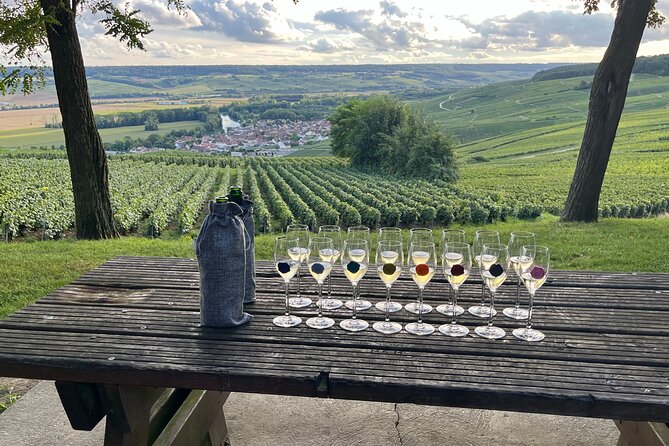
This is the kind of day trip that only works when logistics are handled. You start with hotel pickup in an air-conditioned minivan, then head out of Paris toward the Champagne region. The ride is timed so you arrive ready to tour and taste, with your guide sharing context along the way—history, how the region developed, and what to look for when you start comparing bottles.
The “small-group” approach matters here. The tour caps at 23 travelers, and in practice you’re in a minivan, not a full-size bus. That keeps the day more relaxed: you hear explanations better, you’re not competing for space when you step out for a photo, and it’s easier to ask questions about sweetness, dryness, or what terms you’ll see on labels.
Timing is the trade-off. Expect about 10 to 12 hours total, depending on traffic. The drive to Champagne is close to 2 hours, with a similar return time. Plan your stamina like you’re doing a full-day excursion, not a quick outing.
If you’re a first-timer in Champagne, this format is a big advantage. You don’t have to translate your way through appointments, map the geography, or figure out where to stop for tastings. You just show up, sip, and learn how the region’s reputation gets made.
You can also read our reviews of more wine tours in Paris
Epernay and Moët & Chandon-style cellars: the big-name magic
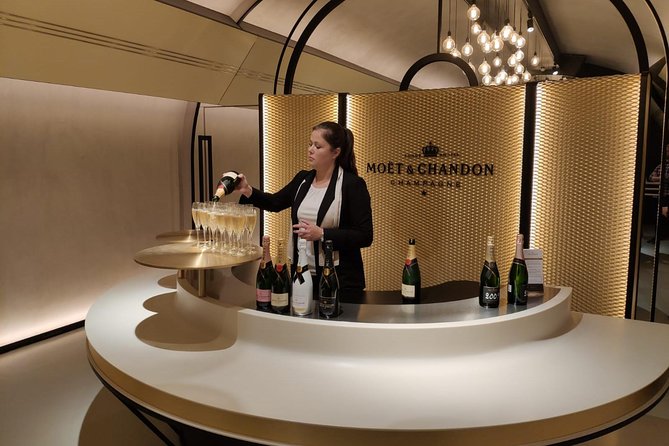
Most Champagne lovers dream about visiting a grand house. This tour sets you up in Epernay, the heart of the Champagne corridor, and aims for a renowned house for your main cellars tour and tasting.
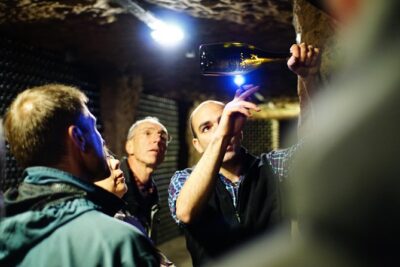
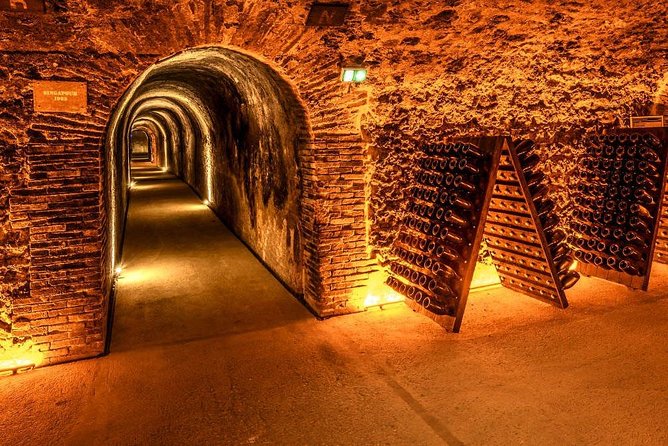
If Moët & Chandon is available, that’s the featured stop. You’ll get a guided look at the facilities and the Champagne production process, then move into the cellars for the tasting portion. The value of doing it with a guide is simple: you’re not guessing. You get the story behind what you’re tasting—how the region, grape choices, and aging methods affect the final style.
If Moët & Chandon isn’t available, the tour uses another luxury house (examples given include G.H. Mumm or Veuve Clicquot). This flexibility helps keep your day from turning into a long drive with nothing planned on arrival.
A practical tip: cellars are cold. The tour info calls out that caves can be around 45°F / 10°C, so bring a warm layer even in summer. Your hands will thank you when you’re standing close to cool stone walls listening to explanations.
Also, don’t rush the tasting. The point isn’t to get drunk as fast as possible—it’s to compare styles across houses and styles you can’t easily replicate on your own. If you’re paying attention to acidity, mousse, fruit, and finish, you’ll leave with a better sense of what you actually like, not just what the brand is famous for.
Avenue de Champagne: the quick stop that gives you the map
There’s a short walking moment on Avenue de Champagne, the prestigious street in Epernay lined with castles and mansions tied to big producers. It’s brief—about 15 minutes—but it helps you connect the dots.
Why it matters: once you’ve seen those iconic facades, the region feels less like a blur of vineyards and more like a real commercial and cultural center. You’ll also have an easier time placing where the houses and neighborhoods sit in relation to each other.
If you care about photos, this is one of the easiest “get the shot and move on” stops. Don’t overthink it. It’s a reset point before you head into the more hands-on winery experiences.
A smaller winery and vineyard-side learning (Hautvillers next)
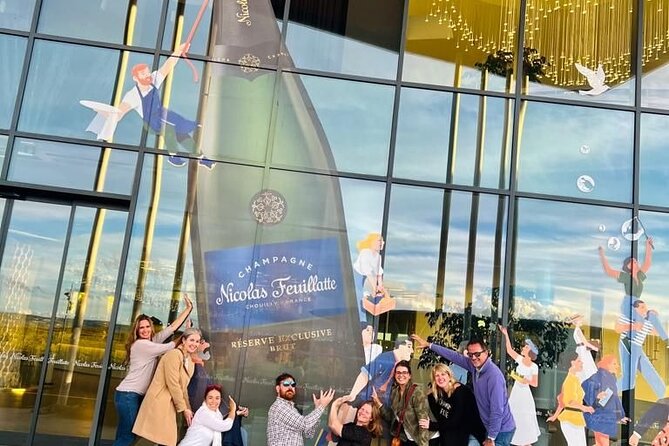
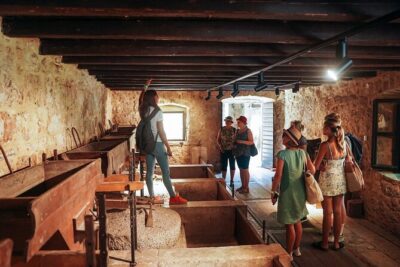
After the Epernay hits, the tour pivots from big-house polish to smaller-producer perspective. You’ll stroll and learn as you go, then visit a small winery for a guided look at the production process and tasting.
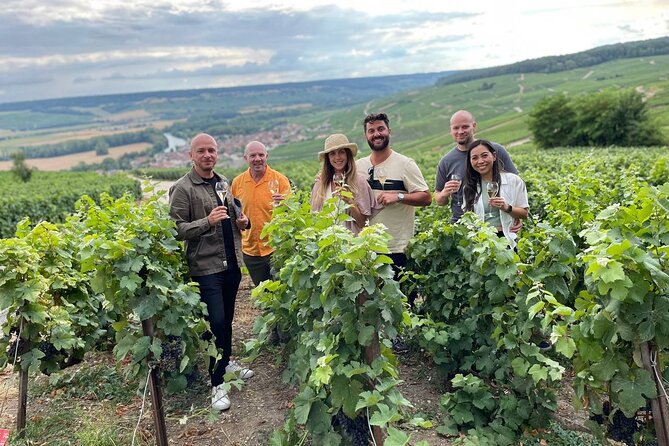
The benefit of mixing house types is that Champagne can feel confusing at first. Big brands show you scale and tradition. Small wineries often show you how personal decisions and local conditions shape taste. The tour includes a stop where you see vines up close and learn about grape types and terroir—the soil and site factors that influence style.
This is where you’ll start understanding why two bottles labeled from the same general region can taste different. You’re not just tasting Champagne; you’re learning how the region thinks.
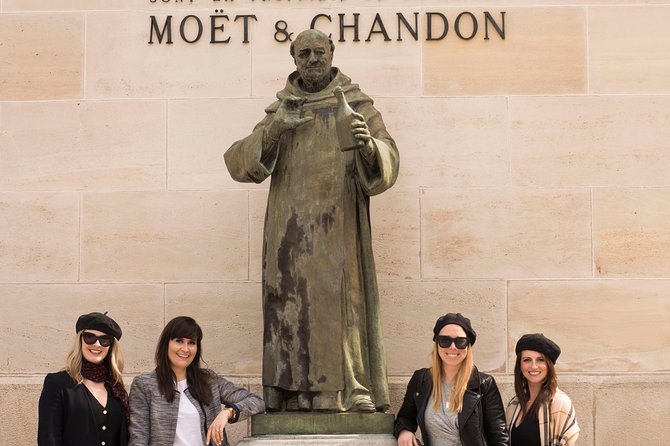
Then the day moves to Hautvillers and the story linked to a Benedictine monk at a local abbey tradition. The tour frames this as the legend behind Champagne’s creation and ties it into how the drink became what the world knows today.
Even if you’re not a Champagne historian, these stories help your tasting stick. When you know the “why,” the “what you taste” makes more sense.
Views and Reims-area scenery: why the ride isn’t wasted
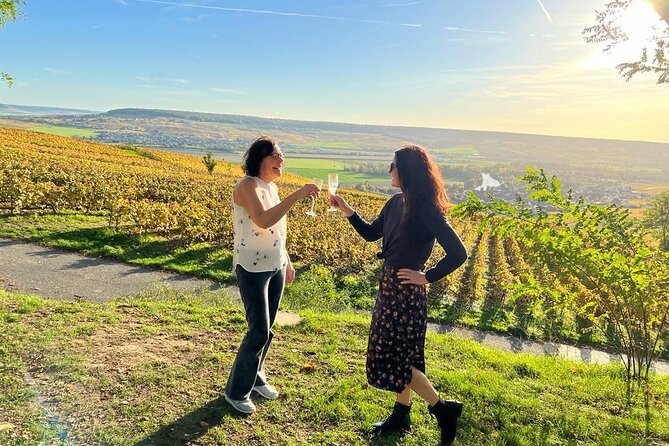
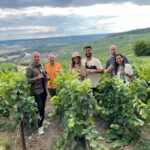
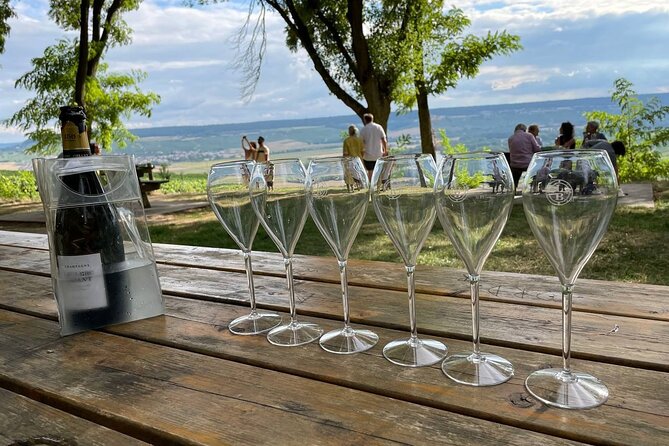
You get time for scenery breaks, including elevated viewpoints in the Champagne region. The tour includes a look at sweeping vineyards and overlooks that show how the region’s geography shapes growing conditions.
The sightseeing isn’t just window dressing. Champagne is tied to specific areas, and seeing the “in real life” contours of the countryside helps your brain map the region. It also gives you a breather between cellar walls, tasting rooms, and lunch.
There’s also a mention of Parc Naturel Regional de la Montagne de Reims, with time built in for views and the lunch part of the day. If you’re the kind of traveler who likes photos but also wants the day to feel grounded in place, you’ll appreciate these pauses.
A few more Paris tours and experiences worth a look


3-course lunch in the region, paired with multiple Champagnes
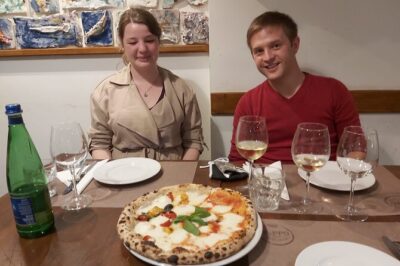
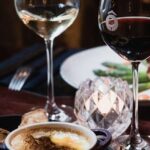
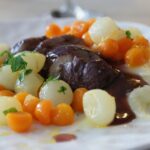
Lunch is a key part of the value here. You get a 3-course French meal featuring regional favorites. Examples listed include foie gras, cheese, and Reims ham with fruit, plus a Reims specialty pink cookie.
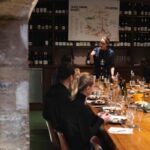
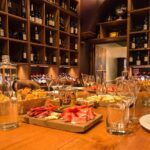
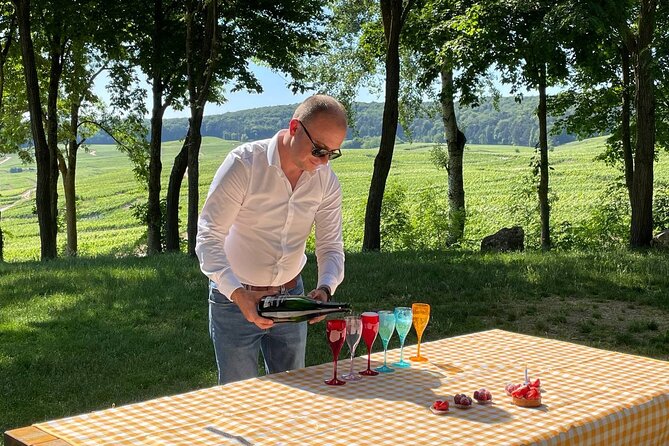
What makes it more than a pit stop: the lunch is paired with four types of Champagne. That means the food and bubbles are connected in the experience. You’ll likely notice how acidity and bubbles change how flavors read on your palate, especially with salty, fatty, or cured items.
Now, a balanced note. The lunch restaurant may change based on availability, and some people have mentioned timing or variation in the exact lunch setup. In most cases, you should still expect a proper sit-down meal rather than a quick sandwich-and-go.
If you’re picky about taste, this is the meal moment to slow down. Use it to compare what you liked earlier in the day versus what the pairing makes different. If you buy bottles to take home, pairing knowledge will help you choose with confidence.
Small-group pacing and the guide difference (TJ, Alex, Tomer, Sebastian, Max)
A Champagne day trip lives or dies on the guide. Good guiding turns a long drive into an easy day and makes each tasting feel intentional.
From the guide names tied to great experiences (like TJ, Alex, Tomer, Sebastian, and Max), the pattern is clear: they tend to run on time, explain the process in plain language, and keep the group comfortable. Some also add extra storytelling and small surprises that make the day feel personal.
That said, remember house availability can shift. One guest experienced a day with fewer house visits when a big-name stop couldn’t be set up. Even with that, the overall value is still in the structure: you’ll get multiple tastings, cellars time, and lunch with Champagne pairing.
If you have a must-see brand, check before you go. The tour says the Champagne house selection depends on availability and that you can contact them with preferences.
Price and value: what $422.23 buys you in real terms
At $422.23 per person, you’re paying for more than Champagne. You’re paying for three big things:
1) Round-trip transport and door-to-door pickup from Paris hotels
2) Tours inside Champagne houses, including cellars and guided tasting moments
3) A proper lunch with Champagne pairings, plus an alcohol tasting allowance of up to 7 glasses
If you tried to DIY this, you’d still face the “timing problem.” Booking multiple houses in a single day, coordinating transport, and getting guided access is hard without a plan. You’d also spend your own time moving between appointments and researching which places are open and how far apart they are.
Is it expensive? Yes. Is it overpriced if you care about Champagne production and guided tastings? Usually no. The cost lands more fairly when you treat the day as an all-in-one learning and tasting program, not just a casual drink tour.
Who this tour is for (and who should pick something else)
This tour is a strong match if you want:
- A first-time Champagne experience from Paris with minimal hassle
- A mix of grand houses and smaller producers
- Plenty of tasting so you can learn what styles you like
- A meal that actually pairs with the Champagne you’re drinking
You might consider a different style of trip if:
- You hate long travel days (the schedule can run about 10 to 12 hours)
- You only care about one specific house (because availability can change)
- You’re very sensitive to cellars and cold; bring layers either way
Final call: should you book?
I’d book this if you want a well-run Champagne day that connects views, production, and taste—without you doing the heavy planning. The hotel pickup, the cellars tours, and the lunch pairing with four Champagnes are the biggest reasons the value holds up.
If you’re flexible about which exact luxury house you visit and you pack a warm layer for the caves, this is one of the easier ways to turn a Paris trip into a real Champagne education. Just go in ready for a full day on the clock, and you’ll get a lot more out of every glass.
FAQ
How long is the Champagne day trip?
The trip runs about 10 to 12 hours, depending on traffic.
What time does pickup start?
The start time is listed as 8:00 am, and pickup time details are sent to you the day before.
Is hotel pickup and drop-off included?
Yes. The tour includes hotel pickup and drop-off in Paris.
What Champagne tastings and amounts are included?
You get Champagne tastings, with up to 7 glasses of Champagne included, plus Champagne paired with lunch.
Will I visit Moët & Chandon?
The tour aims to visit Moët & Chandon in Epernay, but if it’s not available, it will swap in another luxury house such as G.H. Mumm or Veuve Clicquot (depending on availability).
Where does the tour visit besides Epernay?
You also visit Epernay areas like Avenue de Champagne, plus Hautvillers and viewpoints in the Champagne region. Lunch is served in the Reims area.
What is lunch like, and is it paired with Champagne?
Lunch is a 3-course French meal featuring regional specialties, and it is paired with four types of Champagne. Dietary requirements can be advised at booking.
Do I need to bring warm clothes?
Yes. Champagne cellars are usually cold, around 45°F / 10°C, so bring a warm layer.
What is the minimum drinking age?
The minimum drinking age is 18.
Is there free cancellation?
Yes. You can cancel for a full refund up to 24 hours in advance.