REVIEW · PARIS
Champagne Day Trip from Paris with 8 Tastings & Lunch
Book on Viator →Operated by My Winedays - Wine Passport · Bookable on Viator
Champagne bubbles, plus real Champagne education. In this 8-person day trip from Paris, you’ll taste at least 8 different champagnes and learn how the region works, not just how to drink it. The day’s big win is pairing guided cellar tours with hands-on tasting, from grape basics (Chardonnay, Pinot Noir, Pinot Meunier) to Champagne terms like Blanc de Blancs and Blanc de Noirs. The only real catch: it’s a long day in the minivan, and the cellars are cold.
I like how the itinerary balances “famous name” Champagne energy with stops at smaller estates/cooperatives, so you get perspective on the range of styles. If you’re lucky with your guide, you’ll also get that extra layer of personality and pacing people talk about—names like Huw, Hugh, Cedric, Aurélien, Chloé, Joël, Lionel, and Nicholas come up often. Bring a warm layer and eat breakfast first, because you’re going to be waiting for lunch.
In This Review
- Key things I’d plan around on this Champagne day trip
- Why this small-group Champagne day trip makes sense from Paris
- Paris pickup, monuments on the way, and why the drive east matters
- Reims and Notre-Dame de Reims: the quick culture break
- The first cellar stop: what you get from a big Champagne house tour
- Vineyard drives through Montagne de Reims, Côte des Blancs, and Vallée de la Marne
- Lunch at a family-run estate, paired with Champagne
- Second estate and cooperative visits: where you see Champagne beyond the brand
- What you actually learn (and why it changes how you order wine)
- Guides can make or break Champagne day trips
- Price and value: what $353.72 buys you
- What to watch out for on the long day (so it stays fun)
- Should you book this Champagne day trip from Paris?
- FAQ
- How many people are on the tour?
- Is pickup in Paris included?
- How many Champagne tastings are included?
- Can the tour handle dietary requirements?
- What languages are available?
- What should I wear for the visits to cellars?
- What’s the cancellation policy?
Key things I’d plan around on this Champagne day trip
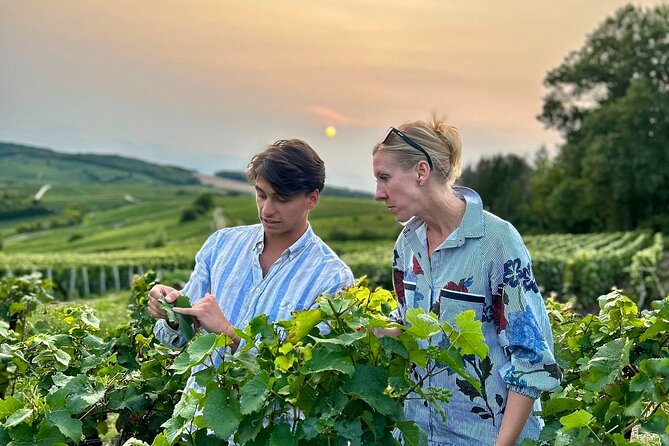
- Small group size (max 8 people) keeps questions from getting lost and makes tastings feel more personal
- 8+ Champagne tastings plus lunch pairing means you’re not just touring, you’re training your palate
- Big-house cellar tour plus a family-run stop gives you both the spotlight and the craft
- Croissant-style morning snack and vineyard drives help break up the long route east of Paris
- Caves are cold and damp (about 45°F / 10°C), so dress like you’re visiting a cellar, not a museum
Why this small-group Champagne day trip makes sense from Paris
Paris to Champagne is a long haul, and big-bus tours can feel like a schedule with occasional stops. This one works better because it stays tight: up to 8 people means fewer bottlenecks at tastings and a guide who can actually manage the group.
Another smart part is how the learning is baked into the tasting. You’re not going to just sip and move on. The tour is designed so you can leave answering questions like what Blanc de Blancs and Blanc de Noirs mean, how Champagne rosé is made, and whether Grands Crus and Premiers Crus exist. That matters because it turns a nice day out into something you can use next time you’re in a wine shop or ordering at a restaurant.
My one caution: because it’s structured around multiple stops and tastings, the day runs long. If you’re the type who gets restless in a car, plan for naps, snacks, and a calm attitude. The minivan hours are part of the experience here, not an accident.
You can also read our reviews of more wine tours in Paris


Paris pickup, monuments on the way, and why the drive east matters
Most days start with hotel pickup somewhere in central Paris. You’ll get an exact pickup time about 24 hours before, and the vehicle is an air-conditioned minivan. If you hate coordinating trains and buses when you’re tired, this is the easy button.
Then you’re pointed east through/near major areas of Paris as you settle in for the ride. Why I think that matters: Champagne day trips aren’t only about the glasses. The region is spread out, and you’ll spend real time learning what you’re looking at from the roadside—subregions like Montagne de Reims, Côte des Blancs, and Vallée de la Marne are part of the story.
Once you’re in the Champagne area, your guide explains the differences between the three grapes used for Champagne: Chardonnay, Pinot Noir, and Pinot Meunier. It’s a helpful mental framework before you hit the cellars, because you start noticing how styles can shift with grape choice and site.
Reims and Notre-Dame de Reims: the quick culture break
On many schedules, there’s a stop in Reims (or Épernay) depending on the day. If the route and weather cooperate, you may also stop briefly at Cathedrale Notre-Dame de Reims.
This isn’t a long sightseeing plan. It’s more like a reset button: a chance to stretch your legs and see the city that’s closely tied to Champagne heritage. Reims itself gives you a sense of place—this isn’t floating “wine country.” It’s a working region with real towns, history, and production right there.
If you’re expecting time to climb around or take your time inside, adjust your expectations. The main focus is Champagne tasting and learning, and the tour spends the bulk of its energy on the wineries.
The first cellar stop: what you get from a big Champagne house tour
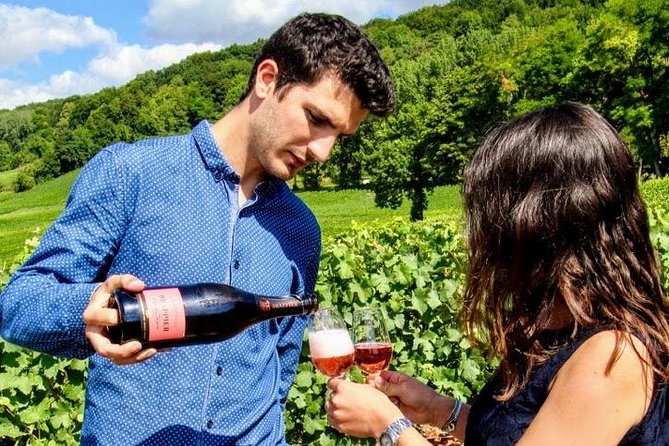
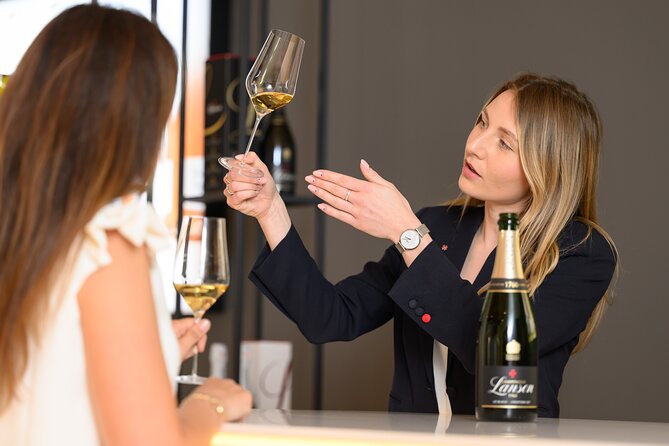
Your first Champagne estate typically comes from a list of major houses (depending on availability), such as Moët & Chandon, Veuve Clicquot, Mumm, Lanson, Nicholas Feuillatte, and sometimes other well-known names. The core experience is similar: you go into the cellar, walk through the galleries/caves, and then taste at the end of the guided portion.
Here’s why I’d call this a “worth it” stop even if you’re not a die-hard Champagne fan:
- You’ll learn the method behind the bubbles (méthode champenoise) in a structured way
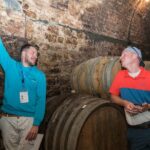
- The cellar setting makes the process feel tangible—yes, it’s cool and damp, but that’s also the point
- You’ll understand what the house is trying to achieve stylistically, not just what you like
Big-house tours can sometimes feel scripted, but in this format you’re still getting something useful: a proper foundation to compare against what you’ll taste later at smaller estates/cooperatives.
One practical note from the details you should take seriously: the caves are usually around 45°F / 10°C. Even in summer, you’ll want a layer. A light jacket or sweater can save your mood.
Vineyard drives through Montagne de Reims, Côte des Blancs, and Vallée de la Marne
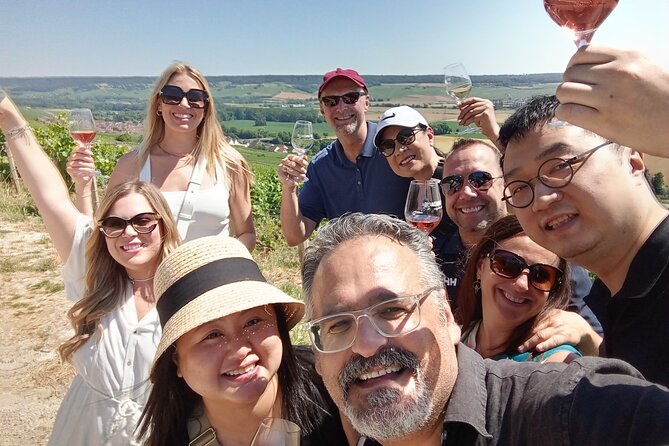
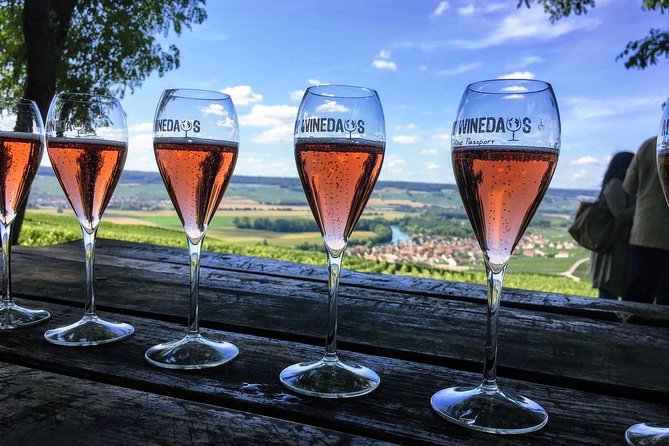
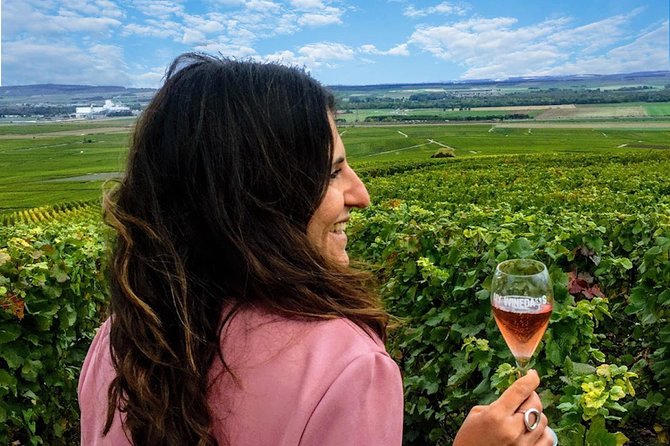
Between tasting stops, you’ll drive past vineyards and scenic areas around Reims, Ay, and Épernay. This is where the tour does a nice job of turning the region into something you can visualize.
You’ll also learn how to associate different grapes with the style of Champagne you’ll find. Chardonnay is closely tied to Côte des Blancs; Pinot Noir and Pinot Meunier show up in different areas and contribute to texture and character. The point isn’t memorizing a chart. It’s giving yourself language for what you’re tasting.
From the “also nice” angle: these are picture-worthy moments and easy breaks from being seated in a cellar. The tour often includes a short scenic stop where you can take photos and reset your brain before the next tasting.
A few more Paris tours and experiences worth a look


Lunch at a family-run estate, paired with Champagne
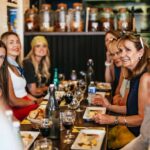
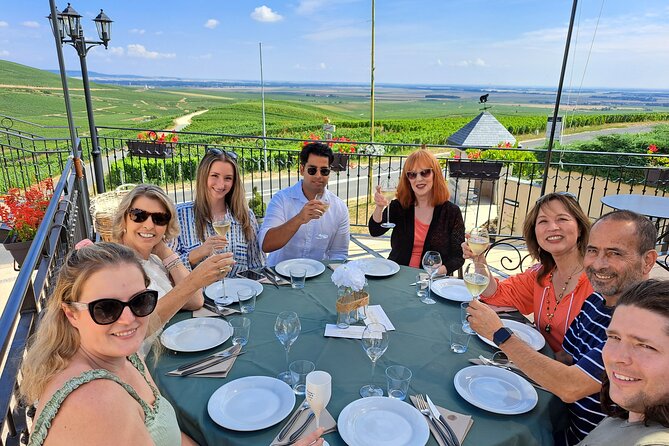
Lunch is served at a family-run Champagne estate. It’s traditional food paired with Champagne, and it’s one of the most consistently praised pieces of the day. People talk about lunch as a real meal, not just a token sandwich.
This is where the balance of the day clicks. After multiple tastings, you need food that can handle acidity, bubbles, and different styles. Pairing lunch also makes the learning stick. You start noticing how the same wine style can feel different with different bites.
One thing to keep in mind: lunch conditions can vary. Some days it may be indoors rather than outside (season and logistics affect this). Either way, treat lunch as a highlight and plan to be hungry.
If you have dietary requirements, you’ll want to note them at booking. The information you’re given is clear that you should communicate needs in advance.
Second estate and cooperative visits: where you see Champagne beyond the brand
After the larger house, the tour typically moves to a family-run vineyard or cooperative. This part is important because it shows another side of the region.
Big houses can be polished and monumental. Smaller estates can be more personal, more about hands-on choices and farm life. The tour generally uses a guided visit format, so you’ll compare how production culture changes from one type of producer to another.
You should also expect time to explore amazing landscapes and vineyards by road. Even small photo stops can be useful because they give you a sense of slope, direction, and the “feel” of the region that grapes grew in.
And yes, you’ll keep tasting. The tour is designed for at least 8 different Champagne tastes across the day, not just a couple of token pours.
What you actually learn (and why it changes how you order wine)
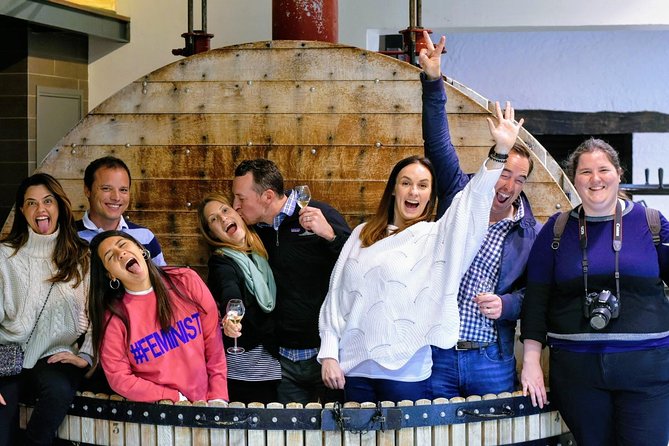
This is the kind of day trip where the education is practical. By the end, the tour is set up so you can answer:
- What Blanc de Blancs and Blanc de Noirs mean
- How Champagne rosé is made
- Whether Grands Crus and Premiers Crus exist in Champagne
- Whether terroir matters in this region
Even if you don’t walk away memorizing classifications, you’ll leave with a framework:
1) Grape basics help you predict style
2) Production method helps you understand why Champagne is its own thing
3) Place (subregions and village rankings) helps you know what people mean when they talk about terroir
And the tasting format reinforces each point. When you try different wines back-to-back, you start to notice patterns: dryness levels, fruit character, texture, and how acidity interacts with food.
I’d call it a “skills day,” not just a “drinks day.”
Guides can make or break Champagne day trips
The good news: this tour seems to attract strong guide personalities. Names that come up in the feedback include Huw/Hugh, Cedric, Aurélien, Chloé, Joël, Lionel, Artem, and Nicholas. People repeatedly mention guides who keep the group engaged, add humor, and explain Champagne clearly.
I also like the small touches that show up in the day structure—things like croissants during the ride, water in the car, and extra moments such as vineyard viewpoints or additional explanations on Champagne along the route.
That said, one reality check: a day with multiple stops can be affected by rain and traffic. The tour does do its best to keep the schedule moving, but weather can slow things down, and cellars and tastings have fixed timing. If you’re booking around an evening reservation in Paris, choose something flexible.
Price and value: what $353.72 buys you
$353.72 per person is not cheap, but the value is tied to what’s included and how the day is paced:
- Hotel pickup in Paris and return drop-off in central Paris
- Air-conditioned minivan for a full day
- Guided visits at major houses and another stop (family/cooperative)
- At least 8 Champagne tastings
- Traditional lunch paired with Champagne
- A small group size (max 8) with a certified wine expert driver-guide
If you tried to cobble this together yourself, you’d quickly run into the same headache: transportation, timing, and lining up cellar access for tastings. For many people, that’s exactly where the price earns its keep.
Also, the small group matters. When you only have a handful of people per day, the guide can slow down for questions. That’s harder to get on larger tours.
What to watch out for on the long day (so it stays fun)
A Champagne day trip is usually a full commitment, and this one runs about 11 hours.
Here are the practical things to plan for:
- Bring a warm layer for cold, damp cellars
- Eat breakfast before pickup since your first proper meal is lunch later
- Expect lots of time in the van on the way to Reims/Épernay area and between stops
- Don’t assume exact brands like Moët or Dom Pérignon will happen on your date
- The tour offers experiences at big houses and family/cooperative stops, but the specific names depend on season and availability
- Drop-off is central Paris, not necessarily at your hotel
If you’re sensitive to late arrivals or very strict schedules, build in buffer for your evening plans.
Should you book this Champagne day trip from Paris?
If you want one day that teaches you how Champagne works while still feeling like a celebration, I think this tour is a strong match. The small group size, the mix of big-house plus family/cooperative stops, and the fact that you’ll taste at least 8 different champagnes with lunch pairing are the three reasons it’s worth your time.
I’d skip it if you:
- hate long drives and cellars
- need a specific Champagne brand on a specific day
- want lots of free time for sightseeing
Otherwise, book it with the right mindset: you’re buying a guided Champagne education plus a carefully structured tasting day.
FAQ
How many people are on the tour?
This experience has a maximum of 8 travelers, so it stays small.
Is pickup in Paris included?
Yes. You can get hotel pickup anywhere inside Paris, and the tour ends with drop-off in central Paris.
How many Champagne tastings are included?
You’ll taste at least 8 different Champagnes during the day, with a traditional lunch also paired with Champagne.
Can the tour handle dietary requirements?
You should advise any dietary requirements at the time of booking so the team can plan accordingly.
What languages are available?
The tour is offered in English. Spanish and French may be available depending on winery and guide availability.
What should I wear for the visits to cellars?
Cellars are usually cold and damp (about 45°F / 10°C). Bring warm clothes for the cellar portions.
What’s the cancellation policy?
You can cancel up to 24 hours in advance for a full refund. The tour also requires a minimum number of travelers (minimum 4); if it doesn’t meet that requirement, you’ll be offered an alternative or a full refund.