REVIEW · CATANIA
Catania: Pistachio Ravioli, Pasta Home Cooking Class w/ Wine
Book on GetYourGuide →Operated by Timonfaya Travel Lanzarote · Bookable on GetYourGuide
Pistachio ravioli, made by you. In Catania, this hands-on class turns Bronte pistachios into a fresh pasta dinner you actually shape yourself, then you unwind with Sicilian wine. I especially like the practical step-by-step cooking (dough, filling, and ravioli shaping) and the warm, at-home feel led by Angela, with help from her son Victor when language needs a bridge.
One thing to plan for: even though the lesson is listed as 3 hours, it can run long at a real pace in a home kitchen, so I’d keep your evening flexible.
In This Review
- Key Highlights
- Catania Pistachio Ravioli: The Appeal of Doing It Yourself
- Angela and Victor’s Teaching Style: How You’ll Actually Learn
- From Dough to Dumplings: What You’ll Do in the Class
- Rolling the Fresh Pasta Dough
- Making the Creamy Pistachio Filling
- Shaping Ravioli That Actually Seal
- The Sicilian Table: Bruschetta, Wine, and the 3-Course Finish
- Pear-and-Cheese Bruschetta (Starter Course)
- Wine Pairing With Your Own Pistachio Ravioli
- Dessert Course: Tiramisu or a Seasonal Sweet
- Why Bronte Pistachio Matters More Than the Catchphrase
- Timing and Practicalities: What the 3-Hour Plan Feels Like
- What to Bring (and How to Make the Night Easier)
- Price and Value: What You’re Paying For at About $100
- Who Should Book This Pistachio Ravioli Cooking Class
- Should You Book This Catania Pistachio Ravioli Class?
- FAQ
- How long is the cooking class?
- What does the $100 price include?
- Is this a small group activity?
- What will I learn to make?
- Who teaches the class, and what languages are used?
- Where is the meeting point?
- Is the activity suitable for wheelchair users?
- Is wine included with the meal?
- Is cancellation free, and can I pay later?
Key Highlights
- Bronte pistachio ravioli taught from scratch, from dough to finished pockets
- Small group (max 8), which makes it easier to get hands-on attention
- Angela and Victor bring instruction with humor and practical technique
- 3-course meal with wine, including pear-and-cheese bruschetta
- English and Italian instruction, with translation support if needed
- Real home cooking vibe rather than a commercial studio
Catania Pistachio Ravioli: The Appeal of Doing It Yourself
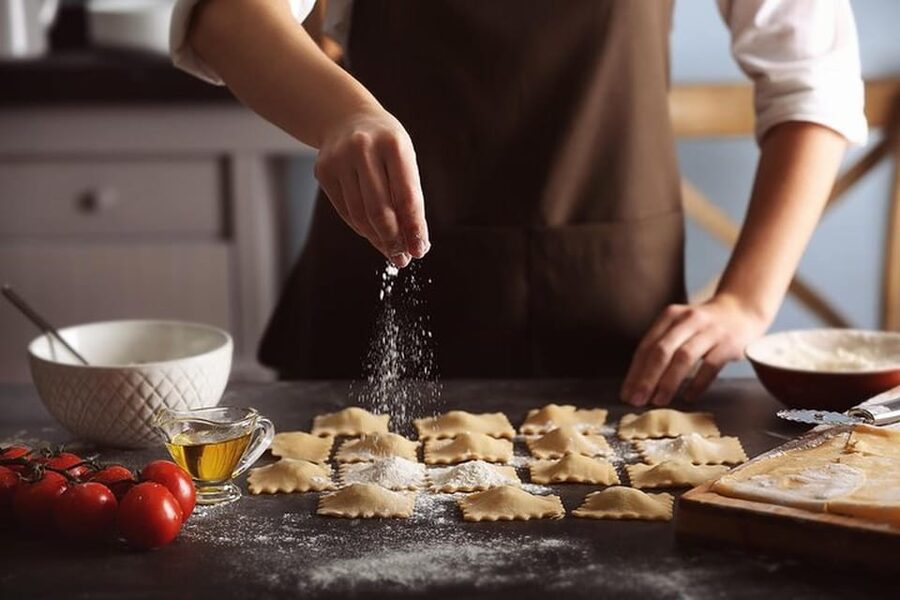
Catania is a great base for Sicilian food, but this experience goes one step beyond “tasting.” You don’t just order pistachio pasta. You make pasta dough, build a pistachio filling, shape ravioli, and then eat what you made—plus wine and a starter and dessert.
That hands-on approach matters because it changes how you taste. When you understand what fresh dough feels like (elastic, not dry), and how filling gets sealed (not bursting, not thin), you’ll recognize quality the rest of the trip. It’s the difference between eating a dish and understanding why it works.
Also, this class has that rare comfort factor. You’re in someone’s real apartment kitchen, not an anonymous restaurant line. Angela’s teaching style—patient, funny, and focused on details—shows up in the way the group works at the table: everyone gets time to practice, not just watch.
You can also read our reviews of more tours and experiences in Catania.



Angela and Victor’s Teaching Style: How You’ll Actually Learn
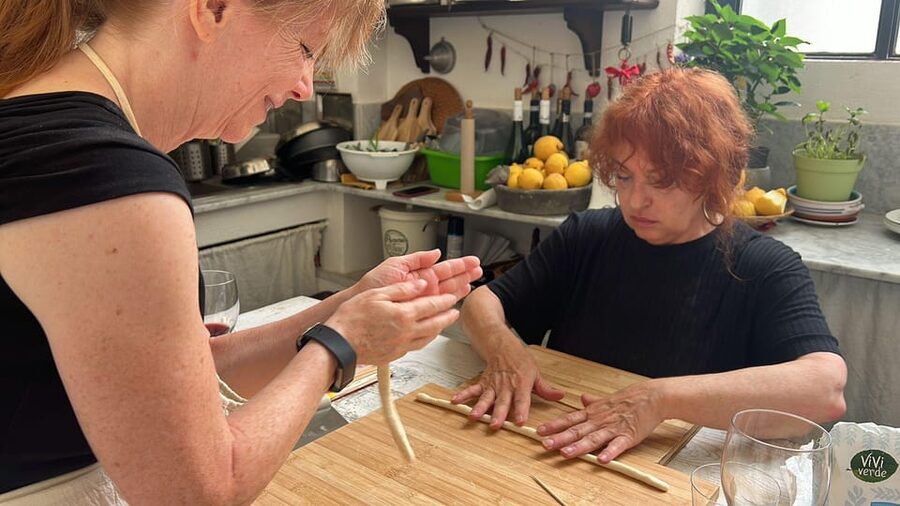
This is led by an instructor who works in English and Italian, and in practice, Angela is the face you’ll remember. Based on what guests described, she explains in a way that keeps moving: you get technique, then you try it right away, then she corrects what you’re doing (in a friendly, sometimes playful way).
Victor’s role shows up as a practical translation helper. Even if your Italian is basic, you can still follow along and keep cooking. Guests have used phone translation tools like Google Translate to communicate, and that works because the instructions are grounded in physical tasks: roll, shape, fill, seal. Words matter, but action matters more.
What I like in this teaching approach is the balance: there’s observation, then there’s practice. You’re not stuck standing around waiting for someone else to finish. And with a small group capped at eight, it’s easier for the host to spot what’s going wrong—too much flour, uneven thickness, or filling that won’t seal.
From Dough to Dumplings: What You’ll Do in the Class
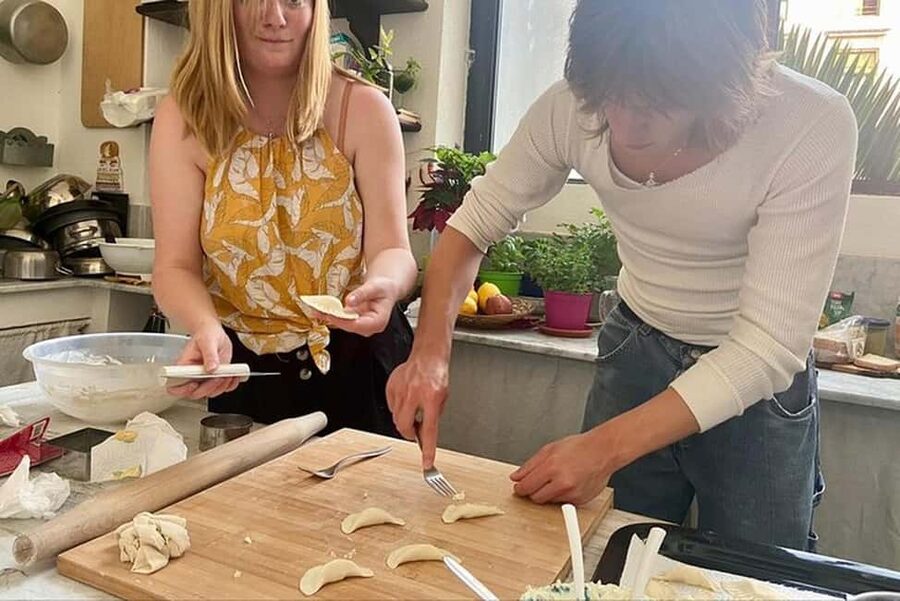
The core of the evening is the ravioli. Expect the lesson to move through clear stages, each one building on the last.
Rolling the Fresh Pasta Dough
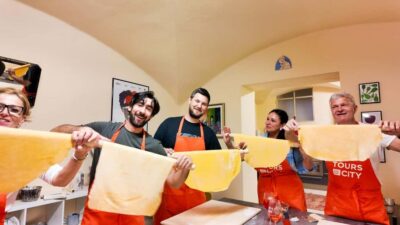
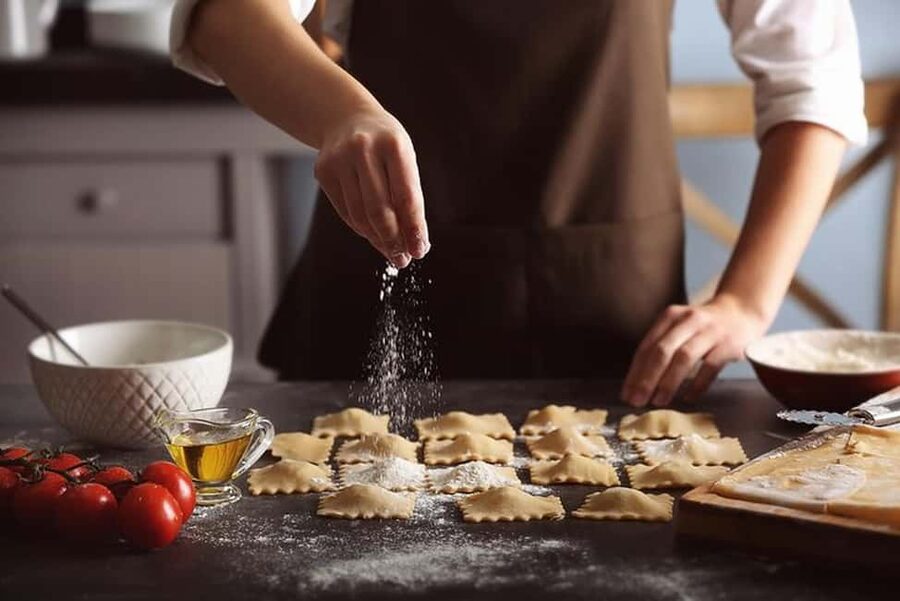
You’ll start with pasta dough from scratch. The key goal isn’t just mixing ingredients—it’s learning how dough should behave. Fresh dough should feel workable: elastic enough to roll without tearing, pliable enough to shape without cracking.
In this kind of class, the chef’s attention to technique is the “secret sauce.” When thickness varies, ravioli can cook unevenly. When dough is too dry or too wet, sealing gets tricky. The upside of doing this in a small group is you can adjust quickly instead of guessing.
Making the Creamy Pistachio Filling
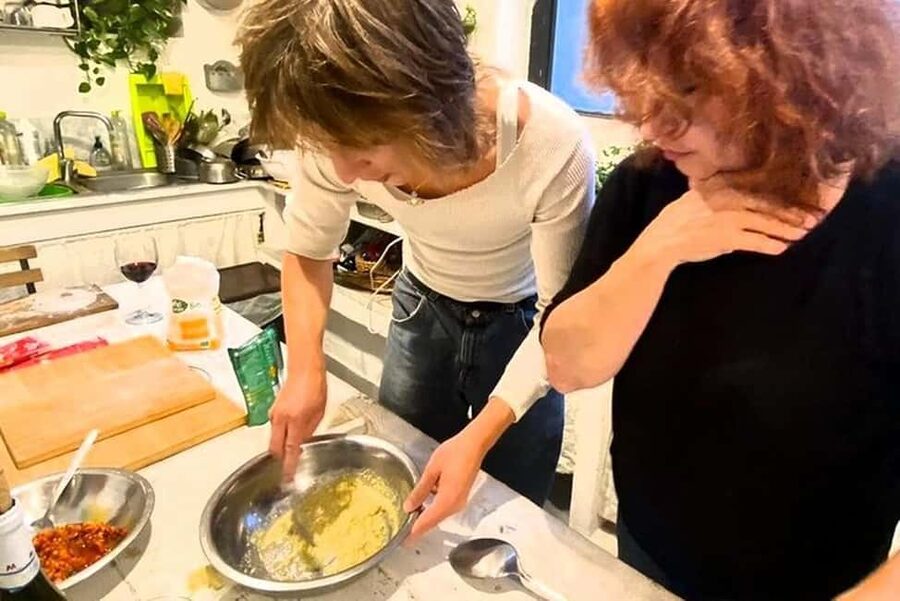
Next comes the filling—pistachio-filled ravioli with a creamy texture. The class framing connects the pistachio to Sicily’s idea of “green gold,” especially the Bronte pistachio. Even if you’ve had pistachio desserts before, this is a different flavor job: savory-leaning, fragrant, and rich enough to stand up to pasta.
You’ll learn how to get the filling to a consistency that spreads and scoops well, not something that runs or leaves gaps in the seal.
You can also read our reviews of more wine tours in Catania

Shaping Ravioli That Actually Seal
Then you shape. That’s where many people struggle at first. The trick isn’t fancy; it’s control. You want enough filling for flavor, but not so much that it pushes out when the dough folds. You want the edges sealed without pressing so hard that you thin the pasta.
Angela’s approach, as described by guests, is hands-on and detail-focused. You’ll get feedback on your technique while you’re still in the “learning window,” when it’s easiest to correct. This is one of the most praised parts of the experience: people consistently talk about how she stays with the group at each stage and keeps things fun while she corrects small mistakes.
The Sicilian Table: Bruschetta, Wine, and the 3-Course Finish
After you’ve made the ravioli, you get to slow down and eat. This is a real meal, not just a tasting plate.
Pear-and-Cheese Bruschetta (Starter Course)
You’ll be served a gourmet bruschetta topped with cheese, pear, walnuts, and chestnut honey. That sweet-savory mix is very Sicilian in spirit: honey shows up in regional cooking, and fruit like pear pairs surprisingly well with cheese when it’s balanced and not overly sugary.
This starter also sets you up for the pasta. It wakes up your palate with texture—crunch from bruschetta, creamy cheese, and juicy fruit—before the richer ravioli arrives.
Wine Pairing With Your Own Pistachio Ravioli
You’ll enjoy local Sicilian wine with your meal. Even if you’re not a wine expert, this kind of pairing is easy to appreciate because you’re eating something fresh and nutty. The wine works best as a complement, not a replacement for flavor.
Guests describe the wine as simple yet “heavenly” alongside the pasta, which makes sense: fresh pasta plus nut filling tends to like wines that can handle richness without overpowering.
Dessert Course: Tiramisu or a Seasonal Sweet
This is a 3-course dinner, and dessert is part of the finish. People have specifically mentioned tiramisu at the end of class, and at least one guest described a ricotta-and-strawberry dessert.
So plan on a sweet ending that feels like Sicilian home cooking, not a bland afterthought. It also makes the whole evening feel complete. You finish cooking, you sit down, you eat, and the night closes out naturally.
Why Bronte Pistachio Matters More Than the Catchphrase
Bronte pistachio is famous for a reason, and this class uses that story to make the flavor feel specific. The “green gold” angle isn’t just marketing. It gives you a frame for why the pistachio works here.
When you taste pistachio in different forms—gelato, cake, cream—the flavor can feel mild or sweet. In ravioli, it gets paired with pasta dough and shaped so each bite has filling wrapped in a thin layer of dough. That makes pistachio taste more aromatic and more structured, especially once you’ve learned how the dough-to-filling ratio changes your final bite.
Also, you’ll likely leave with a better sense of what makes a “good” pistachio product taste different: not just sweetness, but fragrance and richness. That’s the real takeaway if you’re the kind of traveler who wants to come home with more than photos.
Timing and Practicalities: What the 3-Hour Plan Feels Like
The class is listed at 3 hours, but in real life, home cooking takes time—dough needs rest, people need a chance to practice, and everyone eats when the food is ready. One detail I’d take seriously: keep your schedule flexible. Build in buffer time after the meal.
The group is small—up to eight participants—so the pace is shared, not rushed. You’re more likely to feel like you’re part of a dinner party than part of a production line.
Meeting point wise, you’ll need to ring the bell at Vignolo at the provided address. Since this is an apartment setting, it’s worth double-checking that you have the correct entry point and not just the street name.
One more practical note: the class is not suitable for wheelchair users. That likely means stairs and tight apartment layout, so if accessibility is a concern, you’ll want to skip this one.
What to Bring (and How to Make the Night Easier)
You don’t need special gear, but the right mindset helps.
- Wear clothes you’re okay with getting flour dust on. Pasta cooking is messy in a good way.
- Bring an open attitude toward translation. The class works with English and Italian, but when you’re in a home kitchen, speed and phrasing can vary. If you rely on translation apps, have your phone charged.
- If you’re nervous about making pasta, good. That’s normal. The format is designed so you can learn by doing, not by being perfect on the first attempt.
If you like food experiences that feel personal—where you leave with a skill—you’ll appreciate the structure. If you only want passive sightseeing, this might feel too focused. This is a cooking night, not a stroll.
Price and Value: What You’re Paying For at About $100
At $100 per person for a 3-hour, small-group experience, the value comes from the mix of what’s included and what you learn.
You get:
- A cooking class (hands-on pasta-making)
- A 3-course dinner
- Wine
- Water and coffee
What makes it feel worthwhile is that it’s not just “feed you.” You’re actively building the meal. Learning fresh pasta technique is expensive in other settings because you usually pay for instruction plus a meal plus drinks separately.
Also, small-group teaching matters. If there were 20 people, the chef couldn’t correct everyone. Here, the cap at eight helps you stay engaged and receive feedback while your dough is still workable.
Is it budget travel? No. But it is quality “experience” spending: skill + dinner + wine + a host-led evening in Catania. For many food-focused travelers, that’s exactly the sweet spot.
Who Should Book This Pistachio Ravioli Cooking Class
This experience is a strong fit if you:
- Love Sicilian flavors and want pistachio in a savory context
- Want hands-on cooking instead of a short tasting stop
- Enjoy small groups and a host-led evening in a home
- Are comfortable with a little mess and a little laughter
It’s also ideal if you’re traveling with a partner or friends who want to share the same task. Everyone can participate, and the meal becomes the payoff.
You might skip it if you:
- Need wheelchair accessibility
- Want a quick, highly scripted activity with no flexibility in pacing
- Don’t enjoy cooking or prefer only restaurant dining
Should You Book This Catania Pistachio Ravioli Class?
I’d book it if your trip includes time to slow down and eat well, and you want a dinner you can recreate at home. The biggest reason is the combination: real technique, a memorable Sicilian ingredient story (Bronte pistachios), and a full 3-course meal with wine in Angela’s apartment kitchen.
If you’re the type who values local hospitality—chefs who teach you while they keep the vibe relaxed—this class hits the mark. Just plan for a home-kitchen experience, expect some timing flexibility beyond 3 hours, and check accessibility needs in advance.
In short: if you want Catania flavor with a skill you’ll still be practicing months later, this is a smart use of an evening.
FAQ
How long is the cooking class?
The class duration is 3 hours.
What does the $100 price include?
It includes a cooking class, a 3-course dinner, wine, water, and coffee.
Is this a small group activity?
Yes. The group is limited to 8 participants.
What will I learn to make?
You’ll learn to make fresh pistachio-filled ravioli from scratch, including making the pasta dough, preparing the pistachio filling, and shaping the ravioli.
Who teaches the class, and what languages are used?
The instructor teaches in English and Italian.
Where is the meeting point?
You’ll ring the bell at Vignolo at the provided address.
Is the activity suitable for wheelchair users?
No, it is not suitable for wheelchair users.
Is wine included with the meal?
Yes, wine is included.
Is cancellation free, and can I pay later?
Free cancellation is available up to 24 hours in advance for a full refund, and you can reserve now and pay later.