REVIEW · SORRENTO
Sorrento: Lemon, Olive Oil and Wine Tasting Tour with Lunch
Book on GetYourGuide →Operated by La Masseria Farm · Bookable on GetYourGuide
Your nose tells you you’re close. This 4-hour, family-run farm visit on the Sorrento Peninsula pairs lemon and olive groves with tastings and a proper lunch. You’ll get to see how a working farm turns daily harvests into extra-virgin olive oil, wine, and limoncello-style goodness—not just a staged demo.
Two things I especially like: the tour feels hands-on and practical, with stops at the olive grove and lemon trees that actually explain farming decisions. And the finale is food-first—homemade lunch plus farm tastings—so you leave full, not just “inspired.”
One consideration: you’ll be on uneven ground and on a hillside, so plan for some steep walking even though it’s a short tour.
In This Review
- Key highlights worth marking on your mental map
- La Masseria style: why this farm tasting feels real
- Getting there from Sorrento: shuttle pick-up that keeps it easy
- Orchard walk: olive oil basics, lemon groves, and the “why” of pergolas
- Walking the olive grove and learning how oil is made
- Lemon trees and pergolas: why they’re built this way
- Beehives: sustainable farming you can actually picture
- Wild chestnut forest stop
- Wine cellar and oil mill: old techniques, cured meats, and real production
- Tastings: lemonade, honey, olive oils, wine, and limoncello
- Lunch that’s built from the harvest: what you actually eat
- Dietary needs: ask and they’ll try to match you
- Price and value at about $115.71 for 4 hours
- What to bring and how to plan for the walking
- Who this tour is best for
- Should you book this farm tasting in Sorrento?
- FAQ
- Where is the meeting point in Sorrento?
- How long is the tour?
- What’s included in the price?
- What food and drinks are part of the tasting?
- Is there a lunch, or is it only tasting?
- Do you visit the olive and lemon groves?
- Do they cover how wine and olive oil are made?
- What should I wear or bring?
- Is the tour wheelchair accessible?
- Can they handle dietary restrictions?
Key highlights worth marking on your mental map
- A working, 4th-generation family farm where you learn the why behind the farming
- Olive groves + lemon trees on the Sorrento Peninsula, plus a guided explanation of pergolas
- Beehives and organic farming tips (and no, they say you won’t get stung)
- Ancient wine cellar and an old wine press story, plus how meats are cured
- Farm tastings: lemonade, honey, cheeses, multiple olive oils, wine, and limoncello
- A homemade, multi-course lunch that uses seasonal ingredients, finished with lemon dessert
La Masseria style: why this farm tasting feels real
This isn’t a “look and leave” experience. It’s built around a working farm where lemons, olives, wine grapes, and even the beehives play an ongoing role. You’re not just shown products; you’re shown the process and the people behind it.
What makes it click is the pacing. You start outdoors—walking the orchards—then you move into production areas like the cellar and mill spaces, and you finish with tastings and a lunch that’s clearly tied to what you just learned. That farm-to-table flow matters. It turns a meal into a lesson you can taste.
And yes, the lemon theme is real. You’ll see lots of lemons and learn why Sorrento’s farming setup (including pergolas) matters for flavor and growing conditions. It’s the kind of detail that makes you understand why limoncello tastes different when it’s made from the right fruit and handled with care.
You can also read our reviews of more food & drink experiences in Sorrento

Getting there from Sorrento: shuttle pick-up that keeps it easy
The day starts with a shuttle ride. Your meeting point is at the Bus Parking opposite the Grand Hotel Europa Palace in Sorrento, and you return to that same spot at the end.
This matters for two reasons. First, it lets you skip the stress of figuring out transport to a hillside farm. Second, it gives you a smooth entry—by the time you arrive, you’re ready to walk, taste, and eat instead of spending energy on logistics.
Some guides are especially good at handling mixed-group needs. In one group, Eugenio helped senior women navigate hills and cobblestones in the rain with humor and patience. That’s a good sign for comfort and pacing, even if the terrain is still the terrain.
Orchard walk: olive oil basics, lemon groves, and the “why” of pergolas
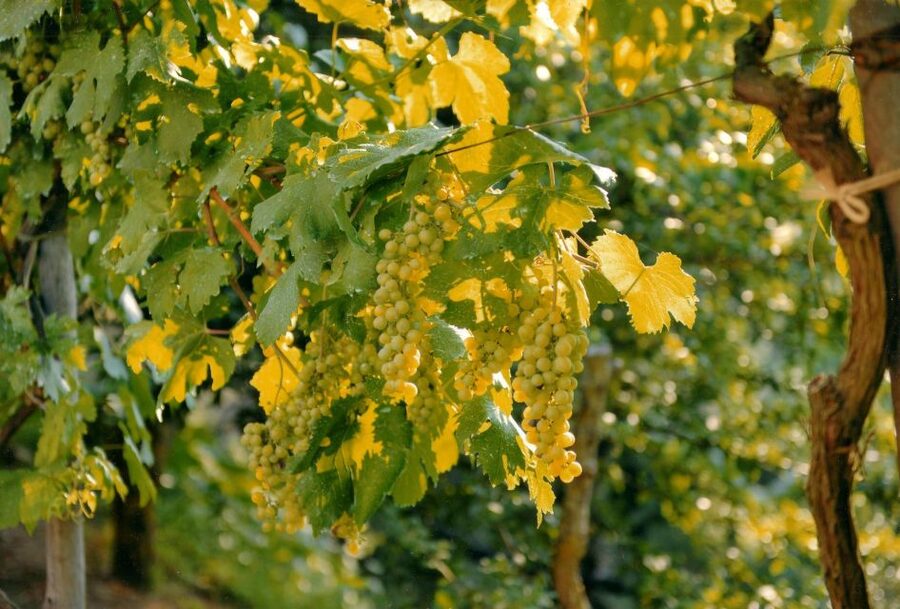
The outdoor portion is where the tour earns its keep. You’ll ride briefly to the working farm, then meet the family—often with the owner welcoming you—and start walking through the orchard spaces.
Walking the olive grove and learning how oil is made
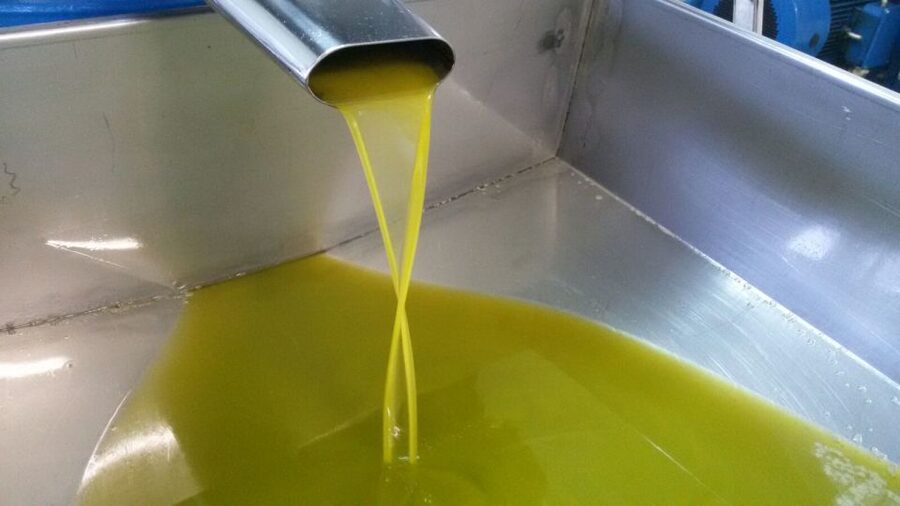
In the middle of an olive grove described as century-year old, you’ll learn how the farm produces extra-virgin olive oil. You’ll also hear how much attention goes into caring for fruit trees and seasonal vegetables that later show up in meals.
Look for the small practical details. Extra-virgin oil isn’t just about pressing olives—it’s about what happens before harvest. That’s what the guide focuses on: picking, timing, and how the farm manages plants through the season.
Lemon trees and pergolas: why they’re built this way
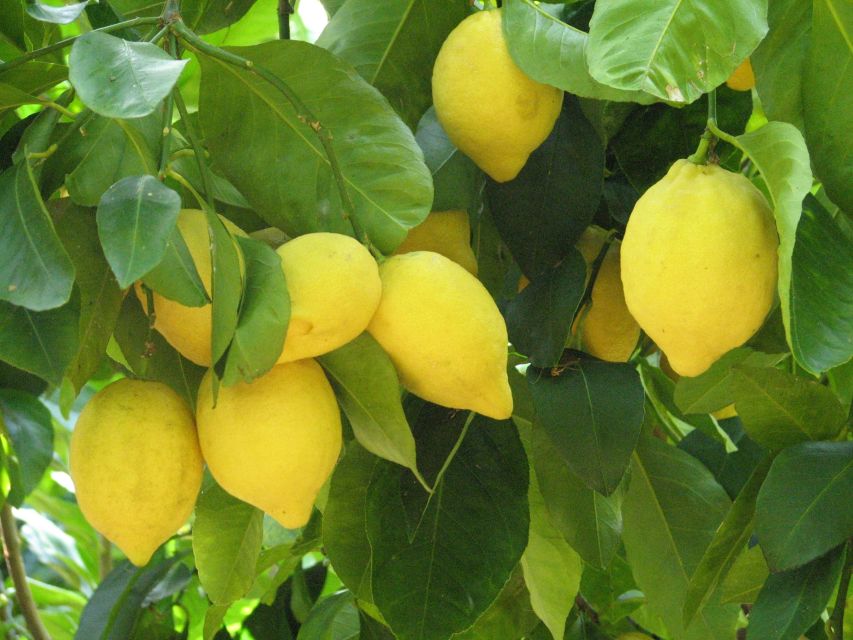
Then comes the lemon part: the farm has 800 lemon trees, and the guide explains how they’re picked and how Sorrento’s famous pergolas are built and used.
You don’t need to be a horticulture nerd to get it. The key idea is that pergolas are part of the farming system. They help shape growth and support how the lemons develop. When you later taste lemon products (like lemonade and lemon dessert), you’ll understand why the grove design is connected to flavor, not just tradition.
You can also read our reviews of more wine tours in Sorrento
- Sorrento Farm and Food Experience including Olive Oil, Limoncello, Wine tasting
★ 5.0 · 2,524 reviews



Beehives: sustainable farming you can actually picture
Between olive and lemon stops, you’ll also visit the farm’s beehives and learn why bees matter in organic farming. The tour notes that you won’t get stung, which is reassuring, since this is one of those “sounds spooky” stops for people who don’t like surprises.
You’ll also see friendly animals during the orchard walk. That adds a warm, lived-in farm feel—like you’re stepping into someone’s day, not into a museum exhibit.
Wild chestnut forest stop
The walk includes a look at a wild chestnut forest, which breaks up the citrus-and-olive rhythm and helps you appreciate how the farm fits into the broader landscape. It’s a nice reminder that Mediterranean farming isn’t one crop; it’s a system.
Wine cellar and oil mill: old techniques, cured meats, and real production
After the orchard walk, the tour shifts indoors to the farm’s older production spaces.
You’ll visit the ancient family wine cellar, learn about how red wine is made using an old wine press, and also hear how meats are cured. That’s a big part of why this experience feels authentic: it shows that the farm’s production isn’t only about bottling wine and selling oil—it’s about preserving and using resources across the year.
You’ll also hear about the farm’s oil mill. Even if you don’t catch every technical detail, you’ll come away with a clear sense that the farm is set up for ongoing work—harvest, processing, storage, and then turning it back into food and drink for visitors.
Tastings: lemonade, honey, olive oils, wine, and limoncello
Once you step into the tasting area, the farm’s products start stacking up. The lineup includes homemade lemonade, honey, cheeses, olive oils in different specialties, citrus marmalades, and wine, plus limoncello.
Here’s how I’d approach it so you actually taste with intention:
- Start with the lemonade and citrus items so your palate wakes up.
- Move to olive oils on homemade bread so you can compare flavors and intensity.
- Then taste honey, cheeses, and marmalades to see how sweetness and salt balance against citrus.
- Finish with wine and limoncello since those can be stronger and more aromatic.
In several experiences like this, the tastings are where tours can feel “small and repetitive.” Here, the variety is the point. You’re tasting multiple olive oil styles and multiple citrus forms, not just one product in a tiny sample.
Also, the family store at the end can be worth a browse. If you find an olive oil or limoncello you really like, it’s the moment to buy while the flavors are still in your head.
Lunch that’s built from the harvest: what you actually eat
The meal is a big reason people rave. And it’s not just “a snack.” You’ll enjoy a homemade lunch prepared using farm products with seasonal cooking.
The tour describes a first traditional course made with seasonal ingredients, followed by a lemon dessert. The dessert is topped off with a frosty glass of limoncello, and you even get the family’s lemon recipe.
That lemon dessert + limoncello combo is the part you’ll remember on the ride back. It hits that Sorrento sweet spot: bright citrus, then a smooth liqueur finish. And because you tasted lemonade and citrus earlier, the dessert feels like the final chapter rather than a random stop.
Dietary needs: ask and they’ll try to match you
One useful real-world detail: in at least one group, the farm accommodated gluten-free needs, and the tour also handled people who were vegetarian or had other allergies. That’s a solid signal. If you have dietary restrictions, tell the operator when you book so you’re not figuring it out at the table.
Price and value at about $115.71 for 4 hours
$115.71 sounds like real money—until you break it down like a responsible adult.
You’re paying for:
- Round-trip shuttle from Sorrento
- A guided walk through orchards and production areas
- Multiple tastings (lemon products, honey, cheeses, olive oils, wine, limoncello)
- A sit-down lunch with courses and dessert
For many “food experiences” around Italy, you’ll pay a similar amount and still get either tastings without a real meal, or a meal with very limited product access. This one stacks both: you learn the farm process and then eat what’s connected to it.
Another value factor: the tour is 4 hours, long enough to feel like a full outing, short enough to fit into your Sorrento itinerary without stealing your whole day. If you’re trying to balance beach time with something more local than a restaurant run, this is the kind of half-day that works.
What to bring and how to plan for the walking
Wear comfortable shoes. The farm is on a hill, and you’ll likely handle steep or uneven paths during the orchard walk. Even with a good guide and a helpful attitude, you still don’t want to do this in flimsy sandals.
If you’re worried about mobility, pay attention to how your group handles the hills. In rain, a guide like Eugenio helped senior travelers navigate cobblestones and slopes with humor and kindness. That said, you’ll still be doing some walking outdoors.
Who this tour is best for
This is ideal if you want:
- A hands-on farm-to-table experience (not just “tasting in a room”)
- An emphasis on Sorrento lemons and olive oil, plus wine and limoncello
- A family-run feel where you’re treated like you belong for a few hours
You’ll especially like it if you’re the type who enjoys asking questions like how and why grapes and trees are managed, or why Sorrento pergolas look the way they do.
Should you book this farm tasting in Sorrento?
If you’re even slightly food-curious, I think it’s an easy yes. The biggest strengths are the real farm access, the full tasting lineup, and the fact that the lunch actually uses the farm’s products. You end the experience fed, with flavors you understand, and a few bottles you can bring home.
The main reason to hesitate is the walking on a hillside. If mobility is a major issue, consider your comfort level and ask about the route you’ll take.
If you want a memorable Sorrento day that’s more than coastline photos, this tour delivers.
FAQ
Where is the meeting point in Sorrento?
You meet at the Bus Parking opposite the Grand Hotel Europa Palace in Sorrento. The tour also ends back at the same meeting point.
How long is the tour?
The experience runs for about 4 hours.
What’s included in the price?
The tour includes shuttle service from the meeting point to the farm and a light lunch/dinner.
What food and drinks are part of the tasting?
You’ll taste fresh lemonade, honey, cheeses, olive oils, wine, and limoncello, along with citrus marmalades and other farm products.
Is there a lunch, or is it only tasting?
There is lunch at the end. The meal includes a traditional course using seasonal products, followed by a lemon dessert topped with limoncello.
Do you visit the olive and lemon groves?
Yes. You’ll walk through olive groves and then among lemon trees, with explanations of how the lemons are picked and how pergolas are built.
Do they cover how wine and olive oil are made?
Yes. You’ll visit the ancient family wine cellar and learn about red wine made using an old wine press, plus you’ll also see an oil mill and learn about olive oil production.
What should I wear or bring?
Bring comfortable shoes. The farm is on a hillside, and some walking is involved.
Is the tour wheelchair accessible?
The activity is listed as wheelchair accessible.
Can they handle dietary restrictions?
The information provided indicates they accommodated gluten-free and vegetarian needs for at least some visitors. If you have allergies or dietary limits, confirm them when booking so the team can plan meals.
You Might Also Enjoy




More Food & Drink Experiences in Sorrento
- Sorrento Farm and Food Experience including Olive Oil, Limoncello, Wine tasting
★ 5.0 · 2,524 reviews


More Tours in Sorrento
More Tour Reviews in Sorrento
- Sorrento Farm and Food Experience including Olive Oil, Limoncello, Wine tasting
★ 5.0 · 2,524 reviews