REVIEW · PAMPLONA
Rioja Like A Native Wine Tour
Book on Viator →Operated by Rioja Like A Native · Bookable on Viator
Rioja can be a long way from a boring wine tasting. This full-day small-group tour is built around real wine-making—family wineries and hands-on tasting lessons—set across Rioja Alta and Rioja Alavesa. I like that the day mixes old-school traditions like grape stomping with how modern wine ages in oak, and I also like the small-group attention. The one thing to think about: it’s a full 9-hour day, and the focus is on learning and tasting (not buying lots of bottles).
You’ll start at 9:30am and get round-trip transfers in an air-conditioned vehicle, with pickup offered in several Rioja towns (including Logroño, Laguardia, Elciego, Cenicero, Briones, Haro, and Briñas). The guide is an English-speaking wine expert, and the tone I’ve seen described with guides like Fito is practical and friendly—serious about Rioja, easy to follow.
For me, the best value is that you’re not just sampling and moving on; you’re getting context so each wine has a reason behind it.
In This Review
- Key moments that make this tour worth your time
- Rioja Like A Native: why this feels different from a standard tasting day
- The winery lineup: two family places, one old-school baseline, and a vineyard finish
- Learning the wine process through tastings that actually teach
- Lunch “Like a Native”: where the Rioja pairing clicks
- Rioja Alta and Rioja Alavesa: how you’ll experience two sides of the same identity
- Transport and group size: the comfort factor you feel all day
- Price and value: is $550.48 fair for a 9-hour Rioja day?
- Practical advice before you go (so the day runs smoothly)
- Should you book Rioja Like A Native?
- FAQ
- What’s the tour duration and start time?
- How much does Rioja Like A Native cost?
- Is the tour offered in English?
- Is pickup included, and where is it available?
- How many people are in the group?
- What’s included in the price?
- What age do you need to be to drink wine?
- Is lunch included?
- Can I cancel and get a full refund?
Key moments that make this tour worth your time
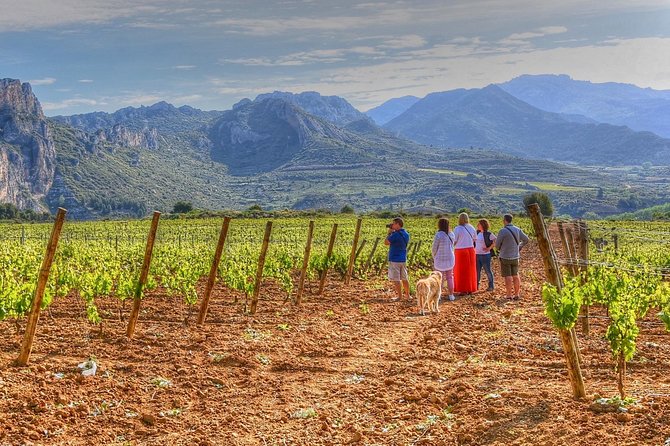
- Two family-owned wineries plus vineyard time so you see how decisions get made from grape to bottle
- Ancient vs modern methods including grape stomping and barrel-aging comparisons
- Tasting lessons you can use at home like comparing wine from the same tank in different barrels
- Lunch “Like a Native” paired with Rioja wines in a way that teaches what to notice
- Small group (max 8) for better questions and more time with the winemakers
Rioja Like A Native: why this feels different from a standard tasting day
This is a day designed for people who actually want to understand what’s in the glass. The tour frames Rioja as a long story—Roman times to today—then turns that story into something you can taste. That matters, because Rioja gets repeated in marketing terms a lot. Here, you learn what’s changing and what stays the same as winemaking methods evolve.
You’ll cover two of Rioja’s most iconic areas: Rioja Alta and Rioja Alavesa. That isn’t just geography for a photo stop. It’s a way to understand how the region’s wine identity holds together even when the vineyards and practices differ. The tour also includes a “stunning vineyard” finale, which helps connect all the classroom talk to the source: the vines.
A detail I appreciate is the pacing. With a group capped at 8 people, you’re not constantly competing for attention. If you like asking follow-up questions—about soil, aging, pruning, or what to look for in a tasting—this setup makes it easier.
You can also read our reviews of more wine tours in Pamplona
The winery lineup: two family places, one old-school baseline, and a vineyard finish
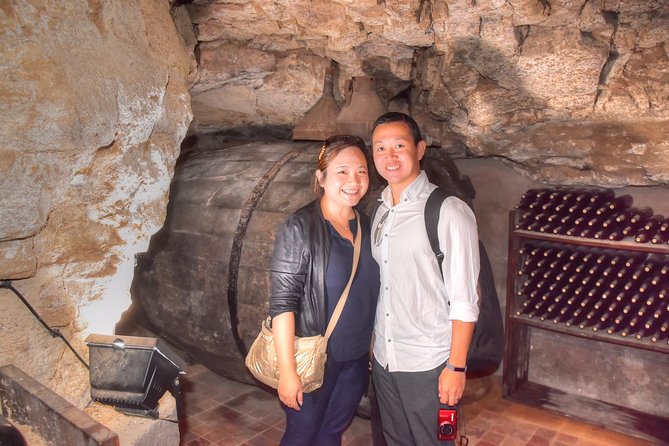
The core of the day is three guided vineyard visits. In practice, that means you get multiple windows into Rioja wine-making rather than one single factory-style tour.
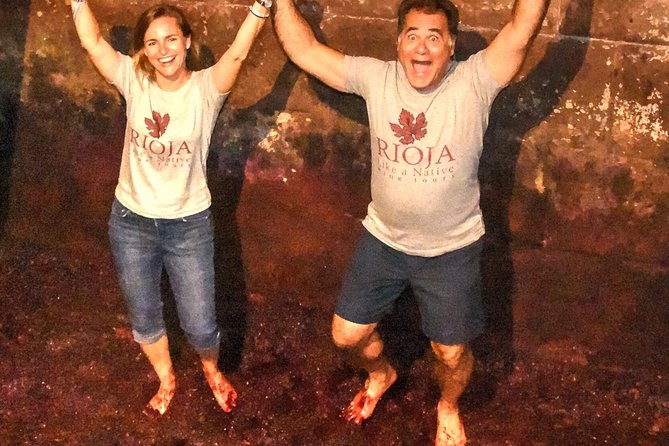
At one winery, you’ll step back in time at a place dating to the 15th century. This is where you get the kind of contrast that makes learning stick. You’ll hear about older traditions like grape stomping and then compare that with what winemakers do now, especially how wine is aged. When you taste after hearing the process, it’s easier to connect flavor to technique.
At another stop, you’re looking at modern decisions and how they show up in tasting. One of the most memorable learning experiences from the day is barrel comparison using the same starting wine source—tasting how oak types can change the character. That sort of A/B tasting teaches you to separate what you’re tasting from what you’re assuming.
Then there’s the vineyard-focused portion. You’ll spend time at the vines and get commentary on how the vineyard work shapes the wine. One example from the day that comes through clearly: learning about vine care like pruning, then testing what you remember through a structured tasting exercise (including a blind tasting format). Even if you’re not a wine “nerd,” that kind of activity builds your confidence to describe what you like and why.
One practical note: wineries can have different styles of hospitality—some are talk-first, some are step-by-step. The best part here is that you’re not stuck in one mode all day.
Learning the wine process through tastings that actually teach
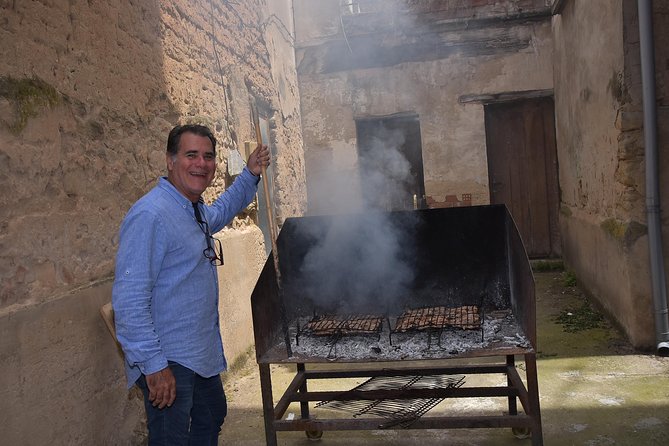
If your goal is to drink your way through a bunch of labels, you might feel slightly disappointed. This day is built for learning. You’ll taste with purpose.
Here are the tasting moments that make the education feel real:
- Tasting wine from the same tank aged in different types of barrels so you can notice how oak impacts the wine
- Tasting wine right out of the tank before barrel aging so you can feel the change from unaged to aged
- A blind tasting tied to vineyard care and pruning, designed to test recognition and observation
The reason this works is simple: it keeps the lesson anchored. You’re not just collecting impressions. You’re training your palate to connect process → choice → taste.
Also, pairing matters here. Lunch isn’t treated like a break where learning stops. It’s treated like another tasting lesson, using local food matched with Rioja wines so you see how flavors interact.
Lunch “Like a Native”: where the Rioja pairing clicks
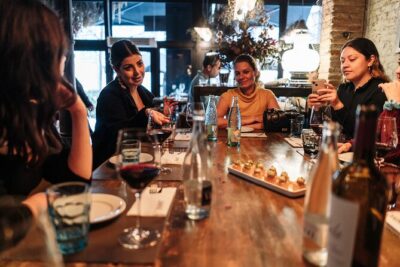
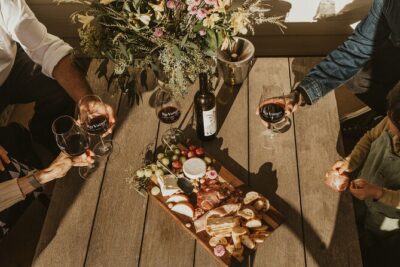
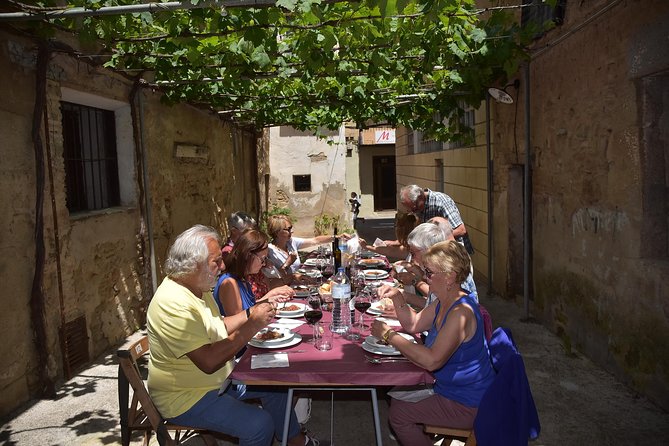
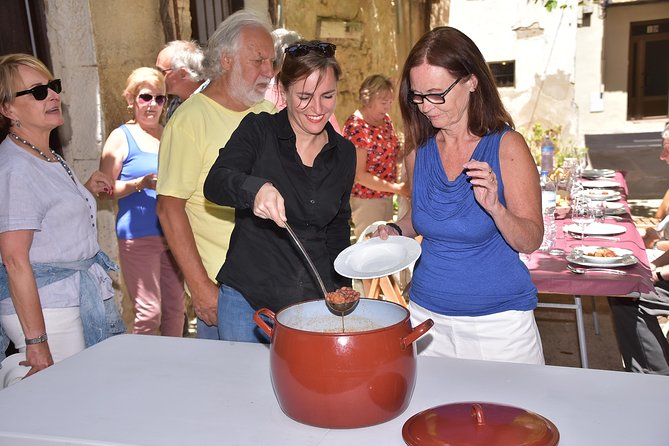
Lunch is included and described as local cuisine paired with Rioja wines. That pairing is the secret sauce for many wine tours because it forces you to pay attention beyond the glass.
What I like about this is that it helps you answer the question people usually struggle with on wine trips: what makes a wine enjoyable with food? Instead of only tasting neat wines, you get a structured reason to notice balance—fat vs acidity, tannins vs texture, and how the wine’s flavor direction changes when it meets something on the plate.
Timing also matters. A long wine day can feel like a schedule parade if food is late or rushed. Here, lunch is built into the flow of the day, with the option that plans may shift if weather changes—so be ready for a day that stays flexible rather than rigid.
Rioja Alta and Rioja Alavesa: how you’ll experience two sides of the same identity
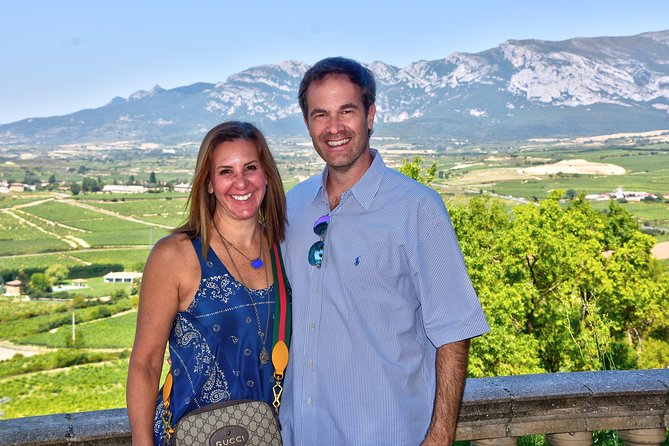
Rioja Alta and Rioja Alavesa can feel like they’re telling the same story with different accents. The tour uses these two areas as a learning framework, not just a sightseeing route.
You’ll also get built-in framing on what makes Rioja distinct over time, including how modern practices relate to earlier methods. When you combine that with the stops at family wineries, the day turns into a practical lesson: Rioja isn’t one flavor. It’s a system of choices that winemakers keep refining.
If you’re the type who likes to compare regions, pay attention to how the guide describes each stop. Even when two wines seem similar at first sip, the explanations often steer you toward what to look for next.
Transport and group size: the comfort factor you feel all day
This is not a party bus kind of tour. It’s offered as a small-group day (up to 8 people) with private transportation and air-conditioning. Pickup and drop-off happen from your Rioja hotel or a nearby meeting point, and the day is timed around a 9:30am start.
Why this matters:
- You lose less time waiting around, since the tour is designed around scheduled pickup and a single group flow.
- You stay comfortable in the vehicle, especially in warm weather.
- You get more guide time because the group cap reduces crowding at the wineries.
One real-world detail to keep in mind: the vehicle may pick up additional people at the start of the route before it settles into your final group count. That doesn’t change the tour size limit, but it does affect how quickly you feel like you’re in a tight circle from minute one.
Price and value: is $550.48 fair for a 9-hour Rioja day?
At $550.48 per person, this isn’t a bargain tasting. It’s a premium day, and the value comes from what’s included and how the day is structured.
You get:
- Round-trip transfers in an air-conditioned vehicle
- An English-speaking wine expert guide
- Three guided vineyard visits
- Lunch with local food paired with Rioja wines
- Small group size (max 8)
If you break it down by what you’d pay for those elements separately—transport, guide time, and multiple winery visits—the price starts to make sense. The biggest justification is the learning format: structured tastings (including process-based comparisons) plus food pairing, all taught by someone who stays focused on Rioja’s “how and why,” not just the “what.”
So I’d call this a good value if you want a guided education day. If you only want a quick sampler and you’re happy to buy bottles without understanding them, you can probably find cheaper options.
Practical advice before you go (so the day runs smoothly)
This is an all-day wine experience, so your best move is to treat it like a day trip with a little classroom time.
A few smart steps:
- Wear comfortable shoes. Winery terrain and vineyard paths can be uneven.
- Bring a small notebook or use your phone for quick tasting notes. The blind tasting and comparisons can be easier to remember if you write down what you liked and why.
- Plan for alcohol (minimum drinking age is 18). You’ll be tasting throughout the day, so don’t schedule anything important afterward.
- If you have dietary restrictions, it’s worth communicating ahead of time. The tour has accommodated dietary needs in at least some cases, and it’s the kind of day where you’ll want lunch to feel fully included.
Should you book Rioja Like A Native?
Book it if you want your Rioja day to be more than tasting-and-buying. I’d recommend it to you if you like:
- learning how winemaking choices show up in flavor
- structured tastings (especially barrel and tank comparisons)
- a small group format that keeps the guide interaction meaningful
- lunch as part of the experience, not just a break
Skip it if your main goal is drinking a wide variety of wines fast with minimal instruction. Also, if you don’t enjoy long, scheduled days, the 9-hour timing might feel like a grind.
FAQ
What’s the tour duration and start time?
The tour runs about 9 hours and starts at 9:30am.
How much does Rioja Like A Native cost?
The price is $550.48 per person.
Is the tour offered in English?
Yes. The tour is offered in English.
Is pickup included, and where is it available?
Pickup and drop-off are included, with pickup within the Rioja Wine Region in towns such as Logroño, Laguardia, Elciego, Cenicero, Briones, Haro, and Briñas.
How many people are in the group?
The tour has a maximum of 8 travelers.
What’s included in the price?
You get group tour with an English-speaking wine expert guide, private air-conditioned transportation, three guided vineyard visits, and lunch Like a Native paired with wines. Pickup and drop-off are included.
What age do you need to be to drink wine?
The minimum age for alcohol is 18.
Is lunch included?
Yes. Lunch Like a Native is included and paired with Rioja wines.
Can I cancel and get a full refund?
Free cancellation is available. You can cancel up to 24 hours in advance of the experience start time for a full refund.