UNESCO vineyards have a way of making time slow down. This Lavaux and Lutry wine walk is a UNESCO terraces stroll with real wine-tasting stops and a guide who connects grapes to place. I love the views over Lac Léman as you meander through the vines, and I love how guide Marc makes each tasting feel like a mini lesson, not a stop-and-sample.
The one thing to plan for is the walking. It’s about 3 km with steps and uneven ground like tree roots, so it can be tricky if you need an easy, stroller-friendly route or if your knees prefer flat paths.
Good news: you’re not doing this with a crowd. Expect a max 12 person group, and remember Swiss law means wine tasting is for ages 16+, even though the walk itself is family friendly.
In This Review
- Key points
- Lavaux’s UNESCO terraces: why this wine walk feels different
- Meeting in Lutry and the walk plan: pace, distance, and what it really means
- Stop 1 in Grandvaux: vineyards first, tastings in real settings
- The second tasting stop and the snack break that ties it together
- How Swiss wine tastings work here (and the 16+ rule)
- Weather, views, and what to pack for a smooth afternoon in the vines
- Price and value: what you’re paying for at $309.10
- Who should book this wine walk (and who should think twice)
- Booking checklist: quick tips before you go
- Should you book Vine Stories: Lavaux & Lutry wine walk?
- FAQ
- How long is the Lavaux & Lutry wine walk?
- Where does the tour start?
- How many people are in the group?
- What is included in the price?
- Can everyone take part in the wine tastings?
- Is bottled water included?
- What happens if the weather is poor?
Key points
- UNESCO Lavaux terraces with postcard-level vineyard views over Lac Léman
- Marc’s storytelling makes Swiss wine and local history click fast
- Hosted tastings at local domains, plus snacks like charcuterie
- Small group size (max 12) keeps questions and pace comfortable
- 3 km walking route with steps and roots means good shoes matter
Lavaux’s UNESCO terraces: why this wine walk feels different
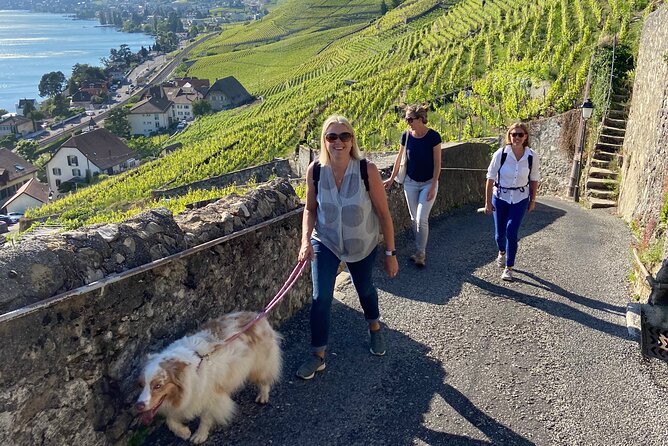
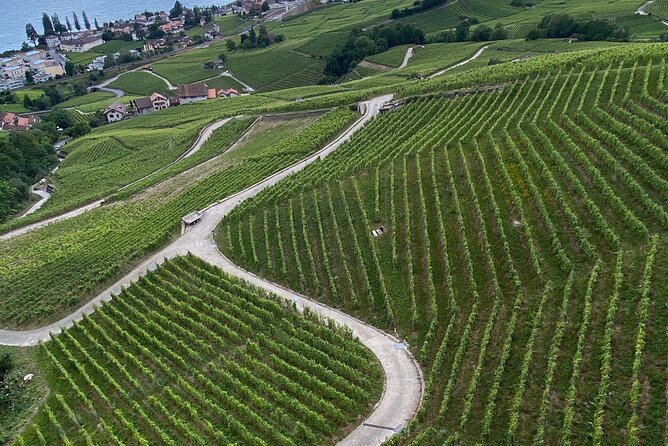
Lavaux is one of those places where the scenery isn’t just pretty, it explains the wine. The terraces are built for slope and sun, and you can feel that logic as you walk—vine rows follow the land, and every bend in the path seems designed to show you why this region is famous.
What I like about this tour format is the mix of walking + tasting. You’re not stuck in a van while you get a quick glimpse. Instead, you move through the vineyards and then stop where the wine actually comes from. That changes how you taste. Even if you are not a wine expert, you start noticing details like how the slope shapes growing conditions, and why local growers talk about careful work more than shortcuts.
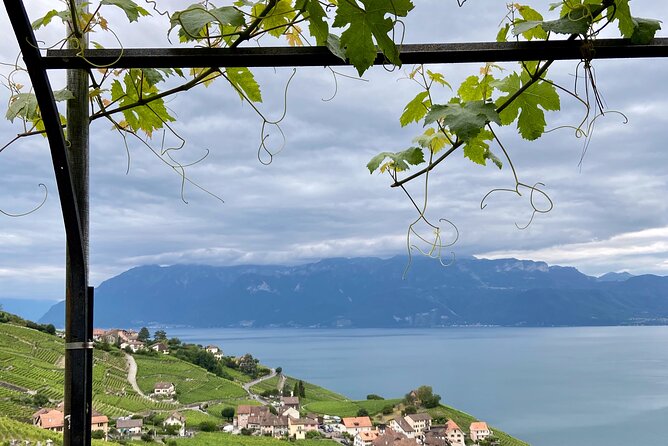
And yes, the views are the headline. You look out over the lake, and the vines frame it like a living wall. More than once during a walk like this, you’ll catch yourself pausing without thinking, then turning back to see the terraces again from a new angle.
You can also read our reviews of more tours and experiences in Lausanne.
Meeting in Lutry and the walk plan: pace, distance, and what it really means
The walk starts at Bossière, 1095 Lutry. The area is near public transportation, which matters because you’re not paying for private transfers. You’re also not doing a long “bus tour” day—this is built for an afternoon hike with a few planned stops.
The total time is about 3 hours 30 minutes, and the actual walking is roughly 3 km (1.8 miles). That sounds easy until you remember this isn’t flat ground. The route can include steps and tree roots, so it’s best approached with “moderate fitness” in mind. If you like to stroll, you’ll likely be fine. If you prefer smooth pavement and zero elevation drama, you may find parts slow-going.
Group size is capped at 12 travelers, which is one of the reasons the experience feels personal. With a small group, your guide can answer questions as you go, and you’re not fighting for attention during tastings. It also tends to make it easier to adjust pace if people need a breather.
One more timing note to keep in your head: the experience runs seasonally, and the listed hours shown are Mondays, 10:00 AM–1:30 PM (for the date window provided). If you’re planning other things around it, build in some buffer time for trains and connections.
Stop 1 in Grandvaux: vineyards first, tastings in real settings
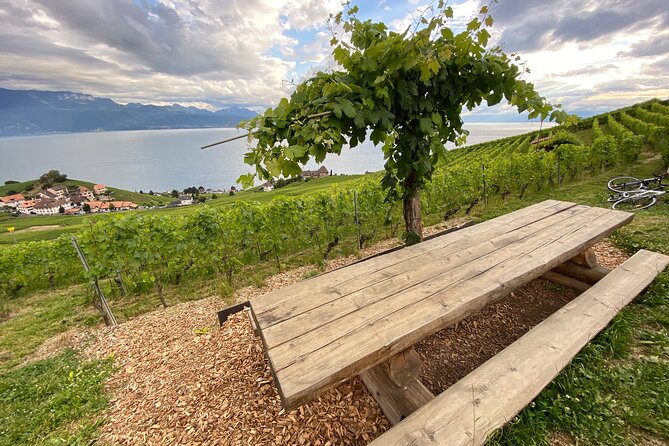
Stop 1 is Grandvaux, in the western Lavaux region. This is where the walk really earns its keep. You’re not just seeing vineyards from a distance—you’re moving along vineyard paths while your guide ties what you see to how the wine is made.
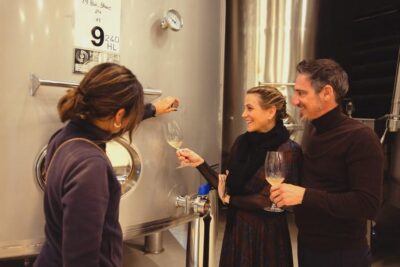
The pacing at this stage is typically about 2 hours 30 minutes, and there are hosted wine tastings along the way. The key word is hosted. These aren’t cold, showroom-style samples. The tasting spots are described as unique locales, and the point is to show you how local winemakers live with the land they farm.
The route also tends to give you those frequent “look back” moments. One review experience included seeing trains passing in the wider area while walking. Even if you don’t focus on it, it’s a reminder that this is a working wine region, not a fenced-off theme park.
What to expect during the Grandvaux phase:
- Vineyard walking with story-led context about the region
- A hosted tasting stop or stops in local settings
- Time for questions, especially if you’re curious about Swiss wine styles and how the terraces affect grapes
Possible drawback: because this is a real walk through vines, you’ll want to treat it like one. Wear shoes you trust on uneven ground. If you’re worried about your legs, bring snacks and hydration habits, since bottled water is not included.
The second tasting stop and the snack break that ties it together
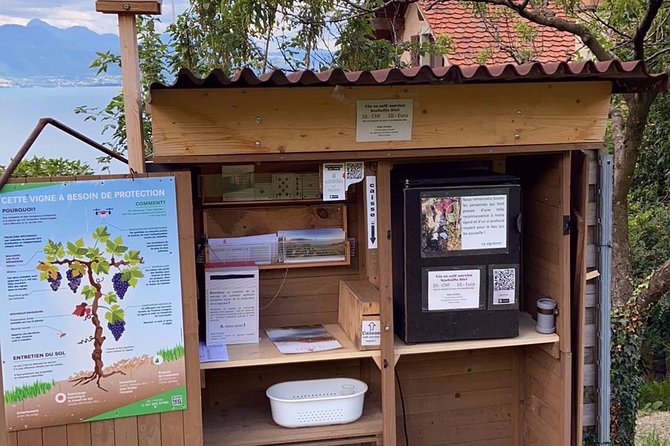
The tour includes snacks—listed as a charcuterie platter or something similar—and the tastings are tied to local winemakers. While the itinerary details only call out Grandvaux explicitly, the experience is clearly built around multiple wine-tasting moments. Several accounts describe tasting at two winery/domain stops, not just one quick pour.
This matters for how you read the wine. One tasting stop can teach you what’s happening at a point in the process. Two stops help you see variety: differences in grape handling, terroir emphasis, and how a region can produce wines that still share a common identity.
The snack part is also more than an afterthought. Charcuterie style food is a natural partner for wine, but it also gives you a calm reset in the middle of a walking day. After time on your feet, you can sit, taste thoughtfully, and ask questions without rushing.
Practical take: don’t show up starving. The walk is only a few hours, but you’re outside, you’re walking, and you’re tasting. A light breakfast and a packed mindset help you enjoy the slower, conversational side of the stops rather than the rushed side.
How Swiss wine tastings work here (and the 16+ rule)
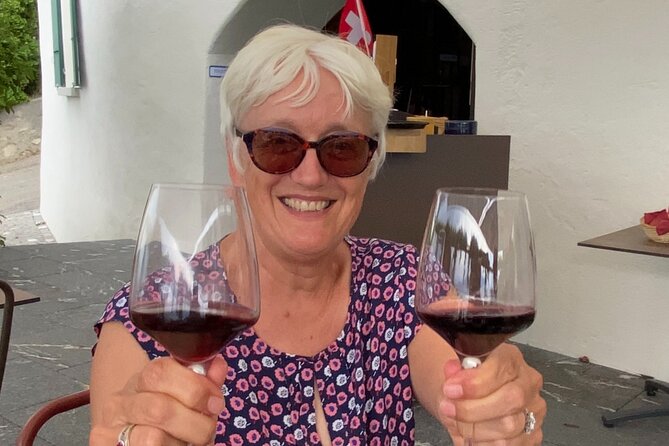
Swiss wine tasting isn’t just pouring for fun. In this walk, tastings are local and tied to the region’s heritage, and your guide’s job is to help you make sense of what’s in the glass.
Two things to note:
- You’ll be tasting local wines provided as part of the experience (alcoholic beverages are included).
- Under Swiss law, anyone 16 and over can take part in wine tasting activities.
That means if you’re traveling with teens, plan ahead so everyone knows what they can do at tastings. If you’re traveling with younger kids, the tour is described as family friendly, but you should reach out if you have very young children, since the route includes uneven ground.
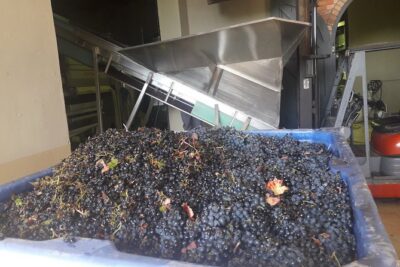
One fun bonus: this kind of vineyard day can include small moments of direct grape experience when the timing is right. In one experience, ripe grapes were tasted during the walk, which made the connection from vine to wine feel immediate. That’s not something you can count on, but it’s a good sign that the guide is watching the season and using the walk as an ingredient, not just a route.
Weather, views, and what to pack for a smooth afternoon in the vines
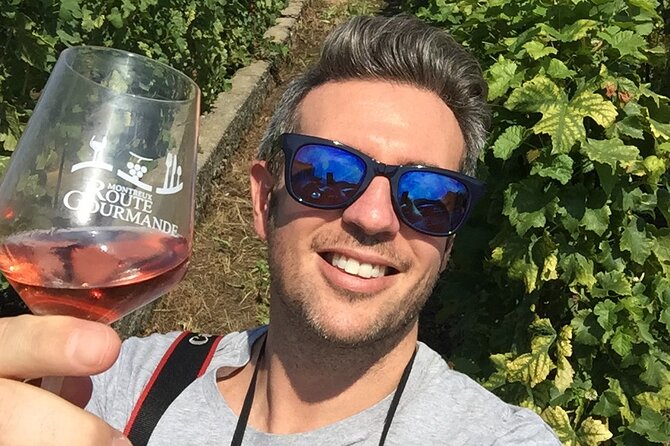
This experience requires good weather. If conditions are poor, you should expect a switch to another date or a full refund, based on the weather-dependent policy. So it’s smart to treat this like a plan that matters most when skies cooperate.
For your packing list, the advice is straightforward:
- Comfortable walking shoes you can trust on steps and roots
- Sun protection like sunblock/hat is advised
- A bottle of water, because bottled water is not included
- Layers, since Swiss weather can shift and you’ll be moving at times and standing still at tastings
Also, think about pace. Even though it’s only 3 km, you’re not on a flat promenade. You’ll walk, stop, taste, talk, then walk again. The best days are the ones where you avoid rushing between stops and give yourself time to look out at the terraces and the lake.
And if rain shows up, don’t panic. A walking tour like this can handle some wet weather, but it will feel different—slower footing, more cautious steps, and less time staring at the view with a perfect sunset. Still, the terraces and vines remain impressive even when it’s cloudy.
Price and value: what you’re paying for at $309.10
At $309.10 per person, you’re not buying a cheap stroll. You’re paying for three specific things that add up fast in Switzerland:
First, you’re getting wine tastings and alcoholic beverages included. Tastings at wineries and wine-focused experiences can be pricey by themselves, especially when they’re hosted by local winemakers.
Second, you’re getting snacks included—charcuterie or a similar platter. That’s not just a snack; it’s part of making the stops feel complete, not like quick drink stations.
Third, you’re paying for the guide. In this experience, the guide is a big part of the value. Marc is described as energetic, fun, and very tuned in to logistics and communication. People appreciated advance help with train planning and clear meeting instructions, which matters in a country where train delays happen and connections can be tight.
So is it worth it? For me, it makes sense if you want:
- A small-group wine walk rather than a large tour bus
- Wine tastings with explanation, not just tasting flights
- Scenic walking through Lavaux terraces with context
If you mostly want a casual vineyard stroll and you don’t care much about wine history or tastings, you might find other free or low-cost routes. But if you want the wine part to be guided, this price starts feeling more reasonable.
Who should book this wine walk (and who should think twice)
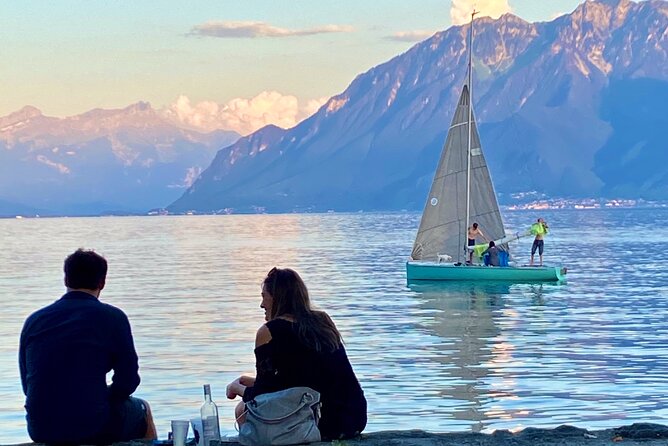
This is a great fit for couples, small groups, and wine-curious travelers who want a mix of outdoors time and tasting time. The small group size helps if you like asking questions and getting answers that actually match your interests.
It’s also a strong choice if you’re in Lausanne and want a day that feels local. You walk through a UNESCO area tied to real production, and your tasting stops are hosted rather than generic.
Families can enjoy it too. It’s described as family friendly, and there’s a real-world detail to keep in mind: the route is about 3 km with steps and roots. One family experience used a baby carrier and adjusted how their toddler moved through the terrain. That tells you the walk can be doable with planning, but it’s not the type of route where you assume smooth stroller wheels will glide the whole time.
If you:
- have moderate walking stamina
- want guided wine tastings with small-group attention
- care about stories tied to place
Then you’re the target audience.
If you:
- need fully flat ground
- expect a stroller-only route
- want zero walking time
Then you may feel frustrated unless you’re comfortable making accommodations.
Booking checklist: quick tips before you go
Before you book, I’d sort these items out:
- Shoes: plan for uneven ground.
- Water: bring your own bottle since it isn’t included.
- Sun protection: hat and sunscreen help a lot.
- Age plan for tastings: wine tasting is for 16+ under Swiss law.
- Train timing buffer: your guide typically provides meeting clarity, but build in time anyway.
One more practical point: because the tour ends in a different location than where it starts, make sure you’re comfortable with finishing somewhere else and using public transport from there.
Should you book Vine Stories: Lavaux & Lutry wine walk?
I’d book it if you want a Swiss wine day that feels grounded in the real Lavaux terraces experience, not just a checklist stop. The combination of vineyard walking, hosted tastings, and a guide like Marc—who communicates well and tells the story behind the wine—makes it a strong value when you like both scenery and wine.
I’d think twice if your priority is effortless sightseeing. The walking route has steps and roots, and bottled water isn’t included, so it’s not the light-and-lazy option.
If you’re up for a couple of hours outdoors with great tasting stops and a guide who actually connects wine to place, this is the kind of afternoon you’ll remember long after you’ve left Lausanne.
FAQ
How long is the Lavaux & Lutry wine walk?
The duration is about 3 hours 30 minutes (approx.).
Where does the tour start?
The meeting point is Bossière, 1095 Lutry, Switzerland.
How many people are in the group?
The tour has a maximum group size of 12 travelers.
What is included in the price?
Alcoholic beverages for local wine tastings and snacks (such as a charcuterie platter or similar) are included.
Can everyone take part in the wine tastings?
Under Swiss law, anyone 16 and over can take part in wine tasting activities.
Is bottled water included?
No. Bottled water is not included, and it’s advised to bring or purchase your own.
What happens if the weather is poor?
This experience requires good weather. If it’s canceled due to poor weather, you’ll be offered a different date or a full refund.