REVIEW · MADRID
Ribera del Duero:4 Wineries, tasting & Lunch included from Madrid
Book on Viator →Operated by Wine Tours From Madrid · Bookable on Viator
Ribera del Duero makes Tempranillo feel like a craft lesson. You’re picked up from Madrid and taken through the region with guided tastings at multiple wineries, plus a winery lunch. What I like most is the mix of biodynamic/organic thinking with more traditional production, and that lunch is built into the day instead of tacked on later. One thing to consider: it’s a long day, and the bodegas can be cold, so you’ll want proper layers and closed shoes.
This tour runs like a well-paced wine day, not a rushed “photo stops” crawl. The group stays small (max 8), so you get time to ask questions, smell deeply, and actually compare styles. You’ll also be nudged toward good tasting habits, like skipping strong perfumes since aromas matter.
In This Review
- Key things to know before you go
- Ribera del Duero: Where Tinto Fino Gets Serious
- Madrid Pickup to Ribera Timing: The 9-Hour Reality Check
- Stop 1: Underground Cellars, Vineyards, and Biodynamic vs Traditional
- Bodegas Dominio de Cair and the Old Vines Plot Culture
- Alvides in a XVI-Century Cellar: Limited Bottles for Clients
- Nabal and Valdubon Tastings: Picoteo, Chocolate, and Style Comparisons
- Bodegas Nabal: Wine Bar Aster + Traditional Picoteo
- Bodegas Valdubon: Modern Production, Traditional Profile
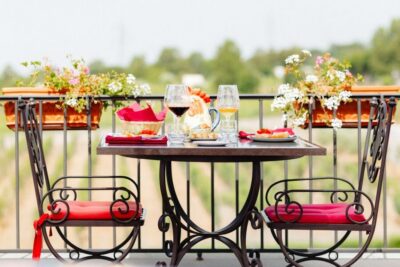
- Lunch at the Winery: Food That Works With the Wine Day
- Guides and the Pace: What Makes the Day Feel Easy
- How Good Is the Value at $266.16?
- Should You Book This Ribera del Duero Day Trip?
- FAQ
- What time does the tour start, and where do I meet?
- How long is the Ribera del Duero tour?
- How many wineries and tastings are included?
- Is lunch included, and can I request dietary changes?
- What languages is the tour offered in?
- What should I wear or bring for winery visits?
- Is the tour accessible for people with mobility issues?
Key things to know before you go
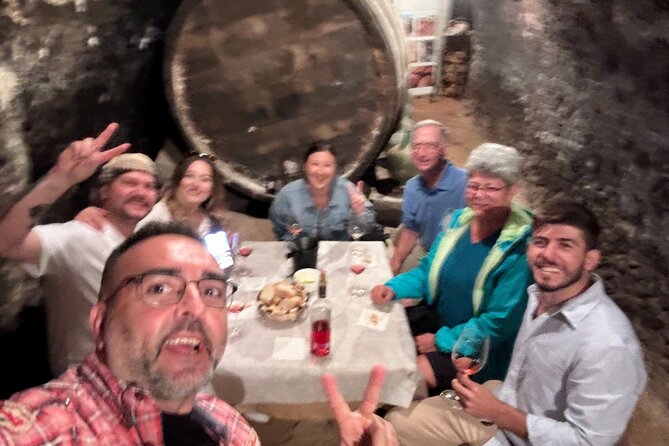
- Small group size (max 8) keeps the pace human and the guide’s attention on you
- 4 wineries and 12 tastings means you’re comparing styles all day, not just sampling once
- Lunch included at the winery with local food and wine pairing moments
- Underground cellar time shows why Ribera wines are stored away from heat
- English-guided experience with guides praised for energy and real explanations
Ribera del Duero: Where Tinto Fino Gets Serious
Ribera del Duero is built around Tempranillo, locally called tinto fino. The whole region aims for concentration, balance, and structure. That comes through in how wineries talk about vineyards, soil, aging choices, and even storage temperature. You’ll see that winemaking here isn’t just about “a bottle with good taste.” It’s about choices made long before grapes become wine.
One of the best parts of a tour like this is that it teaches you to taste with context. Instead of drinking “random reds,” you’re comparing what changes when you move from vineyard character to cellar decisions. The day is designed so you learn how the region’s wines are made to age well, which is why cellars matter so much.
You can also read our reviews of more food & drink experiences in Madrid

Madrid Pickup to Ribera Timing: The 9-Hour Reality Check
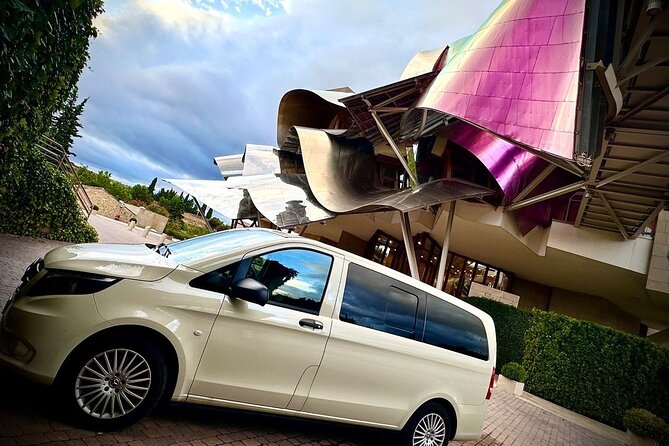
You start early: 8:00 am pickup at Hotel Puerta de Toledo (Gta. de la Prta de Toledo, 4). The tour runs about 9 hours total, and you’ll be on the road for roughly 1.5 hours each way. That’s the deal with going beyond the city for wine. The upside is that you arrive with enough time to tour, taste, and eat without feeling like you’re constantly chasing the next stop.
The transportation is an air-conditioned vehicle, and you’ll have bottled water and snacks along the way. That matters, because tasting 12 wines plus lunch can sneak up on you faster than you expect.
A few practical notes that make a real difference:
- Bring closed, comfortable shoes.
- Wear something warm-ish. Even if Madrid is mild, bodegas run cold.
- Avoid perfume or strong scents. It can mess with how you detect aromas in wine.
Also, this isn’t a wheelchair-friendly outing. The tour notes it’s not accessible for people who need help with stairs or mobility limits. If that’s relevant, it’s better to choose something more accessible in advance.
Stop 1: Underground Cellars, Vineyards, and Biodynamic vs Traditional
The first winery portion is where the day starts feeling like you’re stepping into Ribera’s “working museum.” You’ll learn the artisan way production happens, hear about biodynamic wine making, and also see a contrasting approach through a more traditional winery experience.
This early stop is tied to a core theme: Ribera wines are made for patience. You’ll spend time in underground caves/cellars, which stay cooler and more stable than above-ground spaces. That cellar environment is part of why aging works the way it does here.
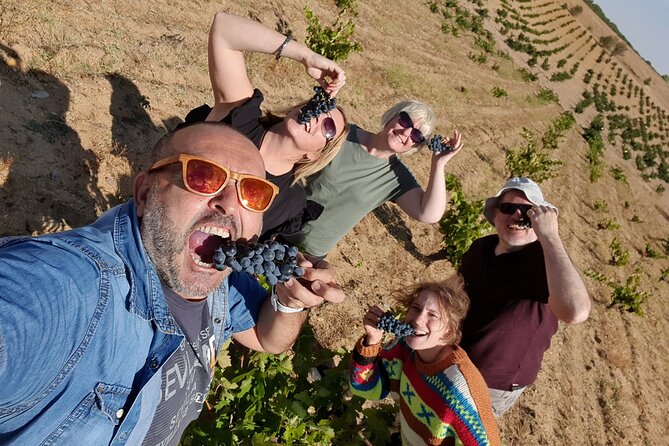
You’ll also get vineyard time. Walking among the vines helps you connect what you taste later to what the grapes lived through. And if you’re lucky with scheduling, the day can include Arbas and Ismael Arroyo in this first segment (the format says Ismael Arroyo is subject to availability).
Lunch is included here as well. That’s key: you’re not leaving wine country hungry and tired. It’s built into the day, inside the winery setting, which keeps the whole flow calm.
Bodegas Dominio de Cair and the Old Vines Plot Culture
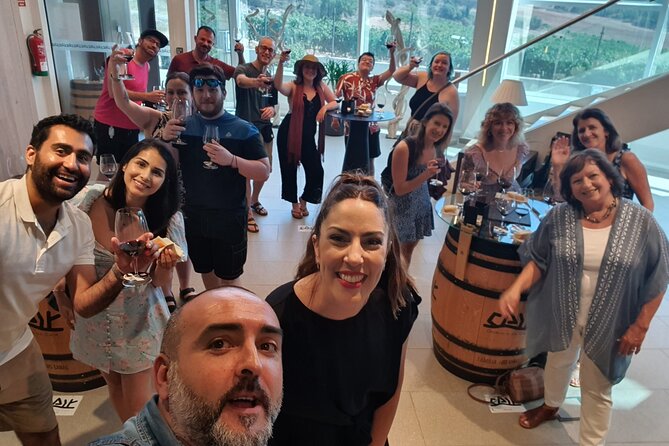
After your first deep taste-and-tour block, you head toward Burgos Ribera del Duero, with a stop at Dominio de Cair. This is one of those wineries where the experience leans into craft details.
You’ll visit the winery and taste wines direct from the barrel, which is a fun and useful way to understand how flavors develop even before final bottling decisions. You’ll also taste additional wines made at the winery—listed as Selección de la Aguilera, Tierras de Cair, and Cruz del Pendón—and these come with an aperitive pairing moment.
The other thing Dominio de Cair connects to is the idea of old vines. The description points to La Aguilera as the “old vines plots” town, and that matters because old-vine fruit can taste different—often more concentrated, with a different texture on the palate. Even if you’re new to wine, comparing barrel tastes to finished bottles is a fast way to grasp why producers care so much about time.
Alvides in a XVI-Century Cellar: Limited Bottles for Clients
Next up is Bodega Alvides, presented as an exclusive stop that’s only available to the group. That exclusivity isn’t just marketing. It also changes the feel of the visit: you’re not fighting for attention, and the pacing feels designed around your experience.
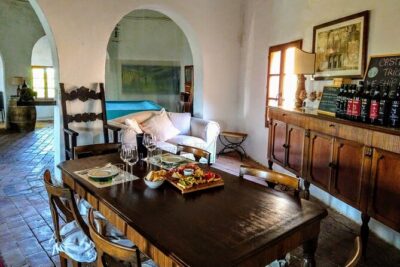
Alvides is run by a family team tied to third-generation winemaking, with Sara and Rodrigo named in the description. The tasting happens in an underground cellar from the XVI century, which is one of those moments where the setting itself teaches you something about Ribera’s aging culture.
Your tasting options here are notably specific:
- Clarete Rosado
- Classic Crianza
- Tercera Generación 2021 (listed at 95 points)
- Finca Juanillas, produced in a limited run of only 250 bottles per year, reserved for the group
When a tour includes wines like this, it’s often the difference between a generic “taste a few reds” day and a real education. If you care about variety inside Ribera del Duero—not just Tempranillo reds—you’ll likely enjoy this stop the most.
A few more Madrid tours and experiences worth a look
Nabal and Valdubon Tastings: Picoteo, Chocolate, and Style Comparisons
Later in the day, you move into two additional tasting formats that keep things from turning into one long sameness test.
Bodegas Nabal: Wine Bar Aster + Traditional Picoteo
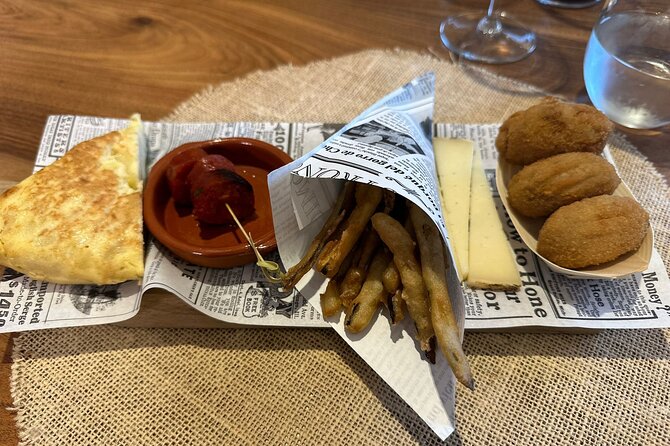
At Bodegas Nabal, the stop is described as having a Cata de 3 vinos with explanations, plus traditional picoteo (snacks) from the area at the wine bar Aster. That pairing approach matters. When food meets wine, you can better notice structure—tannin, acidity, and how fruit reads once something salty or savory is in play.
Bodegas Valdubon: Modern Production, Traditional Profile
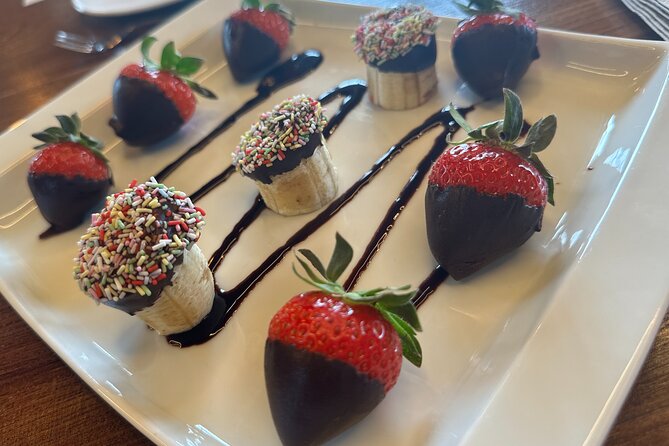
Then there’s Bodegas Valdubon, described as modern production with a traditional wine profile. Here you’ll do a 3-wine tasting with explanations, and the tasting is paired with chocolates.
Chocolate pairings are a simple trick that helps you pick up aromatics and tasting balance. It can also be a nice break if you’re feeling the effects of lunch wine and multiple pours.
One small planning consideration: the tour is marketed as 4 wineries, but the published route includes stops labeled as Nabal and Valdubon alongside other wineries. Your confirmation should clarify the exact four winery experiences on your date. Either way, the day is clearly built around structured tastings and comparing styles.
Lunch at the Winery: Food That Works With the Wine Day
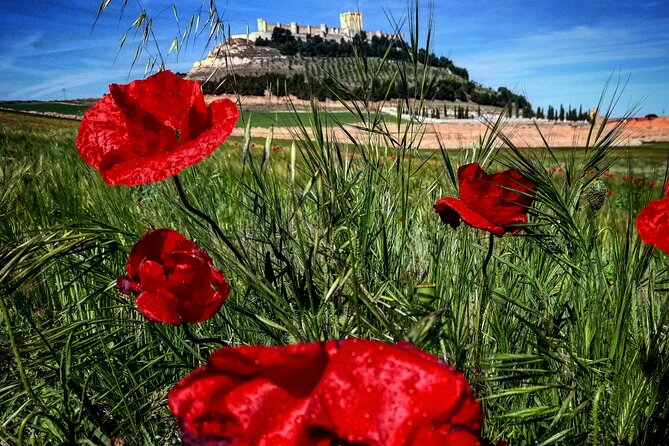
Lunch is included (Almuerzo). The description says it covers a variety of local dishes, and you should alert the operator about dietary restrictions or allergies when booking. The day-of menu can’t be changed, so if you have limitations, handle it upfront.
Why this matters: wine tours can go wrong when lunch is an afterthought. Here, lunch happens as part of the winery experience, which keeps your schedule sensible. You’re also more likely to eat food that matches what you’re tasting. And based on guide notes and the way the day is structured, lunch is there to keep your palate steady for the final tastings.
Also, the tour notes that tips are not included, which is standard for many tours. If your guide earns it, plan to tip in cash or by whatever method the guide suggests at the end.
Guides and the Pace: What Makes the Day Feel Easy
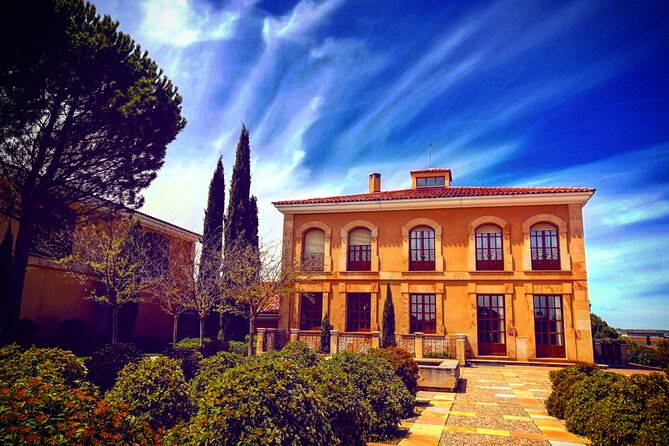
A big part of why this kind of tour works is the guide. This one is offered in English, and the group size is capped at 8, which gives you room to ask questions instead of yelling over a bus full of people.
In feedback, guides like Yanny, Raúl, and Enrique show up repeatedly, with praise for keeping things lively and answering questions in a way that makes wine feel less intimidating. That energy matters because tastings can be tiring if you’re not sure what you’re looking for.
Here’s how to get more out of the day, fast:
- Sip, don’t gulp.
- Pause between wines and reset your senses with water/snacks.
- Ask one question per stop (example: why this style ages the way it does).
- Use your senses. Smell first, then taste. With Ribera, cellar talk is not just background noise.
And yes, bring that mental note about no perfume. It’s not a random rule. It genuinely affects how you detect aroma in a tasting room.
How Good Is the Value at $266.16?
At $266.16 per person, you’re paying for more than wine. You’re paying for:
- Round-trip transportation from Madrid
- An expert wine guide
- 4 winery visits tied to tastings
- 12 wine tasting servings
- Lunch included
- Bottled water and snacks
If you tried to assemble this yourself, you’d quickly run into two costs: getting a guide to cover multiple wineries in a single day, and transportation between sites. Add in that the tasting stops are spread out with time for tours and meals, and the price starts to look more reasonable.
This is especially good value if you’re new to the region. You’re getting structure. That turns tastings into learning instead of just consumption.
Should You Book This Ribera del Duero Day Trip?
Book it if you want:
- A small-group wine day from Madrid
- A route focused on Tempranillo/tinto fino and the region’s cellar culture
- A real lunch-in-the-winery moment
- Guided explanations in English (and a guide who can keep the day fun)
Skip it (or adjust expectations) if:
- You hate early mornings. The 8:00 am start is non-negotiable.
- You’re sensitive to long days with multiple tastings. It’s around 9 hours total.
- Your mobility needs can’t handle stairs or uneven cellar spaces. The tour isn’t accessible for that.
If you’re on the fence, I’d still say this: Ribera del Duero is one of Spain’s best places to learn why wine styles taste the way they do. With multiple winery types—from biodynamic/organic approaches to more traditional production, plus underground cellar tastings—you’ll come home with more than bottles. You’ll come home with comparisons you can actually remember.
FAQ
What time does the tour start, and where do I meet?
The tour starts at 8:00 am. You meet at Hotel Puerta de Toledo, Gta. de la Prta de Toledo, 4, Arganzuela, 28005 Madrid, Spain.
How long is the Ribera del Duero tour?
The duration is about 9 hours.
How many wineries and tastings are included?
The experience includes 4 winery visits and 12 wine tastings.
Is lunch included, and can I request dietary changes?
Yes, lunch is included. You should notify the operator about dietary restrictions or allergies during booking, because changes to the menu on the day of the visit are not possible.
What languages is the tour offered in?
The tour is offered in English.
What should I wear or bring for winery visits?
Wear closed shoes, and bring a warm layer. The bodegas can be cold.
Is the tour accessible for people with mobility issues?
No. The tour notes it is not accessible for people with problems moving to go up and down stairs.