REVIEW · PORTO
Porto: Wine Tasting with Tapas Walking Tour
Book on GetYourGuide →Operated by City Lovers Tours · Bookable on GetYourGuide
Port wine gets real when you walk Porto. I love that you taste two Port styles and learn the production behind them, then you keep the momentum with Porto stories and Portuguese tapas. One possible drawback: you’ll do some walking with uphill bits, so wear shoes that don’t hate cobblestones.
I also like that this tour is tightly packed for 3–3.5 hours: you’re not just sampling wine, you’re getting a guided sense of where it fits into Porto and the Douro. Guides vary by language and group, but names like Carlos, Rita, Mariana, and Sol have led tours recently, and the vibe tends to be friendly and question-friendly.
In This Review
- Key highlights that make this Porto wine tour worth it
- Where the tour starts: two Porto meeting options and a fast warm-up
- The Port cellar and winery tasting: five pours, two Port styles, and a tasting lesson
- How to taste on the spot (so you actually remember it)
- The Douro River window to Porto: why that 15-minute guide matters
- Wandering Porto’s old streets toward Ribeira: what you’ll notice and what can slow you down
- The main drawback to plan for
- Lunch stop: Portuguese tapas, codfish cakes, cheese-style bites, and pairing logic
- Why the pairing works
- Learning to taste like a pro: the takeaways you can use after the last sip
- Value check: why $53 can feel like a bargain in Porto
- Who should book this walking wine tour (and who should skip it)
- Should you book Porto: Wine Tasting with Tapas Walking Tour?
- FAQ
- How long is the Porto wine tasting and tapas walking tour?
- What is the price per person?
- How many wine tastings are included?
- Does the tour include Port wine?
- Is Portuguese food included?
- Where do I meet the guide?
- What languages are offered?
- What should I bring?
- Is the tour suitable for everyone?
- Can I cancel for a full refund?
Key highlights that make this Porto wine tour worth it
- Five tastings in about three hours: two Port styles plus Vinho Verde and Douro Valley pours
- A real Port cellar visit where you learn how the wine is made and how to taste it
- Ribeira-area storytelling during a walk that connects wine culture to Porto’s streets
- Portuguese tapas pairing with wines, including codfish cakes and cheese-style bites
- A finish at Fonseca Port Wine Cellars, a fitting end point in the Port world
- Small moments that matter, like pacing stops for shade on hot days (when possible)
Where the tour starts: two Porto meeting options and a fast warm-up
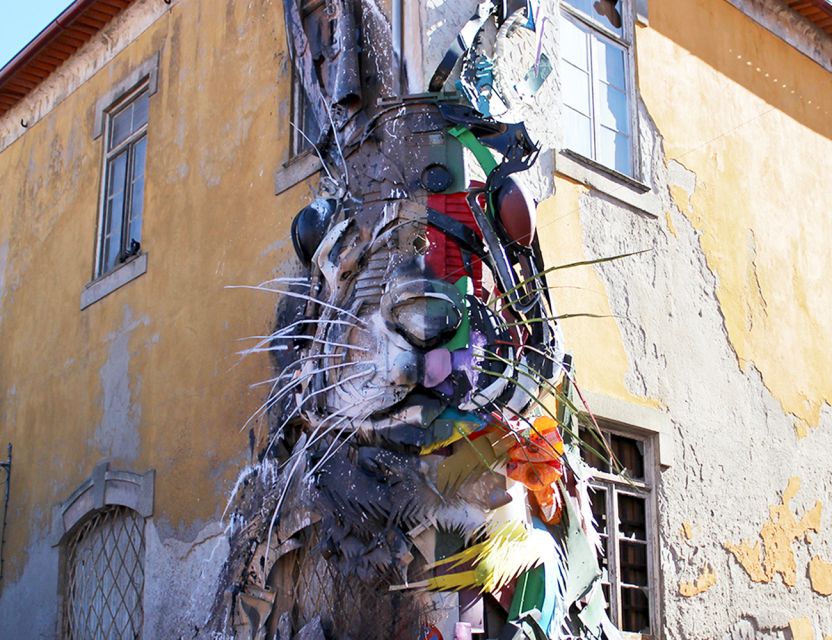
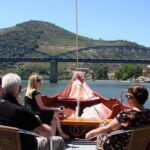
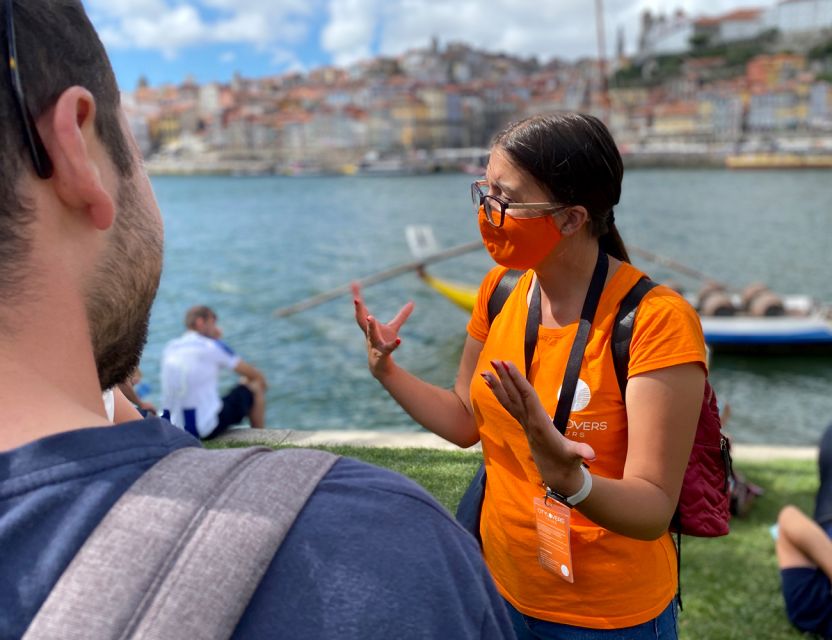
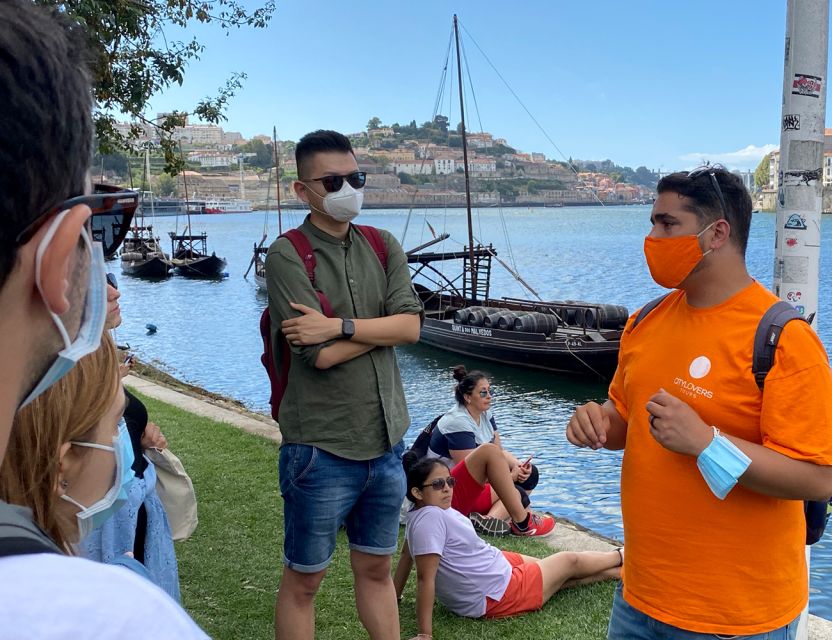
You’ll meet either at MO – Maria Odete, Pilares Ponte Pênsil (one option) or another starting point depending on what you book. Either way, plan to arrive a few minutes early so you can start relaxed. Once everyone’s together, the tour doesn’t waste time: you get a guided introduction along the Douro River area for about 15 minutes.
That short setup is smart. It gives you a mental map of Porto before you start moving through old streets. You also get the first round of context for why Port wine is tied to this landscape and this city. Even if you know nothing about Port today, you’ll start picking up the bigger picture quickly: this isn’t just a tasting room stop, it’s Porto’s wine culture playing out on the ground.
Practical note: Porto weather and street conditions can change quickly. If it’s hot, you’ll want water in your day bag and the flexibility to slow down on uneven ground. Several guides in recent tours have handled heat well by factoring in short pauses, but you still control your comfort level—especially when wine is involved.
You can also read our reviews of more walking tours in Porto


The Port cellar and winery tasting: five pours, two Port styles, and a tasting lesson
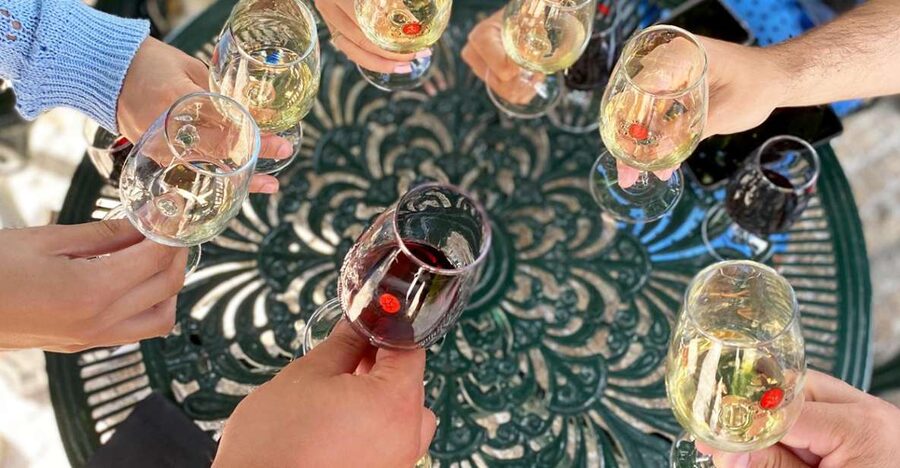
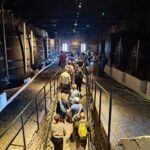
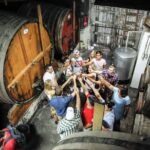
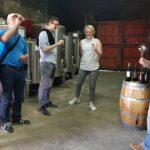
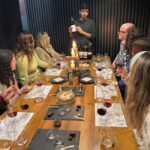
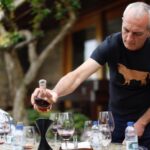
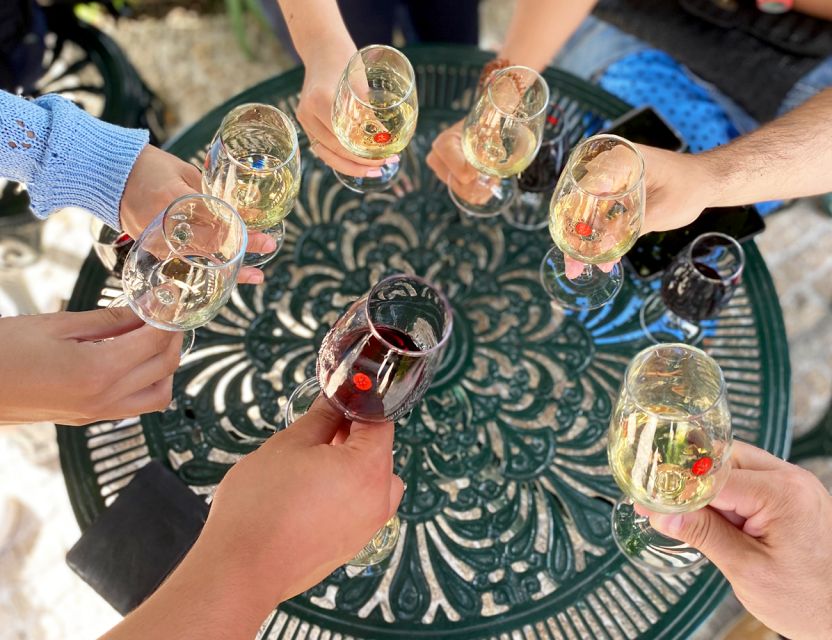
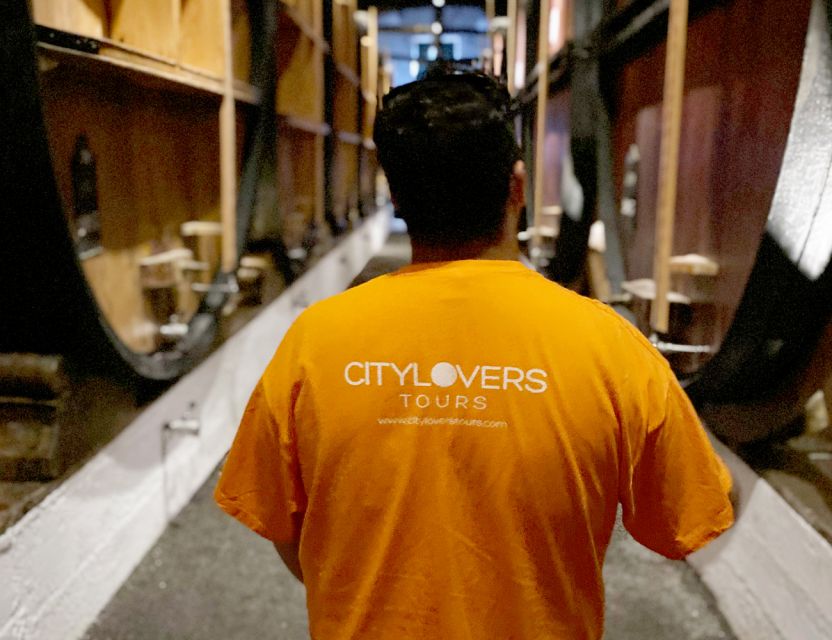
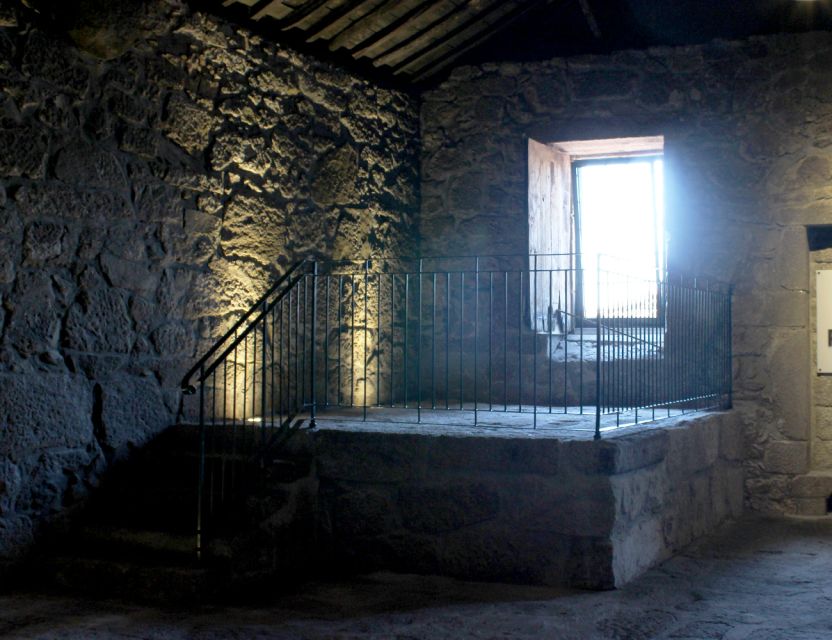
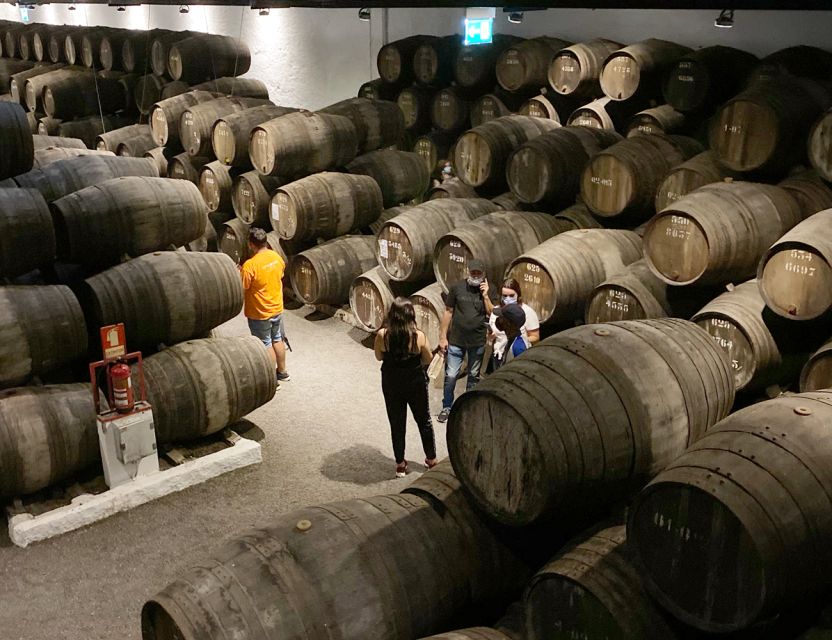
The heart of the experience is the winery/cellar portion, where you’ll spend about 50 minutes tasting and learning. This part matters because Port can feel like one thing until you taste different styles side by side. Here, you get two distinct Port varieties, which is the fastest route to understanding why Port ranges from fruity and easygoing to darker, deeper, and more structured.
In the cellar setting, the guide focuses on the production process—how the wine is made and what makes it different from other Portuguese wines. You’re not stuck listening for the whole time either. You’ll taste, then you’ll talk through what you’re tasting. Over the course of the tour, you’ll end up with five wine tastings total, not just a random sample flight.
Beyond the two Port styles, you also get:
- Vinho Verde, the light, refreshing Portuguese white you’ll often find tastes best with food
- A selection of Douro Valley wines, which may include white, rosé, and red depending on the group and service
This is a great lineup for first-timers because it keeps you from getting tunnel vision. Port is the star, but the other pours show the broader Portuguese wine personality—acid, fruit, and that food-friendly balance you can actually use later when you order dinner.
How to taste on the spot (so you actually remember it)
Even if you’re not a wine person, this tour is designed to teach basic tasting habits. You’ll learn how to taste like an expert, which in practice usually means slowing down, noticing aromas before you gulp, and comparing structure from one pour to the next.
If you want a simple approach:
- Smell first, then sip small and let it sit briefly
- Compare sweetness and weight between the two Port styles
- Notice how the Vinho Verde feels against snacks—especially salty bites like codfish cakes
The Douro River window to Porto: why that 15-minute guide matters
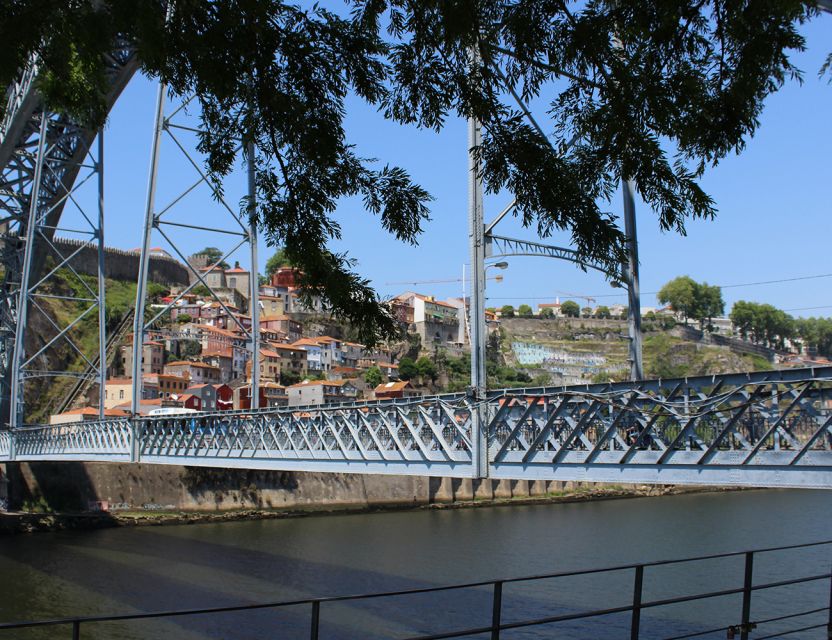
That early 15-minute Douro River guided moment might look short on paper, but it sets the tone. Porto is all about angles: river views, stairways, and streets that curve like they’re refusing to be linear. When you get even a quick guided view before you start walking, you don’t just see pretty scenery—you understand where you’re standing.
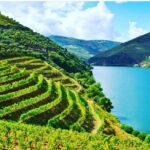
It also helps you connect the city to the wine story. Port traveled from Douro valley vineyards to the coast, and Porto’s role in that process shaped everything around it: wealth, architecture, and the way people talk about wine.
So when you later walk the old neighborhood and reach the Ribeira district, you’re not guessing why that area matters. You’re already primed to notice how wine culture and city history overlap.
One more practical benefit: a quick warm-up walk reduces the stress of not knowing where to go. You’ll still be walking through narrow, cobbled streets, but you’ll feel oriented faster.
Wandering Porto’s old streets toward Ribeira: what you’ll notice and what can slow you down
After the winery stop, the tour moves into the Porto sightseeing walk, roughly 30 minutes of guided time. This is the part where Porto gets cinematic: narrow cobbled streets, historic buildings, and the pull toward the Ribeira district.
This walk is valuable because it turns wine facts into city images. It’s easier to remember that Port was built into Porto’s identity when your feet are on those same streets and you’re hearing stories tied to what you’re seeing.
You can also read our reviews of more food & drink experiences in Porto




The main drawback to plan for
Porto has hills, and some groups feel it more than others. Expect uphill sections or at least uneven footing. One person found the walk exhausting, while others said it was doable. So if you’re sensitive to walking fatigue—or if your shoes aren’t up to cobbles—this is the moment to pace yourself.
Tip: if you’re feeling the climb, don’t power through. Slow down at turns, take the breaks the guide offers when available, and keep your drinking pace sensible.
Lunch stop: Portuguese tapas, codfish cakes, cheese-style bites, and pairing logic
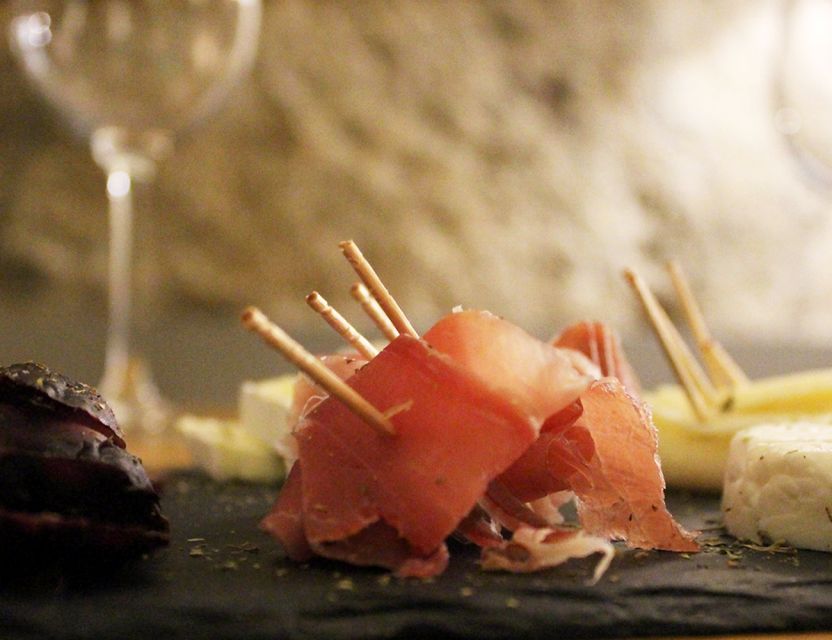
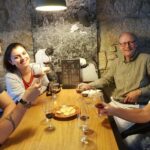
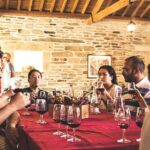
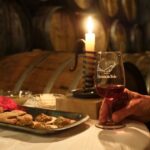
The tour wraps the food side in a dedicated about 1-hour stop at a local restaurant, where you’ll have wine plus tapas-style tastings. This is where the tour earns points for being practical. Wine is easier to understand when it’s paired with salty, local flavors rather than tasted in a vacuum.
You’ll have:
- Tapas (Portuguese-style bites)
- Pairings that include codfish cakes
- Cheese tasting and other food tastings that often involve cured meats and traditional bread-style elements (based on how the table is described in recent experiences)
Why the pairing works
Codfish cakes bring salt and comfort. Vinho Verde tends to work well with lighter, fresher flavors, and Douro Valley wines often bring weight that holds up against richer bites. Port—especially the styles you taste on the tour—pairs differently depending on whether it leans more fruity or more structured.
So even if you don’t care about “proper” wine technique, you’ll learn something useful: you’ll start connecting taste to food choice. Later, when you’re sitting down to eat on your own, you’ll have a mental shortcut for what wine type to order.
One balanced consideration: food can be served in shared platters. If you’re the type who really counts portions, you might notice that the way bread or shared items are portioned can feel uneven at times. It doesn’t ruin the experience, but it’s worth knowing.
Learning to taste like a pro: the takeaways you can use after the last sip
This tour doesn’t just hand you wine. It gives you a small set of tasting skills that you can carry home. The biggest win is that you’ll leave with a clearer sense of what to pay attention to, not just which wines you liked best.
Here’s what you can expect to practice during the tastings:
- Comparing flavors across five tastings rather than tasting one highlight and calling it a day
- Understanding how Port differs by style, especially after two pours side by side
- Getting a feel for how Vinho Verde and Douro wines behave with food
- Learning what to notice during aroma and mouthfeel checks
And because you’re with a guide, you can ask questions in plain language. That’s where different guides shine. Some, like Rita or Mariana, have a way of explaining history and winemaking so you get it without feeling lectured. Others keep things moving and conversational, making it easy to stay present rather than just collect samples.
If you want to maximize what you learn, go in with one mindset: tasting is a comparison game. Don’t chase “best.” Chase “different.” Port styles make that easy.
Value check: why $53 can feel like a bargain in Porto
At $53 per person for 3 to 3.5 hours, the value is mostly about three things: time, content, and what’s included.
You’re not paying for a long lecture. You get:
- Five wine tastings
- A guided cellar/winery visit with entrance fees
- Tapas and food tastings at a local stop
For Porto, where food and tastings can add up quickly if you do everything separately, this package can be a smart use of one afternoon. It also gives you structure. Instead of wandering from shop to shop, you get a plan that covers Port, Portuguese white wine, and Douro Valley choices, plus a food stop that ties it together.
Is it a perfect deal for everyone? Not always. If you’re the kind of drinker who only wants one style—say, only Port—you might feel the extra wines are just extra pours. But if you want a broad introduction, this format is efficient.
Also, the tour ends at Fonseca Port Wine Cellars, which gives the whole day a clear bookend in Porto’s Port world.
Who should book this walking wine tour (and who should skip it)
This experience is a good fit if you want:
- A first-time friendly Port education
- A guided walk through central Porto and Ribeira rather than a random tasting
- Food pairing alongside wine, not just sip-and-spit or sip-and-forget
It’s less ideal if:
- You’re not comfortable with walking on cobblestones or uphill sections
- You prefer purely self-guided experiences
- You’re pregnant, since the tour is listed as not suitable for pregnant women
If you’re traveling as a couple or small group, it can be especially fun because you can ask questions and compare notes with your partner as you taste. Families with kids might also find the pacing tricky, since it’s built around adult wine tastings and walking.
Should you book Porto: Wine Tasting with Tapas Walking Tour?
I’d book it if you want a guided, efficient Port day that blends wine education with real Porto streets and food. The combination of two Port styles, a total of five tastings, and a tapas pairing stop makes it hard to replicate on your own in just a half-day.
Hold off if you hate walking uphill or your idea of a good day is zero stairs and zero cobblestones. Also, if you strongly prefer slow, unhurried cellar pacing where you can read every panel, go in knowing the experience can run on tour time.
If you’re the practical type and you like learning by tasting, this is one of the best ways to spend an afternoon in Porto without getting lost—or overpaying for wine tastings piecemeal.
FAQ
How long is the Porto wine tasting and tapas walking tour?
The tour lasts about 3 to 3.5 hours.
What is the price per person?
It costs $53 per person.
How many wine tastings are included?
There are 5 wine tastings included.
Does the tour include Port wine?
Yes. You visit a Port wine cellar and taste two distinct Port varieties. The experience also finishes at Fonseca Port Wine Cellars.
Is Portuguese food included?
Yes. The tour includes Portuguese tapas, plus food tastings at the restaurant stop, including codfish cakes.
Where do I meet the guide?
The meeting point may vary depending on the option booked. One option listed is MO – Maria Odete, Pilares Ponte Pênsil.
What languages are offered?
Tours are available with a live guide in Spanish, English, French, and Portuguese.
What should I bring?
Bring your passport or ID card and wear comfortable shoes.
Is the tour suitable for everyone?
It is not suitable for pregnant women.
Can I cancel for a full refund?
You can cancel up to 24 hours in advance for a full refund.