REVIEW · PORTO
City Walking Tour & Port Wine Cellar
Book on Viator →Operated by CD Porto Tours · Bookable on Viator
Porto has a way of grabbing you fast. This 3-hour city walking tour pairs classic sights like hand-painted azulejos and the Porto Cathedral area with a real working end-point: a Port wine cellar in Vila Nova de Gaia.
What I like most is the mix: you get a guided walk that explains how Porto grew, then you finish with a tasting of 3 Port wines. I also like the small-group size (max 12), which makes it easier to ask questions and get photo pointers while you’re moving through tight old streets.
One thing to consider: you’re going to walk a fair bit, including steps, and the wine tasting is focused at the end—not spread out during the stroll.
In This Review
- Key highlights to know before you go
- Porto Orientation With Real-Port Payoff (Not Just a Sightseeing Walk)
- Price and Value: What $42.33 Buys You in 3 Hours
- Meeting Points and the Walk Plan From Start to Finish
- Stop by São Bento Station: Azulejos That Teach You Porto in Minutes
- Cathedral Area and Miradouros: Religion and Views in the Same Breath
- Porto’s Oldest Streets: Invasions, Muslim History, and the Portuguese Discoveries
- Crossing the Lower Part of the Bridge Into Gaia: Where Port Gets Its “Aging Job”
- Gaia Viewpoint Walk: A Perspective Stop Worth Slowing Down For
- Cais de Gaia Cellar Visit: How a Port Producer Experience Works
- Port Tastings: Comparing 3 Styles Without Guesswork
- Guides and Group Energy: Why 12 People Changes Everything
- The Main Trade-Offs: Walking Time and Stop Length
- Who This Tour Fits Best (And Who Might Skip It)
- Should You Book City Walking Tour & Port Wine Cellar?
- FAQ
- How long is the Porto city walking tour with the Port wine cellar visit?
- What does the tour cost?
- How many Port wines will I taste?
- Is the tour in English?
- How large is the group?
- Where do I meet the guide?
- Where does the tour end?
- Is hotel pick-up and drop-off included?
- Will I need moderate walking fitness?
- Can I bring an animal (including service animals)?
- Can I cancel for a full refund?
Key highlights to know before you go
- Small-group attention (max 12) keeps the tour personal and question-friendly
- Hand-painted azulejos at São Bento gives you instant Porto “wow” factor
- Douro-to-Gaia bridge crossing links Porto’s streets to where Port gets aged
- Port cellar visit at Cais de Gaia includes a guided look at producers and process
- 3 Port wines tasting helps you compare styles in one sitting
- Moderate walking with steps means proper shoes matter
Porto Orientation With Real-Port Payoff (Not Just a Sightseeing Walk)
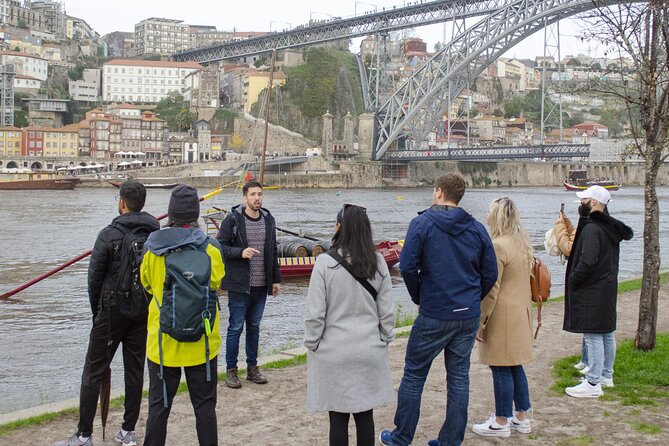
This is a smart “first-day in Porto” kind of tour. You start in Porto, you learn your bearings (religion, invasions, Discoveries, the city layout), and you end in Gaia where Port gets its aging life. That contrast helps you connect what you’re seeing to why Porto became so important for trade and shipping.
It’s also built for people who want more than a checklist. The guide’s job is to make the city’s architecture and history feel connected, not random. Then you get an easy reward at the end: three tastes that turn all that context into something you can actually compare.
You can also read our reviews of more walking tours in Porto


Price and Value: What $42.33 Buys You in 3 Hours
At about $42.33 per person for roughly 3 hours, you’re paying for two things: guided walking time plus a structured tasting. You’re not just buying a glass of Port—you’re getting a guided tour of where Port is made and aged, plus instruction on how to taste and what to notice.
The value also comes from the group size. With a maximum of 12, the guide can slow down when someone needs a moment, and you’re less likely to feel like you’re stuck behind a big crowd.
Meeting Points and the Walk Plan From Start to Finish
You meet near the start point at McDonald’s – Imperial Praça da Liberdade 126, Porto, and the tour ends in Largo Joaquim Magalhães, Vila Nova de Gaia. Plan your afternoon around that: you’ll finish on the Gaia side, which is great if you want to keep exploring the riverfront after.
You should have moderate physical fitness. Expect steps and walking through older areas, including an uphill/downhill feel as the route moves between viewpoints and the river area.
Stop by São Bento Station: Azulejos That Teach You Porto in Minutes
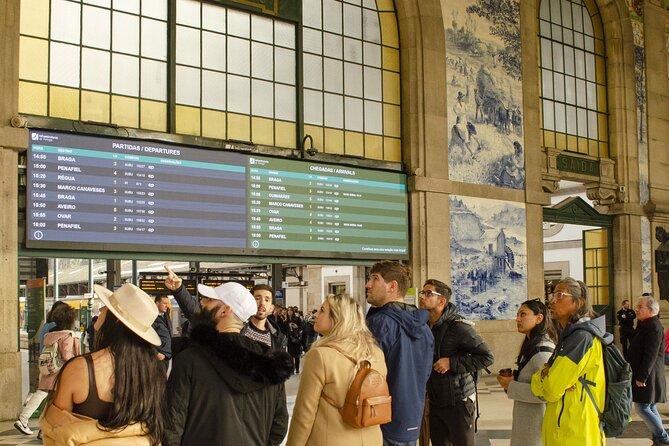
Your first big “take a breath” moment is São Bento Station. It’s famous for those walls of more than twenty thousand hand-painted azulejo tiles, and this stop comes with the history behind what you’re seeing—not just a quick stare.
This is a great way to start because it sets the visual language of Porto early. Those tiles aren’t decoration for decoration’s sake; they’re a way the city tells stories. And once you see how Porto uses art to narrate itself, the rest of the walk makes more sense.
Cathedral Area and Miradouros: Religion and Views in the Same Breath
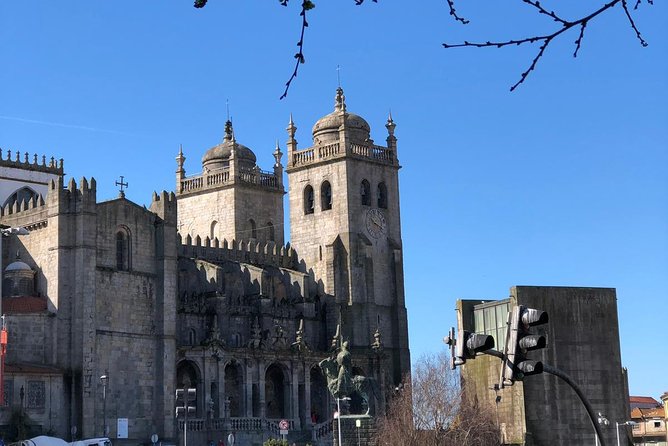
Next you pass by the Porto Cathedral and the bishop’s house for a brief look at religion in Portugal and how it shows up in everyday life. Then you’re also pointed toward miradouros—viewpoints—so you’re not only walking through history, you’re also using the city’s angles and elevations to understand it.
A practical tip here: keep an eye on where the group pauses. In this part of Porto, the best views can involve stopping at spots with uneven ground, so comfortable shoes will save you stress.
You can also read our reviews of more city tours in Porto




Porto’s Oldest Streets: Invasions, Muslim History, and the Portuguese Discoveries
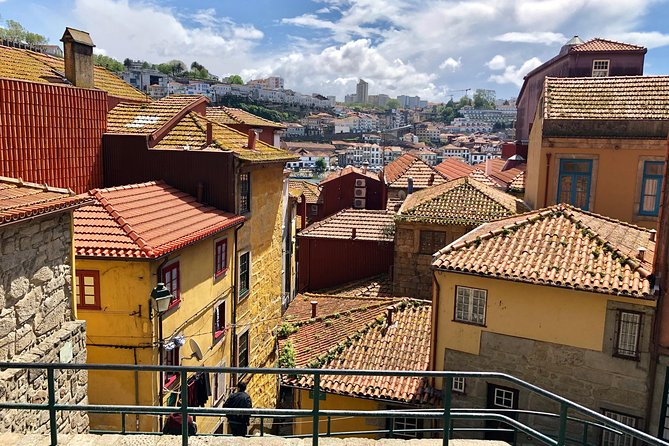
The walk continues through Porto’s oldest area, where the guide connects major turning points. You’ll talk about Muslim invasions and then shift to the Portuguese Discoveries—a timeline that helps explain why Porto became a launchpad for trade, travel, and global connections.
This is one of those stops where you can easily get lost in the street maze. The value of a guided walk is that it gives you a mental map: what you’re looking at now is shaped by forces that happened centuries ago.
Crossing the Lower Part of the Bridge Into Gaia: Where Port Gets Its “Aging Job”
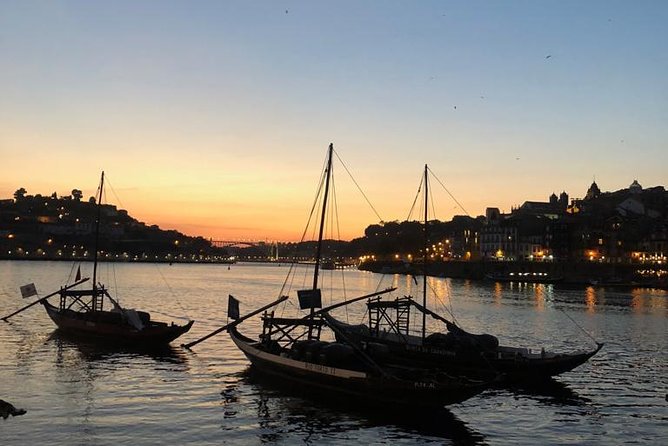
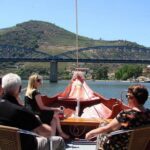
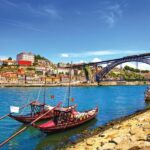
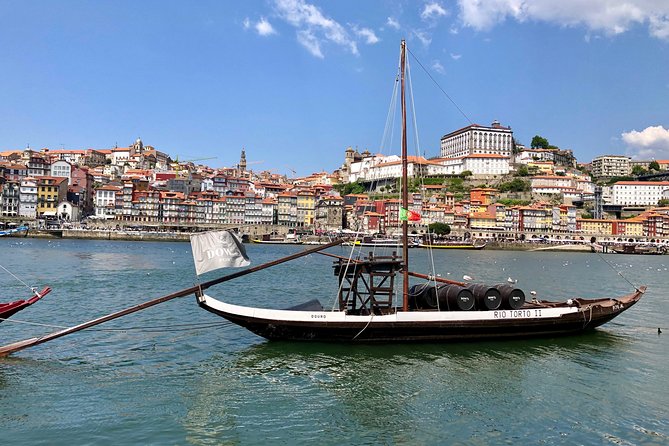
Then comes the bridge crossing into Vila Nova de Gaia. This is not just a geographic change; it’s where the story changes tone. In Porto, you’re seeing the city that made the trade possible. In Gaia, you’re stepping into the world where wine is aged and turned into bottled tradition.
If you like when places earn their meaning, this is the moment. You’re literally crossing the river toward the cellar side of the Port business.
Gaia Viewpoint Walk: A Perspective Stop Worth Slowing Down For
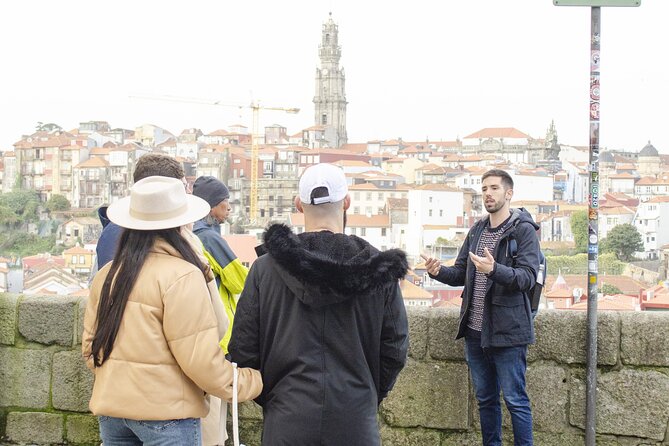
After arriving, you get a walking segment that’s all about views. You’ll admire one of the best perspectives over Porto—the kind of overlook that helps you understand why postcard angles are popular for a reason.
This is also where you’ll want to manage your pace. Some people love photo pauses; others want to keep moving. The group is small, so you can usually adapt—just don’t rush past the moment if you’re aiming for good shots.
Cais de Gaia Cellar Visit: How a Port Producer Experience Works
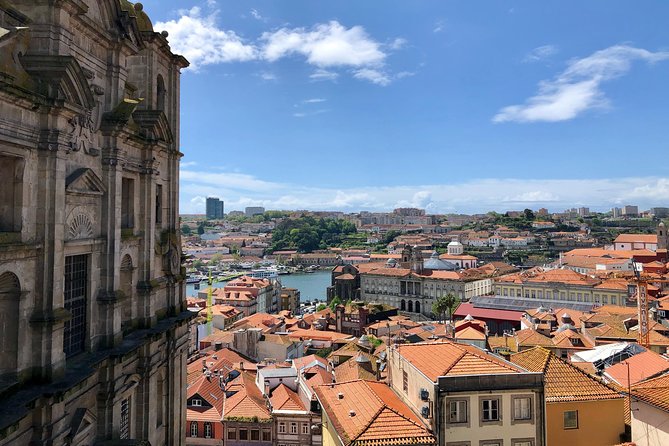
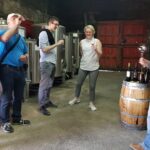
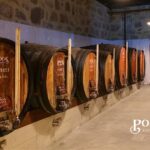
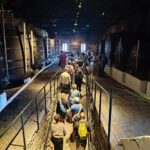
Your final big stop is at Cais de Gaia, where you visit a Port wine producer’s cellar. The visit is about 1 hour 30 minutes, and the focus is on the Port process and the producers behind it.
One useful thing here is that admission to the visit is described as included, and you’ll be guided through what’s happening in the cellar. Instead of guessing how Port changes in storage, you get the explanation that helps you connect the bottle to the aging environment.
Port Tastings: Comparing 3 Styles Without Guesswork
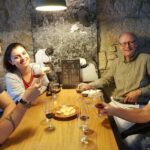
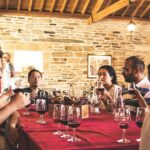
You’ll end with a tasting of 3 Port wines. The tasting is the structured part of the experience—this is where the guide coaches you on noticing flavor differences and understanding what each Port style brings to the glass.
Two things to know before you go:
- You’re tasting a variety, so you’ll likely taste sweet Port styles at least in the set. If you prefer dry wines, you may need to adjust your expectations.
- The tasting happens at the end of the tour. If what you want is frequent drinking along the route, this one won’t match that style.
Guides and Group Energy: Why 12 People Changes Everything
With a maximum of 12 travelers, the tour can stay fluid. That matters in Porto, where streets get tight and stops can get crowded. In practice, it means your guide can point out details without everyone getting left behind.
Guides highlighted for this experience are known for high-energy explanations and clear English. Names that have come up include Nuno, David, and João. Regardless of which guide you get, look for the same core: strong storytelling plus a practical tasting lesson at the end.
The Main Trade-Offs: Walking Time and Stop Length
I’ll be straight with you: this is a walking tour first, tasting tour second. You should plan on some stair climbing and steps, and you may find the pace includes short explanations at several stops before you reach the big highlights.
One potential mismatch is expectation. If you’re hoping for a drinking-heavy flow, you’ll likely feel it’s more of a history walk with a tasting at the end. If you want a quick-hit highlights tour with minimal talking, this may feel a little chatty during the stops.
Who This Tour Fits Best (And Who Might Skip It)
This tour is a good match if you:
- want a Porto “orientation” walk with context, not just photos
- like architecture and history but also enjoy a food-and-drink payoff
- want a small-group experience that feels personal
- plan to spend time in Gaia after the tour and want a great starting point
You might skip it if:
- you dislike walking and steps
- you only want wine tasting with frequent pours during the walk
- you strongly prefer dry wines and don’t enjoy sweet Port styles
Should You Book City Walking Tour & Port Wine Cellar?
Yes—if you’re in Porto for the first time and you want your city sights to connect to the Port world. The route gives you a clean storyline: azulejos and old Porto → cathedral and viewpoints → historic streets and Discoveries → bridge to Gaia → cellar visit → 3 Port tastings.
If your #1 goal is nonstop drinking, book a different style of Port tour. But if you want a guided walk that makes Porto feel understandable—and you want to taste Port with guidance—this is a solid value at the price point.
FAQ
How long is the Porto city walking tour with the Port wine cellar visit?
It lasts about 3 hours (approx.).
What does the tour cost?
The price is $42.33 per person.
How many Port wines will I taste?
You’ll taste 3 Port wines.
Is the tour in English?
Yes, it’s offered in English.
How large is the group?
It has a maximum of 12 travelers.
Where do I meet the guide?
The start point is McDonald’s – Imperial Praça da Liberdade 126, Porto, Portugal.
Where does the tour end?
It ends at Largo Joaquim Magalhães, 4400-174 Vila Nova de Gaia, Portugal.
Is hotel pick-up and drop-off included?
No, hotel pick-up and drop-off are not included.
Will I need moderate walking fitness?
Yes. The tour requires travelers to have moderate physical fitness level.
Can I bring an animal (including service animals)?
No, animals are not allowed.
Can I cancel for a full refund?
Yes. You can cancel up to 24 hours in advance for a full refund.