REVIEW · MARTHA S VINEYARD
Martha’s Vineyard: All Island Tour
Book on GetYourGuide →Operated by HomeGrown Tours · Bookable on GetYourGuide
One bus. Whole island feel. That is the appeal of Martha’s Vineyard: All Island Tour—fast, story-heavy, and built for getting your bearings. You’ll ride past the island’s major towns and viewpoints while your guide connects the dots between Methodist campground tourism, the Jaws filming sites, and deeper threads like African American heritage, Indigenous history, and even American Sign Language.
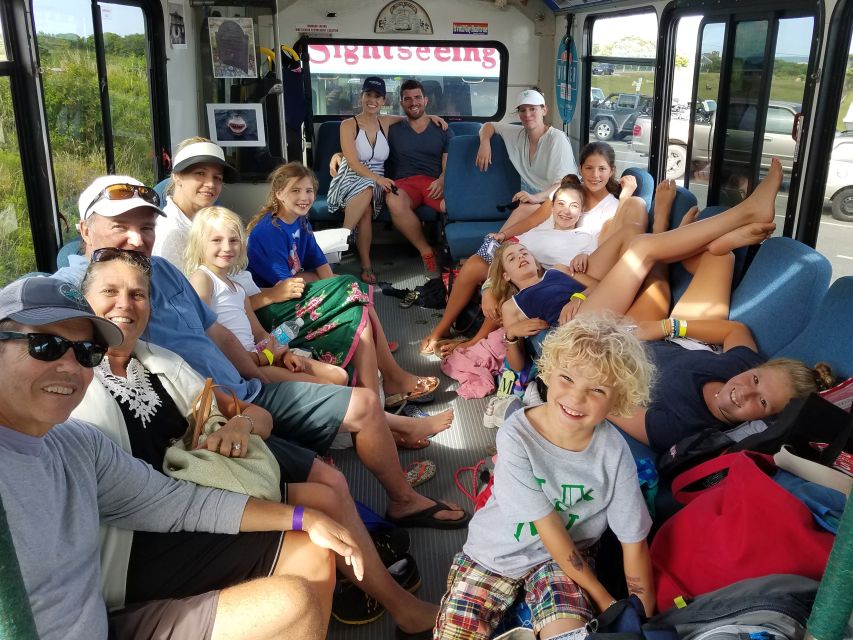
I like how the tour gives you actual places to step off and look around, not just a long drive with a narration track. I also like the guide format: English live narration by multi-generation islanders, plus a front-of-bus screen that helps you visualize how sites looked back in the 1800s.
The main thing to consider is time. At 3 hours and with a lot of stops, you get broad coverage—but each location is best treated as an intro, not a full deep visit.
In This Review
- Key things that make this tour worth your time
- Starting in Oak Bluffs: Cottage City energy and Wesleyan Grove charm
- Vineyard Haven to the western side: ports, disasters, and stone-wall country
- African American heritage and the Underground Railroad story
- Indigenous peoples, Wampanoag roots, and Thomas Mayhew
- Aquinnah Clay Cliffs: geology, time depth, and real viewpoints
- Elizabeth Islands and sound views: the tour’s “horizon payoff”
- The Jaws factor: bus screen, sound system, and movie-site moments
- Edgartown whaling village: captains’ mansions and old-maritime vibes
- Before you board: where to meet, what to bring, and how to avoid stress
- Price and value: is $70 for 3 hours fair?
- Who this tour fits best (and who might want another plan)
- Should you book the Martha’s Vineyard All Island Tour?
Key things that make this tour worth your time

- Local, story-first narration by island guides with multi-generation ties
- 4 step-off stops so you can actually see and photograph key spots
- Oak Bluffs cottage culture, including Gingerbread-style homes in the Wesleyan Grove area dating to 1835
- Aquinnah clay cliffs and the long-ago geology behind them
- Jaws viewing moments enhanced by clips and a newer sound system
- Big themes beyond postcard views, like African American heritage and how ASL became part of island life
Starting in Oak Bluffs: Cottage City energy and Wesleyan Grove charm
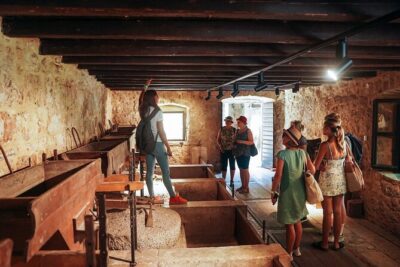
Most island tours begin with a generic bus roll-out. This one starts where the Vineyard clearly learned how to entertain visitors: Oak Bluffs, once known as Cottage City. Expect a friendly, guided orientation right away—so the island doesn’t feel like random coastline trivia after you arrive.
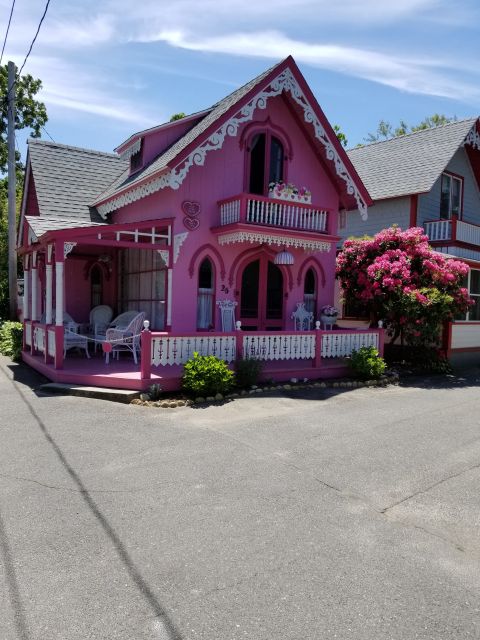
You’ll focus on the Methodist Campgrounds and how they shaped early tourism on Martha’s Vineyard. The highlight here is the Gingerbread Cottages in the Wesleyan Grove Campgrounds area, connected to the camp tradition that began in 1835. This is one of those places where a short stop works well: the colors, the detail, and the packed history make it easy to understand what early vacationers were seeking.
Practical note: the cottages are best appreciated with comfortable walking shoes. If you’re the type who likes photos, you’ll have plenty of photo opportunity moments, and the guide usually sets you up with what to look for before you arrive.
Vineyard Haven to the western side: ports, disasters, and stone-wall country
From Oak Bluffs, you’ll head to Vineyard Haven (also called Tisbury), described as the oldest port with a roughly 200-year timeframe. This isn’t just a scenic drive. Your guide ties the island’s geography to real hardship—especially the impact of major events that shaped daily life.
You’ll hear about the island’s vulnerability in the late 1800s, including a fire in 1888, and earlier violence during the American Revolution era, including being ransacked by General Grey in 1778. Those are heavy topics, but the benefit of hearing them during the drive is that you start noticing the island differently. You look at roads and buildings and ask what had to survive, rebuild, or change.
As you move toward the western side, you’ll also get rolling hills, older stone walls, and big viewpoints. This is where the tour earns its “all-island” label: you shift from the campground-and-porch vibe of Oak Bluffs into the farmland-and-coastline feel of the west.
If you’re sensitive to long stretches of road time, keep this in mind: this tour is built around bus narration with short step-offs, so the scenic sections matter. Comfortable seating and patience pay off.
African American heritage and the Underground Railroad story
One of the tour’s strongest themes is the African American heritage brought to the Vineyard by escaped slaves—and how the island became part of the Underground Railroad network. This is the kind of topic that can get simplified on short trips, but the structure here helps: the guide connects the theme to where you are on the island, so it doesn’t feel like a separate lesson happening off to the side.
I like that this tour doesn’t treat heritage as a single stop. Instead, it weaves it into the overall picture as you travel—so you’re constantly re-orienting what the island meant to different communities over time.
Also, the tour highlights American Sign Language (ASL) and how it came to be used on Martha’s Vineyard. The tour doesn’t give you a classroom lesson, but it does place ASL within the island’s human story. If you’re curious about why a language took root, this is one of those tours where your curiosity gets rewarded.
Indigenous peoples, Wampanoag roots, and Thomas Mayhew
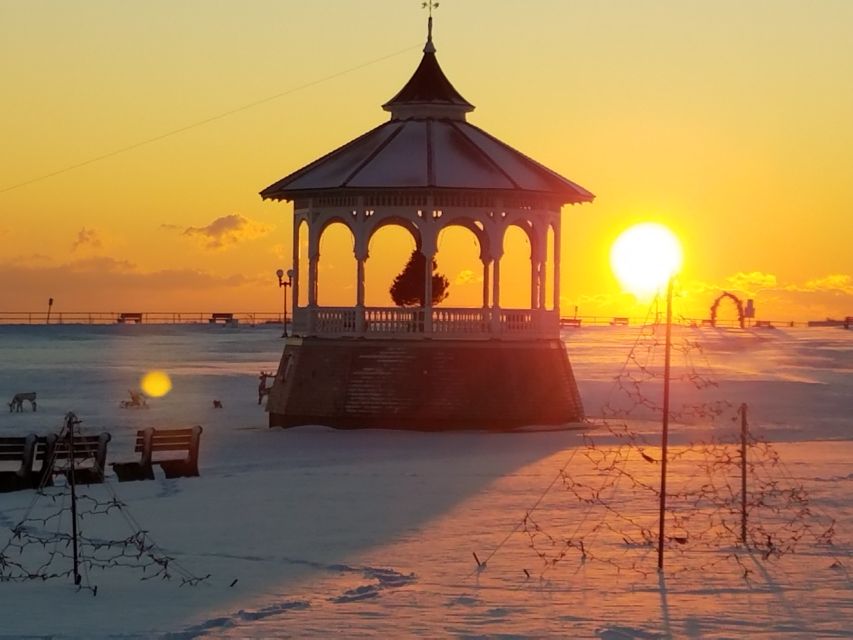
Another thread the guide brings in is the story of the Indigenous peoples of Martha’s Vineyard and the conversion efforts connected to Thomas Mayhew. You’ll hear how Christianity was introduced through colonization, with Mayhew named as a key figure in converting Native Americans.
Even if you’ve read a bit about the colonial era before, the bus format helps you connect this history to the places you’re seeing. The island isn’t just scenery; it’s land layered with cultures that were impacted by each other over time.
If you like tours that treat history as a map you can follow, you’ll likely appreciate how your guide keeps shifting attention from buildings to people to place.
Aquinnah Clay Cliffs: geology, time depth, and real viewpoints

As the tour moves toward the far western end, you get one of the most dramatic stops on the island: Aquinnah. The clay cliffs here are described as holding treasures from long ago, and you’ll see why the island draws geologic-minded visitors and beach walkers alike.
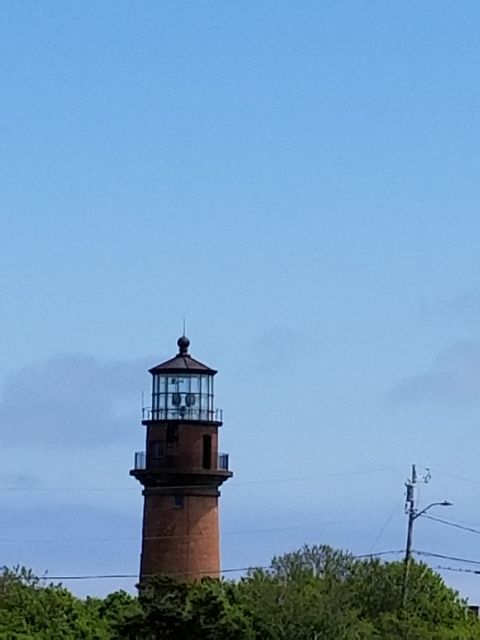
This is also where you often get extra time to explore viewpoints. One guide moment you can look forward to is a lighthouse stop in Aquinnah that many people describe as breathtaking, with enough time to take in the view rather than just snap a quick photo and leave.
Why this stop works on a short tour: cliffs create a natural “wow” that doesn’t require deep planning. You can stand, look, and let the guide’s story bring the place into focus. And because the scenery is big, you won’t feel like you missed something even if the weather changes your plans.
Elizabeth Islands and sound views: the tour’s “horizon payoff”
On the south shore, you’ll also hear about the two sounds that blanket the island, plus a gorgeous chain of islands called the Elizabeth Islands. This is one of those parts where the Vineyard feels like it expands beyond the single chunk you walk around.
Even from the bus, you’ll get the sense of scale: you’re seeing how the island relates to the surrounding water, not just the coastline. If you’ve ever been on a Martha’s Vineyard beach and thought, I want to understand what I’m looking at, this is where the tour gives you that mental model.
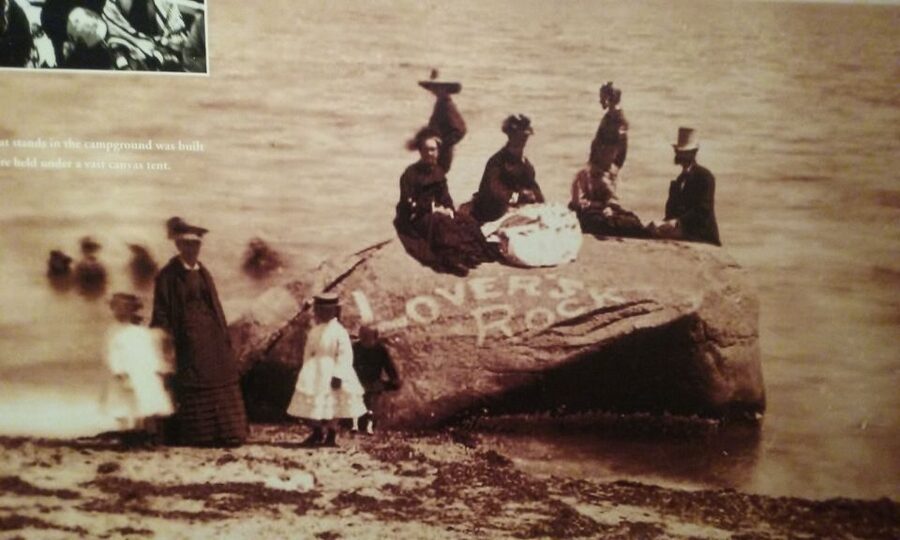
The front-of-bus screen adds another layer here. You’ll see how certain sites looked in the 1800s, which turns a normal scenic drive into an evolution lesson. You’re not just getting a view—you’re getting a before-and-after comparison.
The Jaws factor: bus screen, sound system, and movie-site moments
If you’re a Jaws fan, this tour is built for you. The guide points out many locations where the movie was filmed, and this year is highlighted as approaching the 50th celebration of the film’s making. The tour also uses clips and a newer sound system, so it’s not just, There’s the spot where they shot a scene.
What I like here is the practicality. The movie reference gives you an instant way to remember what you saw, and the guide uses that hook to talk about the coastline and local life around it. It can make even non-movie lovers pay attention, because the story feels more grounded than a generic film-tour script.
One caution: if you’re expecting nonstop movie stops like a dedicated Jaws day tour, you may want to treat this as a taste. In a 3-hour, full-island route, the film stops compete with other big themes—heritage, Indigenous history, and geology. Still, for a first-time visit, it’s an efficient way to connect pop culture to real place.
Edgartown whaling village: captains’ mansions and old-maritime vibes
Your tour also includes a stop at Edgartown, often described through its whaling village identity. Here you’ll see the exquisite mansions of past whaling captains—buildings that help explain why Edgartown became such an important center during the whaling era.
This part of the tour is less about dramatic geography and more about architecture and legacy. You’ll get a quick sense of how wealth and maritime trade shaped the town. It’s a good pairing with the earlier stories about ports and hardship: you see both the island’s vulnerability and the moments when it turned that energy into commerce.
If you want a Vineyard memory that looks good in photos and also makes you ask questions after you leave, Edgartown is a smart inclusion.
Before you board: where to meet, what to bring, and how to avoid stress

Meeting point is at 1 Seaview Ave in Oak Bluffs, across from the Oak Bluffs Steamship Authority ticket office. You’ll be waiting near the police station area, parked under the big American flag, in a small shuttle with HomeGrown Tours on the side of the bus.
You’ll need a ticket ready to be scanned to board. If you can’t print or your phone is acting up, the company says they can help—just call them. Also note a ferry diversion rule: if your ferry is diverted to Vineyard Haven, the tour will be delayed until 11am. The tour won’t pick up in Vineyard Haven, so you’d need to catch a city bus (Vineyard Transit) or use taxi/Uber/Lyft to reach Oak Bluffs.
What to bring is simple: comfortable shoes and sunglasses. You’re also asked not to smoke in the vehicle.
If your goal is a smooth day, plan to arrive early enough to find your shuttle without rushing. One frustration people mention is that the pickup location can be easy to miss if you’re not paying close attention.
Price and value: is $70 for 3 hours fair?
At $70 per person for a 3-hour all-island bus tour, you’re paying for three things: transport, interpretation, and time efficiency.
Yes, you are on a bus for much of the day. That’s the trade-off. But this tour’s pitch is not just driving from A to B—it’s making those drives useful with live narration, a front screen showing 1800s site views, and multiple step-off opportunities. The tour also includes ferry pickup and drop-off, which adds real value if you’re traveling between the mainland and the island.
You’re also paying for guide quality. Many people describe their guide as friendly, funny, and story-driven, with island-specific perspective. If you’re visiting for the first time and want to decide where to spend your next hour or next day, that interpretive value can be worth more than the sightseeing alone.
If you’re the kind of visitor who wants long walking time at each stop, you might feel the price more strongly. Treat the tour as orientation plus highlights, not as a replacement for spending a full afternoon in one area.
Who this tour fits best (and who might want another plan)
This is a great match if you:
- Want a fast overview of Oak Bluffs, Vineyard Haven, Aquinnah, Elizabeth Islands views, and Edgartown
- Like history that touches real communities, including African American heritage and Indigenous stories
- Are traveling with limited time and want a plan you can trust
- Care about Jaws filming locations and want them pointed out in context
- Appreciate accessible service: the tour company states it is the only wheelchair accessible tour company on the Vineyard
It’s not a great fit if:
- You’re traveling with kids under 5, since the tour is not suitable for them
- You hate bus time and only want walking-heavy outings
- You want lots of extended time in just one town (this tour spreads time across multiple areas)
One more practical note from experiences shared: the tour duration feels right for many first-timers. In the low season, traffic can be lighter, which makes the pacing feel less rushed.
Should you book the Martha’s Vineyard All Island Tour?
If this is your first visit to Martha’s Vineyard and you want an organized, story-rich introduction, I’d book it. The combination of step-offs, local multi-generation narration, the 1800s visual screen, and the Jaws-focused moments makes it more than a scenic ride. It’s a short course in how the island got to where it is.
I’d pass or switch tours if you know you only want one or two areas in depth. Also, if you’re sensitive to audio clarity issues, do keep an eye on seating and comfort, since some people mention the guide being harder to understand in one instance.
My rule of thumb: book this to learn the island, then use the rest of your trip to choose your favorites.