REVIEW · CHAMPAGNE
Epernay: Guided Tour of Champagne Cellar with Tastings
Book on GetYourGuide →Operated by Champagne Vollereaux · Bookable on GetYourGuide
Champagne starts in the cold. I love how this small, focused tour shows you the real cellar work, not just the marketing gloss. You’ll walk through Vollereaux’s underground spaces and hear how the house keeps its standards year after year.
I also like that you get a guided tasting of 3 different Champagnes, with clear explanations from guides such as Aurore or Antoine. One consideration: the cellar sits around 10°C, so bring a sweater or vest, and if a specific piece of equipment isn’t running on your date, you’ll have to make do with what’s active that day.
In This Review
- Key highlights you’ll actually remember
- Vollereaux in the Marne Valley: what you’re walking into
- The 40-minute guided cellar tour: how Champagne turns into a bottle
- Cellar reality check: it’s cold on purpose
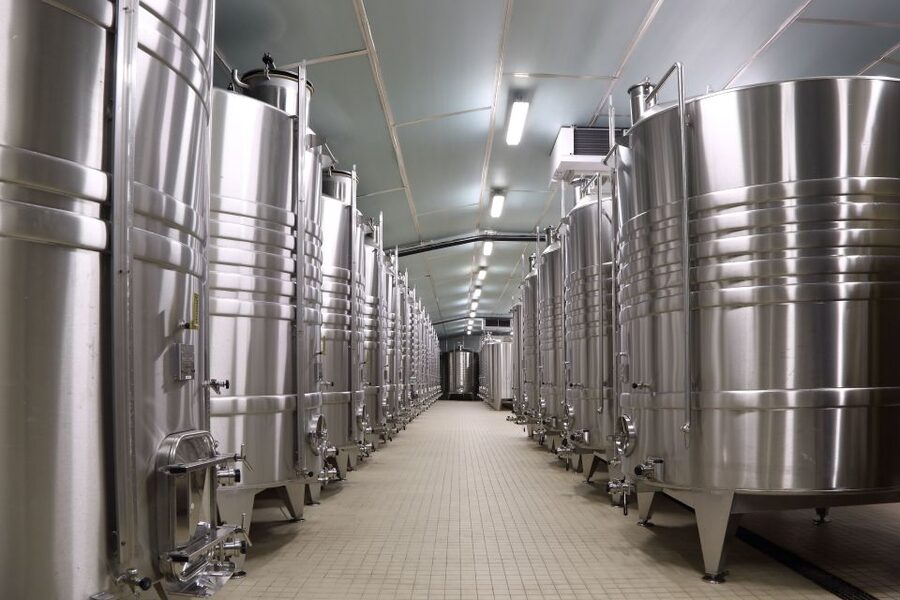
- Production areas and storage: where you feel the work behind the sparkle
- Why the 100 acres / 13 villages detail matters to your tasting
- Tasting 3 Champagnes: how to taste with purpose
- Can you buy bottles?
- Value: is $20 for a cellar tour and 3 tastings a good deal?
- What to expect from the guide (and how to get the most out of it)
- Who should book this Vollereaux cellar tour
- Price, timing, and practical tips that actually help
- Should you book the Vollereaux guided cellar tour with tastings?
- FAQ
- How long is the Vollereaux guided Champagne cellar tour with tastings?
- How many champagnes will I taste?
- What languages are the tours offered in?
- Where does the tour start?
- Do I need warm clothing?
- Is the tour wheelchair accessible, and are pets allowed?
Key highlights you’ll actually remember
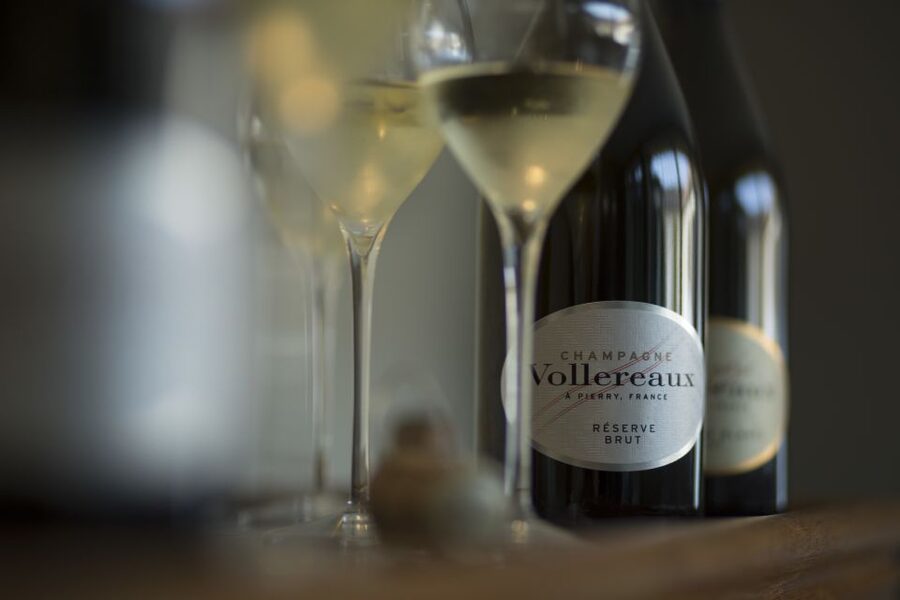
- Vollereaux Champagne House visit in the Marne Valley, founded in 1805
- 40-minute guided cellar + production-area tour that stays practical and step-by-step
- Tasting 3 Champagnes at the end, served in a shop or tasting/bar area
- Family-run, multi-generation approach, with 6th-generation management
- Big footprint, personal feel: over 100 acres across 13 villages in Coteaux Sud d’Epernay
- Hands-on moments are possible, like simple participation during production activities
Vollereaux in the Marne Valley: what you’re walking into
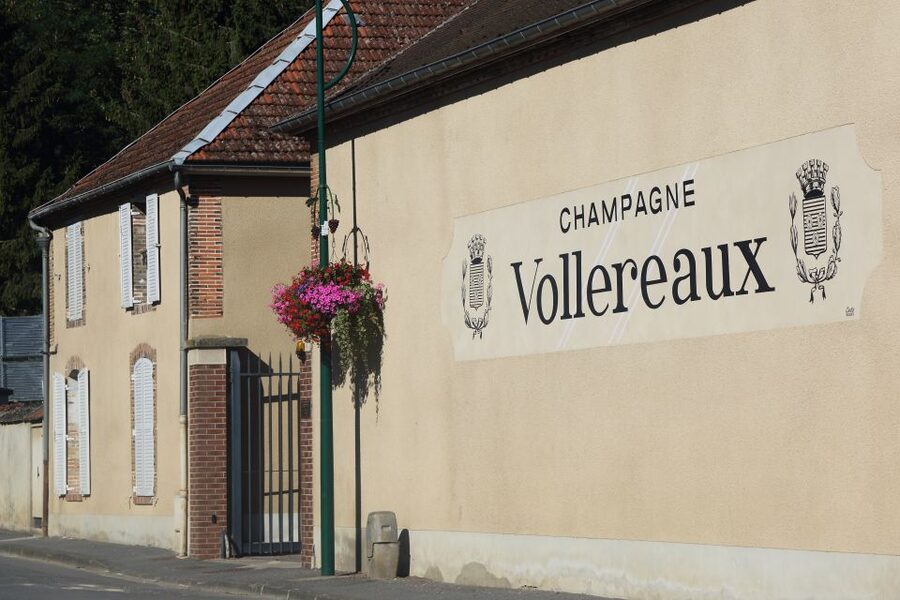
This tour is centered on Champagne Vollereaux, set in the Marne Valley area of Champagne. The setting matters: you’re not touring an empty museum. You’re visiting a working house that’s been doing this for a long time.
Vollereaux stretches over 100 acres and covers 13 villages in the Coteaux Sud d’Epernay area. That scale helps you understand something important: Champagne isn’t one tiny plot and a dream. It’s planning, sourcing, and consistency across a wider region.
You’ll also feel the family side of things. The house dates back to 1805, and the business is still managed by the 6th generation, continuing a 200-year legacy. For me, that’s why this kind of visit can feel more human than the giant operations.
The 40-minute guided cellar tour: how Champagne turns into a bottle
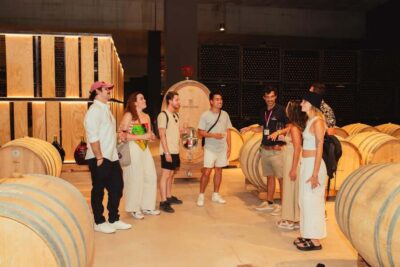
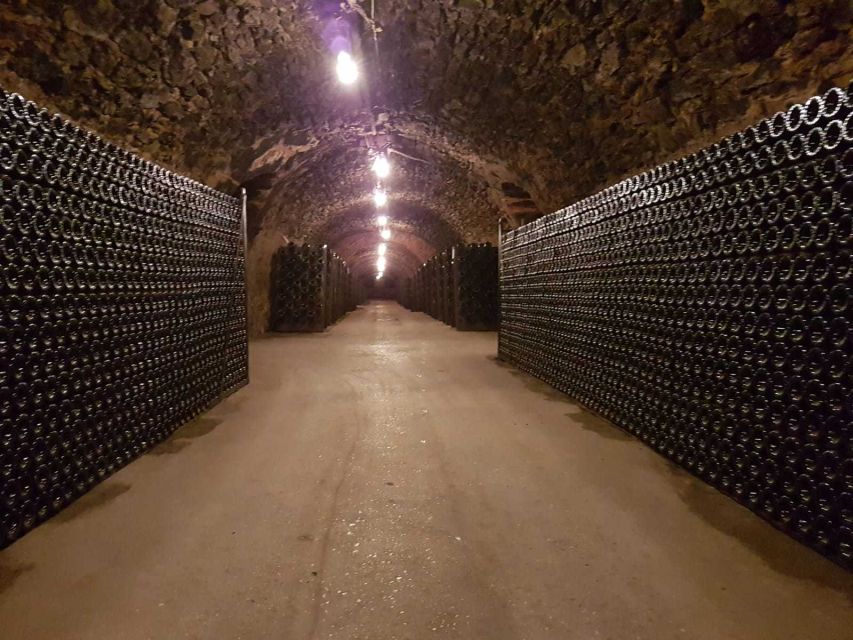
The guided part lasts about 40 minutes, and it’s built around how Champagne is made and how it’s stored. Expect to see historic cellars up close, where temperature and time do the heavy lifting.
A key takeaway I’d want you to carry out of this tour is that Champagne is a process, not a single moment. Your guide walks you through the sequence of production steps—how grapes become base wine, how secondary fermentation creates the bubbles, and how aging in the cellar shapes flavor. The explanations are meant to connect the dots, so even if you’re not a wine nerd, you’ll follow along.
You’ll also learn how the house thinks about continuity. That 6th-generation management piece is more than a slogan. It’s a sign they’ve kept methods and standards over time while still refining details.
Cellar reality check: it’s cold on purpose
Yes, the cellar is cold. You’re told to plan for about 10°C, so wear a sweater or vest. Even if you run warm, you’ll appreciate layers once you’re standing still in the underground rooms while someone explains the finer points.
Production areas and storage: where you feel the work behind the sparkle
One of the best parts of this experience is that you’re guided around the areas tied directly to production and storage. You’re not just looking at labels or posing for photos. You’re getting a sense of how the house runs.
On some tours, you may also catch extra moments linked to production equipment. For example, one common machine-related highlight is a freezing step, but it may not be operating during your specific tour time. That’s not a deal-breaker, just a reminder that production schedules don’t always match your visit schedule.
A fun detail that some guests have experienced: you might get a small hands-on moment, like helping with a production step such as turning bottles. It’s not a theme-park stunt; it’s just a way to make the process click in your head.
Why the 100 acres / 13 villages detail matters to your tasting
At first, the numbers sound like trivia: 100 acres, 13 villages, Coteaux Sud d’Epernay. But here’s why it’s useful for you: those details explain why Champagne can taste consistent even when you’re drinking different cuvées.
When a house draws from a wider range of vineyards, blending and selecting lots becomes part of the craft. Your guide helps you connect that to what you’ll taste later. Without this context, people often treat the tasting like three random sips. With it, you start noticing structure—how the wine feels on the palate, how acidity carries, and how the bubbles show up.
So when you hear that Vollereaux spans multiple villages and maintains a family-led system across generations, treat it like a flavor clue. It’s one reason a visit like this can feel more insightful than a quick stop.
Tasting 3 Champagnes: how to taste with purpose
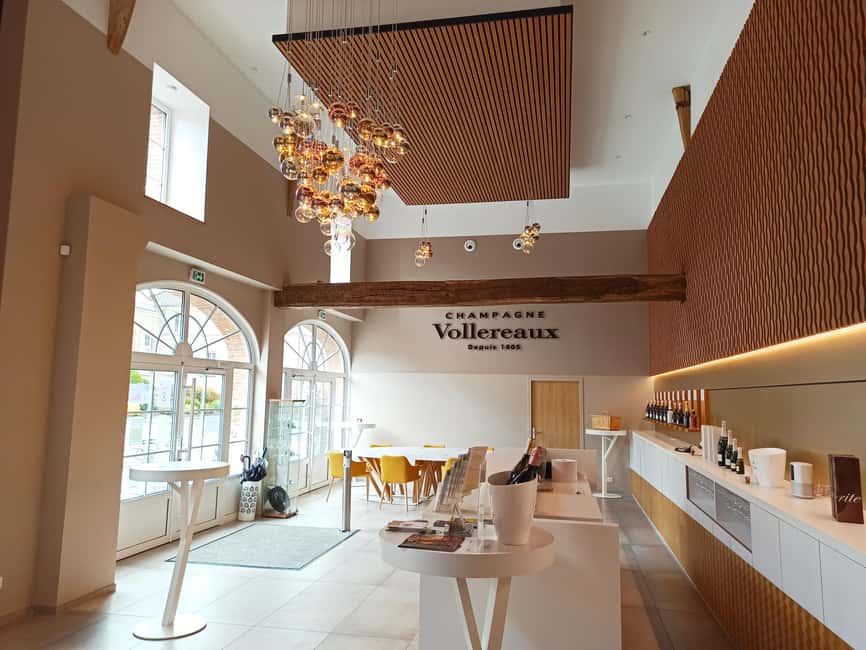
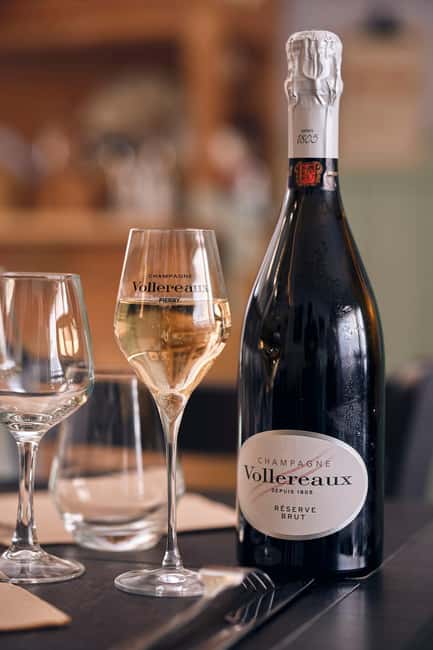
After the tour, you’ll move into the tasting area. The tasting is 20 minutes, and the big win here is that you taste three different Champagnes. That setup is ideal because it encourages comparison.
Here’s how I’d approach it so you get more out of those 3 glasses:
- Start with your first impression, then slow down and notice how the wine sits. Is it crisp, rounded, or leaning dry?
- Pay attention to acidity and mousse. In Champagne, the bubbles aren’t just decoration. They shape how flavors land.
- Compare the second and third pours to see what changes from glass to glass. You’re looking for shifts in weight, fruit character, and finish length.
Your guide will generally explain what you’re drinking and where it fits in the production story. Guides like Aurore and Antoine have a reputation for making the method understandable in real-world terms, so don’t be shy about asking questions.
Can you buy bottles?
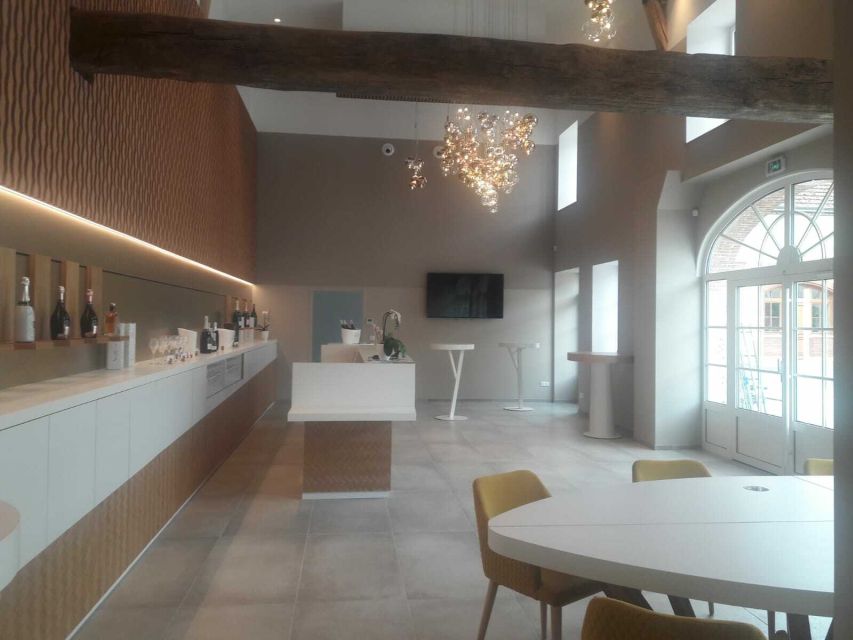
Yes. After the tasting, there’s a shop/tasting area setup where you can typically purchase Champagne if you want to bring a bottle back to your trip. One benefit of going to a house like this is that purchases feel grounded in what you just learned, not just a spontaneous impulse buy.
Value: is $20 for a cellar tour and 3 tastings a good deal?
For about $20 per person, you get a 1-hour total experience that includes a guided cellar tour plus a tasting of 3 Champagnes. For Champagne regions, that’s the kind of deal that makes sense because you’re not paying only for the drink. You’re paying for the guided interpretation that turns those sips into understanding.
The value also improves because the experience tends to feel more personal. A number of guests note the group stays small—often up to around 12 people—so you have more chances to ask questions. With bigger operations, you can end up watching a guide talk over your head. Here, the pace is easier to follow.
If you’re on a tight schedule in Epernay, this is also efficient. In one hour, you get production context and a tasting. That combo is hard to beat when you’re trying to fit Champagne into a real itinerary.
What to expect from the guide (and how to get the most out of it)
Even if you don’t speak French, the tour is offered in English and French, with a live guide. Many guests mention guides with strong English and a clear way of explaining the process, which matters because Champagne terms can get confusing fast.
To get more value, go in with a couple of questions. For example:
- How does aging in the cellar shape flavor?
- What should I notice when comparing the three glasses?
- What role do the vineyard sources play in the blend?
And here’s a small strategy: listen first, taste second. If you taste too aggressively right away, it’s harder to connect the flavors to the steps you just saw.
Who should book this Vollereaux cellar tour
This is a great fit if you want Champagne that feels tied to real work. It’s also ideal if you like the idea of a family-run house where the story includes continuity across generations.
You’ll probably enjoy it most if:
- you want a guided explanation, not just a self-guided stroll
- you like tasting with structure (3 glasses instead of one)
- you prefer a smaller group atmosphere
- you’re curious about how the cold cellar environment affects aging
If you’re the type who wants huge-scale spectacle—giant crowds, massive showrooms, and nonstop production theater—you might find this more understated than the biggest houses. Still, “more personal” is often the point.
Price, timing, and practical tips that actually help
The tour runs about 1 hour total. You’ll do the guided visit (around 40 minutes) and then the tasting (around 20 minutes). Plan your day so you don’t have to rush afterward; you’ll want a moment to process what you tasted.
Meeting point can vary by option, but one commonly listed address is 48 Rue Léon Bourgeois. If you’re arriving by foot or by taxi, confirm your exact start location so you don’t end up circling Epernay with a corkscrew in your mind.
Bring warmer clothes for the cellar. A sweater or vest is the right call because the underground temperature is about 10°C.
If you’re traveling with a pet, note that pets aren’t allowed on this activity.
Should you book the Vollereaux guided cellar tour with tastings?
Yes, I’d book it if you want a solid Champagne experience with a real production focus in a short window. The combination of historic cellar touring, an understandable step-by-step guide, and a 3-Champagne tasting makes it a strong value at around $20.
I’d think twice only if you hate cool rooms or you need every single piece of equipment to be in operation during your visit. Otherwise, this is the kind of tour where you leave with better taste instincts and a clearer sense of what you’re buying.
If your goal is Champagne with context—plus a chance to compare three styles in one sitting—this is a smart choice in Epernay.
FAQ
How long is the Vollereaux guided Champagne cellar tour with tastings?
The experience lasts about 1 hour, with a guided tour (around 40 minutes) and a tasting session (around 20 minutes).
How many champagnes will I taste?
You’ll taste 3 different Champagnes as part of the tour.
What languages are the tours offered in?
The live tour guide offers English and French.
Where does the tour start?
The meeting point can vary depending on the option booked. One listed meeting location is 48 Rue Léon Bourgeois.
Do I need warm clothing?
Yes. The cellar temperature is about 10°C, so wear a sweater or vest.
Is the tour wheelchair accessible, and are pets allowed?
The tour is wheelchair accessible. Pets are not allowed.