REVIEW · CHAMPAGNE
Champagne: Canard-Duchêne Champagne House Tour
Book on GetYourGuide →Operated by Champagne Canard-Duchêne · Bookable on GetYourGuide
One flight of stairs, and you’re in champagne land. The Canard-Duchêne Champagne House Tour takes you from sunny vineyard rows into a deep, hand-carved cellar world, with a guide explaining how Champagne gets its character. I love the 40 to 60 feet underground cellars and how your guide links temperature and humidity to the wine’s development. I also like the vineyard walk, where you see the grapes growing and get context for what’s going on before the bottle ever exists.
The only real catch is physical comfort: cellar entry involves 130 steps each way, there’s no elevator, and the cellars max out around 50°F. If you’re not steady on stairs or you get cold easily, plan accordingly (warm layers are not optional).
In This Review
- Key takeaways before you go
- Entering Canard-Duchêne’s cellar world
- The 4-level underground maze (and why temperature matters)
- The restored chapel stained glass: a visual pause
- Vineyard walk: seeing grapes before the bottle
- Tasting options: Decouverte, Liberté, Charles VII
- Price and time: does $25 buy real value?
- The shop experience: what to expect
- Who this tour suits best (and who should skip)
- Booking advice: when to choose this tour
- Should you book the Canard-Duchêne House Tour?
- FAQ
- How long is the Canard-Duchêne Champagne House Tour?
- Where does the tour take place?
- What’s included in the tour price?
- What tasting options are available?
- Are there tastings during the tour?
- What should I wear for the cellar?
- How many stairs are involved?
- Is it accessible for people with mobility impairments?
Key takeaways before you go
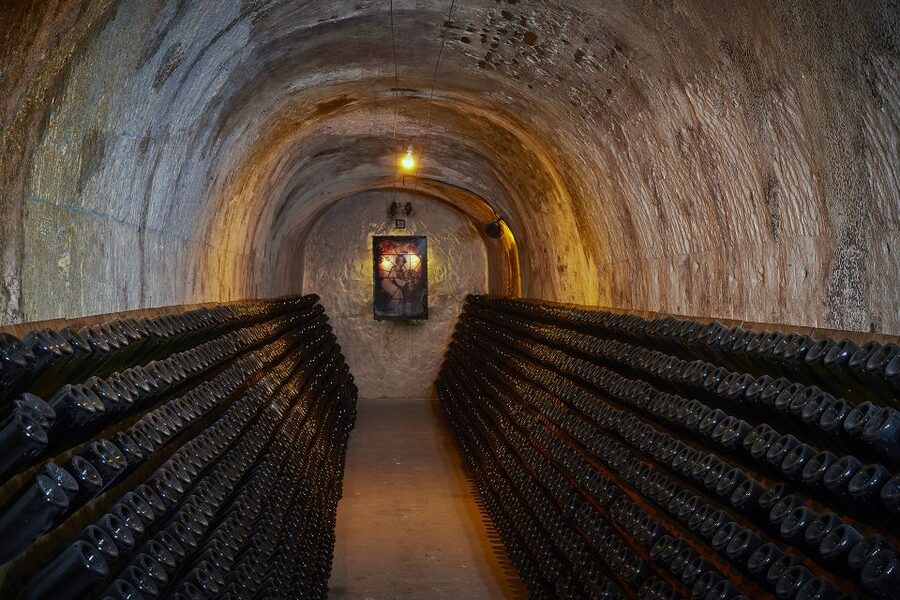
- A four-mile cellar network on four levels: you’ll descend into a huge underground system designed for steady aging conditions.
- Hand-carved 19th-century architecture: the cellar details make the science feel real.
- Restored chapel stained glass by Simon-Marq: a surprising artistic stop inside the house.
- Vineyard stroll with real growing context: you leave with a clearer picture of where Champagne grapes come from.
- Tasting options match your curiosity: choose Decouverte, Liberté, or Charles VII based on how much you want to sample.
- Short and focused at 1 hour: great if you want Champagne basics without losing half a day.
Entering Canard-Duchêne’s cellar world
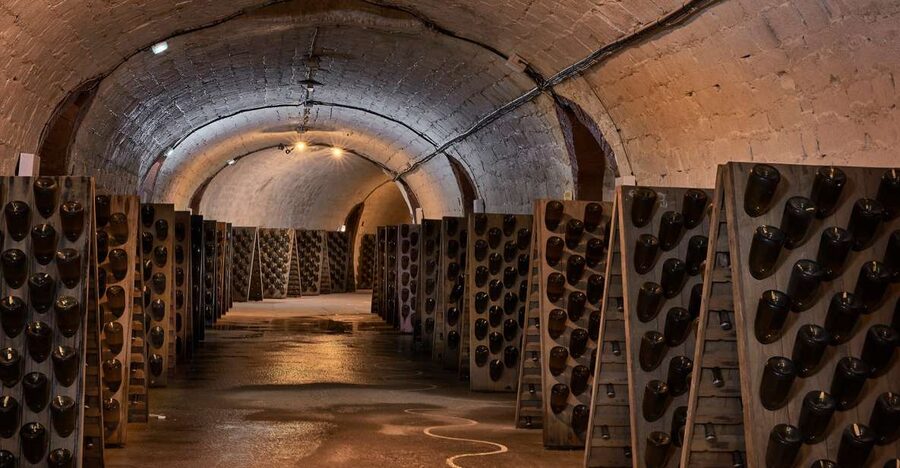
This tour is built for people who want Champagne explained in plain terms. You start with a guided look at the house’s production spaces, then head underground where the temperature stays controlled for the slow work of maturation. It’s only an hour long, but it covers enough ground to help you connect the steps you hear about with what you’re actually seeing.
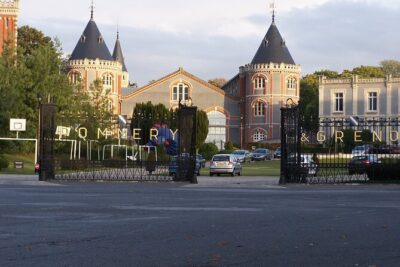
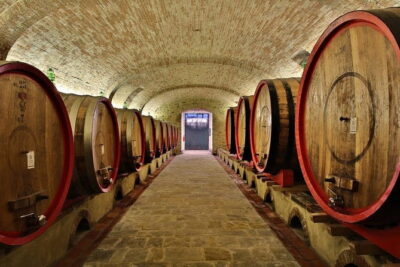
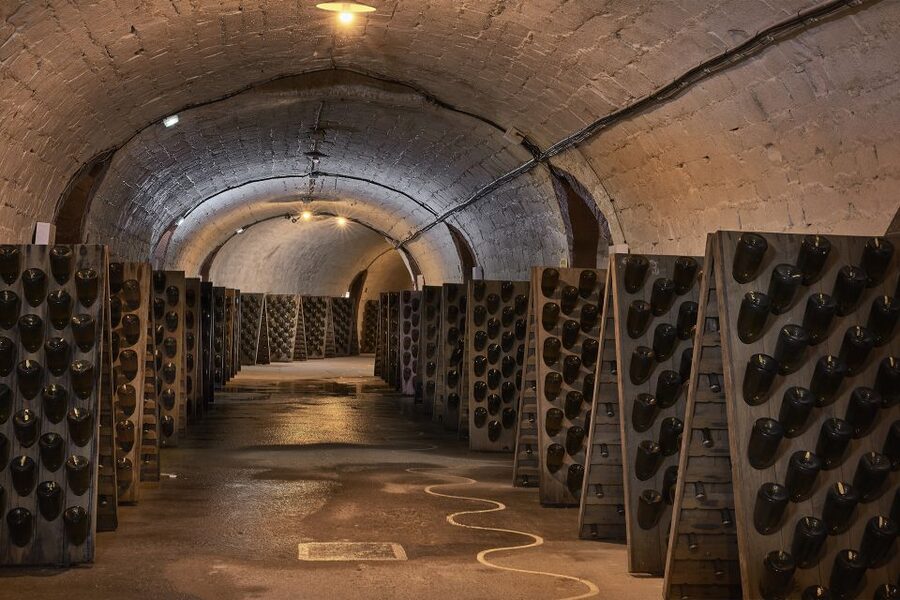
What makes Canard-Duchêne different here is the setting. You don’t just stand in a tasting room and listen. You descend into a vast cellar system—nearly four miles spread over four levels—so you can picture how storage, aging, and airflow are managed. You also get that old-world feel: the visit notes hand-carved 19th-century architecture, and it matters because it gives you a sense of craft, not just industry.
One practical note: the tour is designed around walking. Cellar access includes 130 steps each way and there’s no elevator, so you should treat this as a stair-based experience. If your legs hate stairs, this is the point where you decide whether you want to risk it.
You can also read our reviews of more wine tours in Champagne
The 4-level underground maze (and why temperature matters)
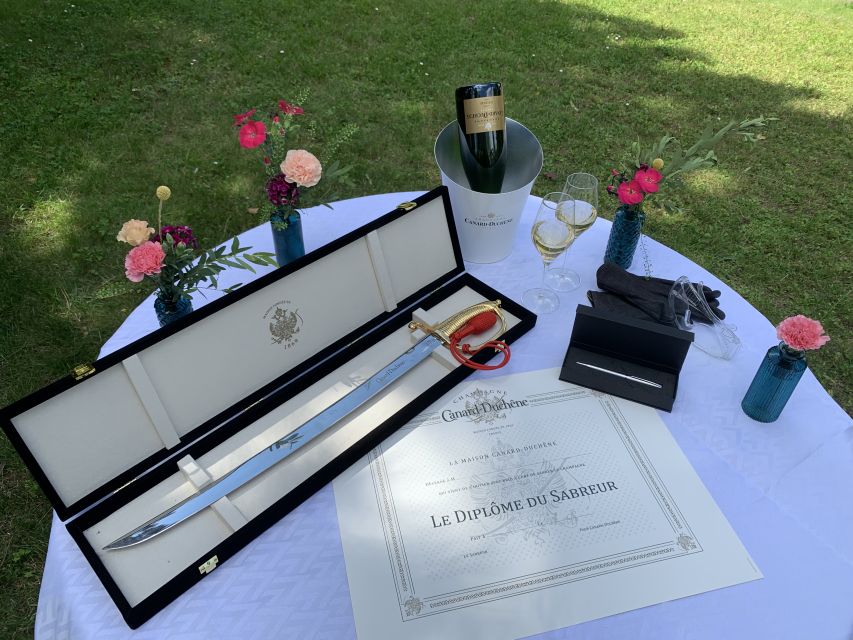
Down in the cellars, you’re not just looking at old stone. You’re seeing the practical side of winemaking. Your guide explains how the cellar network provides optimal temperature and humidity conditions so the Champagne can mature properly. Even if you don’t remember every detail, the big idea sticks: Champagne needs consistency during aging, and the cellars are built to deliver it.
The tour specifically calls out the cellar climate: the maximum temperature is about 50°F. That’s cool enough that even if the surface is warm, you’ll feel the chill underground. I’d treat this like a winter layering situation. Bring warm clothing and wear comfortable shoes you trust on stairs.
You’ll also learn about the “atmosphere” of the cellars—how the unique underground conditions contribute to taste and complexity. That can sound a bit poetic until you connect it to real variables like humidity and temperature. Once you’re standing there, the explanation feels more grounded, and less like a script.
The restored chapel stained glass: a visual pause
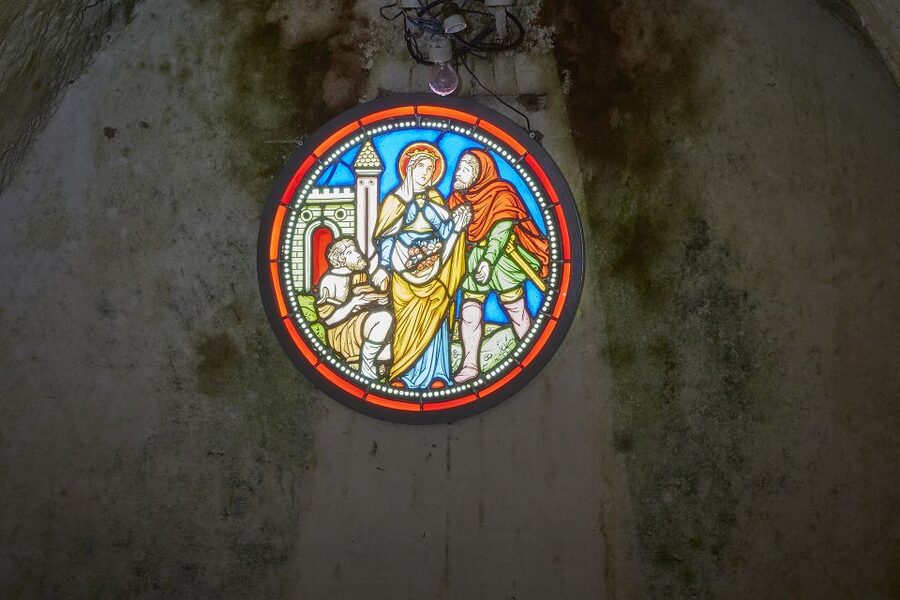
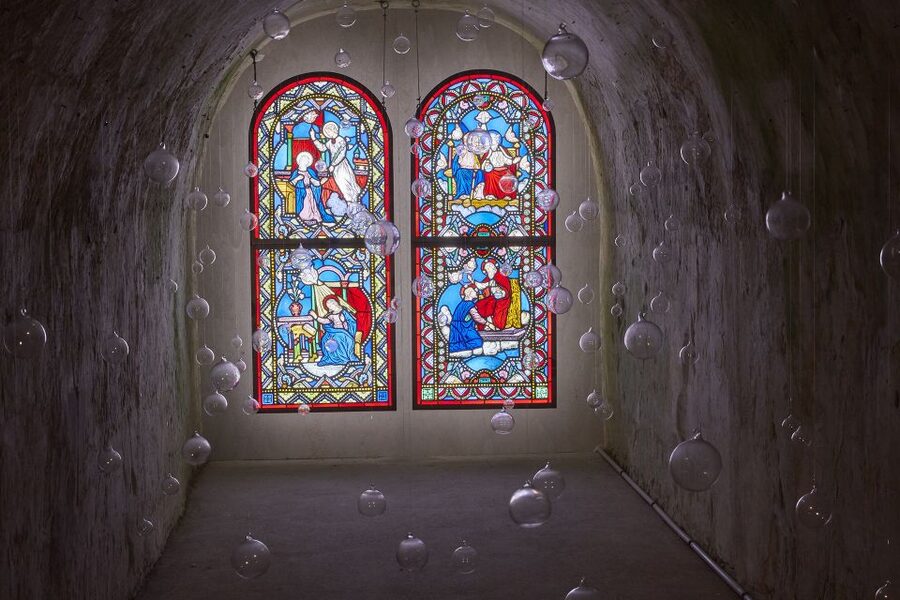
One of my favorite parts of this tour is the break from the purely technical spaces. There’s a stop for the house’s art and architecture, including stained glass windows from an old chapel that’s been renovated by the workshop of Simon-Marq.
This matters because it changes the emotional tone of the visit. You’ve been thinking about production—aging, conditions, cellar levels—and then you’re hit with color and craft. It’s a moment to slow down, look closely, and remember that Champagne houses are also cultural spaces. In a one-hour experience, that kind of visual pause helps you absorb the whole story.
If you’re the kind of person who likes photos, this is your best chance for them on the tour. The stained glass gives you something to frame that doesn’t look like every other cellar visit.
Vineyard walk: seeing grapes before the bottle
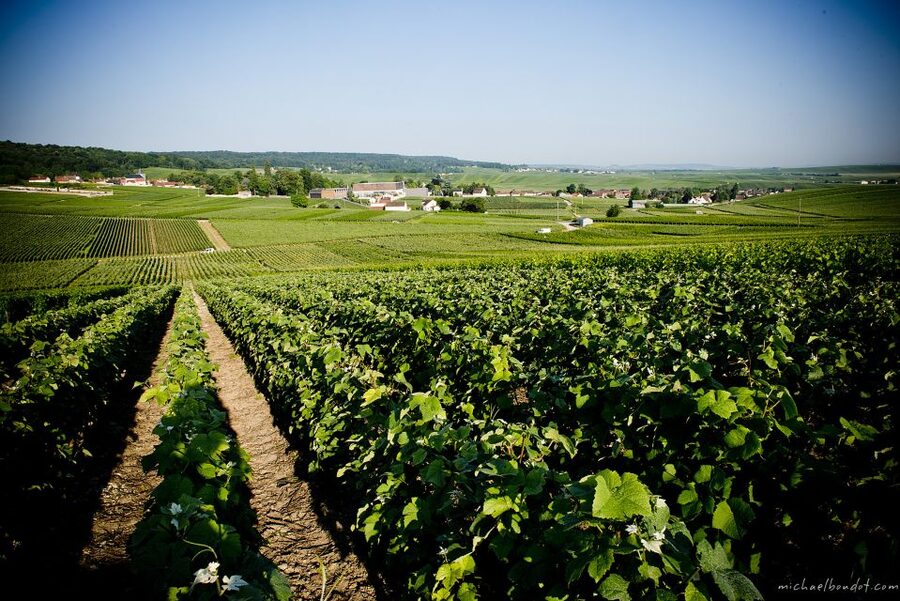
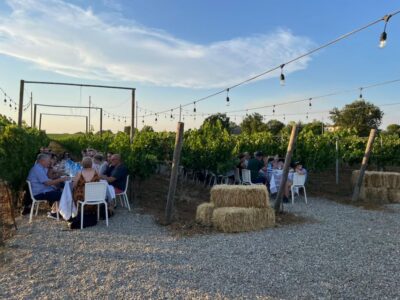
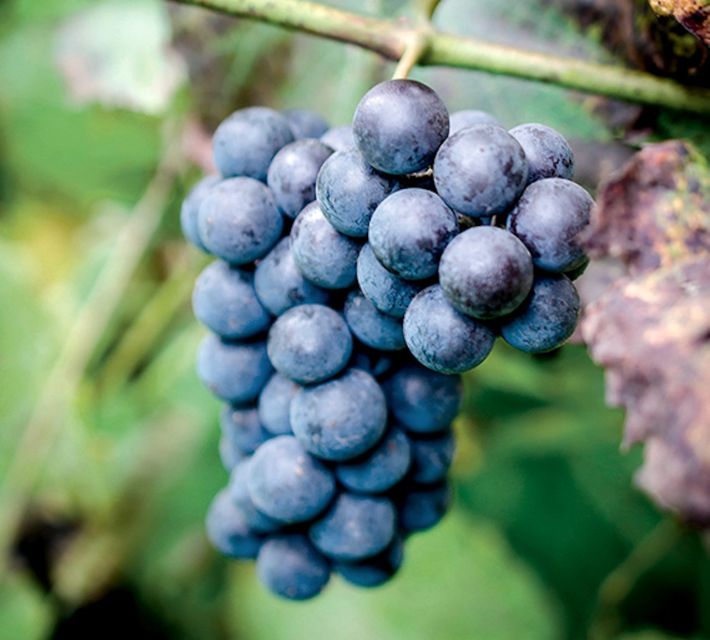
After the underground portion, you go back up to stroll through the vineyards where the grapes are grown. This is where the tour stops feeling like a museum and starts feeling like a timeline.
You’ll learn how grapes are grown, guided step-by-step by someone who can translate vineyard reality into what it means for Champagne. Even if you’re not a wine geek, this part helps you understand the “front end” of the process. Without it, Champagne can feel like an abstract product—something that magically appears from a label. With the vineyard walk, you remember that every bottle starts with a growing cycle.
The vineyard portion also balances the cellar time. Cellars are controlled and cool; vineyards are outdoors and seasonal. That contrast gives your brain a complete picture in a short visit, which is a big reason this tour works well for a tight schedule.
Tasting options: Decouverte, Liberté, Charles VII
You’ll taste Champagne as part of the experience. The tour notes that the tasting includes one or two glasses depending on the selected option, and the options change which bottles you sample.
Here’s how the choices line up:
- Decouverte: tasting of a brut or demi-sec
- Liberté: tasting of Cuvée Léonie Brut, Cuvée Léonie Rosé, and Cuvée Bio P181
- Charles VII: tasting includes Cuvée Charles VII
If you’re new to Champagne, Decouverte is the easy entry. You get a clear sense of the style without committing to multiple cuvés. If you want to compare and you like variety, Liberté is the more exploration-focused option because it covers multiple named cuvées. And if you’re drawn to the specific house selection of Charles VII, that’s your lane.
One more practical point: plan to eat soon after, because this is not a full meal stop. One review specifically wished for a toast or biscuit to go with tasting. That’s a good hint: if you’re sensitive to alcohol or you’re hungry, consider bringing a small snack beforehand or grabbing something nearby after.
Price and time: does $25 buy real value?
At $25 per person and about one hour, this tour is priced like a smart “taste + education” stop. You’re paying for three things: guided explanation, cellar access (with serious stair climbing), and a vineyard walk. The tasting adds extra appeal if you pick an option that includes more than one glass.
Is it a bargain? For the time and access you get, it’s easy to feel like you’re getting your money’s worth—especially because you don’t just get a quick look. The cellar portion is genuinely substantial: four levels, nearly four miles of network, and a descent of 40 to 60 feet. That scale is the core value.
The value equation shifts a bit if you’re hoping for a relaxed walk with no cold and no stairs. In that case, you may decide the physical effort is not worth the ticket. But for people who can handle steps, this is a strong deal.
The shop experience: what to expect
After your tour, there’s a boutique area. It’s not described as a huge shopping stop, and one review pointed out that the boutique has limited choice. So don’t build your expectations around browsing a massive selection of gifts or a wide range of accessories.
If you want to bring Champagne home, your best move is to decide during the tasting and then shop with intent. If you’re mainly there for the tour and not for souvenirs, you likely won’t care much about the shop size.
Who this tour suits best (and who should skip)
This is ideal for people who:
- want a short, guided introduction to how Champagne production works
- enjoy walking through cellars and learning about what aging conditions do to wine
- like a mix of practical science and house architecture (especially the restored chapel stained glass)
- want a guided vineyard context without spending half a day outdoors
You should be cautious if you:
- need step-free access, because there’s no elevator and the route includes 130 steps each way
- get uncomfortable in cool spaces, because the cellar temperature can top out around 50°F
- are over 70 years old, since the tour specifically notes it’s not suitable for people over that age
If you’re traveling with limited mobility, this won’t be a friendly experience. In that case, look for another style of Champagne visit that doesn’t center on stairs and a deep descent.
Booking advice: when to choose this tour
Book this one if you want a high-yield Champagne overview in about an hour. It’s especially good when your schedule is packed and you still want more than just tasting. The cellar network and the vineyard walk give you a complete arc: growing, aging, and the house’s character.
If you hate cold rooms or stair-heavy itineraries, you’ll probably enjoy a different kind of tasting experience more. This tour makes its priorities clear, and you should match your comfort to the format.
Should you book the Canard-Duchêne House Tour?
I’d book it if you’re comfortable with stairs and you want a guided look at both cellar aging and vineyard growing—plus a real Champagne tasting. The combination is what makes it feel worth doing, even though it’s only 1 hour.
I wouldn’t book it if the idea of descending into a 50°F cellar with 130 steps each way sounds miserable. For the right visitor, though, this is a practical, focused way to understand Champagne from the inside out.
FAQ
How long is the Canard-Duchêne Champagne House Tour?
The tour lasts 1 hour.
Where does the tour take place?
It’s in the Grand Est region of France.
What’s included in the tour price?
You get a guided tour of the wine cellars, a guided tour of the vineyard, and Champagne tasting (1 or 2 glasses depending on the option you choose).
What tasting options are available?
You can choose between Decouverte, Liberté, or Charles VII. Decouverte includes a tasting of a brut or demi-sec. Liberté includes Cuvée Léonie Brut, Cuvée Léonie Rosé, and Cuvée Bio P181. Charles VII includes Cuvée Charles VII.
Are there tastings during the tour?
Yes. Champagne tasting is included as part of the experience.
What should I wear for the cellar?
Bring warm clothing and comfortable clothes. The cellar temperature can reach a maximum of about 50°F.
How many stairs are involved?
Entry to the cellars includes 130 steps each way, and there’s no elevator.
Is it accessible for people with mobility impairments?
No. The tour is not suitable for people with mobility impairments and it also notes it’s not suitable for people over 70.