REVIEW · EPERNAY
From Epernay: Champagne Small-Group tour with tastings & Lunch
Book on Viator →Operated by À La Française · Bookable on Viator
One stop can’t teach Champagne. This one makes you see it, taste it, and leave with a better sense of how it’s made. I like the small-group feel (max 8) and the mix of family-run houses plus the famous Avenue de Champagne scenery; I also love that lunch is paired with Champagne, not treated like an afterthought. The only drawback to plan for: it’s a 5-hour afternoon, so you won’t have time for lots of extra shopping afterward unless you build that in.
You meet in central Epernay at 12:00 pm, then spend the day moving through the story of Champagne—from Hautvillers (where Dom Pérignon is buried) to tastings and lunch, and finally a stop at a smaller producer. Based on what I’ve seen praised again and again by past guests, the guide really matters here, and the company clearly puts effort into that part of the experience (I’ve seen names like Suzanne, Tom, Jérôme, Chloé, and Perrine come up a lot).
In This Review
- Key takeaways before you go
- Champagne in Epernay: why this format works
- The 12:00 meetup and the Avenue de Champagne drive-by
- Hautvillers and Abbaye Saint-Pierre: Dom Pérignon’s footprint
- Ay-Champagne: tastings and a Champagne-paired lunch
- A small producer in Champagne-Ardenne: where questions get answered
- What 5 tastings plus lunch means for your palate
- Group size and guide quality: why this tour gets such strong scores
- Price and value: what $260.01 buys you
- Who should book this Epernay Champagne small-group tour
- My decision checklist: should you book?
- FAQ
- How long is the Champagne tour?
- Where do I meet the guide?
- What time does the tour start and end?
- What’s the group size?
- How many Champagne tastings are included?
- Is lunch included?
- Is hotel pickup included?
- Is the tour in English?
- Are children allowed?
- What is the cancellation policy?
Key takeaways before you go
- Max 8 people means you get real conversation during tastings, not just standing around
- 5 Champagne wines tasted gives you a spread of styles, not a single safe pour
- Hautvillers and Dom Pérignon’s church area adds context beyond the glass
- Avenue de Champagne is more than a photo op; it frames how big-name houses operate
- Lunch is included and Champagne-paired, so you get food + bubbles together
- Family-producer stop is the best place to ask process questions and compare styles
Champagne in Epernay: why this format works
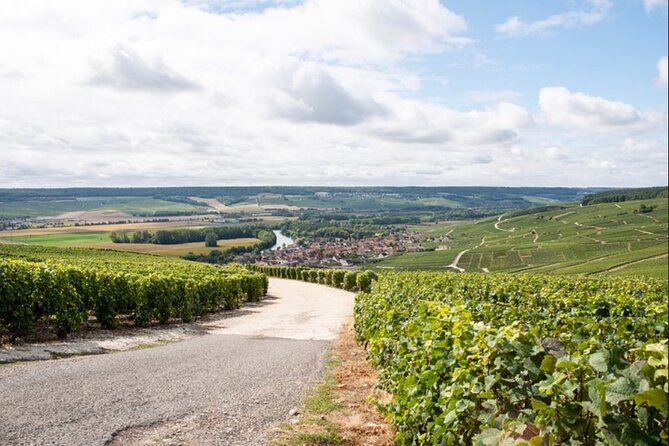
Epernay is where you get that classic Champagne-house atmosphere—long rows of impressive facades, serious cellars behind the walls, and the sense that this region runs on craft. What I like about doing Champagne here in a structured small-group tour is that you’re not trying to guess your way through the region while hungry and thirsty.
This tour is also built around the practical question: what am I actually tasting? You get several pours during the day, and you’ll be guided through what makes each one different. That means you leave with a “why” behind your preferences, instead of just remembering that Champagne is tasty.
You can also read our reviews of more wine tours in Epernay
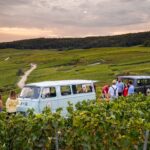
The 12:00 meetup and the Avenue de Champagne drive-by
You’ll start at the Office de Tourisme d’Epernay en Champagne (7 Av. de Champagne) at 12:00 pm, and the day ends back at that same spot at 4:45 pm. Getting started on time is key here, because the schedule is tight enough to keep the day flowing, but not so rushed that you feel like you’re sprinting between tastings.
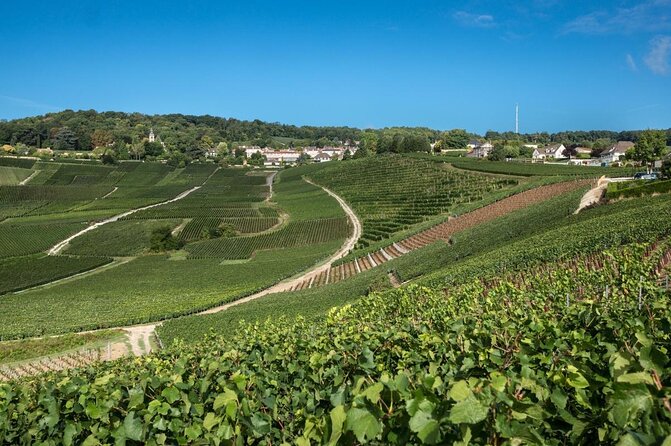
One of the early treats is the drive along Avenue de Champagne—the UNESCO world heritage stretch that defines the look of Epernay. Even if you’ve seen it in photos, it hits differently in person, and it helps you place what you’re going to learn later about how houses operate at different scales.
Practical tip: wear comfortable shoes. You’ll do short walks, and you’ll want to stop for photos when views show up.
Hautvillers and Abbaye Saint-Pierre: Dom Pérignon’s footprint
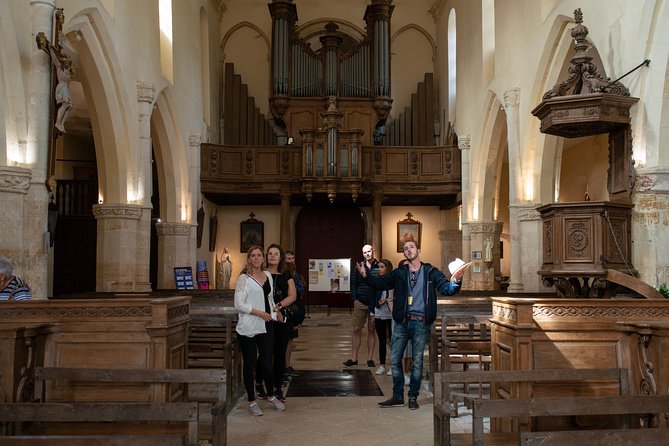
The first scheduled stop is Abbaye Saint-Pierre d’Hautvillers, tied to the UNESCO village of Hautvillers. You’ll have about 45 minutes here, including admission, which is just enough time to absorb the setting without feeling like you’re on a museum leash.
Hautvillers matters because it’s connected to Dom Pérignon, whose burial site is associated with the church in the area. The point of this stop isn’t to turn you into a Champagne historian; it’s to give you a location-based understanding of how the reputation of Champagne developed and how people in this region think about tradition.
You’ll also get charming village energy: stone buildings, classic village streets, and photo-worthy angles. In other words, it’s not only about Champagne. It’s about why this region became famous in the first place.
Ay-Champagne: tastings and a Champagne-paired lunch
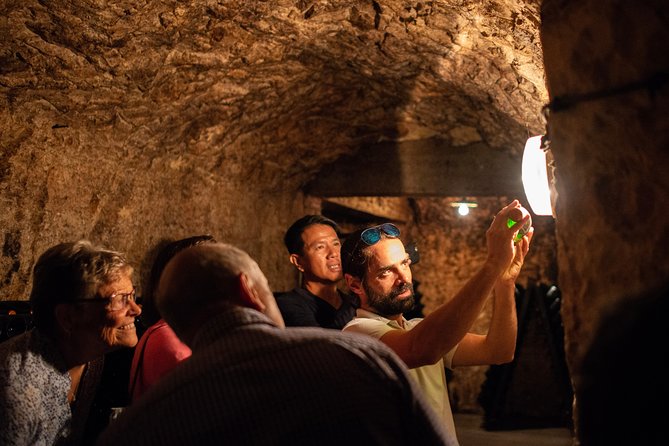
After Hautvillers, the day’s core “treat-yourself” block is in Ay-Champagne, where you’ll spend about 2 hours 30 minutes. This is when the tour shifts from landmarks to the taste-and-learn part.
Here’s what makes this stop valuable: lunch is included and paired with a selection of Champagnes. Food changes everything about Champagne. With the right bites in front of you, you can notice how acidity sharpens, how bubbles feel with different textures, and how certain styles handle savory flavors better than others.
This is also the moment when the guide’s teaching style really matters. Past guests consistently praised guides for making the process understandable without turning it into a lecture. I’ve seen names like Tom, Chloe, Mikael, Manon, and Emelie tied to that exact vibe—friendly, structured, and fun.
What to expect in real life: the tastings will feel guided, but not stiff. You’ll be able to ask basic questions like what to look for in taste, and you’ll get context for why one bottle feels drier or rounder than the next.
A small producer in Champagne-Ardenne: where questions get answered
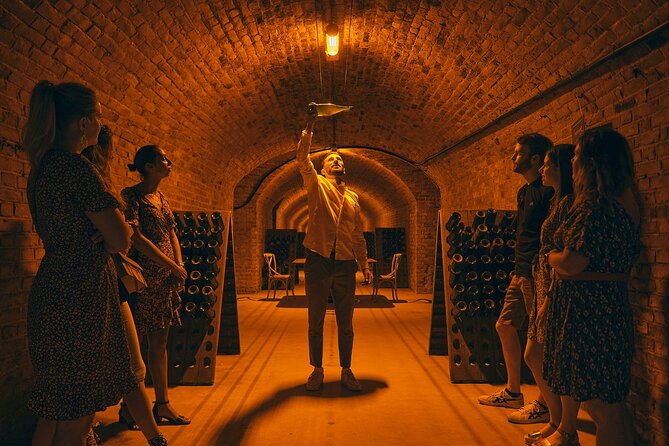
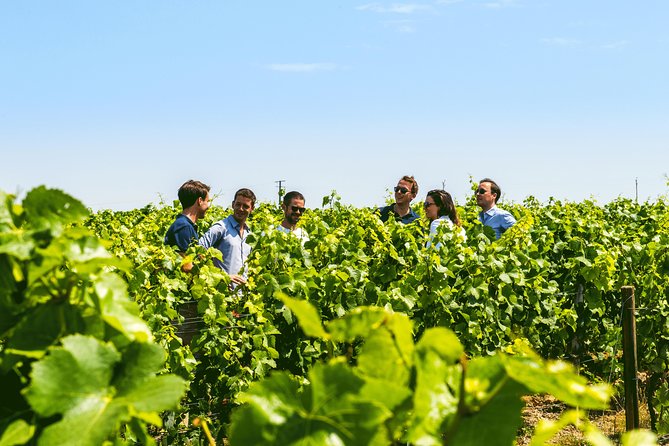
After lunch, you’ll visit a small Champagne producer in the Champagne-Ardenne area. This portion runs about 1 hour 30 minutes and includes a visit plus a tasting.
This stop is the one I’d prioritize for anyone who wants to go past the big brands. Small houses are usually where you can better understand decisions: how they approach production, why they emphasize certain grape qualities, and how their style differs from larger commercial lines. Even if you don’t consider yourself a wine expert, this is the segment that helps you feel like you can actually compare.
Some guests have mentioned cellars and underground cave spaces during similar producer visits, and that’s the kind of setting that makes the process feel physical—cool air, the smell of stone, and the sense that time is the real ingredient. You might see something like that here depending on the producer, but the core point stays the same: you’re tasting in context, not out of a showroom.
What 5 tastings plus lunch means for your palate
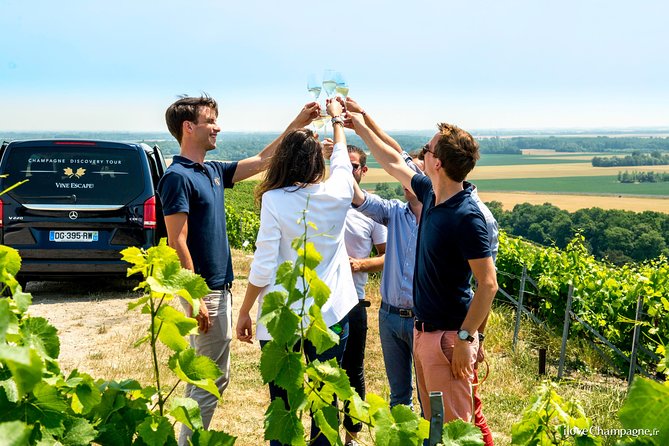
A lot of Champagne tours give you one big flight and call it a day. This one gives you five Champagne wines tasted plus lunch. That ratio matters, because it gives you enough variation to form preferences without overwhelming you.
Here’s how I’d think about the tasting strategy while you’re there:
- Take notes mentally. Which bottles feel crisp? Which feel more rounded?
- Pay attention to how Champagne behaves with food. Bubbles can make sauces feel lighter and fruit flavors pop.
- Don’t chase the fanciest bottle. Often the most interesting one is the one that surprises you when you taste it alongside lunch.
Because the tour is designed around learning and pairing, you’re not just drinking. You’re training your senses to notice small differences. That’s why the guides get such strong praise—people are leaving with a more confident idea of what they like.
Group size and guide quality: why this tour gets such strong scores
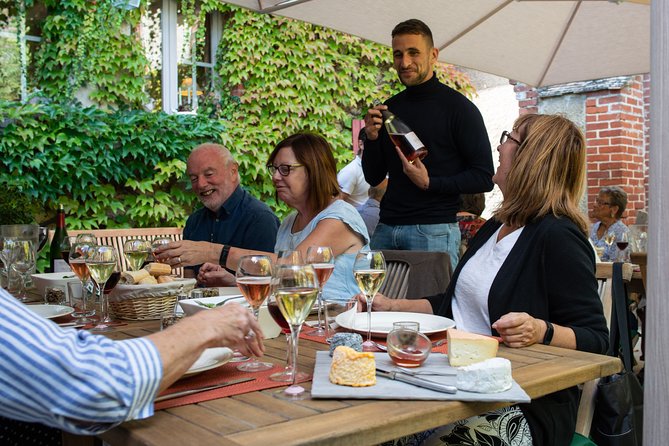
This is a shared tour with a maximum of 8 people, and that small size changes the entire feel. In a larger group, guides have to rush. In a group this size, you can ask follow-ups and get answers that actually fit your question.
Guide quality shows up again and again in the feedback, and you’ll see many different names praised: Suzanne, Tom, Jérôme, Chloé, Manon, Perrine, Mikael, Xavier, Martin, Emelie, and others. The common thread is the same: people appreciated the mix of history, how Champagne is made, and a relaxed pace at each stop.
Also, pairing you with fellow guests can be a plus or a neutral. On one tour, a solo guest was matched with two compatible people and had a great time. The takeaway for you: if you’re traveling solo, don’t assume this will feel awkward. The format is built for conversation.
Price and value: what $260.01 buys you
At $260.01 per person for roughly 5 hours, you’re paying for more than Champagne pours. You’re paying for:
- A guided route through key Champagne landmarks
- Lunch with a Champagne pairing
- Multiple tastings throughout the day (5 wines included)
- Access to family-run producer spaces, not just a tasting room
If you compare this to piecing things together on your own, the value becomes clearer. You’re outsourcing driving, scheduling, and the translation of what you’re seeing into something you can actually understand. Add in that lunch is included, and the price starts to look less like “drinking cost” and more like a full, organized afternoon in the region.
One extra value factor: your schedule is timed for the day you’re there. You don’t have to guess where to go first, what to skip, or how to fit everything into a short visit.
Who should book this Epernay Champagne small-group tour
This is a strong match if you want:
- A guided first look at Champagne in Epernay and nearby villages
- Several tastings without feeling like you’re drinking in a rush
- A lunch that’s part of the experience, not a separate hunt for food
- A small group so you can talk, ask questions, and get explanations tailored to your pace
It’s also a good option if you’re not staying directly in Champagne all week. Epernay is the right base for a day like this, and several guests have mentioned using the train from Paris to Epernay as a straightforward approach.
Two “make sure” notes from the tour info:
- It’s not compatible with children under 10, and children must be with an adult.
- No animals are accepted on tours.
My decision checklist: should you book?
Book it if you want a structured, high-value afternoon where Champagne is paired with real context: village history, famous-area views, and a stop at a smaller producer where questions make sense.
I’d skip or rethink it if you’re hoping for unlimited flexibility or extra time at shops. The tour runs from 12:00 to 4:45, so you’ll likely need to plan any shopping before or after your tour day.
If you want Champagne with explanations, lunch included, and a group size that feels human, this one is an easy yes.
FAQ
How long is the Champagne tour?
The tour runs for about 5 hours.
Where do I meet the guide?
Meet at the Office de Tourisme d’Epernay en Champagne, 7 Av. de Champagne, 51200 Épernay.
What time does the tour start and end?
It starts at 12:00 pm and ends back at the meeting point at about 4:45 pm.
What’s the group size?
The tour is shared with a maximum of 8 people.
How many Champagne tastings are included?
You’ll taste 5 Champagne wines during the day.
Is lunch included?
Yes. Lunch is included, and it is paired with Champagne.
Is hotel pickup included?
No. Hotel pickup is not included. The tour includes pickup and drop-off in Epernay.
Is the tour in English?
Yes, the tour is offered in English.
Are children allowed?
Children must be accompanied by an adult, and the tour is not compatible with children under 10 years old.
What is the cancellation policy?
You can cancel for a full refund up to 24 hours in advance of the start time. If you cancel less than 24 hours before, the amount paid is not refunded.