REVIEW · EPERNAY
From Reims: Champagne and Family-Run Wineries Tour
Book on GetYourGuide →Operated by À la Française Champagne ! · Bookable on GetYourGuide
Champagne tastes better when you meet the people behind it. This Reims-to-Champagne afternoon gives you two family-run winery visits plus real village time in Hautvillers. You’ll also get the Dom Pérignon church stop and big Champagne-country viewpoints—without rushing.
What I like most is the mix of craft and context. You’re not just sampling bottles; you’re learning why Champagnes taste the way they do, with three tastings at each producer. I also love the small group setup (max 8), which keeps the guide’s attention on your questions.
The one downside to plan around is practical: the van ride can feel tight when the group is full, and Champagne cellars run cold (around 10°C). Bring a jacket and comfortable shoes, or the experience can feel more chilly than celebratory.
In This Review
- Key things that make this tour worth your time
- Reims at 2:00 pm: the easy launch point
- Hautvillers and Dom Pérignon’s church: where the story becomes physical
- Two family-run wineries: three tastings each, with real comparison time
- Cellars at 10°C: what to expect and how to dress
- UNESCO vineyard stop: the views are part of the lesson
- The minivan experience: small group comfort, with one tradeoff
- Tasting smart: how to enjoy six Champagnes without losing the plot
- Price and value: what you’re really paying for at $147
- Who should book this tour (and who should skip it)
- Should you book this Reims Champagne and family-wineries tour?
- FAQ
- How long is the tour?
- Where exactly do I meet the guide?
- How many wineries and tastings are included?
- Is lunch included?
- What should I bring?
- Is the tour suitable for children or wheelchair users?
Key things that make this tour worth your time
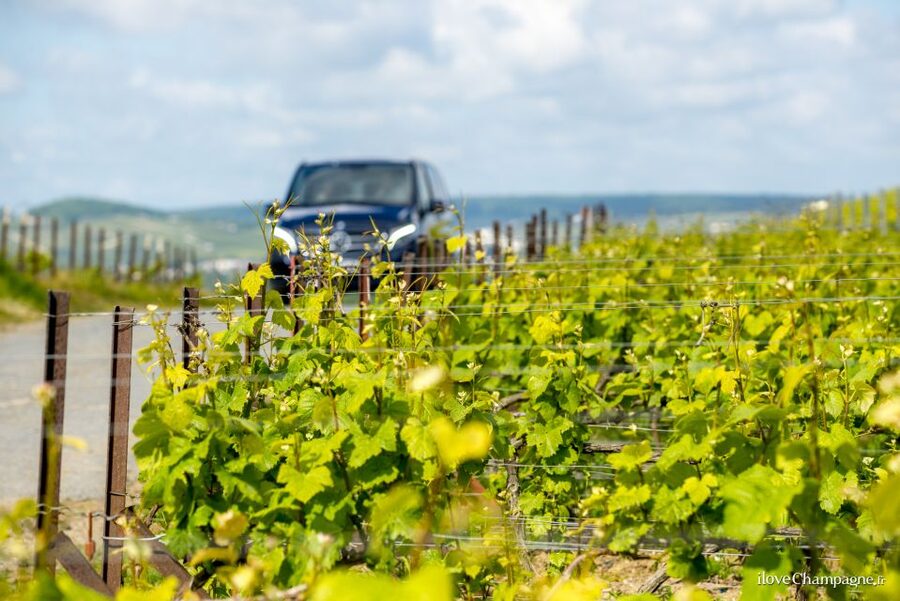
- 6 tastings across 2 family producers: three pours at each winery, so you can compare styles on the spot
- Hautvillers + Dom Pérignon’s church: history you can actually see, not just read about
- UNESCO vineyard stop for views: photo time and a sense of where the grapes really come from
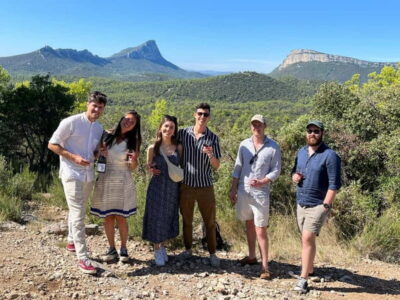
- Small group size (up to 8): a quieter experience, better for questions and conversation
- English-speaking local guides: guides like Chloe, Etienne, Anne, and Jerome are praised for clear explanations and humor
- Cold cellars: you’ll tour underground spaces where the temperature is consistently around 10°C
Reims at 2:00 pm: the easy launch point
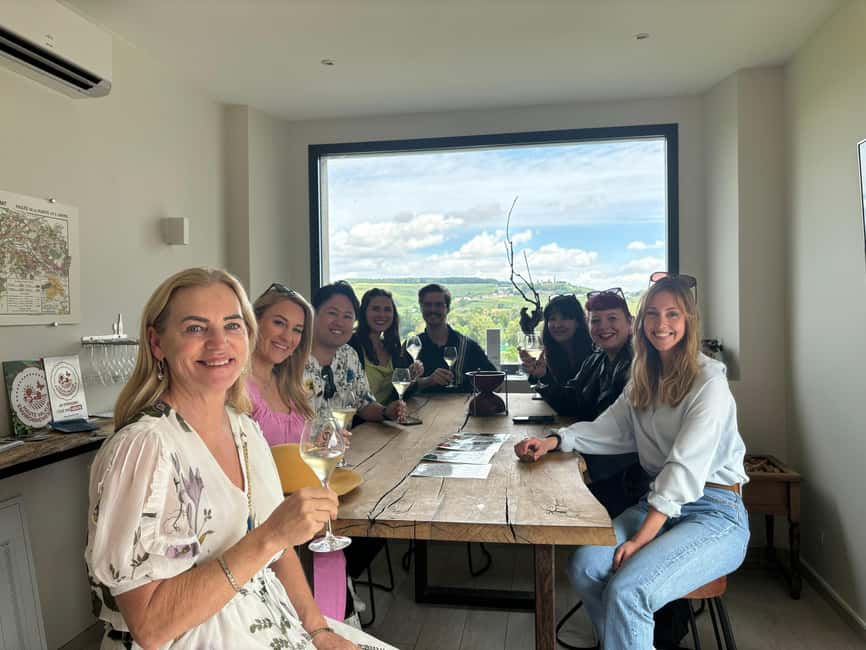
Reims is a smart place to start because it’s central to the Champagne story and easy to reach by train. Meeting at the tourist office just outside Reims Gare Centre (Cour de la Gare) keeps things simple: you step out, find the group, and you’re rolling by mid-afternoon.
The timing also works well for day-planning. You avoid the earliest morning scramble, but you’re still done in time for dinner back in town. The tour runs about 270 minutes, with a clear end back near Reims Gare Centre at around 6:30 pm.
One practical note: there’s no hotel pickup. If you’re staying outside the city center, make sure you can get to Reims Gare Centre comfortably before 2:00 pm.
You can also read our reviews of more wine tours in Epernay

Hautvillers and Dom Pérignon’s church: where the story becomes physical
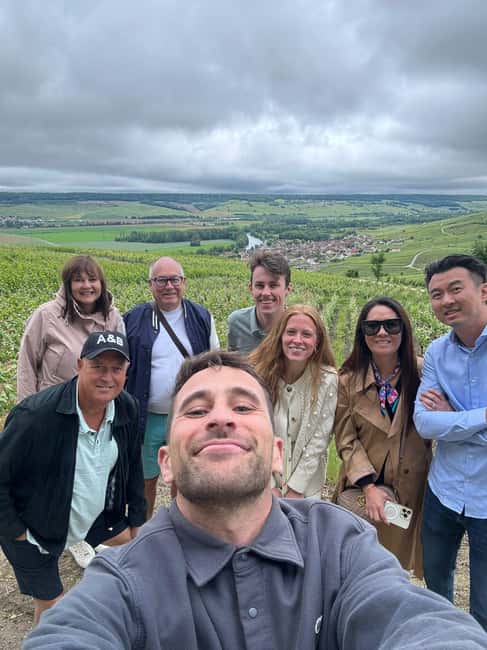
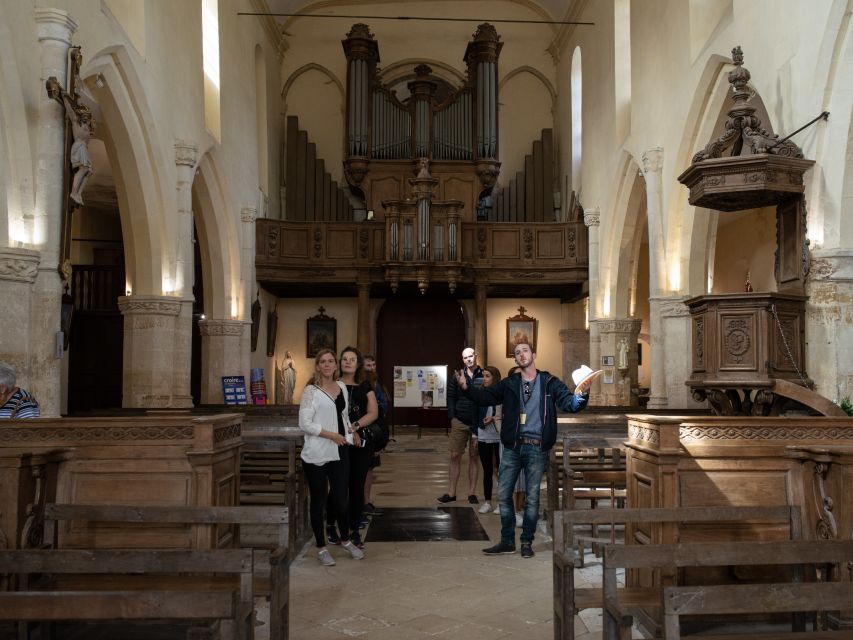
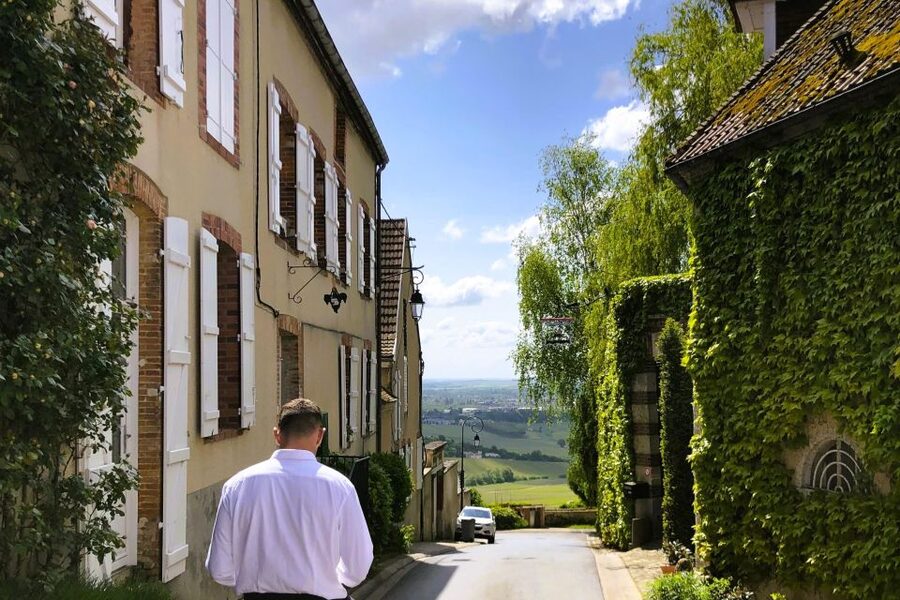
Hautvillers is the kind of Champagne village you understand faster in person than in a book. You get about 45 minutes for sightseeing and village time, which is enough to soak in the atmosphere and slow down before the tastings.
The big moment here is visiting the church where Dom Pérignon is buried. Whether you’re a Champagne nerd or just curious, it adds weight to everything you’ll taste later. It’s not abstract history. It’s a real stop that ties the modern bubbles to the early reputation-building of the region.
This is also where you’ll likely start thinking beyond flavor. You begin connecting grapes, methods, and tradition to place. And if you’ve ever wondered why Champagne is both tightly controlled and deeply individual, this village stop helps the answer click.
Two family-run wineries: three tastings each, with real comparison time
The heart of this tour is tasting at two family-run Champagne producers. You spend about 1.5 hours at each winery, and the tastings are built to let you compare.
At each producer, you’ll do three tastings of their signature Champagnes. That’s six distinct Champagnes total. For me, this is the sweet spot. It’s enough variety to notice patterns (brut vs. fuller styles, fresher profiles vs. more rounded ones), but it doesn’t turn into a blur of similar pours.
Here’s why the family-run focus matters: you’re more likely to get explanations that are practical and grounded in day-to-day decisions. In interviews with owners and makers (when available during the visit), you often get a clearer sense of what they’re aiming for in the glass—because it’s coming from the people doing the work.
You should also expect a traditional-production walk-through. The tour is designed around the traditional Champagne method, so you’ll hear how grapes become still wine first, then how the wine becomes Champagne through the process that adds carbonation in bottle.
Cellars at 10°C: what to expect and how to dress
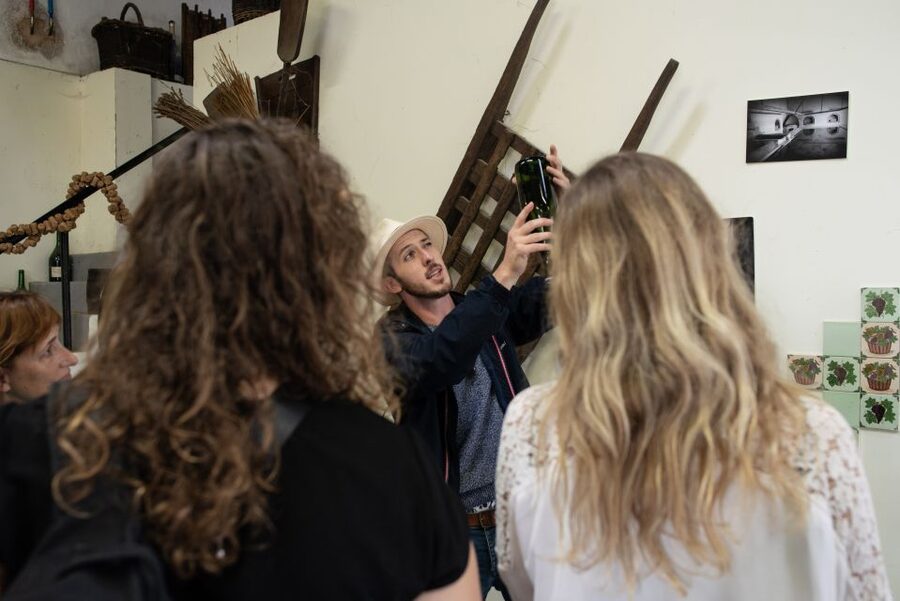
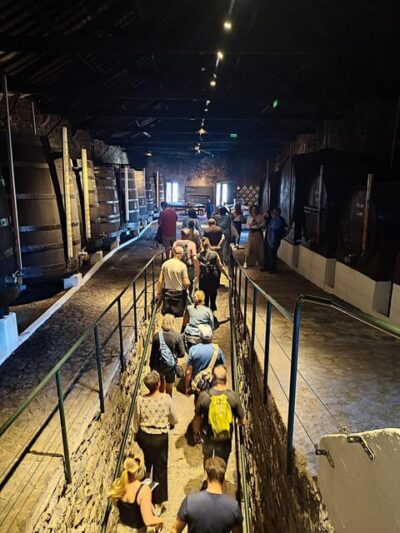
Champagne cellars are cool on purpose. The tour notes that the cellar temperature averages around 10°C, which is exactly what you’ll feel once you step inside.
This is not a detail to ignore. If you run cold easily, the tasting experience can suffer because you’re fighting the chill. I’d treat this as part of the planning, not a surprise.
What to bring:
- a light jacket or warm layer for cellar time
- comfortable shoes for walking at wineries and in village areas
- (optional) a small scarf if you’re sensitive to cold
Also, remember that cellars tend to be dim and echo-y. If you’re prone to losing conversations in noise, position yourself near the guide when possible. It’ll make the explanations—especially the differences between the bottles you’re tasting—stick better.
UNESCO vineyard stop: the views are part of the lesson
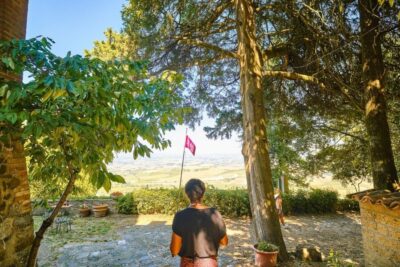
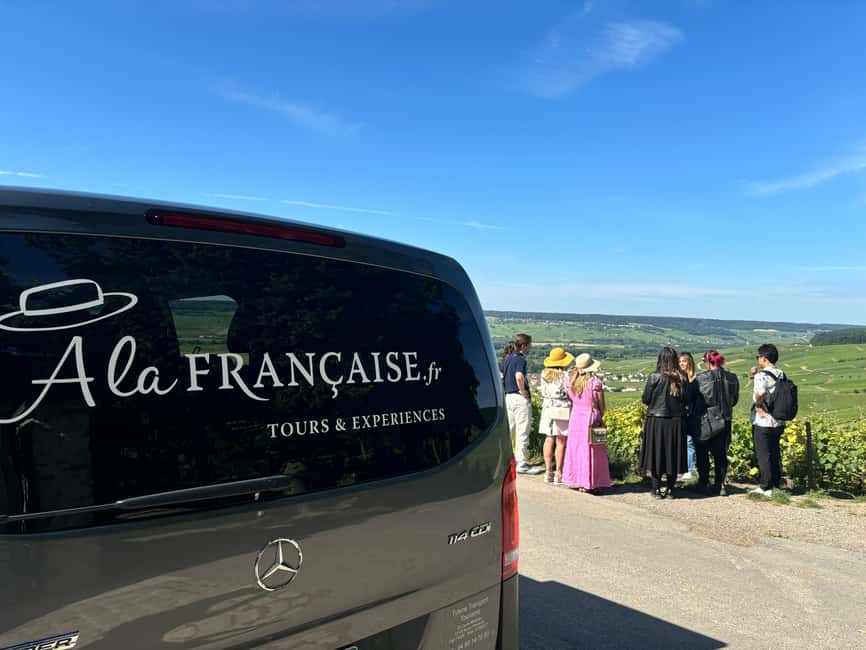
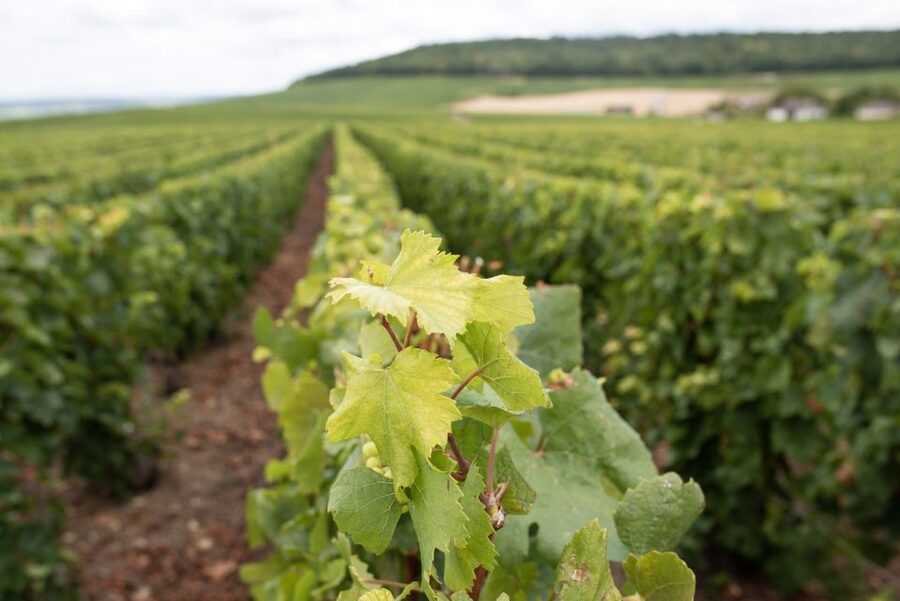
Between your historic village time and winery tastings, you’ll stop at the UNESCO vineyard area of Champagne. Even if you’re not chasing Instagram photos, this stop matters.
It’s the moment where Champagne stops being “bottles” and becomes “terrain.” Seeing the slopes and the scale of vineyard farming helps you understand why Champagne is so particular about where grapes are grown. You begin to appreciate why small changes in sun, wind, and soil can show up later as differences in aroma, texture, and finish.
This is also a nice breather. You get a bit of open-air time, so when you return to the cellars, the whole schedule feels balanced instead of stuck in a room.
The minivan experience: small group comfort, with one tradeoff
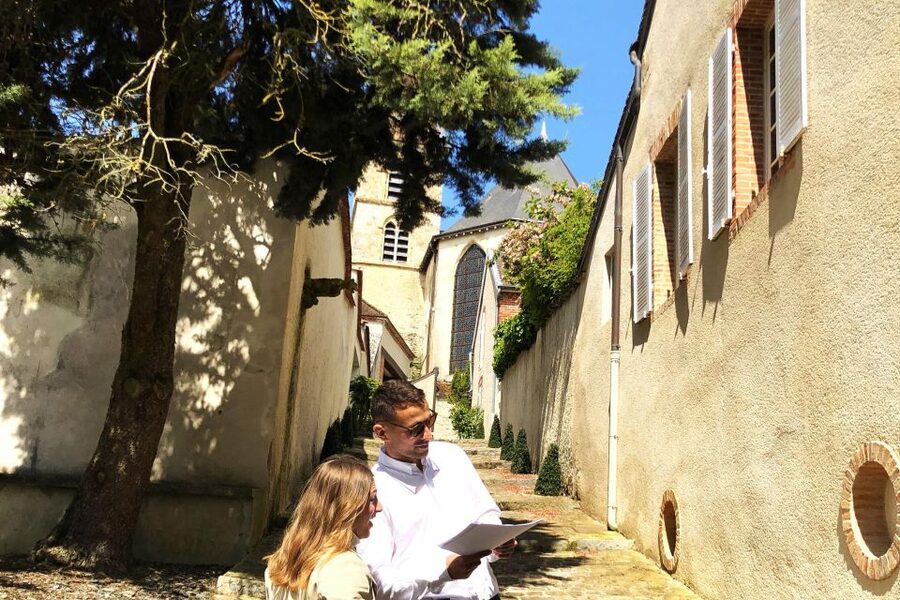
Transport is by air-conditioned minivan, and the small-group limit (up to 8) is a big part of the appeal. A quiet van makes it easier to hear the guide, and it encourages natural conversation instead of a free-for-all.
Still, the tradeoff is space. Some groups note that when the van is full, seating can feel snug. This is normal for vehicles designed to run multiple stops in a tight schedule, but it’s worth knowing up front.
My practical take: wear layers you can adjust to. Air-conditioning in vehicles can feel strong, and you’ll be moving between warm outdoor light and cold cellars.
Tasting smart: how to enjoy six Champagnes without losing the plot
Six Champagnes in one afternoon sounds fun—and it is. But without a quick plan, it can become hard to remember what you actually liked.
Here’s how I’d approach it:
- Think in pairs: compare the three pours at the first winery, then compare the first winery’s best match with the second winery’s best match.
- Pay attention to what changes bottle to bottle: brightness, fullness, length of finish, and how dry or creamy it feels.
- Ask the guide to explain differences in plain language. This tour is set up for learning, and a good guide makes the method and styles connect fast.
One reason the guide matters here: the tastings aren’t random. The tour is structured to build understanding of the Champagne production steps and the styles the producers aim for. Guides including Chloe, Etienne, Anne, and Jerome are repeatedly praised for clear explanations and an engaging pace, so you’re not just being herded from glass to glass.
Also, pace yourself. You don’t have to rush each pour, but don’t overthink it either. The goal is discovery, not a sommelier exam.
Price and value: what you’re really paying for at $147
At $147 per person, this tour isn’t a bargain bus ride. But it also isn’t just paying for transportation and a quick taste.
Your money covers:
- an English-speaking local guide
- Reims pickup/drop-off near Gare Centre
- air-conditioned minivan transport
- entrance fees to the winery visits and tastings
- six tastings total (three per family producer)
- visits connected to Champagne history and place: Hautvillers and Dom Pérignon’s church, plus the UNESCO vineyard area
The best value angle for me is the tasting structure. Six separate Champagnes, at two different family-run producers, is enough variety to learn your own preferences. That’s more useful than a single tasting flight where every pour can blur together.
If you’re the type who likes to buy one or two bottles you’ll actually enjoy later, this kind of guided comparison can pay off. It helps you choose based on what you learned in the cellars, not just what looked good on a shelf.
Who should book this tour (and who should skip it)
This tour is a great fit if:
- you want Champagne education without a classroom vibe
- you like small groups and a bit of conversation
- you’re excited to compare styles by tasting six different Champagnes
- you want a real historic stop at Hautvillers and Dom Pérignon’s burial church
It’s not suitable for:
- children under 12
- wheelchair users (not set up for that)
- shared-tour situations that allow animals (animals are not allowed)
If you’re traveling with a tight schedule, the afternoon timing is also a plus. It gives you Champagne without eating your whole day.
And one more head-check: the tour requires a minimum of 2 participants. If you’re booking solo, you should expect the provider to contact you if the minimum isn’t met, with options to reschedule or refund.
Should you book this Reims Champagne and family-wineries tour?
I’d book it if you want an afternoon that feels both celebratory and grounded. The schedule hits the right notes: Hautvillers and Dom Pérignon’s church for meaning, two family wineries for hands-on Champagne method learning, and six tastings that actually help you sort what you like.
Skip it if you hate cold cellars, dislike snug van seating, or you want a more flexible stop-by-stop plan. This is a structured tour with visits designed to fit together, not a freewheel day.
If you’re based in Reims or can get to Gare Centre easily, the meeting point setup makes the day smooth. Bring your jacket, wear comfy shoes, and treat the tasting as a guided comparison. That mindset is how you’ll get the most out of the money and the bubbles.
FAQ
How long is the tour?
The tour lasts about 270 minutes, starting at 2:00 pm and ending back at Reims Gare Centre at around 6:30 pm.
Where exactly do I meet the guide?
Meet outside Reims city center train station at the tourist information office, Cour de la Gare, 51100 Reims. Take the exit labeled Reims Centre when leaving the station.
How many wineries and tastings are included?
You visit 2 family-run Champagne wineries and have 6 tastings total, with 3 tastings at each winery.
Is lunch included?
No. Lunch is not included, and you’ll need to plan food separately.
What should I bring?
Wear comfortable shoes. Cellar temperatures average around 10°C, so bring a jacket. Animals are not allowed on shared tours.
Is the tour suitable for children or wheelchair users?
It’s not suitable for children under 12, and it is not suitable for wheelchair users.