REVIEW · FLORENCE
Florence: Tuscan cooking class with handmade pasta and wine
Book on GetYourGuide →Operated by Cooking Class Signoria - Firenze · Bookable on GetYourGuide
Fresh pasta in Florence beats another museum hour. In this hands-on 3-hour class, you learn to shape and cook multiple types of handmade pasta right in the historic center. It’s the kind of foodie activity that feels casual, but you leave with real skills you can repeat at home.
I love that the teaching is step-by-step and beginner-friendly, with a professional chef guiding you from dough to shaping and finishing. I also like that you don’t just watch and taste—your group makes the pasta, then sits down to eat everything you made with Tuscan wine (or a non-alcoholic drink).
One drawback to plan for: because it’s in a working restaurant kitchen, the “meet up and find the place” part can take a minute, especially if you’re arriving right at start time.
In This Review
- Key highlights you’ll actually care about
- Handmade Pasta in Florence: why this feels different from a food tour
- Where you’ll cook: near Signoria and Santa Croce
- Your 3-hour flow: from dough to ravioli, tortelli, and pappardelle
- Start with fresh pasta dough (the foundation step)
- Ravioli: the stuffed pasta skill
- Tortelli: learning another stuffed format
- Pappardelle: the wide noodle payoff
- Cooking and seasoning: what you learn ends up on your plate
- The wine-and-dinner moment: the part you remember later
- A common bonus: tiramisu
- Your chef: why Leon, Dino, Rudy and Mamood show up in the praise
- Price and value in Florence: what $34 actually buys you
- Who this class is best for (and who might not love it)
- Tips so you leave with pasta skills, not just photos
- Arrive ready to work
- Ask about the dough feel
- Watch the finishing step closely
- Don’t skip the tasting feedback
- If you’re doing tiramisu
- Should you book this Florence pasta class?
- FAQ
- What’s the duration of the Florence pasta class?
- What types of pasta will I make?
- Is wine included?
- What’s the location like?
- What do I need to bring?
- What languages are offered?
- Is the class suitable for children?
- Is it accessible for wheelchair users?
- Can I cancel for a full refund?
- Are pets or smoking allowed?
Key highlights you’ll actually care about
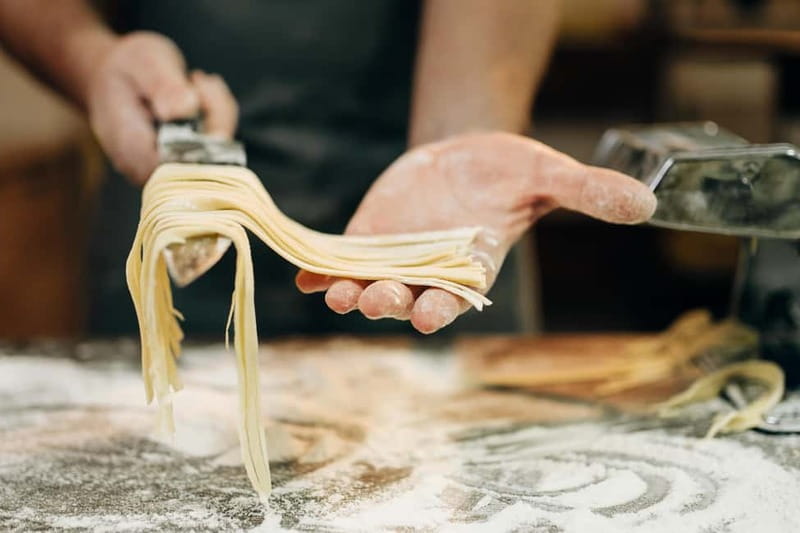
- 3 fresh pasta shapes: ravioli, tortelli and pappardelle (the class builds the skills in a logical progression)
- Hands-on prep: you make the dough and shape the pasta, not just assemble a plate
- Wine included with dinner: Tuscan wine plus drinks to keep the vibe relaxed
- Historic-center location: between Piazza della Signoria and Basilica di Santa Croce
- Chef energy that matches beginners: frequent praise for patience and humor from instructors
Handmade Pasta in Florence: why this feels different from a food tour
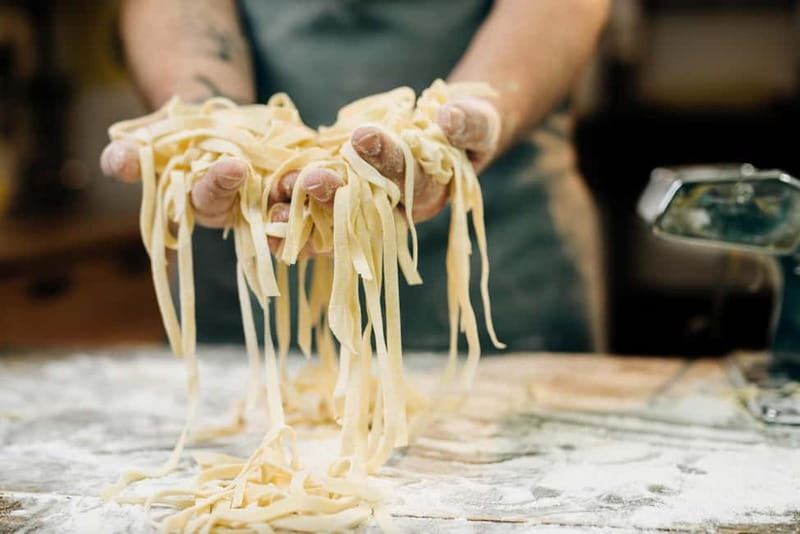
Florence is famous for art, but food is where you get the hands-on story. This cooking class gives you the practical stuff: how dough changes when it’s right, how filling behaves inside pasta, and how different shapes cook in subtly different ways.
What I like most is the mix of structure and freedom. A chef shows you what to do, then you do it. You learn the why behind the moves—like how thickness affects texture, or how you handle seams so ravioli doesn’t spring a leak later.
Also: you’re not just paying for a meal. You’re paying for a guided skill session that ends with you eating the results, usually in a proper seated, restaurant-style moment.
You can also read our reviews of more cooking classes in Florence
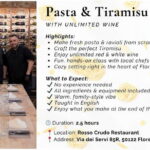
Where you’ll cook: near Signoria and Santa Croce
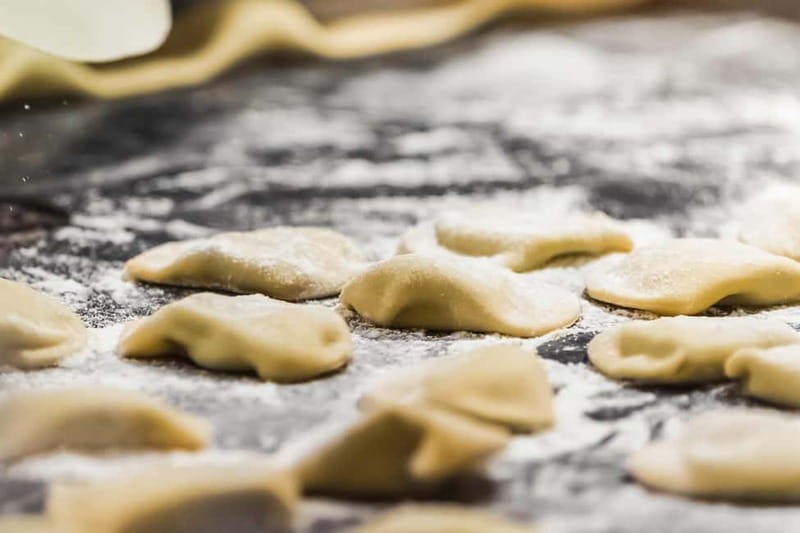
The kitchen is in Florence’s historic center, a walkable area between Piazza della Signoria and Santa Croce. That location matters because it makes the class easy to plug into a day of walking—no long transfers, no complicated logistics.
Practically, though, this is still a real neighborhood and a real restaurant setup. One thing you should do: arrive a bit early, and bring the address or meeting instructions on your phone. A few people noted it was a touch confusing to find at first, even though the experience itself was smooth once they arrived.
Dress code is comfort-first: keep it simple with clothes you can move in. Bare feet aren’t allowed, so go with closed-toe shoes even if you’re tempted to go casual.
Your 3-hour flow: from dough to ravioli, tortelli, and pappardelle
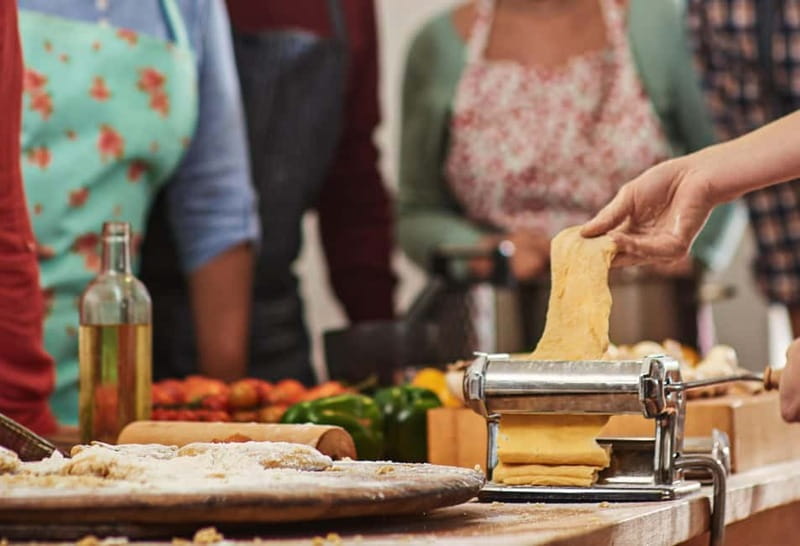
This class runs about 3 hours, and the pacing is designed so you don’t feel rushed. You’ll work in stages: dough first, then shaping, then cooking/finishing steps, then eating.
Start with fresh pasta dough (the foundation step)
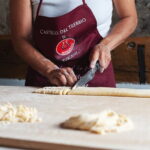
You begin by learning how to make the dough from scratch, with the chef coaching you through the texture you’re aiming for. This is where most home cooks gain confidence fast—because once you understand what the dough should feel like, everything else gets easier.
The big value here: you’re not copying a vague recipe. The instruction is meant to be repeatable. You’ll learn what to look for, not just what to measure.
Ravioli: the stuffed pasta skill
Next comes ravioli, the delicate, stuffed shape that rewards careful handling. You’ll make the filling and portion it, then form the pasta and seal each piece.
Ravioli is where technique shows. If your dough is too thick, the bite feels heavy. If your seal is weak, you lose filling in the pot. This class teaches the seam-and-pressure basics so you can get results even if you’re new to pasta.
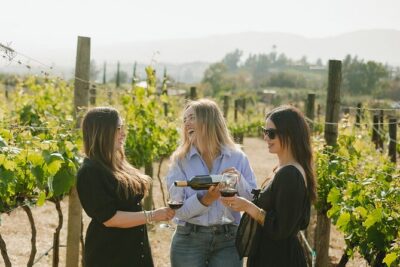
You can also read our reviews of more wine tours in Florence
- Tuscany Day Trip from Florence: Siena, San Gimignano, Pisa and Lunch at a Winery
★ 5.0 · 21,634 reviews

Tortelli: learning another stuffed format
Then you shift to tortelli. The goal isn’t just variety for variety’s sake. You’re learning how a second stuffed shape behaves—how you portion, fold, and finish differently than ravioli.
This step is great if you like variety and want to understand how small changes in shape can change cooking and presentation.
Pappardelle: the wide noodle payoff
Finally, you make pappardelle, the wide, soft ribbon-style pasta. Compared to stuffed pasta, it’s more about rolling/handling and getting consistent thickness and width.
Pappardelle is often a relief for beginners because it’s less fussy than sealing stuffed pieces. It also tends to hold sauces well, which helps your meal taste extra “real Italian” instead of home-kitchen decent.
Cooking and seasoning: what you learn ends up on your plate
By the time you reach the end, you’ll taste the pastas you helped create. In some versions of the session, chefs finish cooking and seasoning for you so you can focus on the hands-on learning and then enjoy the meal together.
Either way, the class is built so you don’t spend the whole time only shaping. You get to see how the pasta becomes dinner.
The wine-and-dinner moment: the part you remember later
This is a cooking class, not a classroom. You’ll eat what you make, paired with Tuscan wine and drinks.
That matters because pasta is one of those foods where you only truly understand it after you taste it. You’ll notice differences immediately—like how the dough held up, whether the pasta is tender but not mushy, and how the sauce clings to the shape.
Even better, the atmosphere stays relaxed. People repeatedly describe the class as low-key and fun, not stiff or intimidating. It’s the kind of evening where you end up talking with the group while your food is being finished.
A common bonus: tiramisu
While the official focus is pasta, a number of the instructors in this program are also credited with teaching tiramisu as part of the experience. If your session includes it, you can expect a sweet, set-and-serve style dessert that often happens alongside pasta work.
Even if you’re not a dessert person, you’ll likely enjoy the win of making it with guidance, then eating it while everything is still fresh.
Your chef: why Leon, Dino, Rudy and Mamood show up in the praise
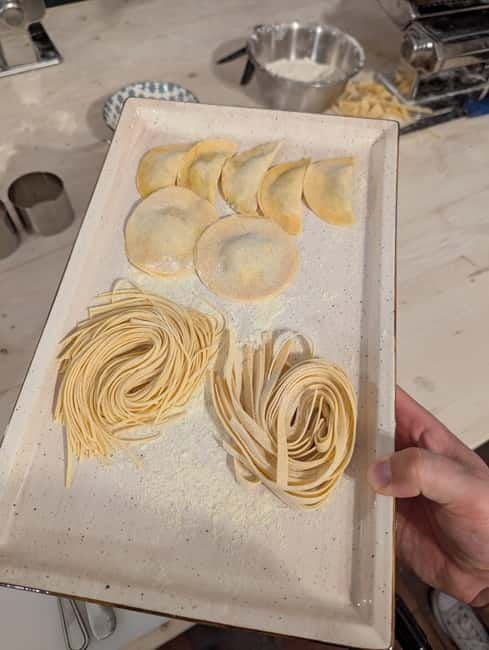
One reason this class earns a high rating is the way the teaching lands. The names showing up in feedback include Leon/Leo, Dino, Rudy/Rudi, and Mamood/Mahmood—and the common thread is patience and clear coaching.
You’ll feel it in small moments: how a chef corrects your grip without making you feel silly, how they explain timing, and how they help you fix a mistake quickly so you stay in the flow.
In practical terms, that’s what separates a good cooking class from a stressful one. If you’ve never rolled dough before, you need someone who can guide you through the first friction points. This program seems built for that.
Also, the humor shows up. Several people describe the vibe as joyful, with instructors who keep things entertaining while still teaching real technique. That’s not just “nice.” It’s useful, because a fun class helps you remember steps instead of forgetting them as soon as you get home.
Price and value in Florence: what $34 actually buys you
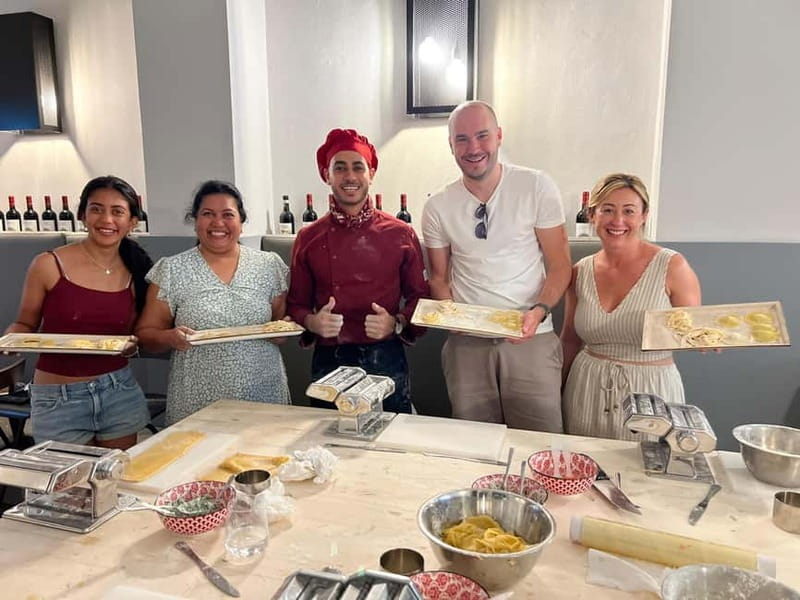
At about $34 per person for a 3-hour experience, this class is a strong value for Florence, where food experiences often cost more for less hands-on time.
Here’s what you’re getting for the money, in plain terms:
- A professional chef instructor
- All ingredients included
- Equipment provided
- Tuscan wine included
- You eat the dishes you make
So yes, you’re paying for an evening meal plus instruction, but the smarter part is the instruction. You’re not only tasting Florence—you’re learning how to recreate a portion of it at home: fresh dough, stuffed pasta basics, and sauce-friendly ribbon pasta.
Compared with a typical sit-down restaurant dinner, you also get more than one “course moment.” You get the process, the shapes, and the final plate. That combination is why the price feels fair.
Who this class is best for (and who might not love it)
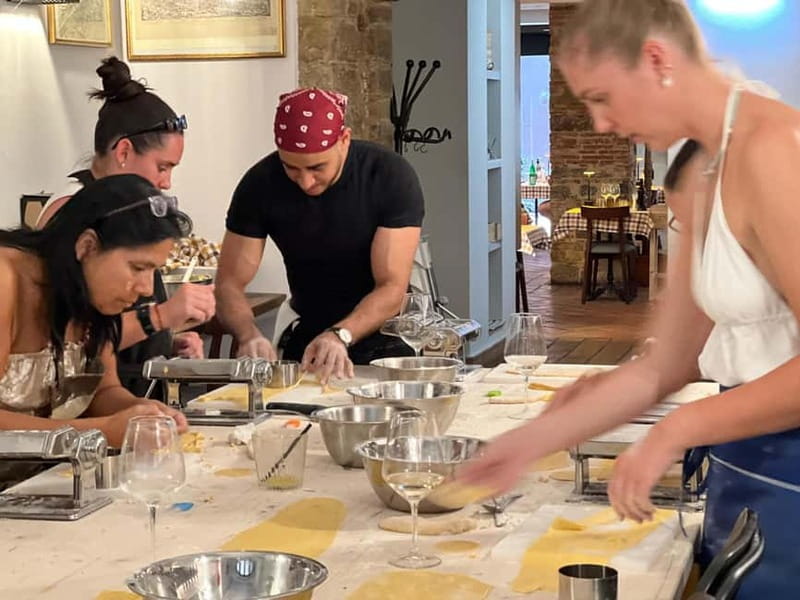
This is a great fit if:
- You want a hands-on Florence activity that isn’t another long line
- You enjoy cooking and want repeatable technique
- You’re a beginner and want someone to walk you through mistakes
- You want a social dinner experience without a formal tour structure
It may not be the best fit if:
- You’re looking for a silent, slow gourmet meal with zero participation
- You want a super fast “show me one pasta” experience (this is a full skill session)
- You’re traveling with anyone who needs a kids’ program (the class isn’t suitable for children under 18)
Also note the rules: pets aren’t allowed, smoking isn’t allowed indoors, and intoxication is not permitted. It’s meant to stay comfortable and focused in a working kitchen.
Tips so you leave with pasta skills, not just photos
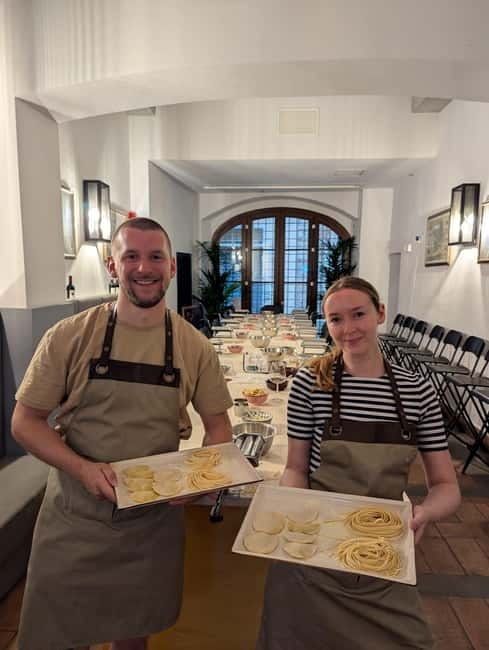
Here’s how to get the most out of your 3 hours.
Arrive ready to work
Go early enough to settle in. If you’re even a little late, you’ll feel it because pasta-making is time-sensitive. Bring your best “learn mode,” not your “I’ll watch” mode.
Ask about the dough feel
If you ask only one thing, ask about dough texture. Learn what the chef means by the right consistency, and you’ll be able to reproduce it later.
Watch the finishing step closely
The last steps—sealing, cooking, and sauce consistency—are often where homemade pasta becomes noticeably better. Pay attention when the chef explains why they do something a certain way.
Don’t skip the tasting feedback
You’ll eat everything you made. Use that moment to connect the lessons to the result. If a ravioli bite was a little tough, you’ll remember what thickness and timing felt like.
If you’re doing tiramisu
If your session includes tiramisu, note what gets assembled first and what needs time to set. The dessert is often a quick win because it rewards patience more than technique.
Should you book this Florence pasta class?
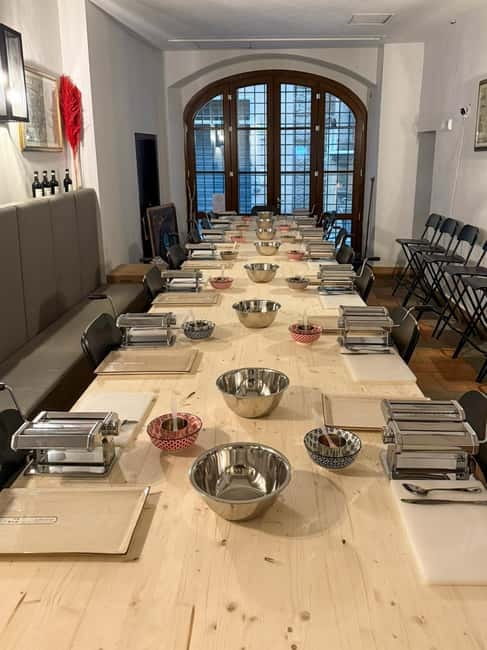
If you want an activity that combines skills, good food, and a relaxed evening, book it. The price-to-experience ratio is strong for Florence, and the repeat praise for patience and instruction matters if you’re truly new to pasta.
I’d especially recommend it if you’re tired of only sightseeing and want a memorable “I can do that at home” takeaway. And if you’re traveling with someone who loves food (or loves wine), the class format hits both hearts: hands-on cooking plus an end-of-night sit-down meal.
Only hesitation: if you dislike finding specific restaurant meet points or you prefer very structured, super-clear directions, plan extra time to locate the kitchen and arrive early.
FAQ
What’s the duration of the Florence pasta class?
The class lasts about 3 hours.
What types of pasta will I make?
You’ll prepare three types of fresh pasta: ravioli, tortelli, and pappardelle.
Is wine included?
Yes. Tuscan wine is included, along with drinks.
What’s the location like?
The class is in Florence’s historic center, just a few steps from Piazza della Signoria and the Basilica of Santa Croce.
What do I need to bring?
You don’t need to bring equipment. The ingredients and equipment are provided on site.
What languages are offered?
The instructor speaks English and Italian.
Is the class suitable for children?
No. It’s not suitable for children under 18.
Is it accessible for wheelchair users?
Yes, the experience is listed as wheelchair accessible.
Can I cancel for a full refund?
You can cancel up to 24 hours in advance for a full refund.
Are pets or smoking allowed?
Pets are not allowed (assistance dogs allowed). Smoking indoors is not allowed. Intoxication and alcohol/drug-related issues are also not permitted.
You Might Also Enjoy
More Wine Tours in Florence
- Tuscany Day Trip from Florence: Siena, San Gimignano, Pisa and Lunch at a Winery
★ 5.0 · 21,634 reviews
More Cooking Classes in Florence
More Tour Reviews in Florence
- Tuscany Day Trip from Florence: Siena, San Gimignano, Pisa and Lunch at a Winery
★ 5.0 · 21,634 reviews