REVIEW · FLORENCE
Florence: Pasta & Tiramisu Class with Unlimited Wine
Book on GetYourGuide →Operated by Ciaoflorence Tours & Travel · Bookable on GetYourGuide
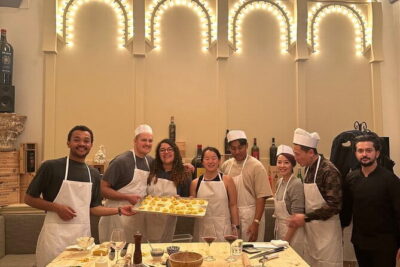
Homemade pasta in Florence feels like magic. You start at the Sant’Ambrogio market with your chef, pick ingredients like locals, then cook tagliatelle, ricotta-filled ravioli, and tiramisù from scratch at a real Tuscan trattoria. I especially like that this class turns cooking into something you can actually repeat at home, not just watch. I also love the unlimited house wine that makes the shared meal feel festive and relaxed. One thing to consider: it’s not recommended for celiac people, and kids under six can’t join.
If you want a break from staring at art all day, this gives you hands-on Florence—flour on your fingers, sauce on the spoon, and a table where everyone eats what they made. The chefs leading the class (you might meet names like Alain, Allan, David, Andrea, Gui, or Giulia) tend to be funny, patient, and focused on clear technique, which is exactly what you want when rolling pasta for the first time.
In This Review
- Key highlights worth circling
- Meeting at La Cucineria: where the class starts in real Florence
- Sant’Ambrogio market: the ingredient hunt you’ll actually remember
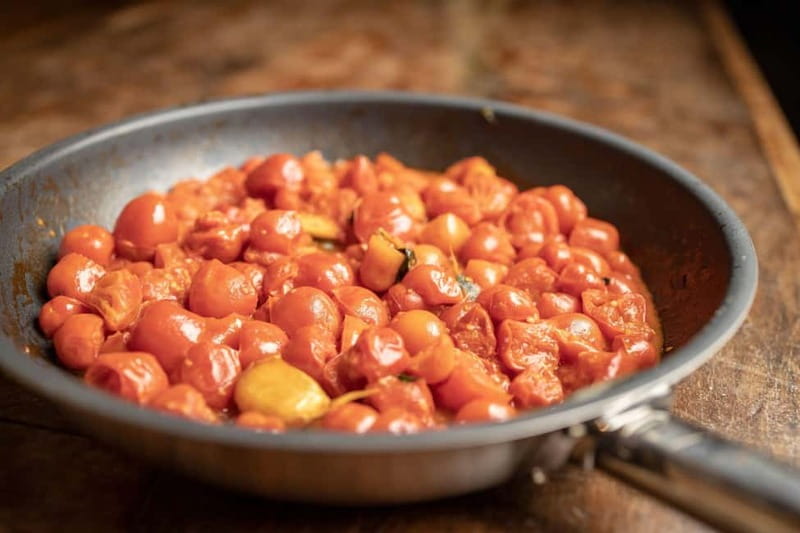
- The sauces first: ragù and tomato sauce set the tone
- Tagliatelle with Bolognese-style sauce: dough, rest, and the right thickness
- Ravioli filled with ricotta: shaping the pasta you’ll be proud to serve
- Tiramisu from scratch: the mascarpone cream is the real skill
- The lunch you make: unlimited wine, proper table time, and scarpetta moments
- Price and value: what $81 buys you in Florence
- Who should book this pasta and tiramisù class (and who should skip)
- Tips to get more out of your class
- Should you book it? My practical take
- FAQ
- What dishes do I learn to make?
- Is the Sant’Ambrogio market included?
- How long is the class?
- Is the class in English?
- Does it include wine?
- Is it good for beginners?
- Can they accommodate dietary allergies or intolerances?
- Is it suitable for celiac people?
- Are kids allowed?
Key highlights worth circling
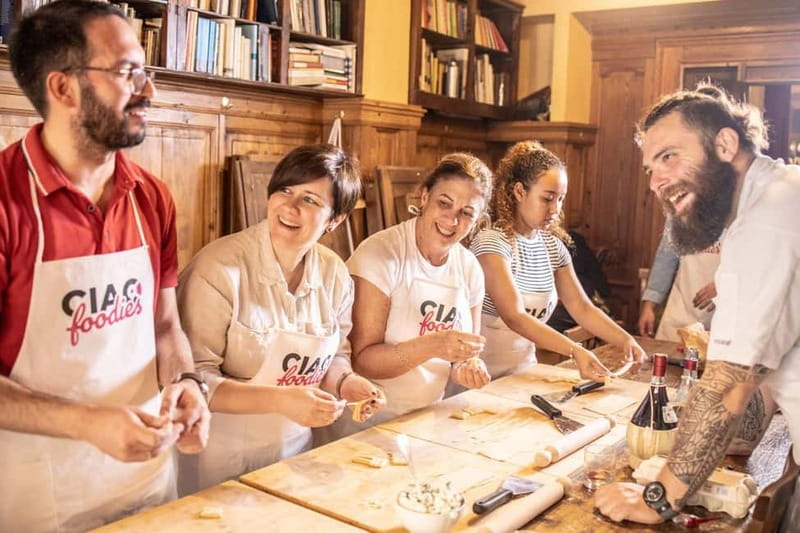
- Sant’Ambrogio market with a pro chef: Included only on the 9:00 AM shift (and not on Sundays or bank holidays when it’s closed).
- Fresh tagliatelle + classic ragù/tomato sauce: You learn how sauces set the pace, then how to build dough the right way.
- Ricotta ravioli from scratch: You shape stuffed pasta, not just assemble a finished version.
- Tiramisu technique while you wait for it to set: The mascarpone cream gets the attention it deserves.
- Small group, real trattoria setting: You sit down together and share the meal with wine.
- Graduation certificate: A fun little keepsake that makes the experience feel official.
Meeting at La Cucineria: where the class starts in real Florence
The action begins at the Ciaofoodies Hub at La Cucineria, on Via della Mattonaia 19r. It’s a practical meeting point for sightseeing because you don’t need a long transfer to reach it—this is the kind of activity that fits cleanly into a Florence day.
If you’re doing the morning market option, your chef leads you from here out to Sant’Ambrogio food market. If you’re doing an afternoon shift, you skip the market portion and go straight to the cooking in the kitchen setting. Either way, the flow is designed so you get a complete meal out of it: pasta, sauce, dessert, and wine.
One helpful tip: wear comfortable shoes. The market walk (when included) has you on your feet, and the kitchen time means you’ll be standing while kneading, rolling, and shaping.
You can also read our reviews of more wine tours in Florence
- Tuscany Day Trip from Florence: Siena, San Gimignano, Pisa and Lunch at a Winery
★ 5.0 · 21,634 reviews

Sant’Ambrogio market: the ingredient hunt you’ll actually remember
On the 9:00 AM shift, your experience includes a visit to Sant’Ambrogio grocery market with a professional chef. It’s not just a photo stop. The chef brings you through stalls to choose ingredients based on quality and how they perform in the recipes.
Sant’Ambrogio is known for good product at affordable prices, and the focus here stays on everyday essentials: fruit and vegetables, meat and salami, cheeses, and the ingredients that make Italian cooking taste like Italian cooking. You also get food and local product tasting, so you’re learning by doing, not by reading.
Timing matters: the market visit is included for the 9:00 AM shift and lasts about 3 hours 30 minutes. On Sundays and bank holidays, the market is closed, and that market component isn’t included for those dates/shifts. If you’re planning a Sunday, choose your shift accordingly so you don’t feel like you’re missing the centerpiece.
This market start is one of the most praised parts of the experience because it gives you context. When you later make sauces or ricotta filling, you understand what you’re choosing and why.
The sauces first: ragù and tomato sauce set the tone
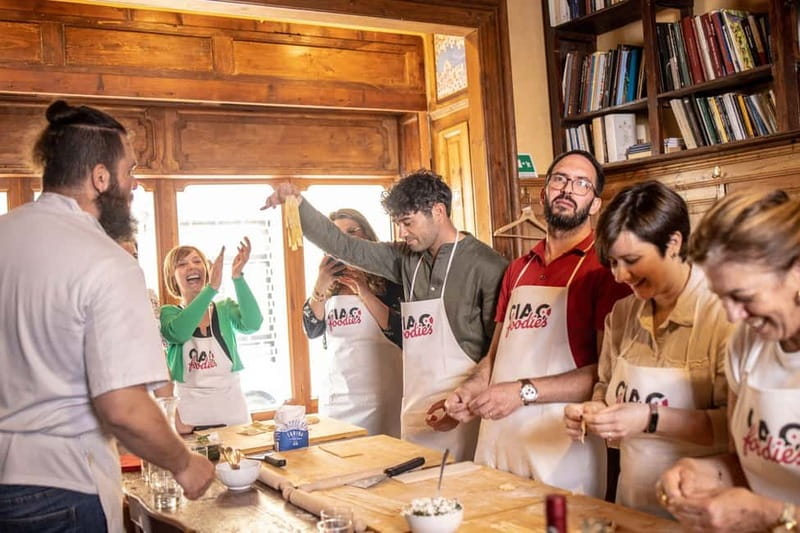
Once you’re back in the kitchen, the apron goes on and you get to work. What I like about the way this class is structured is that it starts with something grown-up—sauces. Sauces take time, and that timing gives you a realistic sense of how Italian cooking actually works.
You’ll be guided through classic options, including ragù and a classic tomato sauce. The chef explains how sauces take the longest to cook, then you move into pasta dough while those flavors are doing their slow work. This is a smart pacing choice because it keeps you busy without rushing the parts that need patience.
Also, you’re not just being told recipes. You’re being taught what to look for: how dough changes as you knead, how consistency guides your next step, and how seasoning fits into the final result. That kind of technique is what makes the class feel genuinely transferable to your own kitchen later.
Tagliatelle with Bolognese-style sauce: dough, rest, and the right thickness
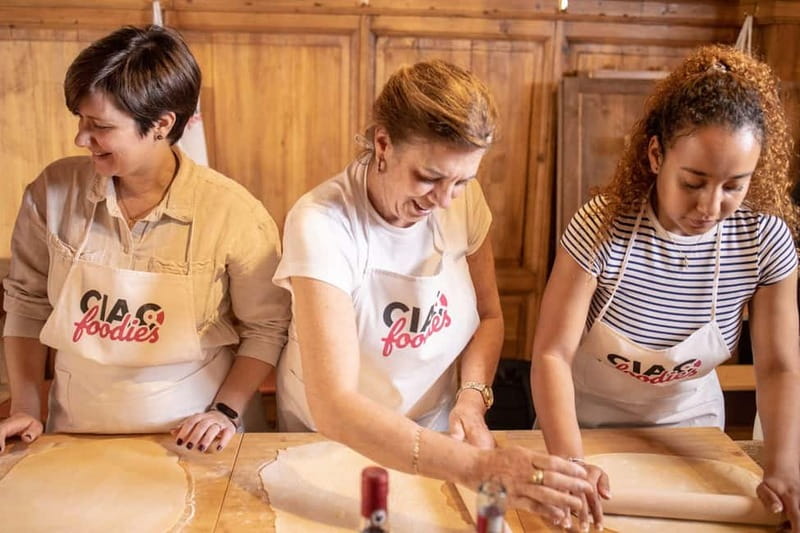
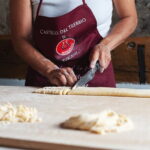
Now comes the part most people sign up for: handmade pasta. You start kneading pasta dough from basic ingredients—eggs and flour—and the chef talks you through dough texture until you get the right consistency. Then the dough needs a rest before it’s shaped, and that break is part of the skill: resting helps dough behave.
After that, you form tagliatelle, a shape similar to noodles but wider and thicker. You’ll learn how to roll and cut so the pasta cooks up with the right bite. You then season the tagliatelle and pair it with the sauce you worked on earlier.
One of the commonly praised themes in the teaching style is patience. Chefs like Allan and Gui are noted for being funny and intuitive, but also for giving specific cooking tips that you don’t usually hear in a typical demo. Even if you’re a total beginner, the instruction style seems geared toward getting you confident fast.
Practical note: if you’ve never made pasta, your first pass might feel messy. That’s normal. The goal is technique, not perfection. The final meal helps you see where your effort landed.
Ravioli filled with ricotta: shaping the pasta you’ll be proud to serve
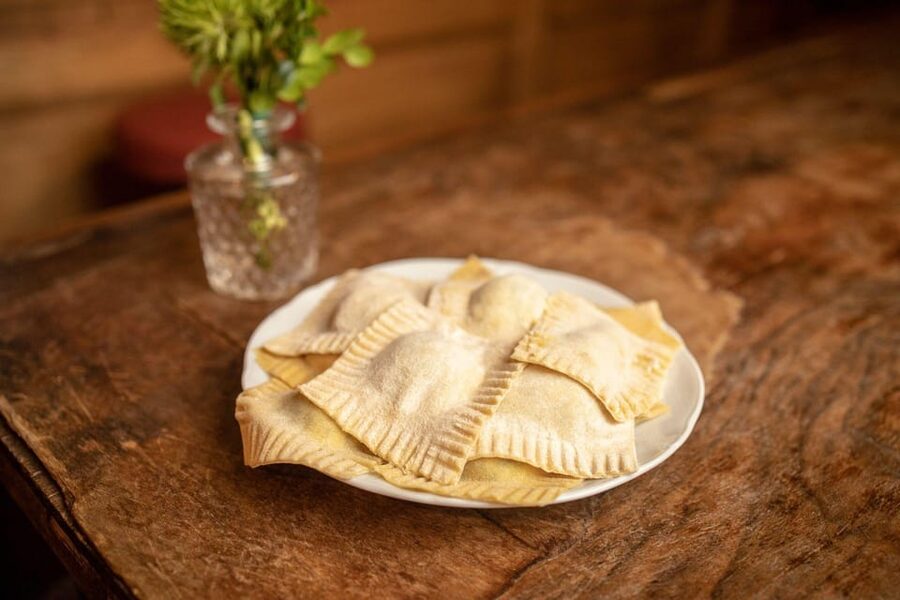
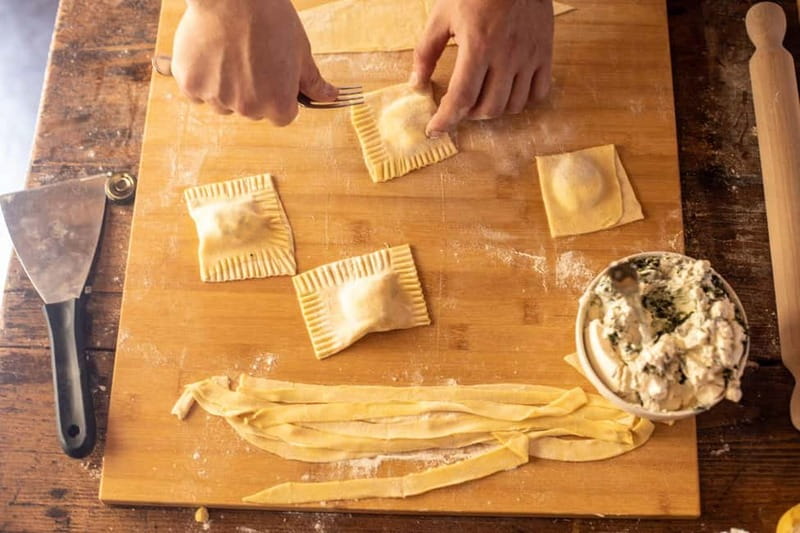
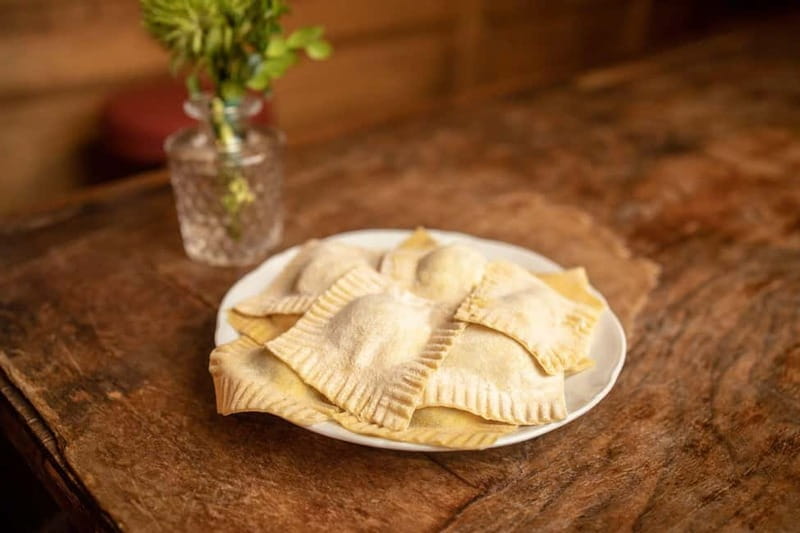
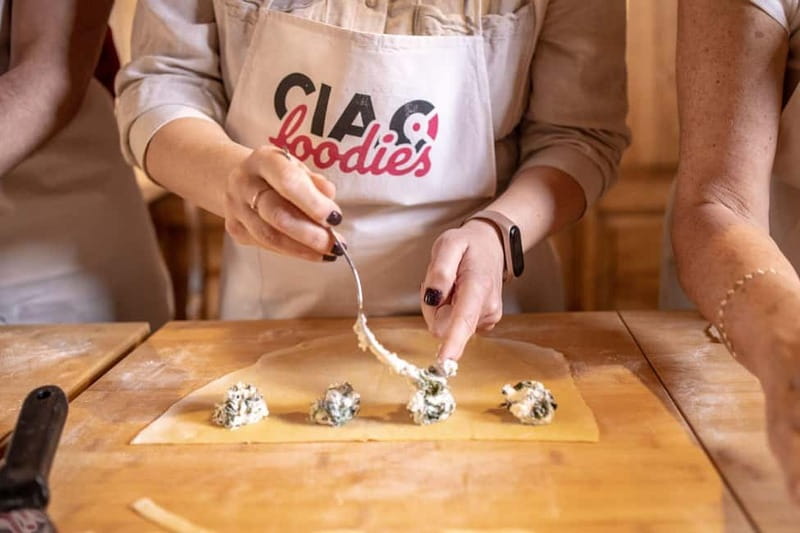
Next up is ravioli, specifically ravioli filled with ricotta cheese. This is where “watching” turns into “doing.” You learn how to shape stuffed pasta—making it from scratch rather than using pre-made wrappers.
The chef shows you the process step by step, and you get to work with your hands. You’ll also learn how to handle the dough without tearing and how to get the shape right enough that it holds together during cooking.
If you enjoy tasks that feel satisfying—pressing, sealing, shaping—this part is likely your favorite. And it pairs perfectly with the tiramisù later because ravioli is hands-on and sensory, while dessert is more about timing and texture.
A few more Florence tours and experiences worth a look
Tiramisu from scratch: the mascarpone cream is the real skill
While tiramisù sets in the fridge, the schedule gives you a breather—but not a long one. You’ll listen to the chef’s story about Italian culinary tradition and enjoy small Tuscan typical appetizers as you wait.
Then you get back into the sweet work: tiramisù. The chef teaches you how to prepare it step by step, with special attention on making the smoothest mascarpone cream. That focus on texture matters. Good tiramisù isn’t just a recipe—it’s a balance of consistency, mixing technique, and chilling.
What makes this dessert portion stand out is that you don’t leave with a vague idea. You learn the logic behind the method, so when you buy mascarpone at home, you’ll know what you’re trying to achieve.
The lunch you make: unlimited wine, proper table time, and scarpetta moments
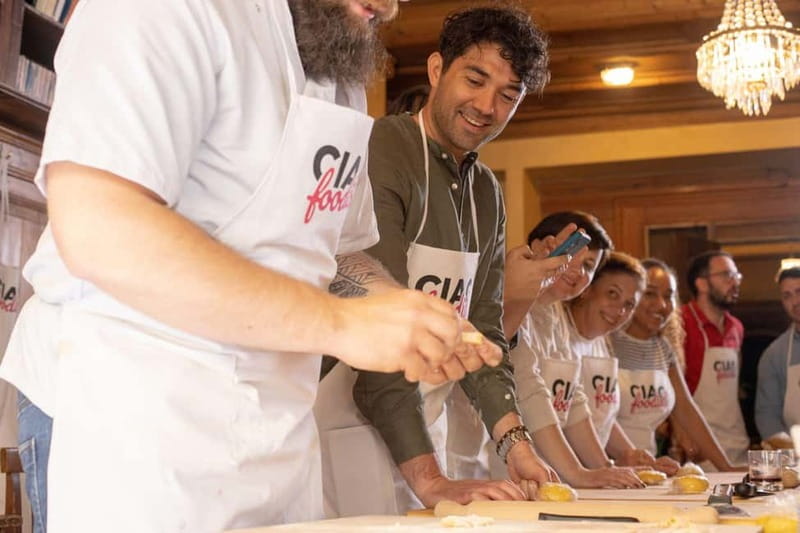
At the end, you sit down and eat the fruits of your labor. This is not a snack-and-go class. It’s a full shared lunch with the pasta and dessert you made, plus a glass of house wine.
And yes, the class includes unlimited wine. That tends to be a major highlight for people because it changes the vibe. The meal feels like a celebration instead of a timed class that cuts off the fun at the first sign of drizzle on the table.
You’re also encouraged to enjoy the table properly—there’s even the classic Italian idea of scarpetta (using bread with sauce). Since you’re making the sauce yourself, it hits differently.
If you prefer a slower pace, just pace your wine accordingly. Unlimited doesn’t mean you have to rush. The experience is long enough (3.5 to 4.5 hours depending on the shift) that you can keep it comfortable and still enjoy the atmosphere.
Price and value: what $81 buys you in Florence
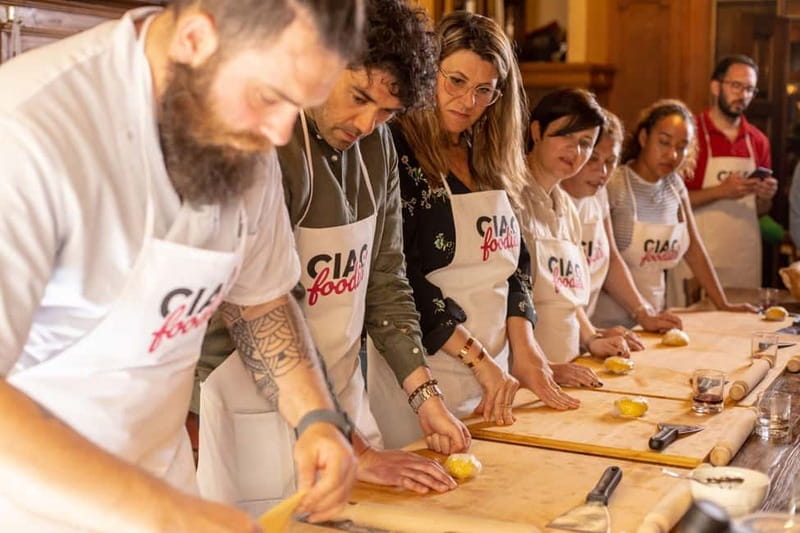
At $81 per person for about 3.5–4.5 hours, you’re paying for several things that are hard to replicate cheaply on your own:
- Expert chef instruction for pasta dough, tagliatelle, ravioli shaping, and tiramisù technique.
- Ingredients for all dishes, so you’re not spending extra to gather supplies.
- Kitchen time and tools, including the apron and utensils.
- Unlimited house wine and water.
- A small-group format, which usually means you get help when you need it.
If you’re the type who likes “do it, then eat it,” this is good value. If you only want a quick tasting, you might feel it’s pricier than a simple food tour. But if you want the skills—how to get dough to the right consistency, how to shape filled pasta, how to nail a creamy tiramisù—this class is built around that payoff.
Also, the market option (when included) adds another layer of value because you see how ingredients connect to the cooking. It’s one of the most repeated praise points: the market walk isn’t filler.
Who should book this pasta and tiramisù class (and who should skip)
This class is a strong fit for:
- First-timers who want clear instruction and a fun chef-led atmosphere
- Food lovers who want to learn specific techniques (not just sample dishes)
- Couples and friends who enjoy a social table and a shared meal
- People who like practical souvenirs, like a recipe you can actually repeat
It may not be a fit for:
- Celiac people, since it’s not recommended for safety reasons
- Children under six, since they can’t join
- Anyone who wants a completely quiet experience; the class has energy, jokes, and group conversation
Tips to get more out of your class
A few things that’ll make your time smoother:
- Go in hungry, but not overly stuffed. You’ll cook, eat, and then taste wine, so keep a comfortable appetite level.
- Ask questions while you’re working dough. The chef’s best tips tend to come when you’re actively stuck.
- If you’re doing the market walk, keep an open mind. You’re learning ingredient choices that matter, especially cheeses and produce that show up later in sauces and filling.
- If you have allergies or intolerances, inform the team in advance. The experience says they try to accommodate.
Should you book it? My practical take
If you want one of the more hands-on, high-reward experiences in Florence—especially if you love Italian food—you should strongly consider booking. The best part is how the day builds: market ingredients → sauce timing → pasta technique → ricotta ravioli shaping → tiramisù texture → shared lunch with unlimited wine.
Skip it only if you’re not interested in cooking at all, or if dietary needs make the experience unsafe for you (not recommended for celiac people). Otherwise, this is the kind of class that gives you skills you can use later, plus a meal you can’t buy ready-made.
FAQ
What dishes do I learn to make?
You’ll learn to cook tagliatelle with Bolognese-style sauce, prepare ravioli filled with ricotta, and make tiramisù.
Is the Sant’Ambrogio market included?
Yes, but only on the 9:00 AM shift. It’s not included for the afternoon shifts, and the market is closed on Sundays and bank holidays.
How long is the class?
The experience lasts 3.5 to 4.5 hours. The market visit (when included) is about 3 hours 30 minutes for the 9:00 AM option.
Is the class in English?
Yes, instruction is in English.
Does it include wine?
Yes. The experience includes unlimited house wine, plus water.
Is it good for beginners?
Based on the teaching style described, it’s beginner-friendly with step-by-step instruction and help while you work.
Can they accommodate dietary allergies or intolerances?
Yes. You should inform them in advance, and they will try to accommodate you.
Is it suitable for celiac people?
No. For safety reasons, it is not recommended for celiac people.
Are kids allowed?
Children under six years old are not recommended for this experience.
You Might Also Enjoy
More Workshops & Classes in Florence
More Wine Tours in Florence
- Tuscany Day Trip from Florence: Siena, San Gimignano, Pisa and Lunch at a Winery
★ 5.0 · 21,634 reviews
More Tour Reviews in Florence
- Tuscany Day Trip from Florence: Siena, San Gimignano, Pisa and Lunch at a Winery
★ 5.0 · 21,634 reviews