REVIEW · FLORENCE
Florence: Handmade Ravioli & Pasta Class with Unlimited Wine
Book on GetYourGuide →Operated by Explorer Emotion Florence di Seiti Fael · Bookable on GetYourGuide
Handmade pasta turns Florence history into dinner.
I like the mix here: a short storytelling start, then real hands-on work making ravioli, tagliatelle, and fettuccine from scratch. You also finish with a classic tiramisu lesson and a proper wine-and-food feast.
What I really love is how the class structure gives you confidence fast. With instructors such as Leonardo and chefs like Raffaello mentioned in class experiences, the pace stays friendly even if you’ve never rolled dough before. I also love that you eat what you make, not just watch and snack.
One thing to consider: timing can be tight if you’re trying to jump to another plan right after. A few people noted late starts when the prior group ran long, so give yourself a little buffer in your schedule.
In This Review
- Key highlights (what you’ll remember)
- Meeting in Florence: Rosso Crudo and the 10-minute history spark
- The 15th-century Medici stable: where fresh pasta becomes real
- Ravioli, tagliatelle, fettuccine: skills you can reuse (and not mess up)
- Tiramisu in real technique, not just assembly
- Unlimited Tuscan wine and the end-of-class feast
- What you take home: recipes, WiFi, and confidence
- Who this pasta-and-wine class suits best
- Price and value: is $43.67 worth it in Florence?
- Common gotchas: pacing, comfort, and timing buffer
- Should you book this Florence ravioli and pasta class?
- FAQ
- How long is the Florence handmade ravioli and pasta class?
- Where is the meeting point?
- What language is the instruction?
- Is wine included, and is it unlimited?
- Do I make the pasta myself?
- Are recipes provided after the class?
- Can I bring accessibility needs?
Key highlights (what you’ll remember)
- A 10-minute Florence history primer before you cook, with Medici-era and Vatican-era themes brought to life
- Cooking in a 15th-century Medici stable, not a generic classroom space
- Hands-on pasta skills: knead, roll, and shape multiple pasta types
- Tiramisu from step-by-step technique, including espresso-soaked ladyfingers and cocoa
- Unlimited Tuscan wine during the meal, with pairings tied to what you’re eating
- Recipes you can take home in both print and digital form, plus free WiFi
Meeting in Florence: Rosso Crudo and the 10-minute history spark
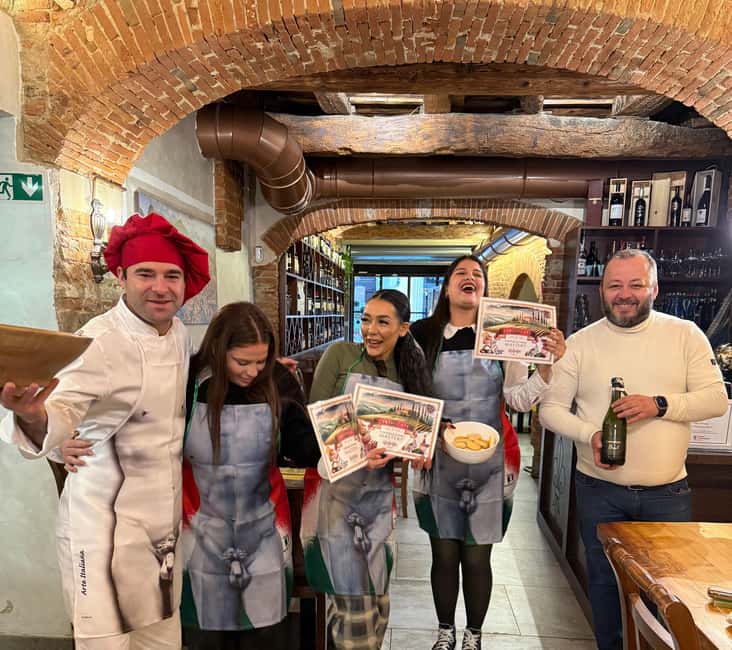
You meet at Restaurant Rosso Crudo on Via Servi 85 RED. The location matters because it gets you into the “local” rhythm immediately, and the class ends back at the same place. In a city where you’ll walk a lot anyway, this saves you from a confusing end-point.
Before anyone touches dough, you get a short intro (about 10 minutes) that sets the stage. It covers Florence through art, political propaganda, the Medici, and the Vatican—enough context to make the Renaissance feel less like textbook facts and more like something that shaped daily life, including food.
Why this works: pasta shapes, ingredient choices, and even the way people socialize around meals all have cultural roots. A fast history warm-up means you’re not just learning steps—you’re learning why those steps exist.
You can also read our reviews of more wine tours in Florence
- Tuscany Day Trip from Florence: Siena, San Gimignano, Pisa and Lunch at a Winery
★ 5.0 · 21,634 reviews

The 15th-century Medici stable: where fresh pasta becomes real
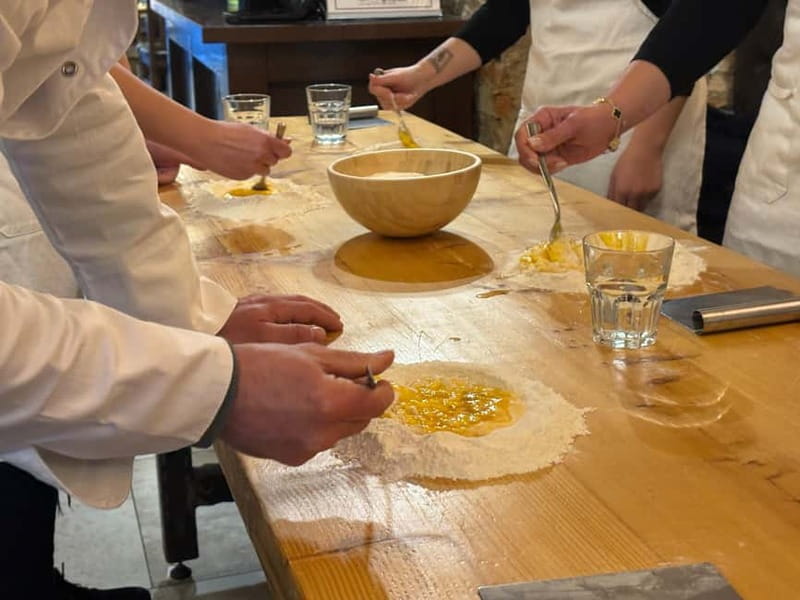
Then you step into what they call a 15th-century Medici stable. That detail isn’t marketing fluff. Cooking somewhere with historical weight changes your mindset: you slow down, pay attention, and the whole process feels more “serious” in a good way.
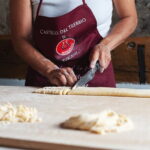
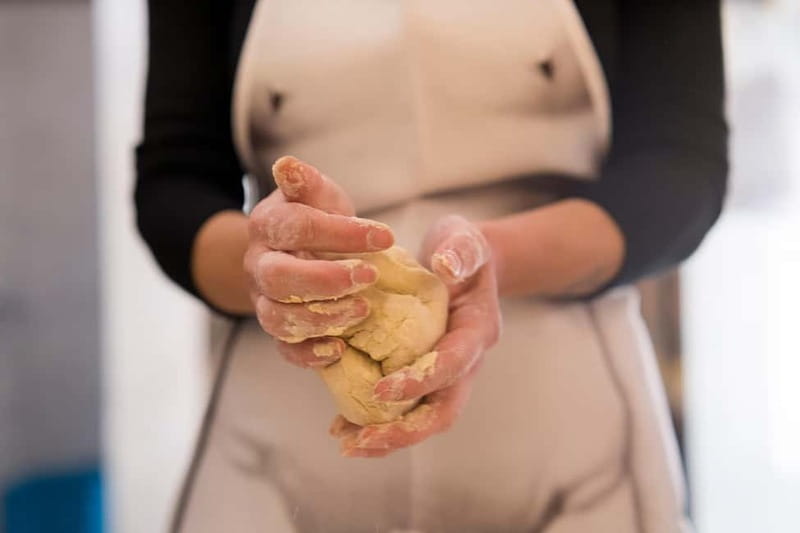
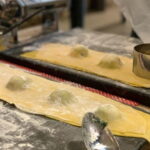
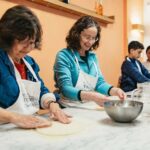
The core of the class is fresh pasta from scratch. You learn how to knead, roll, and shape ravioli, tagliatelle, and fettuccine. Even if you think you’re not a cook, the hands-on format gives you something practical: you’re not waiting for a finished dish, you’re building it.
What makes the instruction valuable is that you don’t just copy motions. As you work, the chefs share the history behind pasta shapes and how they evolved over centuries. That turns “make pasta” into a story you can retell at home, which is exactly what you want from a Florence experience.
A small, practical note from how people describe the class: it’s designed for real participation. One review-style takeaway I’d repeat to you is this—show up ready to work with your hands. Comfortable clothes help, and shoes that handle stone floors help even more.
Ravioli, tagliatelle, fettuccine: skills you can reuse (and not mess up)
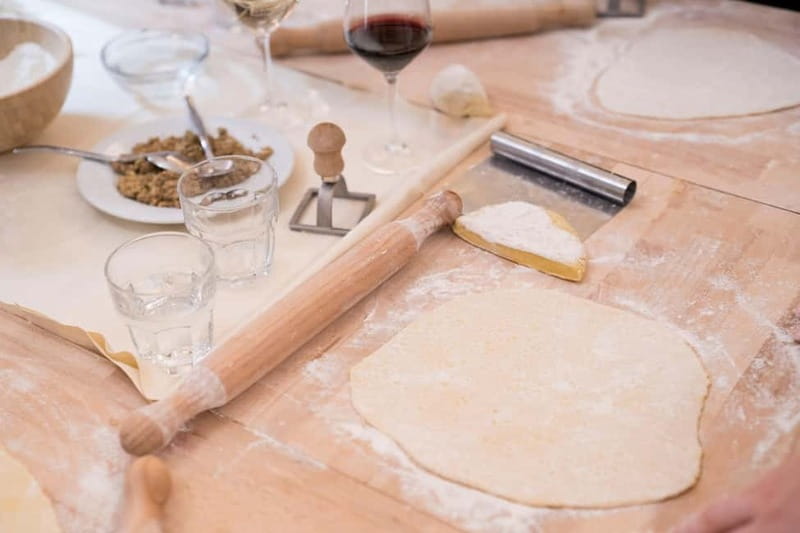
Here’s the best part for your future self: you leave with skills, not just a meal memory. The class is set up so each step connects.
- Kneading teaches you how the dough should feel as it comes together
- Rolling shows you how thin is thin enough (without being fragile)
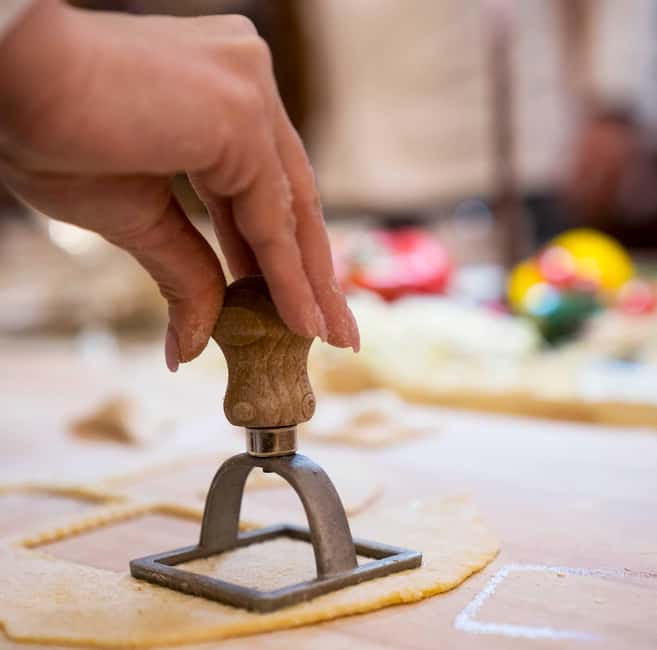
- Shaping teaches you how to create consistent pasta forms, including ravioli
You also get chef guidance throughout, which is a big deal. Fresh pasta has a couple of “feel” moments, and having someone correct your technique early keeps you from going down the wrong path and getting frustrated.
If you’re traveling with kids or cooking beginners, this is a strong option because the workflow naturally creates small wins. You can see progress in real time: dough turns into sheets, sheets turn into shapes, and shapes turn into dinner.
Tiramisu in real technique, not just assembly
After pasta, you switch to tiramisu. This class teaches it as technique: espresso-soaked ladyfingers, mascarpone, and cocoa, built into layers with a careful balance.
That balance is what makes tiramisu feel Italian instead of dessert-that-happened. Espresso needs to soak without going mushy. Mascarpone needs enough structure to stay smooth and sliceable. Cocoa goes on at the right moment so it tastes like cocoa, not cocoa dust.
People consistently highlight that the dessert part is worth the effort, and I get it. If you’ve had tiramisu that tastes flat or overly sweet, making it yourself gives you a baseline for what “right” should feel like.
This also matters because it keeps the class varied. You’re not stuck repeating the same motion for hours. Pasta teaches you dough. Tiramisu teaches you timing and texture.
Unlimited Tuscan wine and the end-of-class feast
Wine is included, and the experience is described as having unlimited Tuscan wine. Expect curated pairings tied to the food you make, so it’s not random pours.
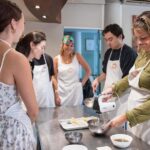
Then comes the feast: you gather together and eat your homemade pasta and tiramisu alongside the wines. That’s not just a reward. It’s part of learning. You taste what your technique produced, then connect it to the chef’s explanations.
For me, the “feast” format is one reason this stands out from cookie-cutter cooking classes. You get that shared table energy that suits Florence: lots of conversation, laughter, and a sense that dinner is something you earn together, not something you consume alone.
One practical thought: if you plan to keep drinking after the class, be smart with pacing. Wine is part of the experience, and people enjoy it, but you’re still going to walk back through Florence.
A few more Florence tours and experiences worth a look
What you take home: recipes, WiFi, and confidence
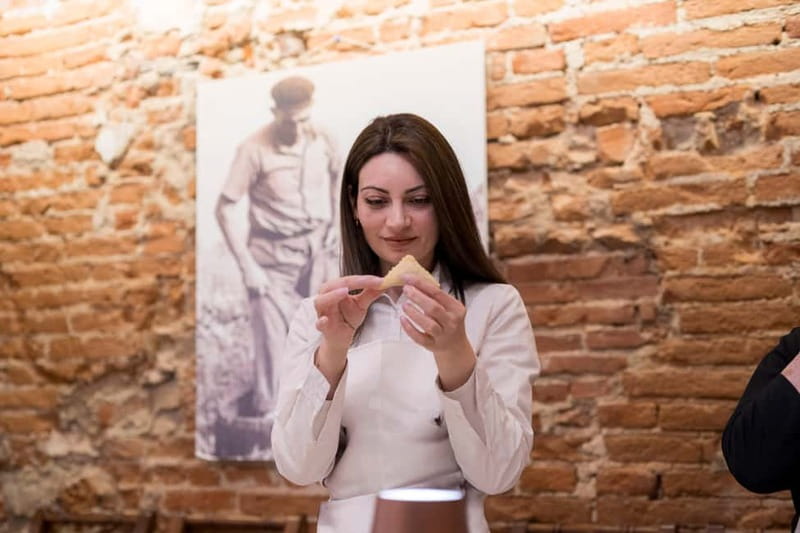
You don’t just leave with a full stomach. You get a recipe booklet and a digital cookbook so you can recreate the dishes later. Free WiFi is included, which is helpful if you want to grab photos, save notes, or pull up the recipe steps while they’re still fresh in your brain.
The bigger value is the confidence. By the end, you’ve done the full loop: learn, practice, plate, and taste. When you go home, you’re not starting from zero—you’re repeating a method you already got right once.
If you like cooking, this is the kind of class where you’ll actually use the skills. If you don’t cook much, you’ll still appreciate it because at minimum you’ll know how fresh pasta should feel and what “good tiramisu” tastes like.
Who this pasta-and-wine class suits best
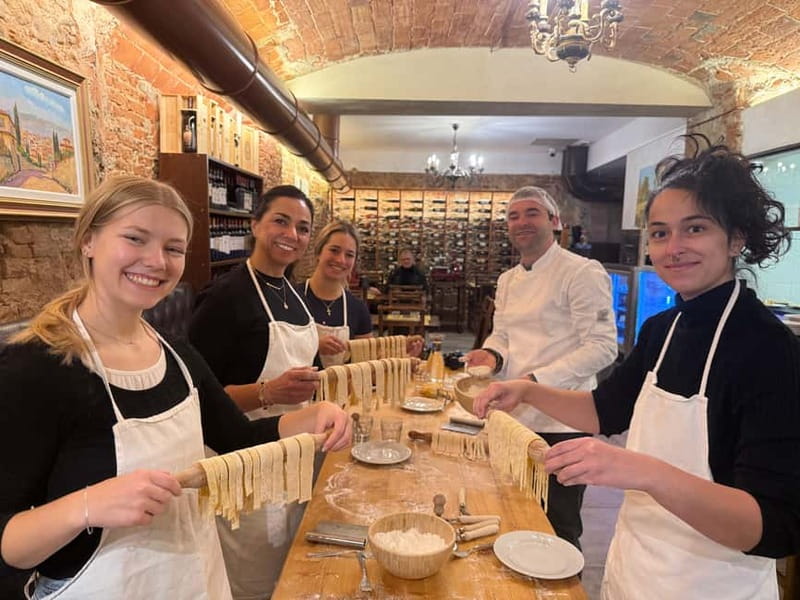
This works for a wide range of travelers because it’s hands-on without being intimidating.
- Food lovers who want real technique (not just tasting)
- Couples looking for a Florence evening plan that feels special
- Families, since the class is described as suitable for kids and includes participation
- First-timers to Italian cooking who want a structured, guided experience in English
It’s also a good match if you’re the type who likes cultural context. The class starts with art and political storytelling, then connects it to Medici-era food traditions and the evolution of pasta shapes.
If you dislike group activities, that’s the one possible mismatch. This is built around cooking as a shared session, and it moves with a group rhythm.
Price and value: is $43.67 worth it in Florence?
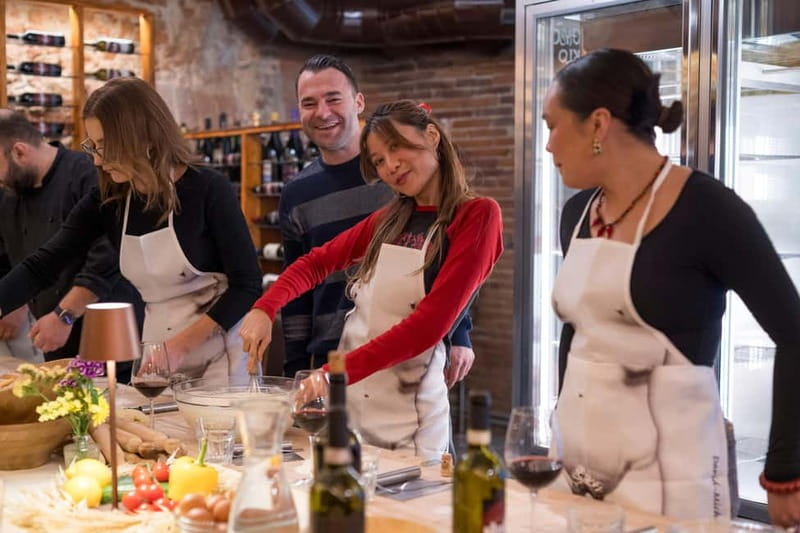
$43.67 per person for a 2 to 2.5 hour class is not a steal, but it’s also not out of line for what you actually get. You’re paying for a chef-guided, hands-on cooking lesson plus ingredients, wine pairing, and the meal that comes from your work. In other words, you’re not just paying for entertainment—you’re paying for a guided production of dinner.
Here’s what makes the value feel better than a typical “tour plus snack” style activity:
- You create multiple pasta types and a full dessert
- Wine is part of the pairing, and it’s unlimited
- You leave with a print booklet and digital cookbook
- You cook in a named historical setting, not a random room
If you’re doing only one cooking class in Tuscany, this is a strong contender because it hits pasta + tiramisu + wine in one go.
Common gotchas: pacing, comfort, and timing buffer
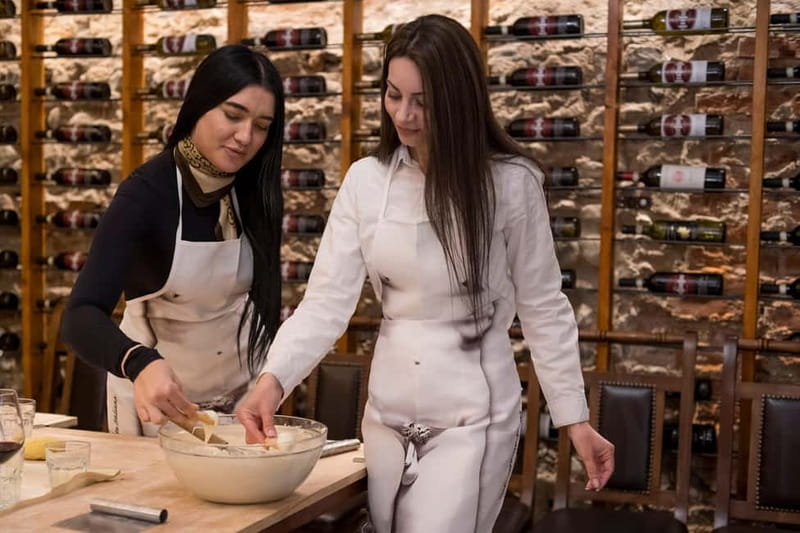
Based on class experience notes, the pacing is generally smooth and enjoyable. People mention instructors who are fun, funny, and organized, and they emphasize that the timing feels right—long enough to learn, not so long that it drags.
But keep one caution in mind. One report mentioned starting late due to an issue with the previous group, plus a long lecture portion that pushed the schedule. That doesn’t mean it will happen every time, but it means you shouldn’t schedule a tight next appointment.
Also, wear practical clothing. They suggest comfortable shoes and comfortable clothes, and I agree with that. You’ll be standing, moving, and working with dough, which isn’t the time for stiff footwear.
Should you book this Florence ravioli and pasta class?
I’d book it if you want one evening (or part of an afternoon) where Florence becomes food: you’ll learn fresh pasta from scratch, make ravioli and tagliatelle styles, handle tiramisu technique, and pair it with wine. It’s also a great choice if you want recipes you’ll actually use later, not just a souvenir photo.
I would think twice only if your schedule is extremely tight with no buffer at all. With the possibility of a late start noted by some, you’ll sleep better if you give yourself a cushion for walking back through the city.
If you’re ready to roll up your sleeves and eat what you make, this is one of the more satisfying ways to spend time in Florence.
FAQ
How long is the Florence handmade ravioli and pasta class?
It runs about 2 to 2.5 hours. Starting times vary, so check availability for the schedule.
Where is the meeting point?
You meet at Restaurant Rosso Crudo, Via Servi 85 RED. The activity ends back at the same meeting point.
What language is the instruction?
The instructor is English.
Is wine included, and is it unlimited?
Yes. The class includes fine Tuscan wine, and the experience is described as having unlimited wine.
Do I make the pasta myself?
Yes. You’ll make fresh pasta from scratch, including ravioli, tagliatelle, and fettuccine.
Are recipes provided after the class?
Yes. You receive a recipe booklet and a digital cookbook so you can recreate the dishes at home.
Can I bring accessibility needs?
The activity is wheelchair accessible. For anything beyond that, it’s best to confirm details directly when you book.
You Might Also Enjoy

More Workshops & Classes in Florence
More Wine Tours in Florence
- Tuscany Day Trip from Florence: Siena, San Gimignano, Pisa and Lunch at a Winery
★ 5.0 · 21,634 reviews
More Tour Reviews in Florence
- Tuscany Day Trip from Florence: Siena, San Gimignano, Pisa and Lunch at a Winery
★ 5.0 · 21,634 reviews