REVIEW · HERAKLION
Crete: Olive Oil, Soap, Wine, Raki – Flavorful Culinary Journey
Book on Viator →Operated by LocalTrips4U "Experience True Crete" · Bookable on Viator
Olive oil, soap, wine, raki in one day. This Crete tour from Heraklion links an olive mill with tastings of Cretan wine and barrel-aged raki, then ends with an olive-oil soap demo.
I love the production focus, with hands-on tastings that teach you how these Cretan staples get made. I also like the small group setup (up to 15 people), plus short hops between stops that keep the day from dragging.
One consideration: it’s a long, hot day, and lunch can feel later than you expect—plan for water and a proper breakfast.
In This Review
- Quick Hits Before You Go
- Why This Crete Day Trip Feels More Like Local Life
- Heraklion Pickup and the Small-Group Pace That Matters
- The Olive Mill Stop: How Cretan Olive Oil Gets Made (Not Just Served)
- Wine and Raki Production: Taste Like You Know What You’re Doing
- Cretan wine tasting that teaches your palate
- Raki as a ritual, not a shot
- The Soap-Making Workshop: The Surprise Stop You’ll Actually Remember
- Lunch in Peza Village: When Food Becomes Part of the Tour
- How Guides and Hosts Change the Whole Day
- What to Bring: Tiny Prep That Saves the Day
- Price and Value: Does $111.26 Make Sense?
- Should You Book This Olive Oil, Soap, Wine, and Raki Tour?
- FAQ
- How long is the tour?
- Where does it operate?
- Is pickup included, and how do I get the exact time?
- What tastings and experiences are included?
- Do you make soap or just watch?
- Is lunch included?
- How big is the group?
- What cancellation option do I have?
- Is it offered in English?
- FAQ
- What’s the pickup timing process?
- What’s included in the transportation?
- What’s the core focus of the tour?
- Is there a mobile ticket?
- Is this tour suitable for most people?
Quick Hits Before You Go
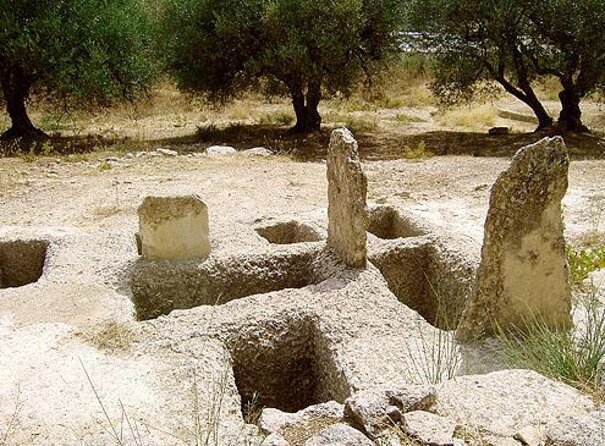
- Fresh olive oil tasting: you see how the oil is produced and taste it from the source.
- Barrel-aged raki + wine training wheels: you’ll learn how raki and Cretan wines are made, not just sample them.
- Soap-making demo: watching olive oil turn into something you can actually use is more fun than it sounds.
- Small-group energy: conversations flow, and you’re not trapped in a huge bus crowd.
- Lunch is usually the highlight: a traditional light tavern meal in the Peza area helps tie the day together.
Why This Crete Day Trip Feels More Like Local Life
Crete’s beaches get all the attention. This tour shifts the spotlight inland, where people work with their hands and traditions matter more than photo spots. You end up thinking about olives, wine, and raki as skills—not just souvenirs.
I like how the tour puts production at the center. You’re not only tasting. You’re learning the logic behind the flavors: what the makers care about, what changes the taste, and why Cretans treat these drinks and products as part of daily life.
The day has a rhythm too. Expect short walks around each property, then quick drives between stops in an air-conditioned vehicle. That pace works well if you want a full experience without turning it into a 10-mile hike.
You can also read our reviews of more wine tours in Heraklion



Heraklion Pickup and the Small-Group Pace That Matters
Pickup is offered from Heraklion, and the exact time is shared by text or email after booking. That’s a big deal on a day trip—less stress, more time to enjoy.
The group stays small, with a maximum of 15 people. In practice, that often means you can actually ask questions at the olive mill, during the wine tasting, and at the raki stop. One of the best parts of the day is the mix of friendly producers and people you can chat with during the drives.
The schedule is “packed,” but not frantic. You’ll be on the move for most of the six-ish hours, yet the stops are designed so you’re not constantly walking. Still, plan for a bit of uneven ground at times, and some places can involve stairs or sloping surfaces.
The Olive Mill Stop: How Cretan Olive Oil Gets Made (Not Just Served)
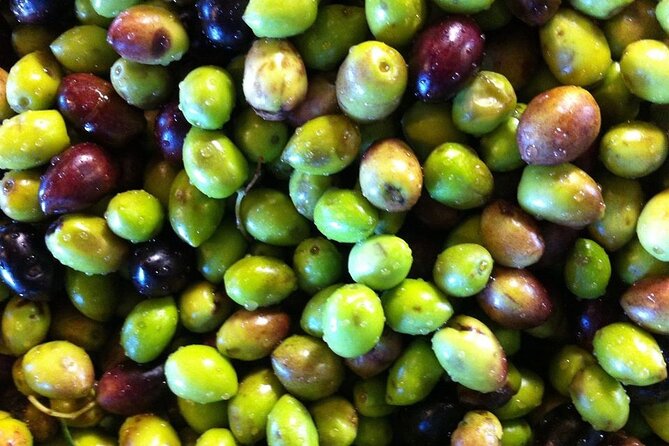
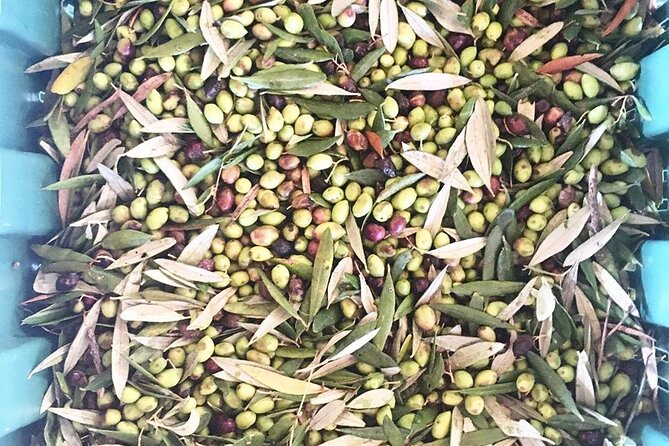
This is the heart of the experience. The day starts with a visit to a family-run olive mill, where you see how olive oil is produced and taste it fresh from the process. That alone is something many people miss when they only chase coastlines.
What makes this stop valuable is that it connects smell and flavor to method. Olive oil can taste different because of how the olives are handled, when they’re processed, and how the mill works. You’re not expected to memorize chemistry—just learn how to recognize what you’re experiencing.
You also get a real sense of pride in the work. Even if you’re not an olive-oil superfan, you’ll come away with better instincts for tasting: is it more peppery, more mild, more grassy? That’s the kind of practical takeaway that makes future bottles taste more interesting.
Wine and Raki Production: Taste Like You Know What You’re Doing
After the olive mill, the tour shifts into Cretan drinks—wine first, then raki, with a stop at a micro-winery and raki distillery included.
Cretan wine tasting that teaches your palate
You’ll do a wine tasting featuring three indigenous varieties. That matters because it helps you compare styles and grape characters instead of just drinking random pours. You’ll also get the bigger picture of how local producers approach grapes grown on Crete.
If you’re the kind of wine lover who cares about serving temperature, keep this in mind: one drawback that came up is that wine wasn’t always chilled to a cool degree. Not everyone minds, but if you’re picky, it’s worth knowing ahead of time.


Raki as a ritual, not a shot
Then comes raki—traditionally made, and often tied to friendship. The tour includes tasting one raki aged in a barrel, plus time at a raki distillery where you learn how it’s produced. The goal isn’t to turn you into a distiller. It’s to help you understand why raki tastes the way it does and why it’s part of Cretan social life.
Some stops also include extra liqueurs alongside the raki. That variety can be fun, especially if you like sipping your way through different flavor profiles.
The Soap-Making Workshop: The Surprise Stop You’ll Actually Remember
This is the part people often don’t expect. The tour includes a family-run soap workshop where you participate in a soap-making demonstration. And yes, olive oil is the key ingredient that connects this whole day together.
The appeal is simple: it’s tactile. Instead of standing and watching like a museum, you see how raw materials become something practical and personal. Soap is also an easy souvenir that you’ll use long after the trip ends.
If you’re the type who likes to bring home items with a story, this is a great stop. It turns olive oil from a taste into a product you can understand.
Lunch in Peza Village: When Food Becomes Part of the Tour
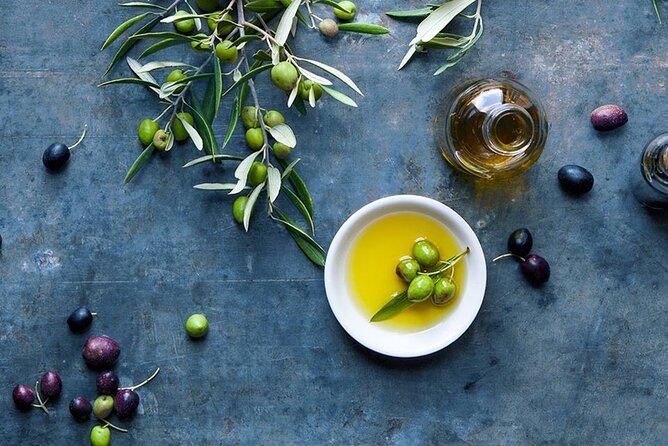
Lunch is included: a traditional light lunch at a local tavern in Peza Village. In a day filled with tastings, the meal is what grounds everything.
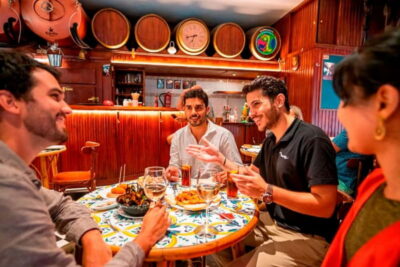
More than one person called the lunch the highlight. That makes sense. When you’re learning about olives, wine, and raki, you want food that fits the rhythm of the region. The tavern setting also gives you a natural break from the driving and the talking—time to slow down and enjoy.
Practical note: lunch can be later than you expect on a six-hour day trip. If you skip breakfast, you’ll feel it. I’d treat this like a marathon meal schedule, not a quick lunch-between-things plan.
How Guides and Hosts Change the Whole Day
A tour can have the same itinerary on paper and still feel different in real life. Here, the people you meet often make the day smoother and more memorable.
For example, Tony is repeatedly praised as a friendly, fun driver who adds local insight during the ride. Eleni also comes up as a guide who keeps things engaging. Angelica is another name that shows up in positive feedback, with a calm, professional style and lots of helpful recommendations.
On the production side, hosts like Alex and Maria are mentioned for being warm and informative. When the olive oil and raki people explain their craft with real enthusiasm, the tastings land better. You’re not just sampling; you’re connecting the story to the flavor.
What to Bring: Tiny Prep That Saves the Day
This is a hot-weather kind of outing. Even though you’re in an air-conditioned vehicle for transfers, there’s plenty of outdoor time around properties and tasting areas.
I’d pack like this:
- Water (and keep a bottle handy). Some stops may not offer it consistently.
- A fan if you’re visiting in the warm months.
- Sunscreen plus a hat if you’re sensitive to sun.
- Wear shoes that handle a bit of uneven ground, since some visits may involve sloping dirt paths or steps.
Also, if you’re buying olive-oil-based products like soap, plan to carry them safely in your bag. Bars can be heavy and you don’t want them crushed after a long day of walking and driving.
Price and Value: Does $111.26 Make Sense?
At about $111.26 per person for roughly six hours, this tour isn’t a cheap “tasting snack.” It’s closer to a structured, multi-stop cultural day with transport and multiple production experiences included.
Here’s what you’re really paying for:
- air-conditioned transportation,
- a full olive mill visit plus olive oil tasting,
- wine tasting featuring three indigenous varieties,
- raki distillery time and tasting (including barrel-aged raki),
- a soap workshop with a hands-on demonstration,
- and lunch in the Peza area.
If your goal is to leave with a deeper sense of how Cretans make and use their favorite products, the value is strong. If you only want one or two small tastings and then back to the beach, it might feel like more day than you planned.
Should You Book This Olive Oil, Soap, Wine, and Raki Tour?
Book it if you want an inland Crete day that’s about real production—olive oil, wine, raki, and olive-oil soap—not just scenic stops. The small-group format and the repeated praise for guides like Tony and Eleni are good signs that the day stays friendly and question-friendly.
Skip it or adjust expectations if you’re sensitive to long hot schedules, late lunches, or serving details like wine temperature. This is also not the kind of outing where you can wander freely on your own—you’ll be following the flow of the stops.
If you’re in Heraklion and want a day that smells like olives and ends with a practical souvenir, this is a smart choice.
FAQ
How long is the tour?
It runs for about 6 hours.
Where does it operate?
It’s based in the Heraklion area in Crete, with pickup offered.
Is pickup included, and how do I get the exact time?
Pickup is offered. You’ll receive the exact pick-up time by text message or email, so double-check the details you entered during booking.
What tastings and experiences are included?
You get an olive mill visit with olive oil tasting, wine tasting of 3 indigenous varieties, a raki tasting (including 1 raki aged in a barrel), and a visit to a micro-winery & raki distillery.
Do you make soap or just watch?
You participate in a soap-making demonstration as part of a family-run soap workshop.
Is lunch included?
Yes. Lunch is a traditional light lunch served at a local tavern in Peza Village.
How big is the group?
The tour has a maximum of 15 people.
What cancellation option do I have?
Free cancellation is available up to 24 hours before the experience start time for a full refund.
Is it offered in English?
Yes, the tour is offered in English.
FAQ
What’s the pickup timing process?
Pickup details are confirmed with you after booking via text message or email, so you get the exact pick-up time.
What’s included in the transportation?
You travel in an air-conditioned vehicle.
What’s the core focus of the tour?
The core focus is Cretan food and drink production: olive oil, Cretan wine, raki, and olive-oil soap.
Is there a mobile ticket?
Yes, the tour uses a mobile ticket.
Is this tour suitable for most people?
The info provided says most people can participate.