REVIEW · FLORENCE
Chianti Delights: A Tale Of Two Wineries With A Vineyard Dinner
Book on Viator →Operated by Ciao Florence Tours Srl · Bookable on Viator
Siena at dusk is a big deal. This tour strings together Siena after the crowds and a proper Chianti farmhouse dinner with wine, all in one relaxed afternoon. You’ll ride out of Florence through hills and vineyards, then circle back before evening becomes a full night out.
What I love most is the way the day is paced: you get a little cultural hit in Siena, then you slow down for the wine region. I also really like the dinner format—a 4-course Tuscan meal paired with estate wines, served in a winery setting that feels local instead of staged. The small-group size (up to 30) helps the evening feel calmer than the big-bus tours.
The main drawback to consider is that parts of the experience can be more flexible than the description makes it sound. Some guests reported limited time at wineries or being seated indoors if timing/weather pushed things later, so plan for a casual, not-too-fancy, evening—not a long guided cellar walkthrough every step of the way.
In This Review
- Key things that make this tour work
- From Florence to Siena: the late-afternoon setup that matters
- Siena’s Piazza del Campo time: what you’ll do with your freedom
- How to plan your Siena time
- One fair warning
- The Chianti drive: olive groves, hills, and a region explained
- Winery stop one near Castellina: what a guided estate visit should feel like
- What to watch for
- Winery stop two by Strada Statale 222 Chiantigiana: dinner with pairings
- The wine pairing reality check
- Wine tasting and food quality: what’s likely to impress you
- The spots where opinions diverge
- Price and value: is $106.65 a good deal?
- Logistics that can make or break your experience
- Who should book this tour—and who should consider alternatives
- Should you book Chianti Delights?
- FAQ
- What time does the tour start in Florence?
- Where do I meet for the tour?
- Is hotel pickup included?
- How long is the experience?
- How many wineries do you visit?
- Do I get dinner and wine during the tour?
- Is the tour offered in English?
- What about dietary requirements?
- Is there a maximum group size?
- Can the tour be canceled, and is there a refund?
Key things that make this tour work
- Siena timing after daytime crowds for a more breathable stroll around Piazza del Campo
- Two winery visits in the Chianti area, not just one tasting stop
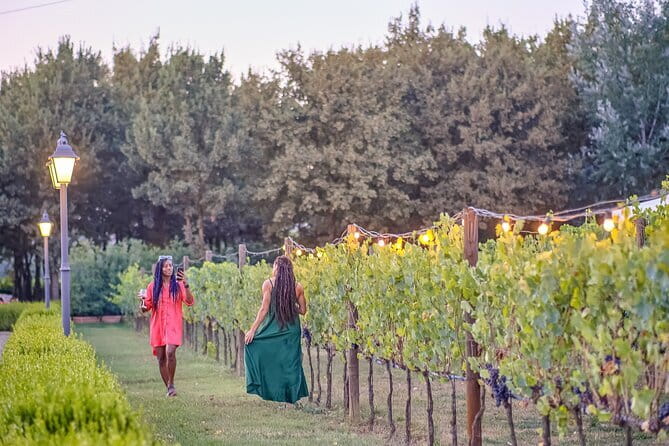
- Dinner at a working estate with multiple courses and wine pairings
- A coach ride that explains what you’re seeing, starting from central Florence
- Tea-for-two vibes at a set table when the weather cooperates, with outdoor seating possible
From Florence to Siena: the late-afternoon setup that matters
You start in Florence at Piazzale Montelungo at 2:45 pm. It’s a short walk from Santa Maria Novella (plan about 5–10 minutes), so this works best if you’re already staying near the main rail area or can get there easily.
The drive to Siena takes about an hour, and the guide fills that time with context about the city. That matters because Siena can feel like a maze at first. If you know what you’re looking for—Piazza del Campo’s layout, where key sights sit, why Gothic art shows up the way it does—you’ll get more out of your walk when the bus drops you off.
This is also a practical timing choice. Going later in the day means you’re less likely to feel swallowed by peak tourist crowds. It won’t feel empty, but it’s more comfortable for photos, wandering, and grabbing a drink before heading back to the countryside.
A few more Florence tours and experiences worth a look


Siena’s Piazza del Campo time: what you’ll do with your freedom
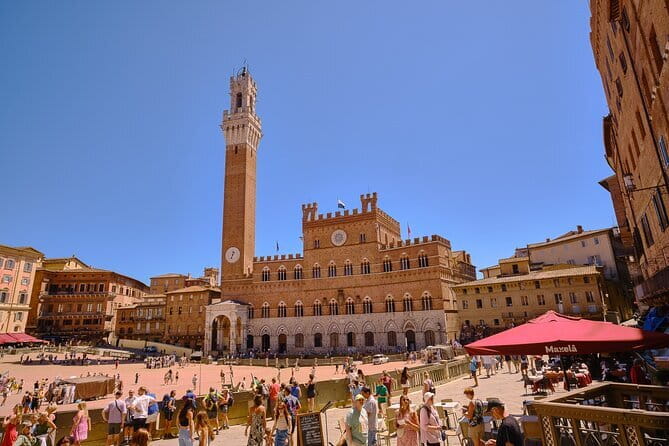
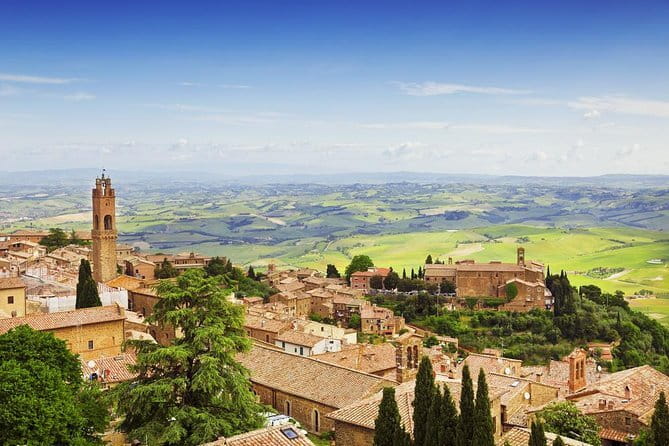
Once you arrive in Siena, you get time to explore on your own. This is the heart of the “culture” part of the evening: Piazza del Campo is a classic stop, and the Duomo is one of those places where the outside alone is worth it—plus the interior has frescoes and alternating white and black marble stripes.
You’ll want to use your time intentionally, because the tour doesn’t run you on a tight checklist. Think of it like this: you’re given a window to see the highlights, then you’re back on the coach heading for Chianti.
How to plan your Siena time
- If you care about cathedral interiors, try to aim for the Duomo sooner rather than last—hours can tighten as evening approaches.
- Piazza del Campo is easiest to enjoy slowly. Sit for a few minutes, watch people, and then walk the side streets in both directions so you don’t just skim the perimeter.
- Wear shoes you can walk in without stress. Siena’s streets are charming, but they’re not built for slow-motion comfort.
One fair warning
Some departures can feel like “drop-off and go,” especially if your group is large or timing shifts. If you want a fully guided walk through Siena’s details, you might prefer a tour that keeps you with the guide the whole time. Here, the guide’s big work happens on the bus before you arrive.
The Chianti drive: olive groves, hills, and a region explained
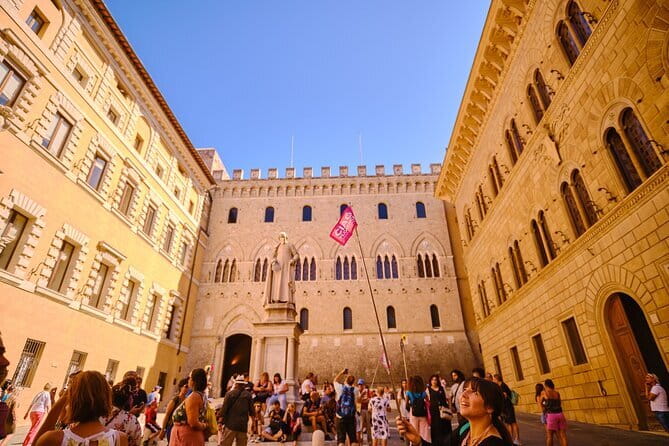
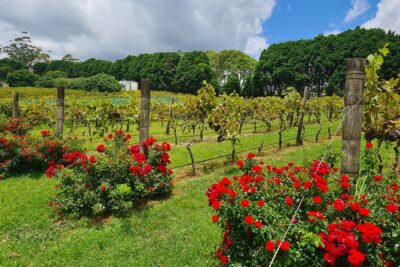
After Siena, the scenery changes quickly. You head toward Panzano in Chianti and then into nearby towns and estates around Chianti proper. The region is famous for ruby-red wine, but on this route you’ll also get the visual story: vineyard slopes, olive groves, and the farm-road feel that makes Chianti feel more like a living place than a postcard.
The guide’s role during the ride is to connect the scenery to the wine—why grapes grow here, what happens after harvest, and what people mean when they say Chianti is about blends and aging.
This part is underrated. The more you understand before you taste, the more you’ll notice in the glass.
A few more Florence tours and experiences worth a look
Winery stop one near Castellina: what a guided estate visit should feel like
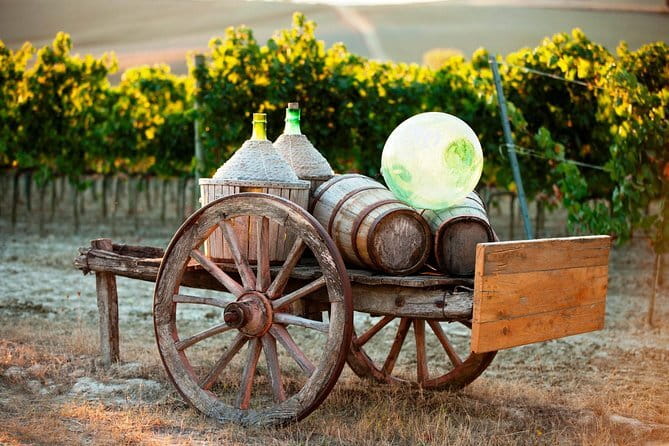
Your first winery visit is in the Castellina in Chianti area. This is where you should expect a guided visit of the estate and a tasting that covers Tuscan wine basics.
The experience is built around learning how wine is made and aged. In a perfect version of the evening, that includes a walk through the cellar area and an explanation of what happens after the grapes become juice—how aging shapes flavor. Some guests specifically praised learning about what makes Chianti blends taste the way they do.
What to watch for
A few guests reported that the cellar tour felt short or more “walk-through than deep explanation.” That doesn’t mean it’s always like that, but it does mean you should approach this stop as an educational estate visit that may vary with the schedule, timing, and group size. If you’re the type who wants to ask lots of production questions, bring them—politely—but do expect that the staff may keep things moving.
You also get a tasting element that goes beyond wine. The tour includes olive oil tasting along with winery tastings, which is a nice bonus if you want something regional that isn’t just fermented grapes.
Winery stop two by Strada Statale 222 Chiantigiana: dinner with pairings
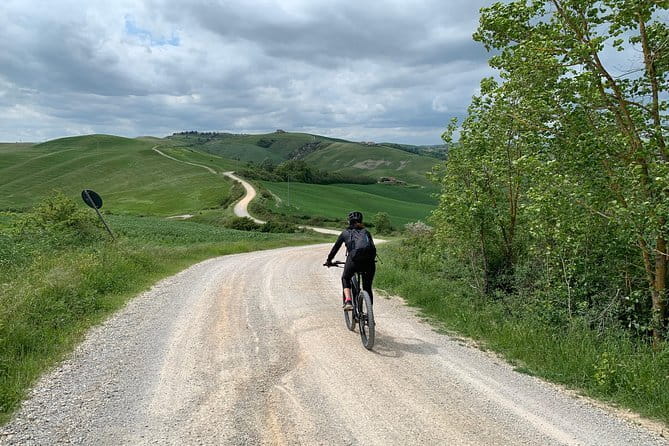
The second estate stop is associated with the Strada Statale 222 Chiantigiana area. This is where the evening leans hardest into the “Chianti dinner” fantasy: views from the hillside, a prepared table either among the vineyards or in a farmhouse setting, and courses built from local seasonal products.
The dinner plan typically includes:
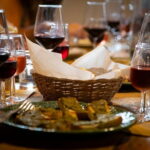
- Appetizers such as bruschette, salami, and fresh cheese
- A home-cooked pasta dish made from local products
- Wine pairings with multiple pours, including Chianti Classico
- Dessert to close things out
Weather and timing really matter here. If the evening stays clear and daylight holds, you get the best version: sunset, long shadows, and that countryside glow. If the group arrives later—due to road delays or earlier timing—some guests described being seated indoors with less chance to wander the grounds or capture “golden hour” photos.
The wine pairing reality check
The description says you can expect up to four glasses paired with dinner. In practice, wine pours may be smaller depending on how the estate structures the tasting and how fast the group moves between courses. Some guests felt the pours were more like multiple tastings than full glasses, especially when dinner and wine were served in a tight schedule.
Either way, the pairing format is still the point: you’re learning how the wines change across the meal.
Wine tasting and food quality: what’s likely to impress you
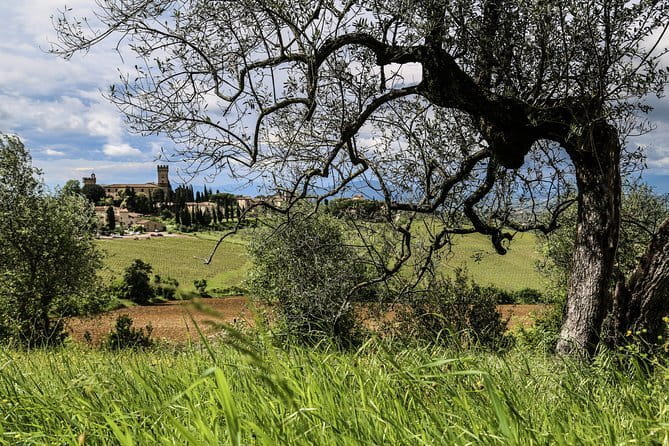
This tour is best for people who enjoy learning while they eat. Many guests highlighted that the winery hosts felt genuinely passionate during the tasting, and the meals came off as home-style Tuscan food rather than a generic tourist dinner.
What tends to land well:
- The way wine is explained in simple terms during the meal
- Food that matches the region (cheese, cured meats, simple pasta)
- The overall calm, country setting
The spots where opinions diverge
A handful of guests were less thrilled with the dinner execution—describing chewy meat portions, basic dessert choices (like biscotti), or food that felt more like standard restaurant service than a “chef moment.” That doesn’t mean you’ll get a bad meal, but it does mean expectations should stay grounded: this is an estate dinner, not a Michelin tasting menu.
If you’re a big eater, consider this: even when courses are multiple, portions may still feel modest. Plan to be satisfied, not stuffed.
Price and value: is $106.65 a good deal?
At $106.65 per person, you’re paying for a bundle: roundtrip coach transport, two winery visits with tastings (plus olive oil), and a 4-course Tuscan dinner with wine pairings.
Here’s how I’d judge the value:
- If you normally pay separately for train/bus day travel, a winery tasting, and a winery-style dinner, the total usually climbs fast.
- This combines all of that into one organized afternoon with a guide doing the heavy lifting.
The only reason the value might feel shaky is if you wanted a longer guided tour at the wineries or a deeper wine tutorial than what the schedule allows. Also, if you have strong preferences about outdoor seating at sunset, weather and delays can change the outcome.
Still, for most people, the “two estates + dinner + wine” part is where the money makes sense.
Logistics that can make or break your experience
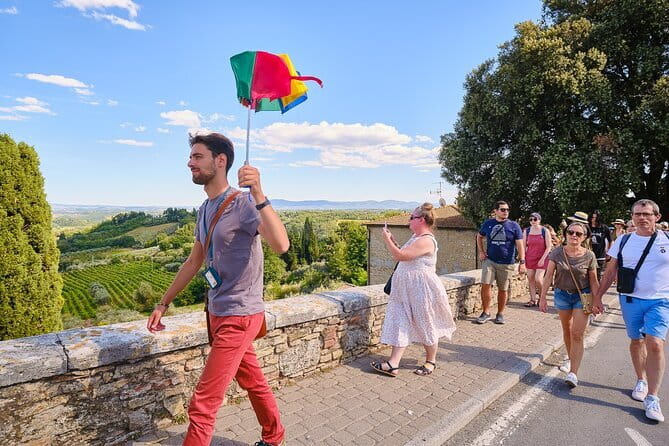
This is a meet-and-go tour. Hotel pickup isn’t included, so you’ll need to be at Piazzale Montelungo when you’re supposed to be there. Bring some slack into your schedule. Even 10–15 minutes matters when the bus timetable is running.
Two more practical tips based on what can happen on real afternoons:
- Bring a light layer. Even in warm months, winery dinners can get cooler once the sun drops.
- Be ready for some walking. You may not do a long hike, but you’ll move around city streets and estate grounds.
Also, A/C is listed as included via the air-conditioned vehicle. On hot days, I’d still recommend dressing like it might be warm for at least part of the ride and carrying water if you’re prone to overheating. The goal is to avoid letting one uncomfortable segment ruin the entire evening.
Who should book this tour—and who should consider alternatives
This tour suits you if:
- You want Siena at a calmer hour rather than fighting daytime crowds
- You like wine pairings with dinner and enjoy learning in the moment
- You want a smooth one-day structure that’s hard to DIY with the same timing
It might not suit you if:
- You want an intensive, step-by-step guided cellar experience lasting a full afternoon
- You’re very picky about getting long outdoor time at the second estate
- You expect a perfectly fixed itinerary that never changes due to traffic or timing
If you’re traveling with limited mobility, plan carefully. Some guests noted buses parking farther than expected, which can make walking harder. The tour is described as most travelers can participate, but “can” and “comfortable” are not the same thing.
Should you book Chianti Delights?
My take: yes, if your priority is a guided evening structure with Siena + two Chianti estate experiences. The best version of this day feels like two worlds in one: medieval Siena first, then a relaxed farmhouse dinner in wine country.
Book it if you can flex on minor variations—like how much vineyard wandering you get, or whether the wine pours feel like full glasses or structured tastings. When the timing works, the combination is exactly the kind of Tuscany evening that feels worth planning for.
Don’t book it if you’re chasing a very strict, museum-style guided tour experience at the wineries. For that, you’ll likely be happier with a tour that keeps you in the cellar longer and stays more hands-on throughout.
FAQ
What time does the tour start in Florence?
The tour starts at 2:45 pm.
Where do I meet for the tour?
You meet at Piazzale Montelungo, Firenze FI, Italy.
Is hotel pickup included?
No. Hotel pickup and drop-off are not included, and the tour ends back at the meeting point.
How long is the experience?
It runs for about 7 hours 30 minutes.
How many wineries do you visit?
You visit 2 wineries in the Chianti area, with tastings included.
Do I get dinner and wine during the tour?
Yes. You’ll have a 4-course Tuscan dinner paired with up to four glasses of estate-produced wines, plus wine tasting.
Is the tour offered in English?
Yes. English is offered, and English and Spanish are always guaranteed.
What about dietary requirements?
You should advise dietary requirements at time of booking.
Is there a maximum group size?
Yes. The tour has a maximum of 30 travelers.
Can the tour be canceled, and is there a refund?
Free cancellation is available. You can cancel up to 24 hours in advance for a full refund, and the tour can also be canceled due to poor weather or if a minimum number of travelers isn’t met.
You Might Also Enjoy
More Dinner Experiences in Florence
More Dining Experiences in Florence
More Tour Reviews in Florence
- Tuscany Day Trip from Florence: Siena, San Gimignano, Pisa and Lunch at a Winery
★ 5.0 · 21,634 reviews