REVIEW · PARIS
Champagne Day Trip with 6 Tastings, Reims and Winery from Paris
Book on Viator →Operated by Blue Fox Travel - Blue Bike Tours - Paris · Bookable on Viator
Six Champagne pours, one long day. This Paris-to-Champagne outing takes the heavy lifting off your plate with round-trip minivan transport and a tight plan for family-style tastings and big-name sights. You’ll cover vineyards, a UNESCO abbey tied to Dom Pérignon, and the Gothic drama of Reims in just one go.
What I love most is the match-up of styles. You get the contrast between a larger established house like Nicolas Feuillatte and a hands-on visit with a small producer at Champagne DOMI, where you meet Stéphane and see the press and cellars up close. I also like that the day stays small (max eight), so the guide can actually talk with you, not just perform a countdown.
One drawback to plan for: it’s a long day, and lunch in Épernay is not included. You’ll get about an hour for town time, so you’ll want to come ready to pay for your own meal and keep moving.
In This Review
- Key Highlights Worth Booking
- Why This Champagne Day Trip Works So Well From Paris
- Price and What You’re Actually Paying For
- The Early Start From Paris: What to Expect Before You Taste
- Champagne-Ardenne Vineyard Walk: Grapes, Terrain, and Real Farming
- Nicolas Feuillatte: Big House Tour and Three Glasses
- Hautvillers Abbey and Dom Pérignon’s Tomb Moment
- Reims Cathedral: Gothic Power With Time to Roam
- Champagne DOMI With Stéphane: Small Producer, Up-Close Cellars
- Épernay Free Hour: Lunch on Your Terms
- What Makes the Guides Matter (and How to Use Their Energy)
- Small-Group Pace: Packed, but Not Chaotic
- Tips, Tastings, and the Reality of Champagne Quantity
- Should You Book This Champagne Day Trip From Paris?
- FAQ
- How long is the Champagne day trip, and what time does it start?
- How many people are in the group?
- Is the tour offered in English?
- What tastings are included?
- Where does the tour go besides the wineries?
- Is lunch included?
- Is a mobile ticket provided?
- Can I cancel for a full refund?
Key Highlights Worth Booking
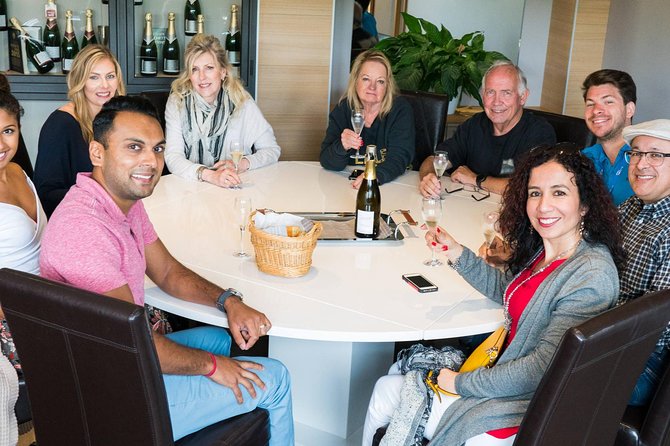
- 8-person cap keeps the pacing human and the questions coming
- 6 Champagne tastings across two very different producers
- UNESCO Hautvillers Abbey plus Dom Pérignon’s gravesite moment
- Reims Cathedral visit with guided context and time to wander for photos
- Épernay free hour to pick your lunch wherever you like
- Air-conditioned minivan means no train transfers and less time lost
Why This Champagne Day Trip Works So Well From Paris
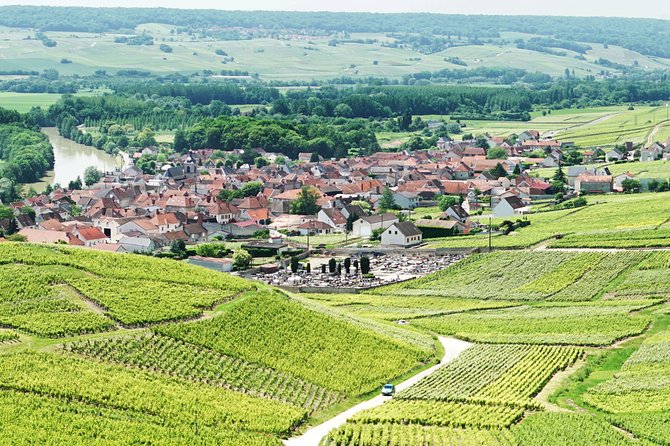
A Champagne day trip can turn into a schedule headache fast. This one is built for people who want the countryside and the wine, without figuring out buses, schedules, and last-minute ticket hunting. You start early in Paris (7:00 am) and return the same way, with air-conditioned minivan transport included.
The big value here is focus. You’re not trying to cram Champagne plus three train changes plus a cathedral and a town into one day. Instead, you get a guided sweep of the region’s key landmarks, then enough time at each stop to actually absorb it.
Also, the small-group size matters more than you’d think. When the group stays under eight, guides can slow down when someone has questions about grapes, harvest timing, or how the bubbles get made.
You can also read our reviews of more wine tours in Paris
Price and What You’re Actually Paying For
At $278.14 per person for an 11-hour day, this isn’t a budget trip. But you’re paying for several things bundled together: round-trip transport from Paris, an expert local guide, multiple structured stops, and Champagne tastings at two different wineries.
Here’s the practical math. You’re getting (at least) 6 tasting experiences plus winery tours and admissions that would be harder to stack yourself without buying transport and guide time. On the other hand, lunch is on you, and tips aren’t included (guides prefer cash tips, though a bottle of good wine can also work).
So if you’re the type who likes a plan with clear value, this price usually makes sense. If you’d rather control every detail yourself and you’re comfortable with train schedules, you might find cheaper DIY options. But for most visitors, the convenience and structure are the point.
The Early Start From Paris: What to Expect Before You Taste
The day runs long, and it begins early. The meeting point is at Dada12 Av. des Ternes in the 17th arrondissement, and you’ll be on the road at 7:00 am. Even with comfortable minivan seating, you’ll want to treat the morning like a real start, not a casual stroll.
A useful detail: the drive time can feel significant because you’re covering multiple towns and villages. One operator note described the driving as around 3.5 hours total, depending on the day. That helps explain why the stops are well timed and why you’ll want to keep your energy for the tastings and cathedral time.
Dress for the whole day, not just Paris weather. The tour operates in all weather, so bring layers you can adjust. Think comfortable shoes for the vineyard walk.
Champagne-Ardenne Vineyard Walk: Grapes, Terrain, and Real Farming
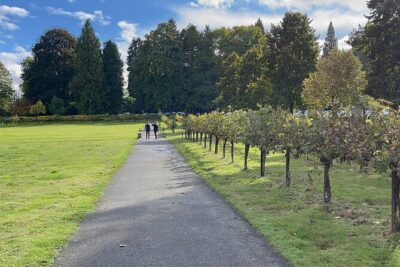
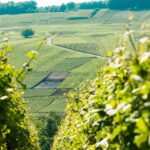
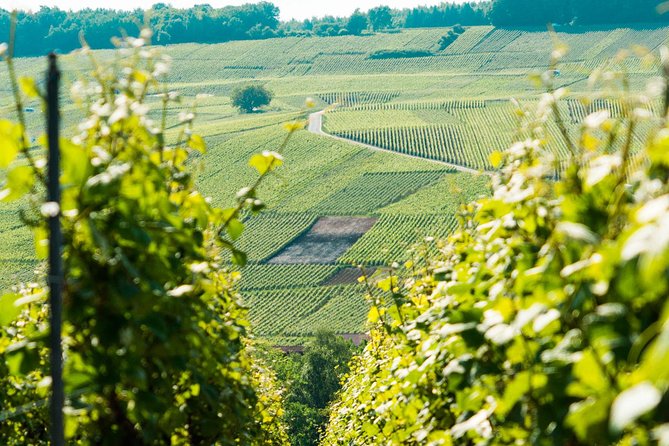
Your first stop is Champagne-Ardenne, where the scenery does the selling. You’ll see Chardonnay and Pinot Noir grapes on the rolling hills that define the region, then take a walk through a vineyard with your guide.
This part is more than postcard views. It’s where you learn how the landscape shapes the Champagne grapes and why growers care about techniques for growing and harvesting. You’ll also get a feel for how vineyard work affects the final wine style.
The practical plus: it’s a chance to shift from city mode to countryside mode. The pace slows down, the light often looks great for photos, and your guide can connect what you see in the vines to what you’ll taste later.
Nicolas Feuillatte: Big House Tour and Three Glasses
Next up is Nicolas Feuillatte. This is a major Champagne name, and it’s framed as a favorite of people in France. You’ll tour the facility and then taste three glasses of Champagne.
This stop is useful because it shows Champagne at a larger production scale. You’ll likely see more automation and standardized processes than at smaller houses, which helps you understand why some Champagne styles taste consistent from year to year while others lean more toward specific grower choices.
What to keep in mind: the experience is structured, so don’t expect this to become a slow, wander-at-your-own-pace museum. It’s a guided visit with a tasting built in, so listen closely and take notes if you want to compare flavors later.
A few more Paris tours and experiences worth a look



Hautvillers Abbey and Dom Pérignon’s Tomb Moment
Then comes a UNESCO-linked stop with serious Champagne mythology. At Abbaye Saint-Pierre d’Hautvillers, your guide covers the abbey and its church, and you’ll hear about Dom Pérignon, who lived here in the 1600s.
After the church visit, there’s a graveside moment tied to Champagne’s best-known monk. The stop is brief, but it lands emotionally because it’s not abstract wine history. You’re standing where the story became part of the region’s identity.
This is also one of the easiest stops to enjoy even if you’re not a total wine nerd. You get architecture, a real sense of place, and a short guided context that makes the cathedral and winery visits feel connected.
Reims Cathedral: Gothic Power With Time to Roam
Reims Cathedral is where the day shifts from wine countryside to cathedral-scale art. It’s over 800 years old, known for Gothic details and extensive stone carvings both inside and out. Your guide shares the background, then you get about 20 to 30 minutes to explore on your own.
That self-time matters. You can choose what to see rather than being swept through like a checklist. If you’re after photos, this is the window where you can step back, frame, and capture those carvings without feeling rushed.
Practical tip: this is a good moment to regroup. If you’ve been up since early morning, you can use the cathedral time to reset your pace before the second winery tasting portion of the day.
Champagne DOMI With Stéphane: Small Producer, Up-Close Cellars
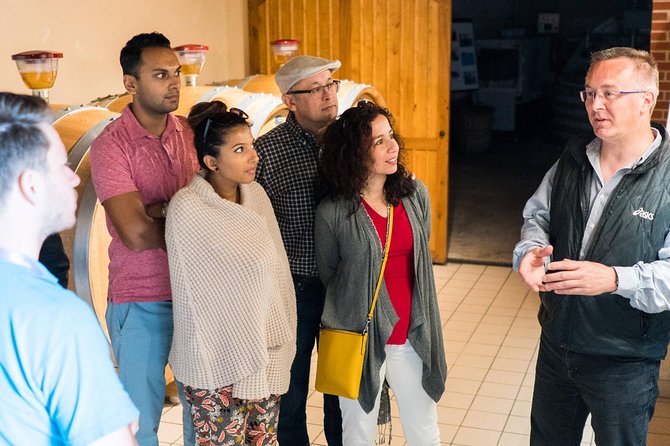
At Champagne DOMI, you meet Stéphane, a vintner who explains the Champagne-making process end to end. This is the hands-on stop that many people remember most, because you don’t just taste and leave.
You’ll get up close to equipment like the wine press and you’ll see racks of Champagne bottles in the cellars. Then the tasting portion is led with you sampling three to four different Champagnes.
This is where the region stops being just scenery and starts becoming technique. If you like learning why bubbles show up the way they do, and you enjoy comparing styles across different wines, this stop delivers.
One detail to know: the small-producer partner lineup can vary. The tour description notes you might visit another small producer on the day, since there are a few partners. Don’t worry about it too much. The key is that this portion of the day is designed for personal, close-up learning.
Épernay Free Hour: Lunch on Your Terms
Épernay is often called the capital of Champagne, and your guide takes you through the old town highlights before turning you loose for time on your own. You’ll have about an hour to explore and eat lunch.
Lunch isn’t included, so you’ll need to plan to spend your own money here. The upside is choice. You can pick something casual or sit down based on what you feel like after a full morning of driving and tastings.
If you want maximum value from that hour, do a quick scan when you arrive. Decide early whether you’ll shop a bit, walk for photos, or focus on finding lunch. This stops you from wasting the best part of your free time circling the same blocks.
What Makes the Guides Matter (and How to Use Their Energy)
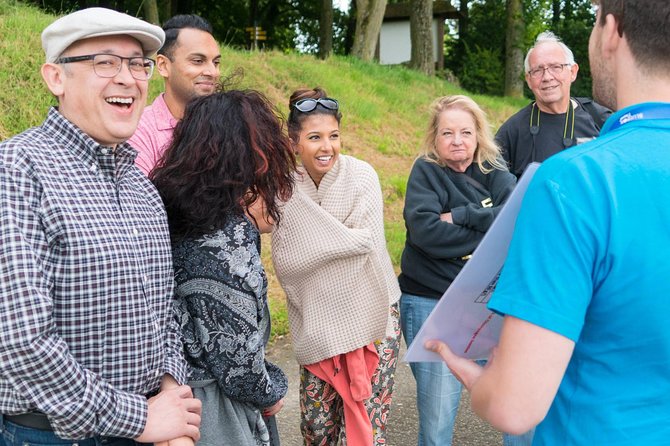
A tour like this rises or falls on the person leading it. This one benefits from guides who can connect the dots between vineyards, Champagne houses, and regional history.
In the groups I looked at, names like Matt, Julian, Clément, Frankie, Matthew, John, Philippe, Carlyle, Enzo, Bruno, and Stéphane (at DOMI) show up. Even when the guide’s accent varies, the better ones do the same core thing: they keep translating the wine process into plain talk and they give you time to ask questions.
One practical note from past experiences: English can sometimes be easier when you pay attention in the moment and don’t hesitate to ask the guide to repeat. If you want the best outcome, come with at least one question ready, like how Champagne grapes differ by plot, or what changes tasting most from one house to another.
Small-Group Pace: Packed, but Not Chaotic
This is a full day with many stops, so it can feel busy. But the structure is what saves you. Each stop has a defined duration, and the tour includes transportation so you’re not stuck negotiating your own schedule.
Still, manage expectations. This isn’t a slow weekend in Champagne where you linger over lunch and watch the light shift on the vines. It’s an efficient day designed to show you the region’s main pillars: grapes, production, iconic religious sites, and a Champagne town you can actually walk.
If you’re sensitive to long days, build in patience. Wear comfortable shoes, bring water when allowed, and treat your lunch hour as a reset.
Tips, Tastings, and the Reality of Champagne Quantity
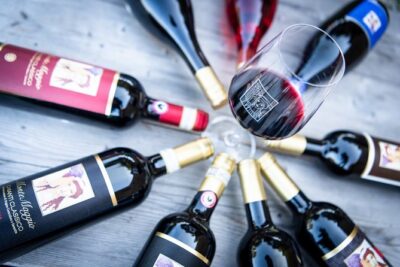
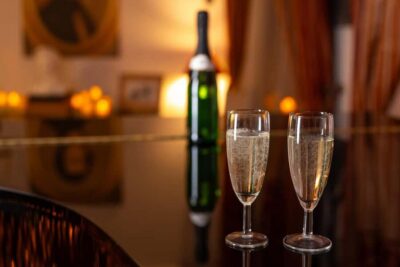
The tour is built around tastings: Nicolas Feuillatte includes three glasses, and Champagne DOMI includes three to four Champagnes. That totals the expected 6 tasting moments tied to the two main producers.
One note to keep your expectations realistic: tastings are controlled by time and by how the producers schedule groups. If you’re the kind of person who wants to drink Champagne for hours, you might feel the pours are limited. But if your goal is learning and comparing, you’re in the right place.
Also plan for extras. Tips are not included, and guides prefer cash tips. Bottles of good wine can also be accepted, if that’s your style.
Should You Book This Champagne Day Trip From Paris?
Yes, if you want a guided Champagne introduction with less logistics stress than DIY. This tour is best for first-timers who want vineyards, two wineries with very different approaches, and landmark stops like Hautvillers Abbey and Reims Cathedral without juggling transport.
Book it if you value:
- a small group up to eight people
- structured winery access and guided tastings
- seeing both a larger Champagne house and a smaller producer
- having a genuine lunch window in Épernay, even if lunch costs extra
Skip it if you’re determined to drink a lot more than tastings allow, you hate early mornings, or you want long, unstructured downtime.
If you do book, I’d go in with one goal: choose two or three Champagnes you enjoy most at the tastings, then use the rest of the day to compare flavors and learn what you liked. That turns a good day into a memorable one.
FAQ
How long is the Champagne day trip, and what time does it start?
The tour runs about 11 hours and starts at 7:00 am, with a return to the original meeting point in Paris.
How many people are in the group?
It’s a small-group tour with a maximum of 8 travelers.
Is the tour offered in English?
Yes, the tour is offered in English.
What tastings are included?
The experience includes 6 Champagne tastings across two wineries: Nicolas Feuillatte and Champagne DOMI (with Nicolas Feuillatte featuring a tasting of 3 glasses, and DOMI offering 3–4 different Champagne wines).
Where does the tour go besides the wineries?
You also visit Abbaye Saint-Pierre d’Hautvillers (including Dom Pérignon’s graveside) and Cathedrale Notre-Dame de Reims, plus you spend time in Épernay.
Is lunch included?
No. Lunch is not included, even though you get free time to eat in Épernay.
Is a mobile ticket provided?
Yes, the tour includes a mobile ticket.
Can I cancel for a full refund?
Yes, you can cancel up to 24 hours in advance for a full refund. Canceling less than 24 hours before the start time won’t be refunded.