REVIEW · LISBON
Wine and Cheese Tasting Lunch in Portuguese Wine Bar
Book on Viator →Operated by From The Vine - Portuguese Wine Tasting Bar · Bookable on Viator
A two-hour lunch that teaches Portuguese wine fast. You get six wines from six regions with cheese and charcuterie, guided in English by hosts like Caio, Kyle, and Ricardo, and it’s a good intro if you want more than just ordering a glass. The main catch: the room can feel cramped and loud, especially on busy days.
I also like how the tasting is built for interaction. You’re not stuck watching a slideshow; you’re tasting, pairing, and learning how the wines connect to Portuguese culture and terroir. One more thing to consider: you’ll be eating a lunch-style plate, not a heavy multi-course meal, so come hungry but keep expectations realistic about portions.
In This Review
- Key points before you go
- Portuguese wine education at a Lisbon lunch bar
- How the 2 hours usually feel (timing that works)
- The six Portuguese wine regions: what you’re really learning
- Pairing lunch: cheese and charcuterie that guide your palate
- What the guides bring: from humor to real technique
- Price and value: is $72.56 worth it?
- Where to start in Lisbon: who this tour suits best
- Practical tips to make your tasting better
- The booking decision: should you go?
- FAQ
- What is included in the Wine and Cheese Tasting Lunch?
- How long does the experience last?
- What time does it start in Lisbon?
- Where do I meet for the tasting?
- Is transportation included?
- What is the cancellation policy?
Key points before you go
- Six wine regions, one tight tasting format: you’ll move from white to red and learn what makes each area different.
- Cheese and charcuterie pairings that actually explain the why: the food is there to guide your palate, not just fill space.
- Small group size (up to 16): easier questions and more personal pacing.
- Hosts bring personality: several guides are described as funny and engaging, not stiff or lecturing.
- A lunch setting, not a formal winery tour: great if you want education without travel time.
Portuguese wine education at a Lisbon lunch bar
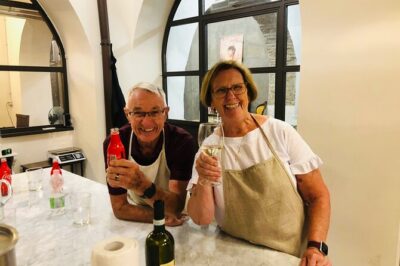
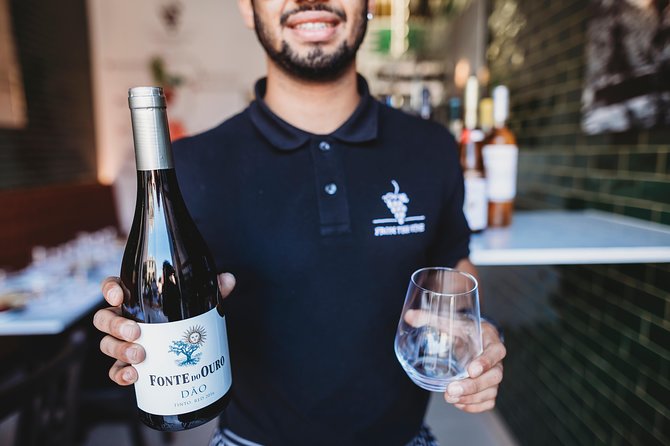
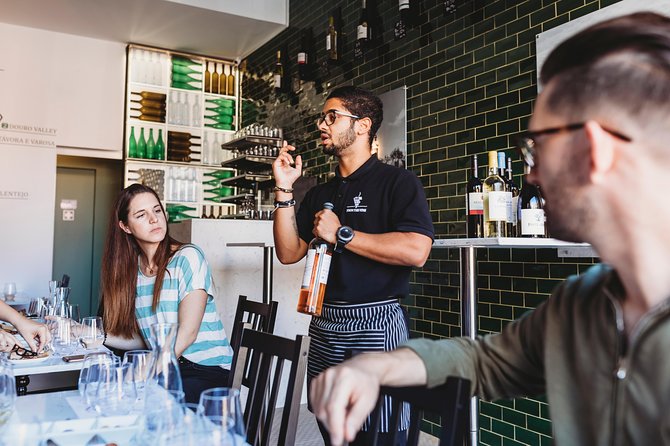
If you want Lisbon-style wine time, this is it. You meet at a Portuguese wine bar in the Alfama-area-adjacent zone—Tv. do Fala-Só 15C—and your afternoon starts with a tasting that’s designed to make sense quickly. The setup is simple: you taste, you compare, and you learn how Portuguese winemaking shaped local food culture and history.
What makes this especially appealing is the format. Instead of one slow pour and a vague label discussion, you get six different wines, each tied to a specific part of Portugal. That structure turns your brain on. You start noticing how acidity, fruit, spice, and tannins show up differently from region to region.
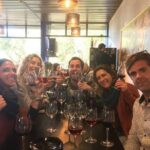
Now, about that setting. The bar is small and intimate, which is great for attention—but it can also mean it gets loud. On a hot day, a cramped room is not anyone’s favorite place to sit through multiple pours. If noise bugs you, choose your day wisely and arrive a touch early so you’re not stressing.
You can also read our reviews of more food & drink experiences in Lisbon


How the 2 hours usually feel (timing that works)
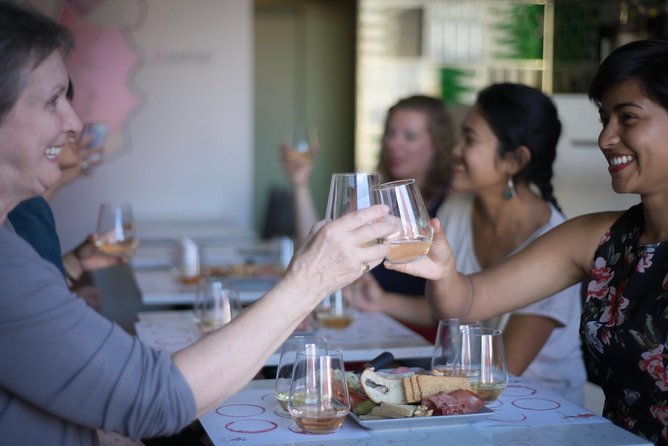
The experience runs about two hours, starting at 1:00 pm. That timing is perfect for travelers who want a midday plan that doesn’t swallow the rest of the day. You’re also doing it in a neighborhood setting, so you don’t need to think about getting out to the countryside or waiting for transport.
In practice, a tasting like this usually follows a rhythm:
- A short intro to what you’re tasting and where it comes from
- A pour, then pairing with cheese and charcuterie
- A quick lesson on what to look for in taste and aroma
Because the group is capped at 16, you get more time to ask questions and compare notes in real time. When it’s a small group, you don’t spend the whole session playing guess-the-bottle. The host can react to your questions and steer the tasting based on what people are noticing.
There are a few details to keep in mind. First, you should plan on drinking several tastings—not just one glass. Second, this is a lunch-style experience. You’re eating alongside the pours, but it’s not a full restaurant feast with multiple cooked courses. If you’re sensitive to alcohol, pace yourself early.
The six Portuguese wine regions: what you’re really learning
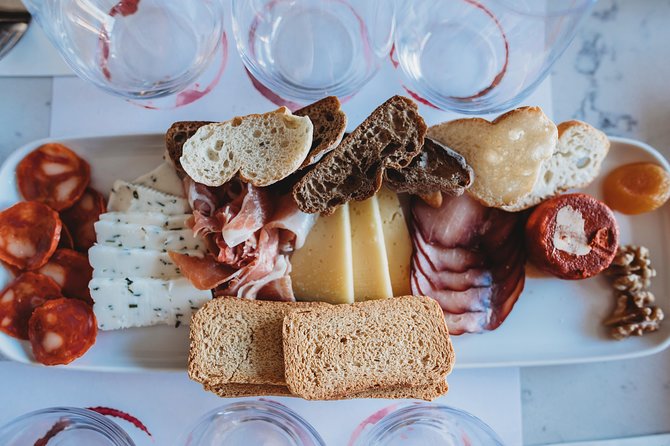
The headline is six wines from six Portuguese wine regions. That’s the value move here. Portugal has more going on than Port and the Douro bucket everyone knows. By tasting region-by-region, you start building a mental map: climate, grapes, and winemaking choices influence what you taste.
Even if you’re new to wine, you’ll benefit from the way the tasting is framed. The host talks about history and culture, then ties that context back to the glass. That connection matters. When you know a wine is shaped by its landscape, you stop treating labels as random.
Also, the tasting is designed to teach technique. The guide is working on your palate, not just reciting facts. You’ll be prompted to pay attention to:
- how wine smells (fruit, spice, earthy notes, oak effects)
- how it tastes (sweetness, acidity, tannin)
- how it changes after each pairing
One fun detail from the experience format: some sessions may include an extra pour—one description mentioned a muscatel on top of the main set. Don’t rely on an extra wine every time, but it’s a sign the bar can add variety if the flow allows.
Pairing lunch: cheese and charcuterie that guide your palate
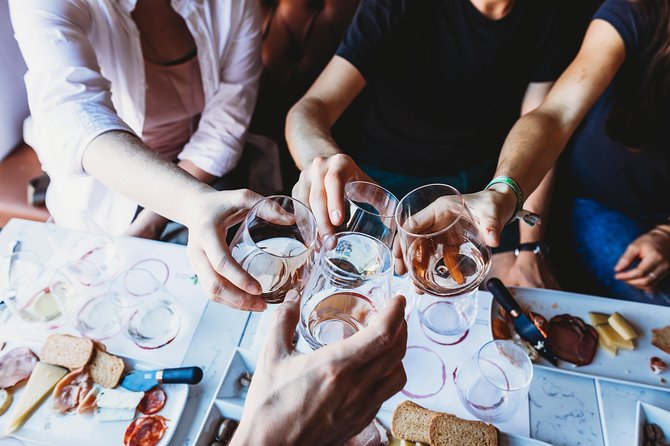
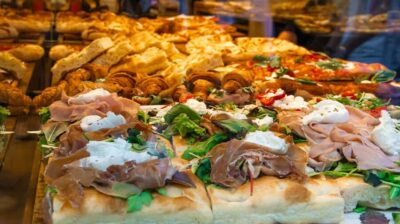
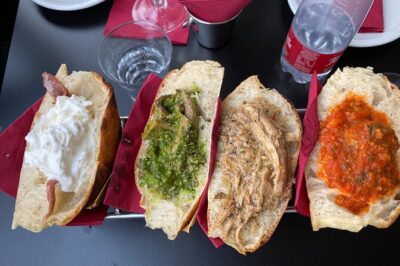
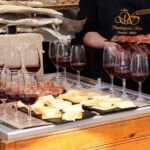
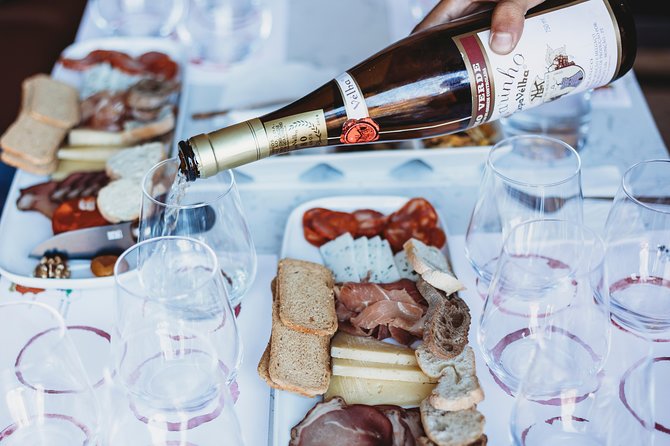
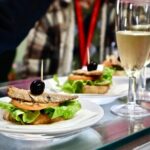
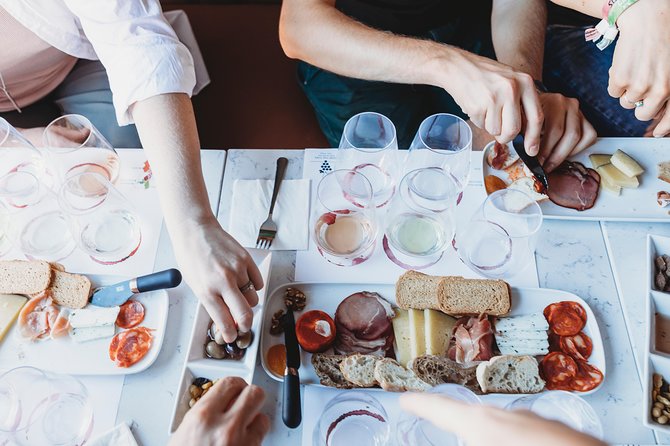
The food part is a big deal. The lunch includes cheese, charcuterie, and savory snacks paired with the wines. You’ll get bread and crackers with the charcuterie and cheese plate, based on the sample menu.
Why does this matter? Pairing turns wine tasting from a solo activity into a comparison game. When you eat something salty or fatty, you notice how it changes the wine. When you hit something with fruit or nuts, you pick up different flavors you might miss with wine alone.
In the best moments of this kind of tasting, you start tasting like this:
- Salty charcuterie can make acidity feel sharper or more refreshing.
- Creamy cheese can soften tannins and highlight texture.
- Savory sides and nuts can amplify spice or fruit notes.
Be aware of comfort and portion variability. One review described the room as cramped and the plate as small, even noting issues like fewer bread options than expected. That doesn’t mean it’s always like that, but it’s why you should come ready for a light lunch and not a gourmet banquet.
If you’re picky, this is still usually manageable because the tasting is paired with multiple items across the session. And at least one description mentioned the board being replenished when requested, which is a helpful sign if you finish your bites early.
What the guides bring: from humor to real technique
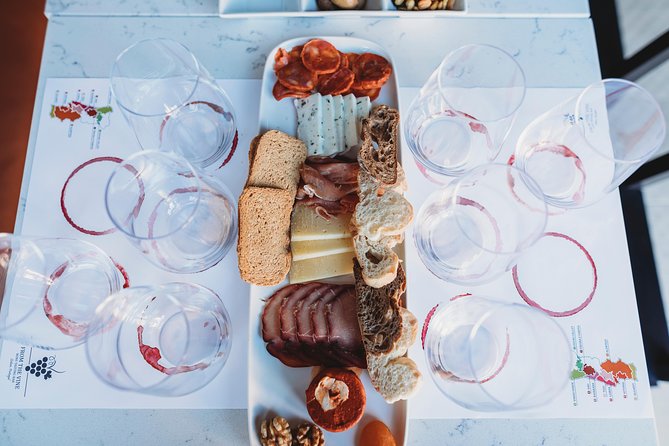
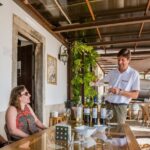
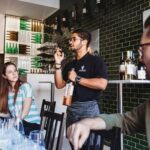
The guides are part of the product. Hosts named Caio, Kyle, and Ricardo show up in the descriptions, and the common thread is energy. Several notes highlight that the host is engaging, uses humor, and keeps the pace moving without rushing the group.
That matters for first-timers. If you’re intimidated by wine jargon, a good host translates. Instead of telling you what to think, they guide you to what to notice. That’s how you get confident faster.
You’re also getting something practical: tasting technique explained in plain terms. The goal is that by the end, you can walk into any wine bar in Lisbon and order with more intention. You might not become a sommelier overnight, but you’ll stop reading labels like they’re coded messages.
Small-group attention is the other big ingredient. With a cap of 16, the host can check in with people, repeat key points, and help you connect a flavor in the glass to a region story and then to what you ate.
You can also read our reviews of more wine tours in Lisbon




Price and value: is $72.56 worth it?
At $72.56 per person, this isn’t the cheapest lunch you’ll find in Lisbon. But the value math is pretty clear: you’re paying for six regional wines plus a paired lunch plate, led by a host in English, over about two hours.
If you were doing it on your own, you’d likely spend:
- money on multiple glasses (or one pricey tasting flight)
- extra time finding wines that cover different regions
- some cost just to learn what to taste for
Here, the structure does that work for you. You’re also paying for curation of the pairing experience—the “why” behind the food and wine match, plus the technique coaching.
The risk to consider is your personal preference for format. If you want a quiet, slow, sit-down tasting with deep winery stories and a calm atmosphere, a small bar with multiple pours in a set time can feel more like a party than a workshop. On the flip side, if you like social learning, this style usually hits the sweet spot.
Where to start in Lisbon: who this tour suits best
This works best if you’re one of these travelers:
- You want a smart introduction to Portuguese wine regions beyond Port
- You like learning by tasting rather than reading
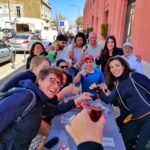
- You’re okay with a casual bar setting and a bit of social energy
- You’re traveling solo or with a small group and want a shared activity
It’s also a solid choice for bad-weather days. One description called it a great way to pass a rainy afternoon, and the bar setup fits that idea: you stay indoors, you warm up with wine, and you keep moving on with your day.
What about couples? Great for two people, too. Some sessions run with very small groups, which can make the pace even more comfortable. For larger groups, the main thing to watch is noise and space.
If you’re very sensitive to loud rooms or heat, I’d aim for a quieter time and plan your seating position as soon as you arrive.
Practical tips to make your tasting better
You’ll get more out of this experience if you treat it like a learning exercise, not only a drink. Here are a few practical moves:
- Pace your sips. You’re sampling six wines, and the session moves along.
- Take short notes on aroma and flavor. Even a few words per wine helps you remember the regional differences.
- Focus on pairings. Don’t skip the food—cheese and charcuterie are part of the lesson.
- Ask questions early. With a small group, questions tend to get answered well before the tasting gets hectic.
Also, bring the right vibe. This is described as fun, informal, and sociable. If you expect a hushed museum tour, you may not enjoy it as much.
On the logistics side, private transportation isn’t included, so you’ll likely use public transit or walk from your lodging. The meeting point is near public transportation, and the activity ends back at the start point.
The booking decision: should you go?
Book this if you want a high-value Portuguese wine intro paired with cheese and charcuterie, in a tight two-hour window. It’s a good match when you like hands-on tasting, you want to learn the “how to taste” basics, and you don’t want the hassle of a longer winery day.
Skip it if your top priority is quiet space and slow, formal instruction. The bar environment can feel cramped, and it can get loud. Also, if you’re hoping for a big full meal, you should plan for a lunch plate rather than a heavy multi-course dining experience.
FAQ
What is included in the Wine and Cheese Tasting Lunch?
The experience includes lunch with a tasting menu of cheese, charcuterie, and savory snacks, paired with 6 wines from 6 different Portuguese wine regions.
How long does the experience last?
It lasts about 2 hours.
What time does it start in Lisbon?
The start time listed is 1:00 pm, and it ends back at the meeting point.
Where do I meet for the tasting?
You meet at Tv. do Fala-Só 15C, 1250-096 Lisboa, Portugal.
Is transportation included?
No. Private transportation is not included. The meeting point is described as being near public transportation.
What is the cancellation policy?
You can cancel for a full refund if you cancel at least 24 hours before the experience’s start time. If you cancel later than that, the amount paid is not refunded. Free cancellation is available up to that 24-hour cutoff.