REVIEW · SANTIAGO CHILE
Santiago: World-class Wines, Visit to 4 Vineyards and Tanino
Book on GetYourGuide →Operated by Best Trip Chile · Bookable on GetYourGuide
Four wineries, one long, wine-filled day in Chile.
I love the small-group pace and the mix of organic/biodynamic Emiliana-style viticulture with classic Casablanca favorites like sparkling-focused Viñamar. You get pick-up and drop-off from central Santiago areas, so the day feels efficient and relaxed. The main drawback to plan for: lunch at Tanino (at Casas del Bosque) is not included, and some people find the pricing hard to justify.
This is built for wine-and-nature lovers who want more than a quick pour. You’ll head out from Santiago toward the coast, passing through the Curacaví area on the way to the fertile Casablanca Valley, where the wineries slow you down (in a good way) and explain how Chilean wine gets made. One other practical thing: the exact order and the final vineyard lineup can change based on availability—especially on Mondays when Emiliana is closed and the tour swaps in Veramonte.
If you’re aiming for a smooth day with a helpful guide in English, Spanish, or Portuguese, this fits well. The group limit is 15 people, and many departures feel un-rushed at the tastings, with time to look around the grounds rather than feeling herded.
In This Review
- Key things to know before you go
- Price and what you’re really paying for (US$149)
- Pickup from central Santiago to the Curacaví and Casablanca route
- Emiliana Organic Vineyards: biodynamic ideas you can actually picture
- Viñamar in Casablanca: sparkling history and classic structure
- Bodegas RE: boutique blends and a modern winemaking mindset
- Casas del Bosque and Tanino lunch: where the day turns into a sit-down
- Timing, pace, and why small groups matter
- How to make the day work: what to bring and how to taste smarter
- Guides and the multilingual experience (what to look for)
- Should you book this Santiago wine tour or skip it?
- FAQ
- How many vineyards does the tour visit?
- Is lunch included in the price?
- How long is the tour?
- Where is pickup available in Santiago?
- What languages are the guides?
- What happens on Mondays?
- Is the tour wheelchair accessible?
Key things to know before you go
- Up to 15 people: Small enough for real questions and personalized pacing.
- Casablanca Valley focus: You’ll move between vineyards that highlight different styles, from organic/biodynamic to sparkling and boutique blends.
- 4 vineyard stops, but 3 tastings are common: Casas del Bosque is where lunch happens, so your tasting time may be concentrated earlier.
- Lunch at Tanino is extra: Plan for a late, vineyard-setting meal and budget for it.
- Mondays can change the plan: Emiliana is closed, with Veramonte as the replacement organic stop.
- Bring layers for the morning: Some first stops can feel cooler than Santiago—one practical tip that comes up a lot.
Price and what you’re really paying for (US$149)
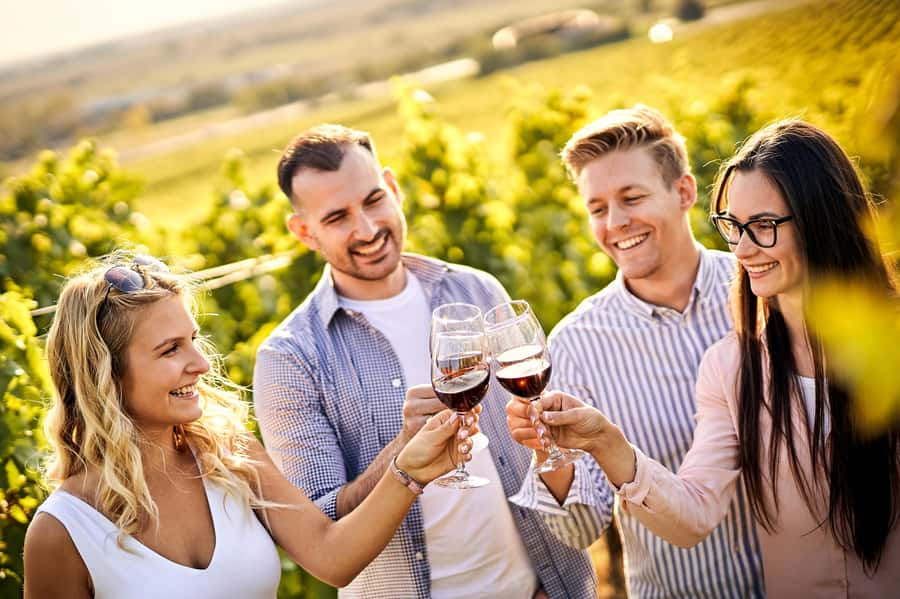
At $149 per person for a 10-hour day, the value is mostly in logistics plus wine access. You’re paying for round-trip transport with hotel/Airbnb pick-up in central neighborhoods, admissions at the key wineries, and guided tastings and explanations as you move from stop to stop.
If you tried to copy this on your own, you’d quickly run into the two big costs: a driver for the day (Casablanca Valley roads add up fast) and the time/effort to book multiple tastings in the right order. Here, the day is designed so you can just show up, taste, and learn without managing reservations between wineries.
Is it the cheapest wine tour in Santiago? Probably not. But if you care about variety—organic and biodynamic practices at one stop, sparkling at another, and a boutique blend experience at a third—this price starts to look fair.
You can also read our reviews of more wine tours in Santiago Chile
Pickup from central Santiago to the Curacaví and Casablanca route
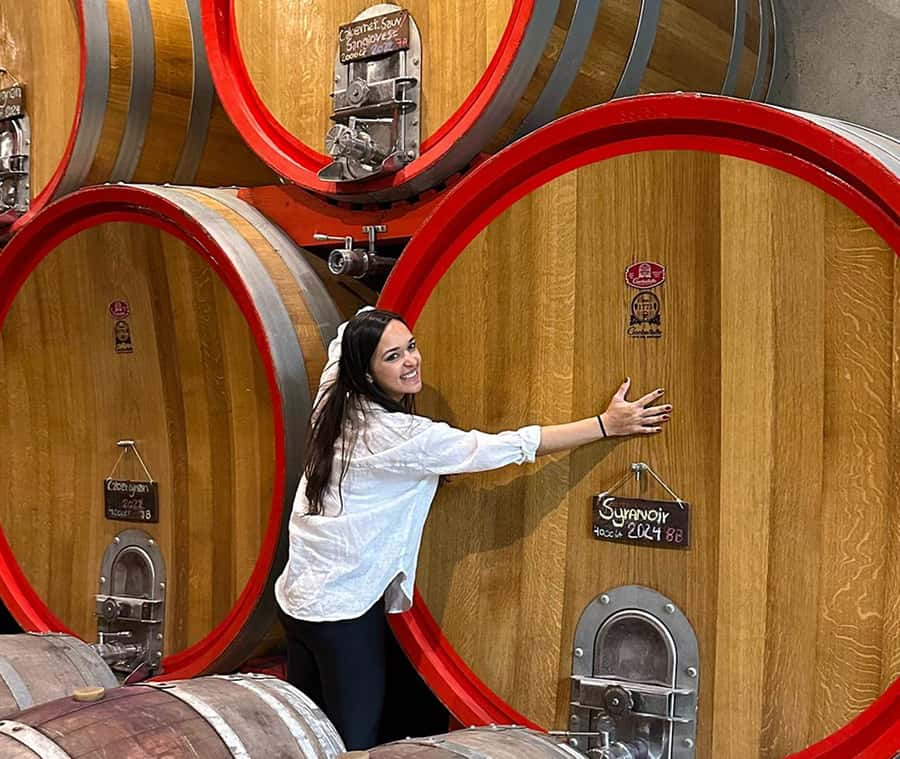
This tour is built around convenience. You’re picked up from most central Santiago hotels and Airbnbs in areas like Santiago Downtown, Providencia, Las Condes, and Vitacura. If your lodging is outside the pick-up zone, you’ll be directed to the nearest meeting point.
Once you leave the city, the route heads toward the coast. You’ll pass through Curacaví, a rural stretch that helps you understand why Casablanca does so well with grapes: it’s agricultural, green, and full of small-farm energy. After that, you settle into the winery circuit in the Casablanca Valley.
One thing to know: the vehicle is air-conditioned and designed for comfort, but a small number of groups have flagged that the AC wasn’t great on some departures and that not all seatbelts felt equally reliable. If you’re sensitive to heat or safety hardware, it’s reasonable to ask the driver early on to ensure the AC is working well.
Emiliana Organic Vineyards: biodynamic ideas you can actually picture
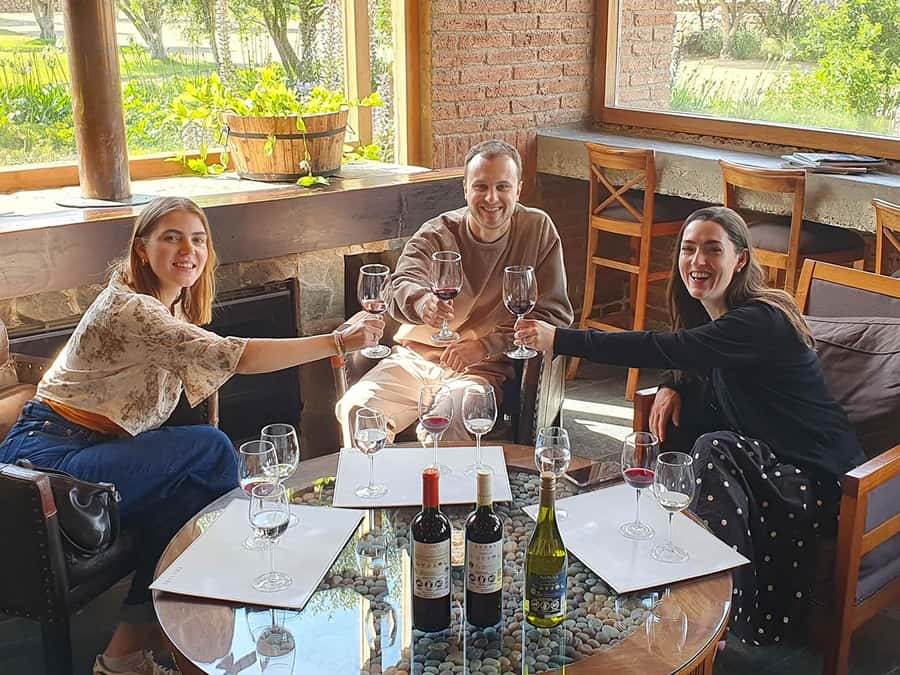
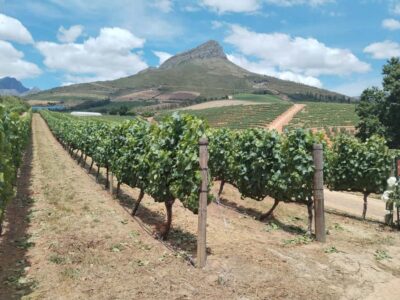
Emiliana is one of those Chilean winery names you’ll keep hearing, and for good reason. The tour visit is typically about 75 minutes, and it focuses on organic and biodynamic viticulture—plus a tasting of three award-winning wines.
What I like about this stop is that it’s not just branding. You get to walk the vineyards and hear how their farming approach shapes the wine, which makes the tasting feel connected to what you’re seeing. The organic/biodynamic focus also helps you taste more intentionally: you start paying attention to aromas and structure as a result of how the vines are managed.
If you’re there on a Monday, Emiliana is closed and the tour swaps in Veramonte, another organic option. Same idea—organic winemaking—but you’ll see how different wineries interpret that approach.
Viñamar in Casablanca: sparkling history and classic structure
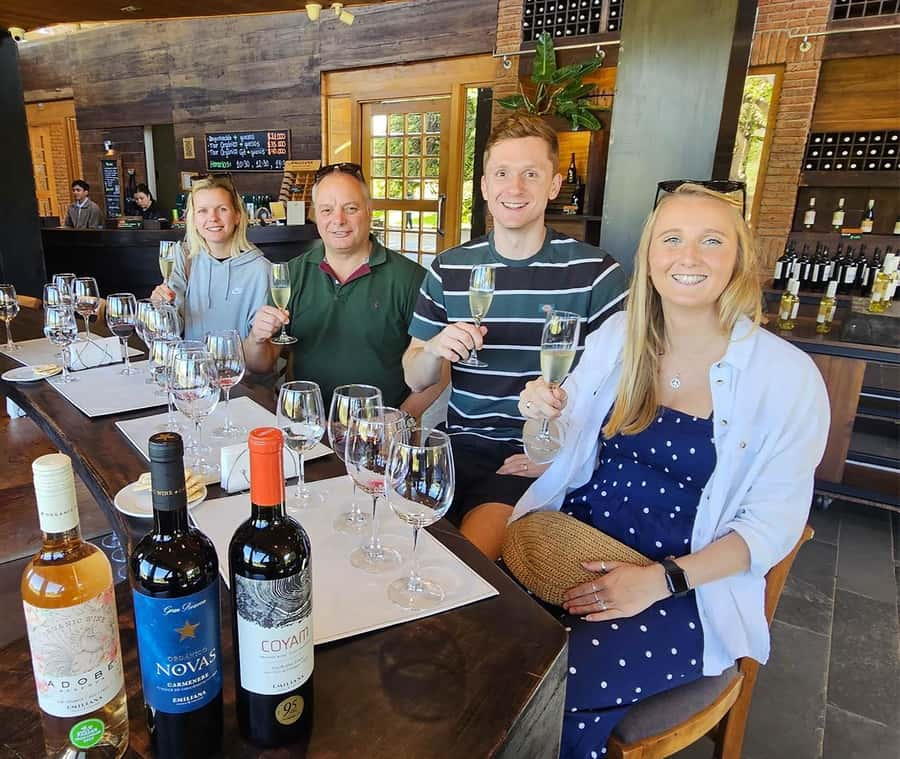
From Emiliana, you move to Viñamar, another Casablanca Valley anchor. This stop is usually around 75 minutes and is known for sparkling and still wines. Viñamar was founded in 2002, blending winemaking tradition with innovation, and it’s the kind of winery visit where the setting makes you want to slow down and look around.
At Viñamar, you’ll typically taste three emblematic wines. The best part of this stop is the variety: you can compare styles in a way that helps you understand how Casablanca’s conditions translate into flavor—especially when sparkling is in the mix.
If you love bubbles, this is the moment of the day where you’ll feel most satisfied. Several groups have singled out sparkling as their highlight, and it makes sense: the tasting structure tends to guide you through how bubbles should feel (not just taste).
Bodegas RE: boutique blends and a modern winemaking mindset
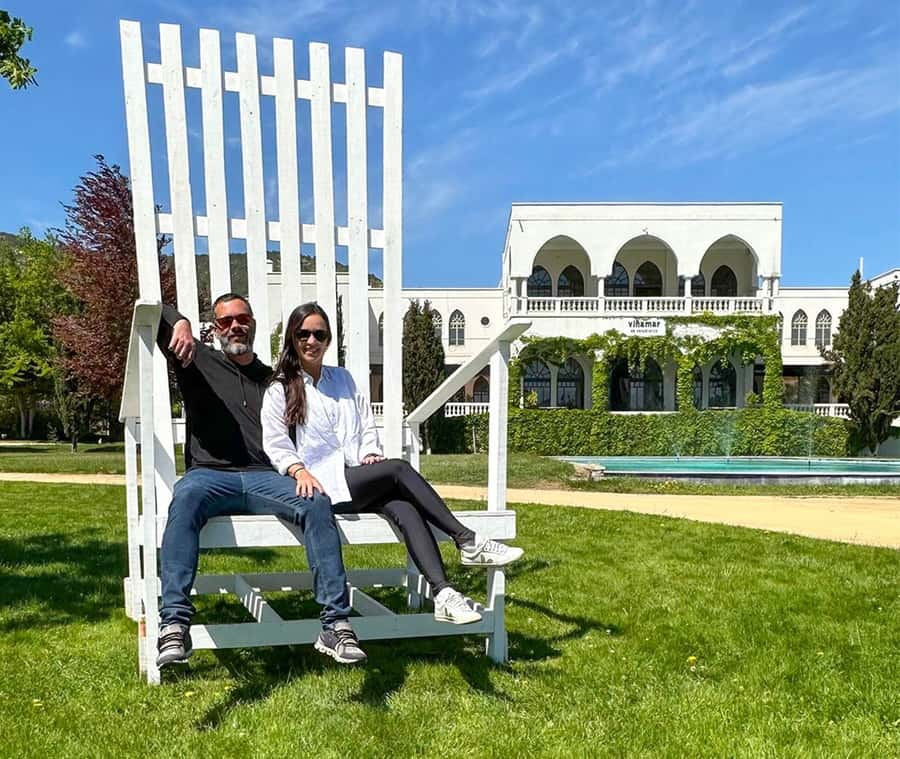
Next comes Bodegas RE, a boutique winery with a reputation for unique blends and innovative techniques. This visit is also usually about 75 minutes, and the tasting is typically two standout wines.
This stop is a nice contrast to the bigger, more standard experiences. Boutique wineries often feel more personal because the winemaking identity is clearer in the glass. Here, you can expect a style lesson: how blending choices change body, fruit expression, and finish.
I like Bodegas RE as the palate reset. If the morning is heavy on learning and aromas, RE helps you connect those notes to a more creative wine-making approach. If you’re the type who enjoys a question like What makes this different from the last one? you’ll probably get a lot from this visit.
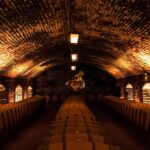
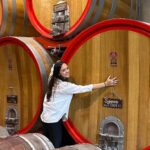
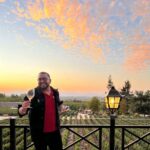
Casas del Bosque and Tanino lunch: where the day turns into a sit-down
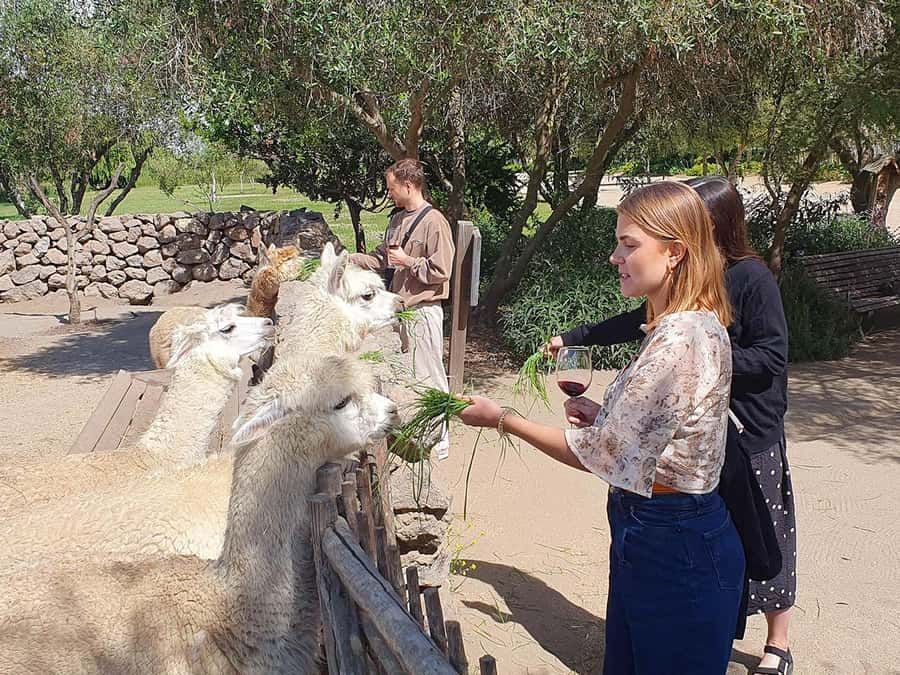
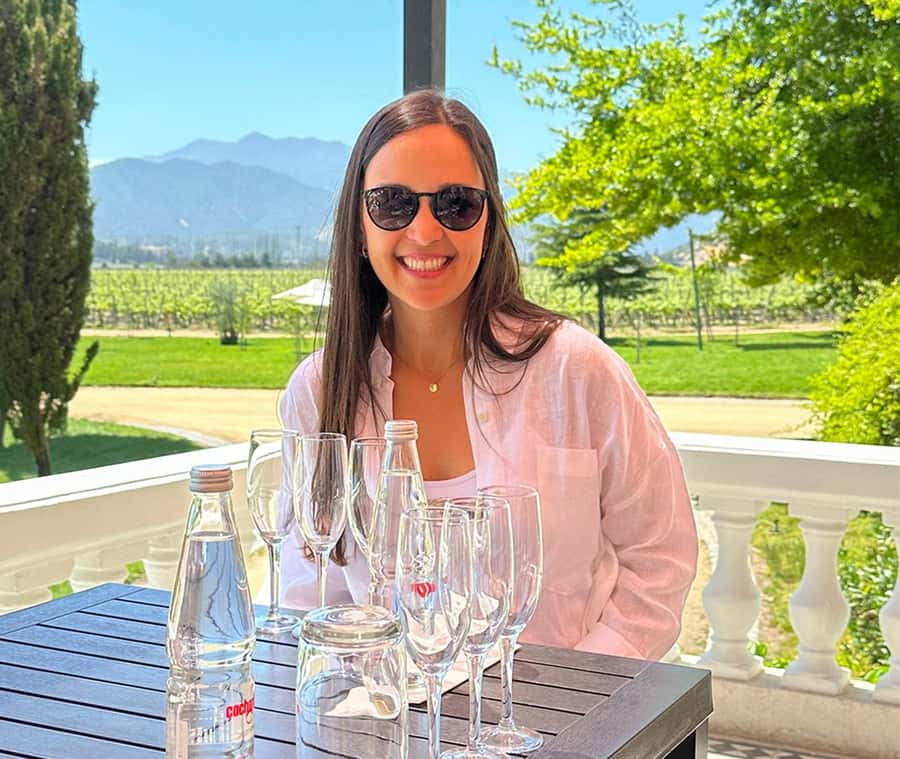
The final winery area is Casas del Bosque, with lunch at Tanino on-site. The visit time here is longer—about 1.5 hours—and this is where the tour shifts from tasting and walking to relaxing with food in a vineyard setting.
Lunch is not included in the tour price. Tanino’s menu is described as fresh and locally sourced, and it’s meant to pair well with wine. One practical point: this meal can be late in the day, and some groups have mentioned around 2:30 pm. If you show up underfed, tastings earlier may feel like they’re happening on an empty stomach.
Food quality varies from person to person, so here’s the balanced view: some visitors loved the lunch experience, while others felt the service wasn’t up to the level of the price. Either way, it’s a beautiful stop to end on, and if you budget for lunch up front, you’re less likely to feel anything but happy.
Timing, pace, and why small groups matter
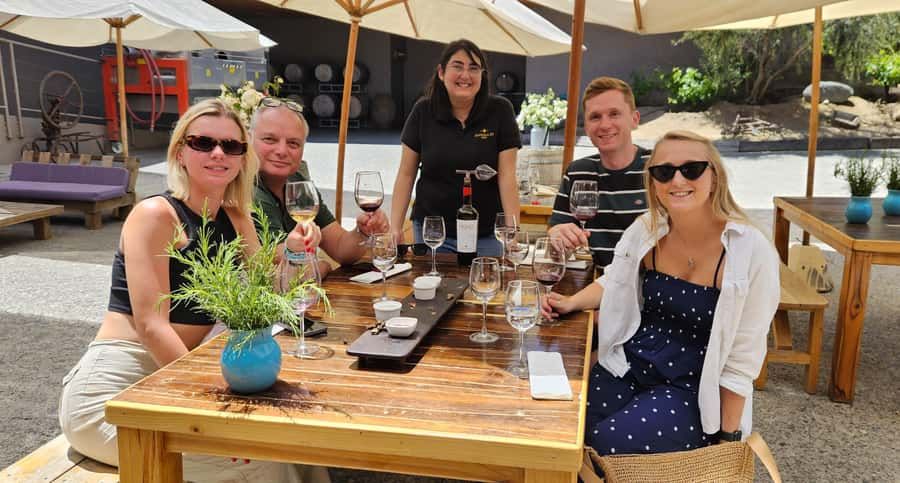
This is a full day, but it doesn’t have to feel rushed. The group limit is 15 participants, and in practice some parties have been tiny—six people, three people—which changes everything.
With smaller groups, you’re more likely to get:
- enough time for your guide to explain what you’re tasting
- time to walk and look around the vineyards
- a tasting rhythm that doesn’t feel like a production line
A few people have also mentioned that the tastings felt generous in the glass pours, and that the visits weren’t compressed into a quick checklist. That’s the value of this structure: you leave with comparisons you can remember, not just a blur of names.
If you’re the kind of wine lover who wants to ask how something is made—organic practices, blend choices, why a sparkling wine tastes a certain way—this tour’s pacing supports that.
How to make the day work: what to bring and how to taste smarter
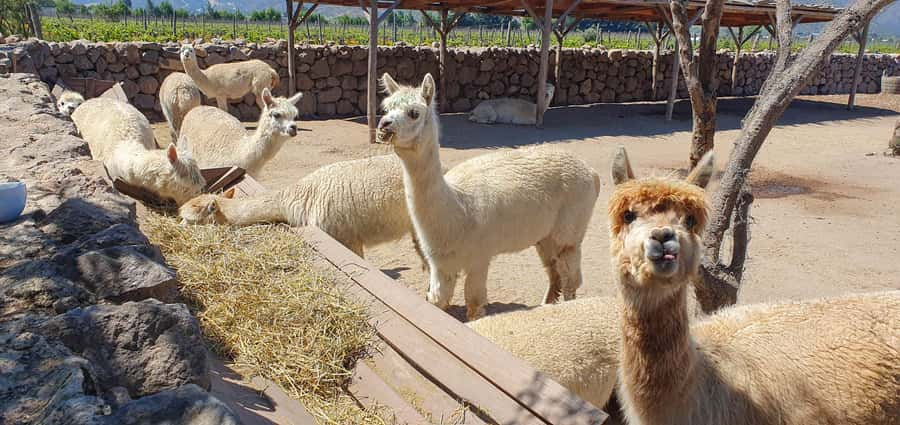
You’ll be out for about 10 hours, with multiple winery visits and tastings. That means simple planning matters more than you’d think.
My practical recommendations:
- Start with a solid breakfast. Lunch can land in the early afternoon, so you’ll likely taste before you eat.
- Bring a light snack just in case. Some people have wished there were more food options during tastings, and it’s an easy fix.
- Pack a layer for the first stop. One common tip: the morning winery can feel cooler than Santiago.
- Wear comfortable shoes. Even when visits are structured, vineyard grounds mean walking, stepping, and standing.
- Take your own photo pointers. Several guides are noted for helping with photos, but it’s also smart to plan a few quick spots you want to capture.
Also, pace yourself with the tastings. You’re tasting several wines across different styles, so you’ll get more out of it if you slow down and compare aromas and structure rather than rushing to finish.
Guides and the multilingual experience (what to look for)
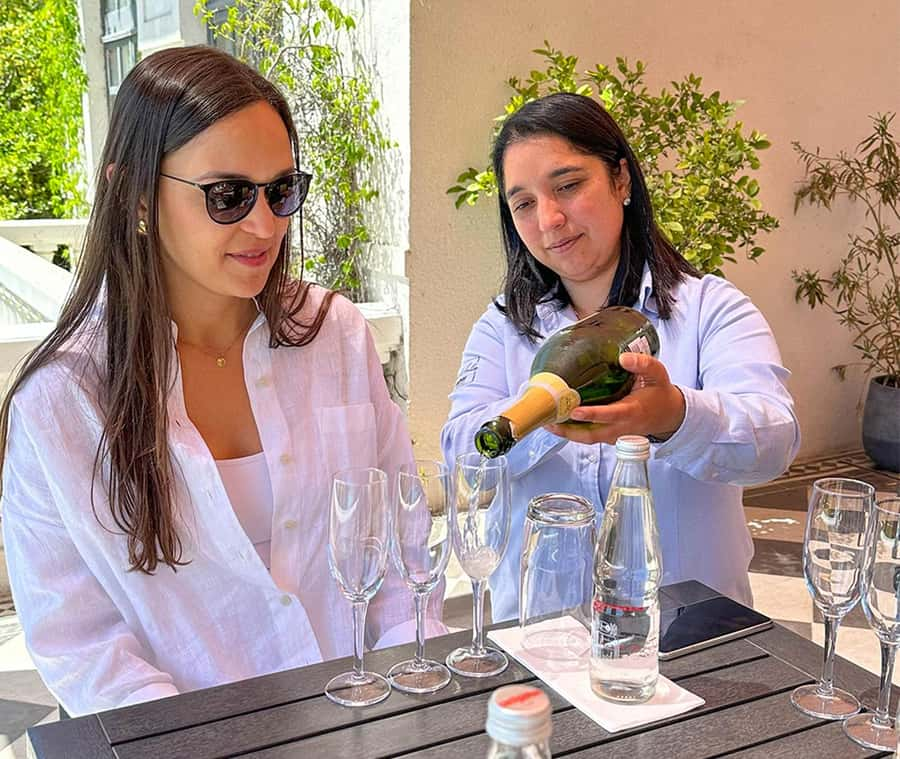
The tour includes a live guide in English, Spanish, or Portuguese. The best guides don’t just pour wine—they connect the region’s climate, farming style, and winemaking choices to what you’re tasting.
From the names that come up frequently in this kind of tour, you may get guides such as Ignacio, Joao, Sebastian, Carlos, Andreas, or John. The consistent theme is that guides explain Chile and the Casablanca region clearly, and they often keep things friendly while still technical enough for serious wine fans.
If you care about learning, ask your guide one or two questions early—about organic/biodynamic practices, sparkling wine process differences, or how blending decisions change the final profile. That’s where a small-group day becomes meaningfully better.
Should you book this Santiago wine tour or skip it?
Book this tour if you want:
- a small-group day with personalized attention
- a focused Casablanca Valley route with multiple wine styles (organic, sparkling, and boutique blends)
- an easy start-to-finish plan from central Santiago
- the chance to end with a vineyard lunch at Tanino, where you can slow down and enjoy the surroundings
Consider a different option if:
- you want lunch fully included (it’s not; Tanino is an extra cost)
- you’re very sensitive to late-afternoon timing and long seated meals
- you’ve had issues with transport comfort before and want a departure with consistently strong AC and vehicle comfort
My take: for US$149, this makes sense when your priorities are convenience plus real variety in what you taste. The day is designed to feel unhurried, and the Casablanca Valley theme comes through at every stop.
FAQ
How many vineyards does the tour visit?
You’ll visit four vineyard stops. Emiliana Organic Vineyards, Casa Valle Viñamar, and Bodegas RE are the winery visits with included tastings, and the day also ends at Casas del Bosque with lunch at Tanino.
Is lunch included in the price?
No. Lunch at Tanino restaurant in Casas del Bosque is not included in the tour price.
How long is the tour?
The tour runs for about 10 hours.
Where is pickup available in Santiago?
Pickup is available from most centrally located Santiago hotels or Airbnbs in Santiago Downtown, Providencia, Las Condes, and Vitacura. If your address isn’t in the pickup zone, you’ll be given the nearest meeting point.
What languages are the guides?
The live tour guide is available in English, Spanish, and Portuguese.
What happens on Mondays?
On Mondays, Emiliana is closed, and the tour visits Veramonte organic vineyard instead.
Is the tour wheelchair accessible?
Yes. The tour is listed as wheelchair accessible.