REVIEW · PORTO
Porto: Private Yacht Cruise with Local Wine, Snacks and 6 Bridges
Book on Viator →Operated by ZapDouro · Bookable on Viator
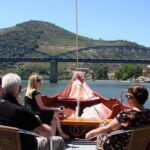
Six bridges in one smooth ride on the Douro. This private yacht cruise in Porto puts you right on the river line for views of Vila Nova de Gaia, UNESCO waterfronts, and the big bridge landmarks, while local hosts keep the pace relaxed with Portuguese wine and easygoing conversation. I also like the private setup for up to 10 people, because it feels like your own floating perch, not a crowded bus stop.
One possible drawback: two hours goes fast. If you want long time on land to wander or shop, this is more about views and sailing than deep stops.
In This Review
- Key highlights you should care about
- Why this Porto yacht cruise makes sense for real sightseeing
- Price for a group: what you’re actually paying for
- Getting on board: Marina do Freixo and the feel of the trip
- The Douro River route: seeing 6 bridges without a long day
- Luís I Bridge: the postcard icon from the water
- Ponte do Freixo: two bridges side by side, close together
- Ponte Infante Dom Henrique: the newer, slender-feeling connector
- Ponte de São João: the rail line over the Douro
- Ponte da Arrábida: the massive reinforced concrete arch
- Eiffel’s masterpiece: D. Maria Pia, seen in iron-arch form
- UNESCO views you’ll get without walking climbs
- Cais de Gaia: terraces, wine, and the river port vibe
- Ribeira: the classic old-town river edge
- A hilltop monastery area: Serra do Pilar’s church-and-cloister look
- Wine, snacks, and the comfort of not rushing
- How long it takes, and when to go for best light and best mood
- Who should book this cruise, and who might not love it
- Should you book ZapDouro’s Porto yacht cruise with 6 bridges?
- FAQ
- How long is the Porto yacht cruise?
- Is this tour private?
- What’s the price and group size?
- What language is offered?
- What if the weather is poor?
- Can I cancel and get a full refund?
Key highlights you should care about
- Up to 10 people, truly private: small-group feel without sharing your boat with strangers.
- Wine and snacks included: local wine plus a cheese/charcuterie style board, served while you cruise.
- A “6 bridges” route: you get multiple engineering icons in one loop, not one bridge and a return.
- US-visibility riverfront: you’ll see both sides of the Douro, including Gaia and Porto’s UNESCO area.
- Hosts who talk (or don’t): crew members like António, Carlos, Carolina, Mariana, and others aim to give useful context while respecting privacy.
- Weather-ready sailing: on gray or drizzly days, they handle rain with protective gear so the experience stays comfortable.
Why this Porto yacht cruise makes sense for real sightseeing
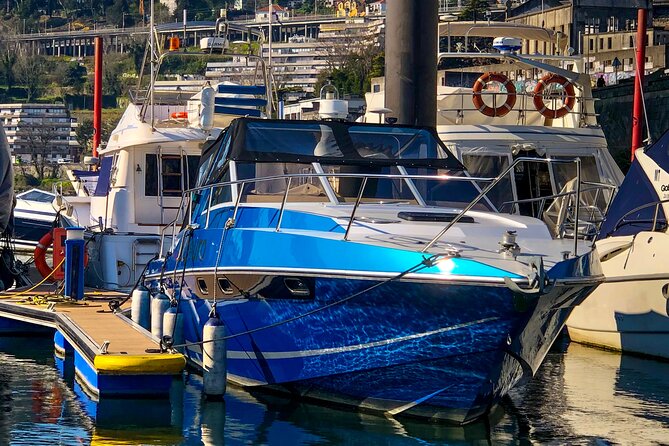
Porto is one of those cities where the views are always there, but the walking can add up fast. This trip is a smart shortcut: you trade stairs and gridlocked streets for a front-row seat on the Douro River, with the city moving past you instead of the other way around.
I like that the vibe stays easy. You can ask questions about what you’re seeing, then just look. The route also targets what most people come to Porto for: the riverfront, the famous bridges, and the UNESCO waterfront areas.
You can also read our reviews of more boat tours in Porto


Price for a group: what you’re actually paying for
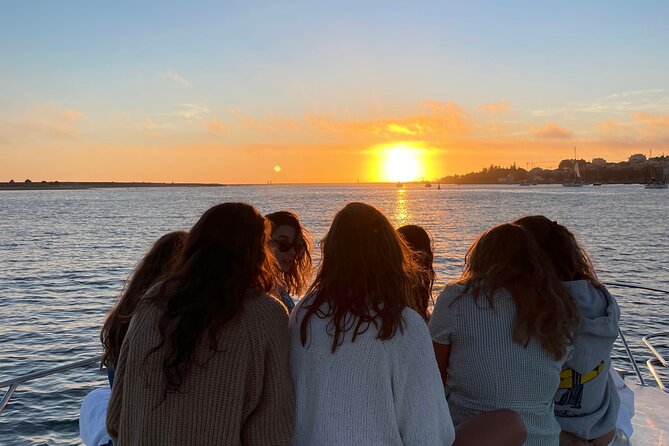
The listed price is $337.39 per group (up to 10), for about 2 hours. That’s a useful way to think about value: the cost is shared across your group size, so it can work well for couples, families, and small friend groups.
If you’re comparing it to two separate taxis plus paid boat options, the “private” part matters. You’re not just buying a seat on a public cruise; you’re buying time on a yacht with included wine and snacks, plus a crew that can tailor the moment to your pace.
Big hint on value: if your group is 6–10 people, this can feel like a good deal compared with piecing together private transfers and multi-stop paid activities. If it’s just two of you, it’s still worth it for the experience format—quiet, scenic, and not rushed—but you’ll feel the per-person cost more.
Getting on board: Marina do Freixo and the feel of the trip
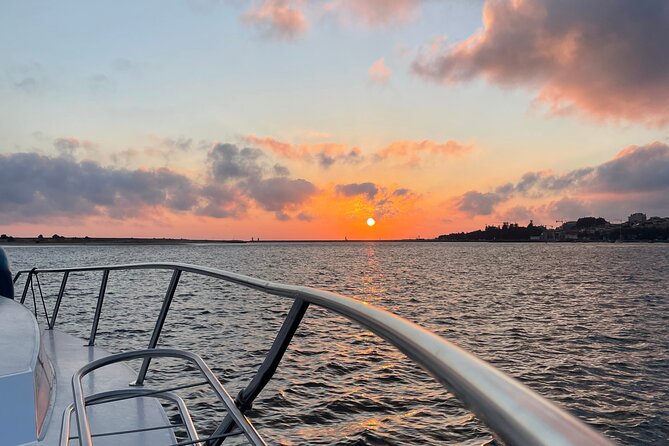
You start at Restaurante Marina do Freixo, right by the water in Porto. From the start, the cruise feels like a local-style plan rather than a big production. You’ll step into a clean, comfortable yacht setting, and the crew typically keeps things smooth and friendly.
One detail that stands out in real-world experiences: hosts often explain what you’re seeing as you go, then quietly make sure you can have privacy if that’s what your group wants. In several experiences, the captain and host teams are family-run, with names like António, Carlos, and their relatives mentioned often. That matters because it usually means less script reading and more practical, on-the-ground city talk.
The Douro River route: seeing 6 bridges without a long day
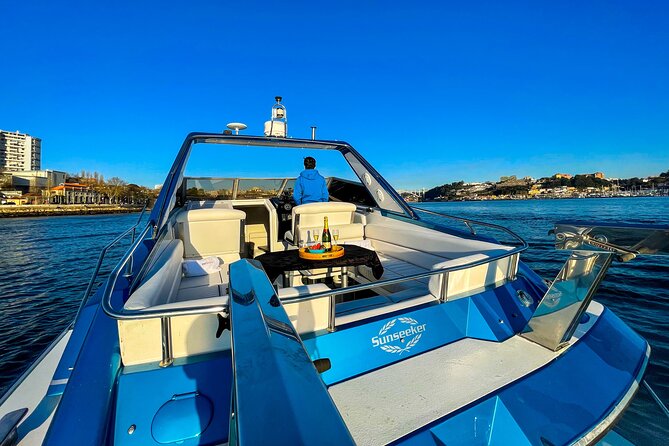
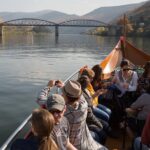
This is where the tour earns its name. Instead of getting one or two bridge photos and calling it a day, you ride a course designed to show the engineering highlights that connect Porto and Vila Nova de Gaia.
Here’s how the bridge-and-river sequence works in plain terms, and what to expect from each visual moment.
Luís I Bridge: the postcard icon from the water
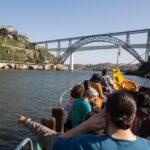
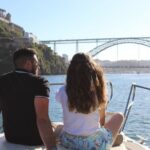
The Luís I Bridge is the most recognizable bridge in Greater Porto—arched, elegant, and instantly photogenic. From the river, you see its layers: the road and metro levels stacked in one dramatic structure, connecting Porto and Gaia.
A fun detail to keep in mind as you watch: this bridge replaced an older suspension bridge at the same site. The project was linked to Belgian engineer Théophile Seyrig, who had also collaborated with Gustave Eiffel on other major works (including railway bridge projects). Seeing it from the water gives you a scale that’s hard to get from land.
Why you’ll like it: you get the bridge as architecture, not just as a landmark you pass by.
Watch for: the best angles often happen as you’re cruising under or near the structure, so keep your phone charged and ready.
You can also read our reviews of more private tours in Porto


Ponte do Freixo: two bridges side by side, close together
Next you pass the Ponte do Freixo, one of the farther upstream crossings between Gaia and Porto. What’s striking is that it’s essentially two bridges built beside each other, separated by only about 10 centimeters.
That detail sounds tiny, but on the water it’s visually clear—like you’re seeing parallel lines of infrastructure designed to move traffic smoothly. It’s the kind of bridge that feels more technical than dramatic, which is exactly why it’s a nice change from the best-known icons.
Why it’s worth including: it gives the tour variety and makes the river feel wider and more alive than just the downtown stretch.
Ponte Infante Dom Henrique: the newer, slender-feeling connector
The Ponte Infante Dom Henrique, also called Ponte do Infante, links Gaia and Porto. It’s known as one of the most recent crossings and often described as especially slender, built to replace the upper deck of the Luís I Bridge.
From your yacht seat, this bridge reads like clean modern geometry. It’s not trying to be the “main character” like Luís I, but it adds depth to the story of how Porto’s transport needs evolved.
Tip: if you’re a photo person, this is a good moment for side shots—clean lines tend to photograph well against the river and buildings.
Ponte de São João: the rail line over the Douro
Then there’s Ponte de São João, a railway crossing that carries the Northern Line over the Douro. It replaced the older Ponte D. Maria Pia (about a century old) and entered service in June 1991.
From the water, rail bridges have a distinctive rhythm. You’re looking at infrastructure designed for constant movement, which pairs nicely with the yacht’s slow glide.
Why you’ll like it: it gives you a sense that the Douro isn’t just for sightseeing—it’s a working corridor.
Ponte da Arrábida: the massive reinforced concrete arch
Ponte da Arrábida is an arched bridge that became essential as traffic grew, creating alternative routes to older bridges. At the time it was built in 1963, it featured the largest reinforced concrete arch in the world.
Now, you don’t need to be an engineer to appreciate it. The arch shape grabs you immediately, and from the river you can judge its heft. It’s a “big swing” moment in the cruise.
What to watch: if the light turns soft, hold steady for a second. Concrete arches can look flat in harsh sun, then turn dimensional when the angle shifts.
Eiffel’s masterpiece: D. Maria Pia, seen in iron-arch form
The final bridge big moment connects to the Gustave Eiffel legacy: the imposing D. Maria Pia iron railway bridge, completed in 1877. It was considered the longest iron arch in the world at its inauguration.
Even if you’ve seen photos, the water perspective makes the scale feel real. This is the bridge where you’ll probably pause and just watch, because the structure feels both delicate and heavy at the same time.
Why it matters to your trip: it ties the modern city you’re cruising through back to the era when European engineering bragged with steel and height.
UNESCO views you’ll get without walking climbs
After the bridges, the cruise shifts into riverfront viewing. This is where Porto’s reputation starts making sense fast, because the waterfront reads as a single composition.
Cais de Gaia: terraces, wine, and the river port vibe
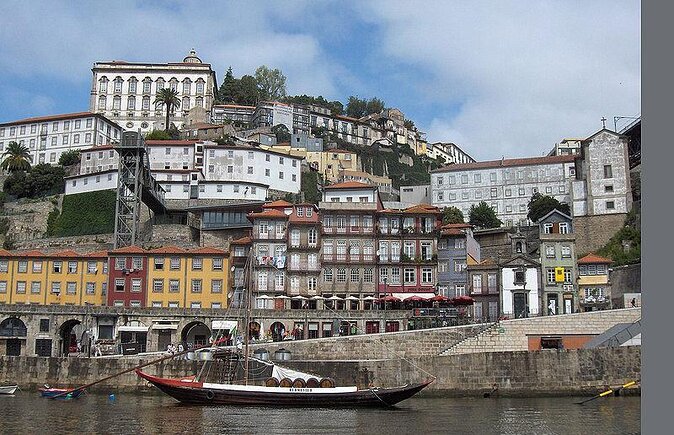
On the Gaia side, you’ll see Cais de Gaia, a river terrace area across from Porto’s historic UNESCO waterfront. It’s where the river port history lives on, especially with the strong association to Port wine.
If you’re doing a wine trip in Porto, this is the “why” behind it. You’re looking at the water corridor where goods were exported for centuries, not just a museum storyline.
Ribeira: the classic old-town river edge
Then comes Ribeira, one of Porto’s oldest and most typical districts, part of the UNESCO Historic Center. From the river, Ribeira can feel like architecture that grew organically—street layers, building faces, and the river acting like the frame.
Why this is valuable: it gives you orientation. After this cruise, you’ll recognize the waterfront areas when you walk them later.
A hilltop monastery area: Serra do Pilar’s church-and-cloister look
You’ll also pass the 16th-century monastery on a hill with a cloister and the distinctive round church. The church is recognized as a National Monument, and the broader area ties into UNESCO’s designation alongside Porto’s historic center and the Luís I Bridge.
From the water, this monastery feels like a landmark that watches over the city. The circular church and matching cloister shape are the kind of details you’d miss if you were rushing on foot.
Wine, snacks, and the comfort of not rushing
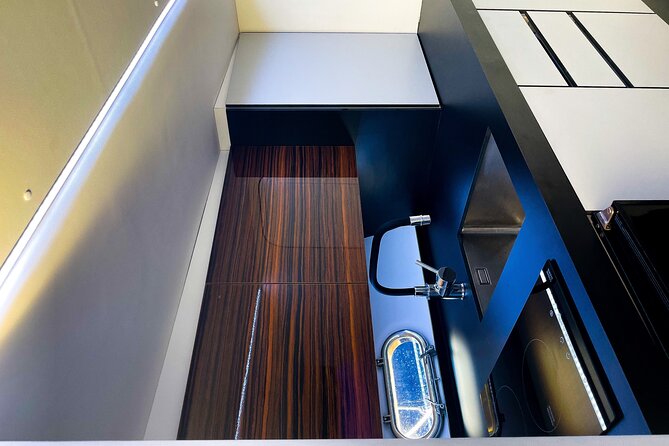
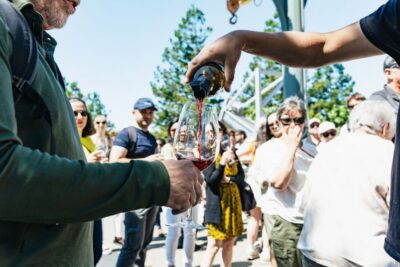
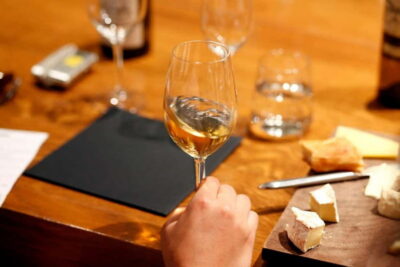
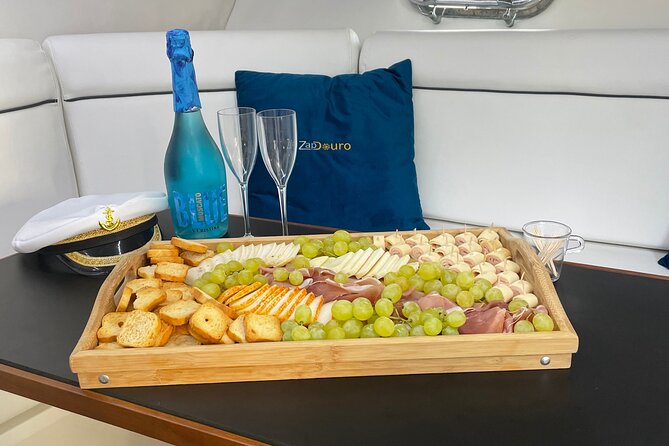
This cruise is built around a simple idea: sightseeing should feel good. You’ll get local wine and snacks while cruising, and the setup is casual rather than formal.
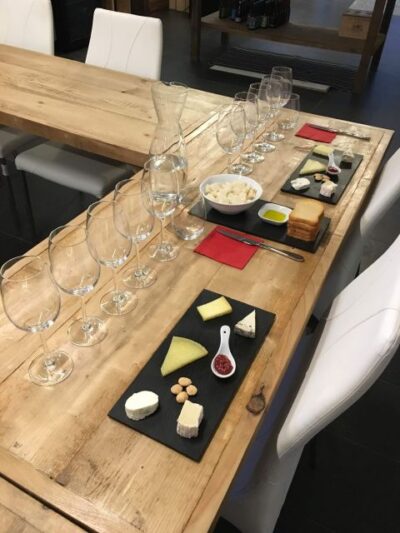
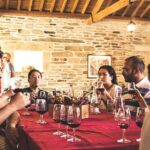
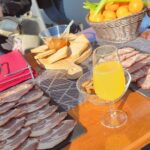
Across experiences, the food tends to come as a cheese/charcuterie-style board, plus sparkling wine or other pours depending on the setup. The key is the timing: snacks and drinks aren’t added at the end like an afterthought. They flow while you’re moving under and between bridges.
A small but real comfort win: on drizzly or windy days, crews often use a rain guard or similar protection so the river views don’t vanish. That matters in Porto, because the weather can flip without warning.
One more fun touch from real-world experiences: some hosts provide a speaker so you can connect your own music during the cruise. That’s not guaranteed in every operation, but it’s a good sign that the crew likes keeping the mood personal.
How long it takes, and when to go for best light and best mood
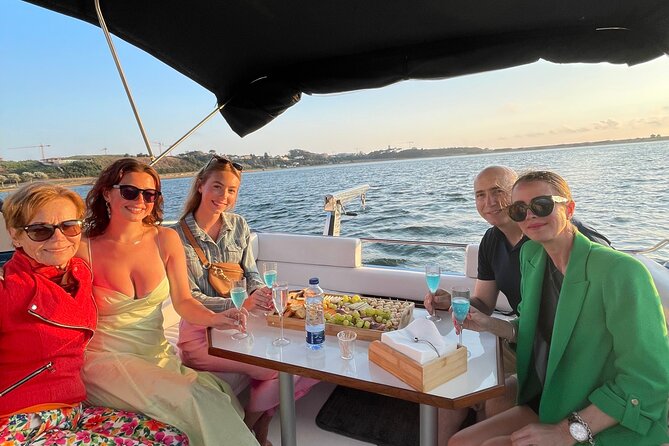
The cruise runs about 2 hours. That’s enough time to enjoy the bridges, see Gaia and Porto’s river edges, and still feel like you got a full experience rather than a quick stop-and-go.
For timing, I’d think in terms of light:
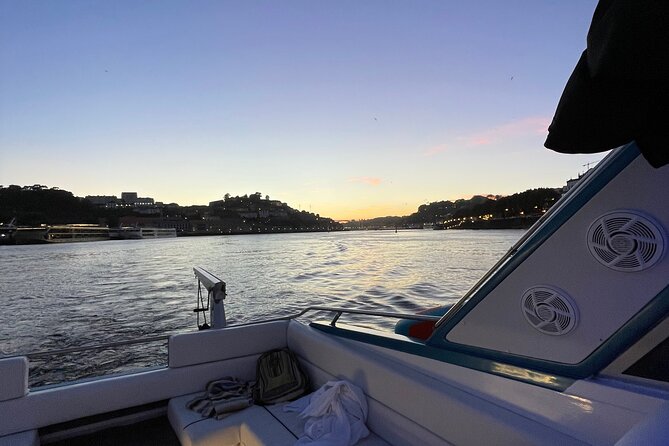
- Late afternoon to sunset tends to make the bridges and riverfront glow.
- If it’s cloudy, don’t automatically cancel. You’ll still get the bridge shapes and waterfront texture; plus you may find the cruise feels more relaxed under softer light.
If you hate crowds and want a stress-free first look at Porto, I’d prioritize booking early enough in your stay that you can use the river orientation later for walking.
Who should book this cruise, and who might not love it
This fits best for:
- Couples who want a quieter way to see Porto’s highlights
- Families with kids who need an activity with fewer steps
- Small groups who prefer private time and included drinks/snacks
- Anyone who wants the bridge story in one go instead of building a bridge-hop route
It might not fit if:
- You want long, guided time inside museums or churches
- You’re expecting a full day on land
- Your main goal is extensive walking tours rather than water views
Also note the tour is private for your group and is offered in English, which helps if you want straightforward explanations without language friction.
Should you book ZapDouro’s Porto yacht cruise with 6 bridges?
If your goal is to see Porto in a way that feels special without being complicated, I think this is a strong booking. The big advantage is simple: you get six major bridges and the riverfront story in a single 2-hour ride, with wine and snacks making it feel like a real afternoon.
I’d book it if you value comfort, scenic pacing, and a crew that talks through what you’re seeing while still giving you space. I’d skip it if your idea of sightseeing is lots of land time and lots of stops.
In short: if you want a smooth, scenic Porto highlight that’s easy to enjoy and hard to replicate on foot, this is exactly the kind of experience that earns its place on your itinerary.
FAQ
How long is the Porto yacht cruise?
It’s listed as about 2 hours.
Is this tour private?
Yes. It’s a private activity, and only your group participates.
What’s the price and group size?
The price is $337.39 per group, up to 10 people.
What language is offered?
The tour is offered in English.
What if the weather is poor?
This experience requires good weather. If it’s canceled due to poor weather, you’ll be offered a different date or a full refund.
Can I cancel and get a full refund?
Yes. You can cancel up to 24 hours in advance for a full refund.