REVIEW · PORTO
Porto: Port Wine Tour with 7 Port Tastings
Book on GetYourGuide →Operated by Porto Walkers · Bookable on GetYourGuide
Seven ports make Porto make sense. I love the 7 port tastings across three venues, and I also love how the guide teaches you to recognize port wine families so your glasses mean something, not just taste good. One catch: there’s a bit of walking on uneven ground, so it’s not the best match if mobility is a concern.
You start near Luis I Bridge on the Porto side and work your way toward Vila Nova de Gaia cellars, with a tour rhythm that stays fun even if it’s raining. I also like that you get time in a professional tasting room plus a museum/cellar visit at a major port house, so this isn’t just a hit-and-run drink stop.
In This Review
- Key highlights you’ll feel right away
- Porto Walkers and the Porto-to-Gaia route that sets the mood
- First cellar stop: museum + wine-lodge time before you taste
- Learning port families during tastings (so you can shop smarter afterward)
- Second and third venues: big-house polish, then smaller producer soul
- Your 7-port tasting order: why the pacing works
- Price and value: $54 for 7 tastings plus access
- Who should book this port tour, and who should reconsider
- Should you book this Porto port wine tour with 7 tastings?
- FAQ
- Where is the meeting point for the tour?
- How long is the tour?
- How many port wines will I taste?
- Is the tour guided and in English?
- Does the price include food tastings?
- What is the minimum drinking age?
- Can children join?
- Is the tour suitable for wheelchairs or mobility impairments?
- Can I cancel and get a refund?
Key highlights you’ll feel right away
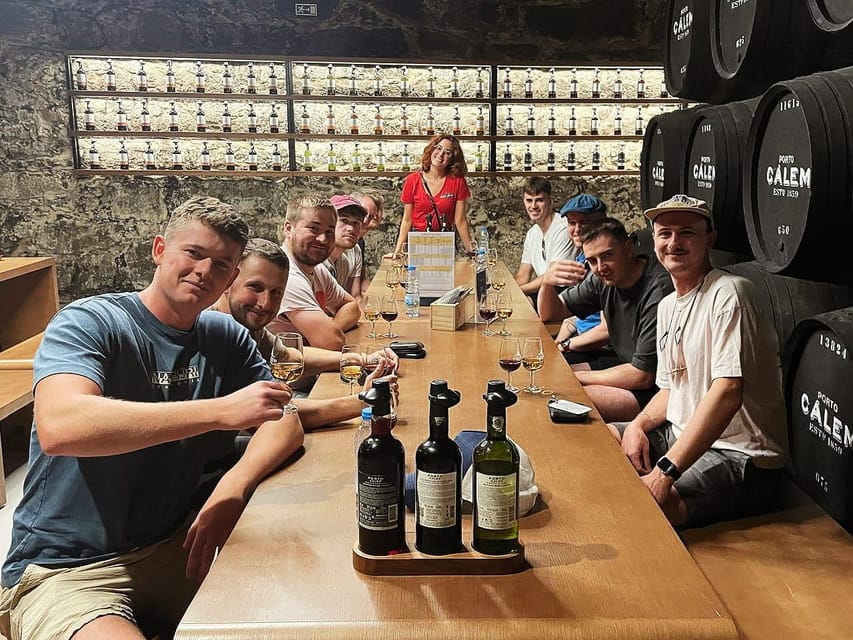
- 7 tastings in 4 hours: paced so you can learn without feeling rushed
- Port families made practical: you’ll learn what to look for in the glass
- Three different port venues: a major house plus smaller producers
- Cellar history before you drink: Museum and wine-lodge context first
- Guides with real personality: Alex, Kevin, Laura, Francisco, and Cyril/Ciril show up often, and the tone stays light
Porto Walkers and the Porto-to-Gaia route that sets the mood

This tour is built around one simple idea: port wine makes more sense when you connect the bottle to the place. You begin on the Porto side of the Douro River near Bridge Luis I, in the lower level area by the big granite pillars. Look for the guide in a red Porto Walkers jacket or shirt, because the exact spot matters. If you accidentally end up on the top level of the bridge, you’ll want help to get back in line with the correct meeting point.
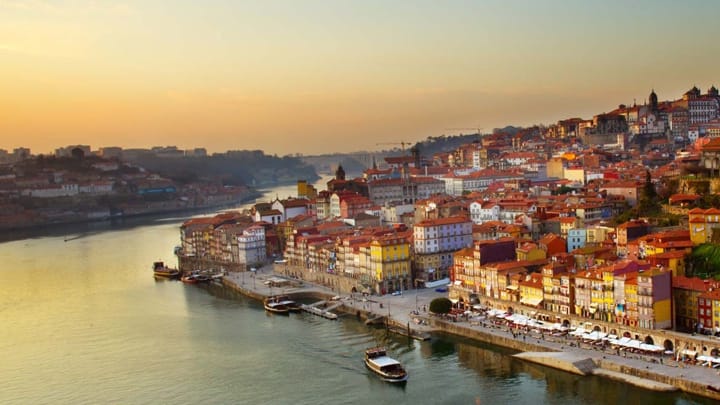
From there, you’ll stroll toward Vila Nova de Gaia’s historic cellars. The walking is modest, but it’s not smooth pavement the whole way. You’ll be on old streets and near cellar entrances, where steps and uneven ground are part of the charm. I’d plan for comfy shoes and a light layer, especially in winter when rain can turn the walk slick. One rainy outing included shelter, which is a good sign that the tour flow is designed to keep moving even when weather is not cooperating.
The timing also works well for a first trip to Porto/Gaia. In a few hours you get both sides of the river: the Porto streets for context, then the Gaia cellars for the main event.
You can also read our reviews of more wine tours in Porto


First cellar stop: museum + wine-lodge time before you taste
Most port tours jump straight to the pour. This one delays that gratification just enough to make your tastings more meaningful.
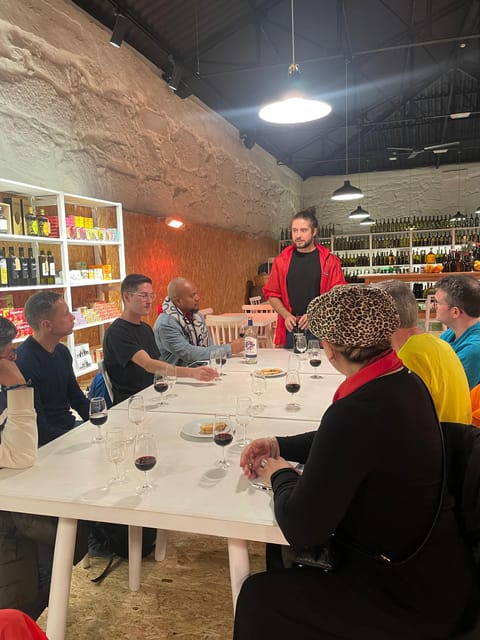
At the first venue, you get a guided museum and cellar visit at a highly prestigious port house. You’re not just looking at barrels from a distance. You learn the historical context of port wine as you move through the story of Porto and what made this style take root along the Douro. Then you’ll go into tasting mode with a quick but structured intro: how and when to drink port, what differences to notice, and how the aging process affects what’s in your glass.
A few details that matter because they get repeated during tastings:
- barrel talk (how aging shapes flavor and texture)
- cork and preservation (why the bottle stays stable and distinctive)
- how port compares to other wines in the way it’s built for aging and serving
Then, after that groundwork, you taste two port wines at this first stop. I like that you get those early samples while everything is still fresh. It makes the guide’s explanations feel less like trivia and more like a tasting checklist you can use right away.
If you’re the type who wants a fully hands-on cellar experience, the museum and tour pacing is still more educational than physical. But that’s also what makes the later comparisons between venues click.
Learning port families during tastings (so you can shop smarter afterward)
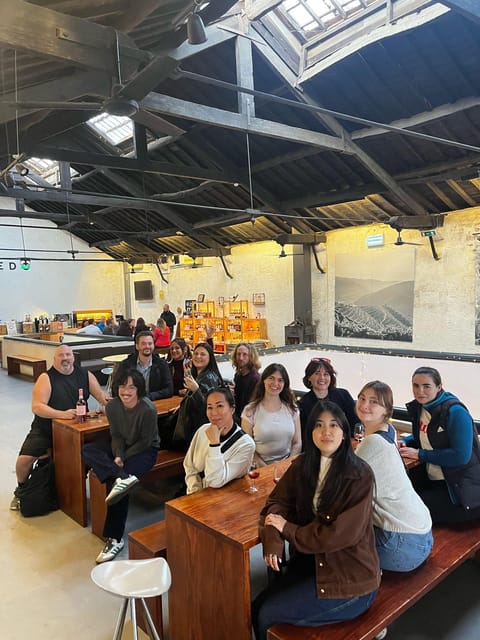
The standout teaching moment here is how the guide helps you identify different port wine families. The tour doesn’t treat port like one uniform drink. Instead, it gives you a way to sort what you’re tasting into meaningful buckets.
That matters because port is easy to get wrong if you only judge by sweetness or alcohol level. Two people can taste the same style and come away with totally different opinions if they’re not reading the aging and production clues. During this tour, you’ll get help learning what to look for and how to describe the differences in a way that actually guides your next sip.
You’ll also learn practical serving guidance: when port should be consumed, and how glass choices can change the experience. In at least one recent outing, a first-timer found the white tasted more alcohol-forward than expected and ended up preferring red. That’s exactly the kind of moment where having a framework helps you recalibrate without feeling like you just had a bad pour.
Another teaching bonus: the group discussion style. Guides like Alex and Kevin (and others such as Laura, Francisco, and Cyril/Ciril) tend to encourage questions and keep it interactive. You’re not sitting in silence waiting for the next glass. You’re learning in real time, including what other people are noticing, which makes the class feel social instead of formal.
If you want one simple takeaway, it’s this: after the tour, you should be able to walk into a shop and tell the difference between styles without guessing.
Second and third venues: big-house polish, then smaller producer soul
After the first stop, the tour changes gears. You move from a major, polished operation into tastings that highlight smaller producers.
At the second venue, you taste two more port wines. This stop is specifically described as a small producer, and that shift is more than marketing. Smaller houses often feel quieter and more personal. In one case, a smaller visit included mention of annual production around 50,000 bottles, which helps you understand how port here is about people and scale, not only brand reputation.
Then you finish at a last producer where you taste three additional ports. That final stretch is designed to leave you with a clear comparison across styles, because you’ve already got the basic framework from the first venue. By the time you reach the last stop, you’re not starting from zero. You’re refining your palate against what you learned earlier.
A pattern from multiple outings: the later stops are where people feel the most connection to the wines. In one group, guests praised the variety and especially enjoyed the quieter, smaller-producer feel at the end. That tracks with how the tour is structured: you build the story first, then you broaden your range.
Your 7-port tasting order: why the pacing works
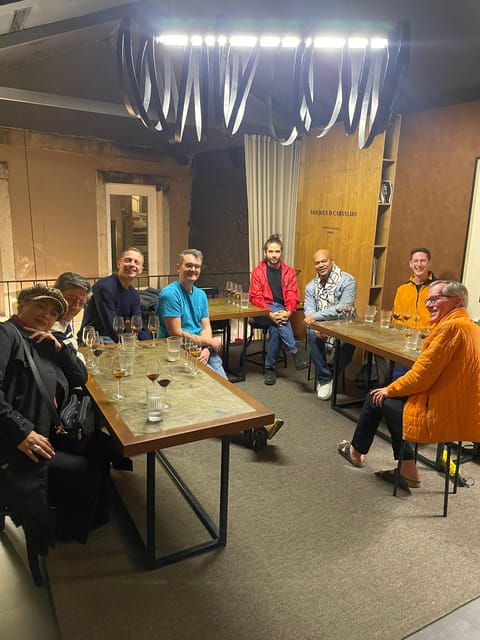
Let’s talk about the heart of it: 7 port wines in about 4 hours. That’s a lot of sample time for a walking tour, so pacing matters. Here, the tastings are spaced by structured explanation and short venue transitions, which keeps the experience from turning into a blur.
The practical win is that you get a wide range without losing the plot. Early tastes set your baseline. Middle tastes teach comparison. The final three help you lock in the differences between families and producers.
Even if you’re new to port, you’re not expected to know terms upfront. The guide explains how to interpret what you’re seeing and tasting. That’s why this tour works for both beginners and wine-curious regulars.
And yes, some people find port stronger than they expected. That can be normal. Port styles vary a lot, and alcohol perception changes with sweetness, age, and glass temperature. If you’re sensitive, go slow with each sip. You’ll learn more that way, and you’ll enjoy the later tastings more.
One more note: food tastings are not included. Since you’re drinking seven times, you’ll be happier if you eat before the tour. Many people also find that pairing isn’t optional for comfort, even if the tour doesn’t provide it. If you’ve got dietary limits, plan your meal accordingly and keep the tastings as your only scheduled indulgence.




Price and value: $54 for 7 tastings plus access
At $54 per person for 4 hours and 7 tastings, this tour pencils out as strong value compared with the usual “one venue, a few pours, then out the door” format.
Here’s the simple math: $54 divided by 7 tastings is about $7–8 per tasting, and that doesn’t even count the guided instruction, the venue entrances, and the historical context. You also get entrance to three venues, plus skip-the-line handling. Those small operational perks matter in a busy cellar district where timing can slip.
In practical terms, you’re paying for three things:
- education you can reuse (port families, how to taste and choose)
- multiple tasting environments (big house to small producers)
- enough sample volume to see patterns
A quick tasting at one location can be fun, but it’s harder to learn. This one is set up so your second and third samples meaningfully refine your first impressions.
Who should book this port tour, and who should reconsider
Book it if:
- You want a structured introduction to port wine, not just drinking
- You like learning while you taste, and you enjoy asking questions
- You’re curious about how producers differ across the Porto/Gaia corridor
- You want a short, high-impact afternoon instead of a half-day log-jam in one cellar
Consider skipping or waiting if:
- You have mobility issues. Even though wheelchair accessibility is listed, the tour also warns about uneven surfaces and says it’s not recommended for those using a wheelchair or with walking disabilities. That means you should be cautious and think realistically about steps and uneven ground.
- You’re bringing anyone under drinking age. The minimum drinking age is 18, and unaccompanied minors aren’t allowed. Children must be accompanied by an adult, but the tour is centered on adult tastings.
Should you book this Porto port wine tour with 7 tastings?
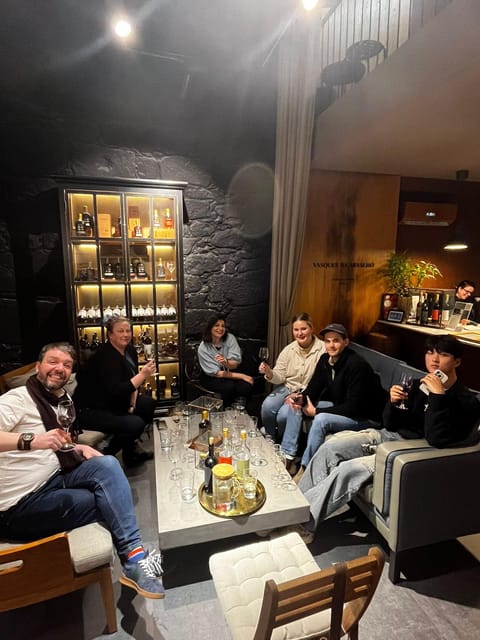
I think this is a smart booking if you want the best chance to actually understand port in one afternoon. The combination of (1) cellar/museum context, (2) teaching you how to identify port families, and (3) comparing multiple producers is what makes the experience feel worth the ticket price.
If your main goal is only to taste a lot of port without caring about learning, you might still enjoy it, but the real value is the instruction threaded through the tastings. And if you’re worried about walking on uneven surfaces, read that warning twice and plan accordingly.
FAQ
Where is the meeting point for the tour?
Meet on the right side of the entrance of the LOWER LEVEL of Luis I bridge on the Porto side (Rua da Ribeira Negra, 4000-509 Porto), by the big granite pillars of the old Ponte Pensil bridge. Look for the guide in a red Porto Walkers jacket/shirt.
How long is the tour?
The tour lasts 4 hours.
How many port wines will I taste?
You’ll taste a total of 7 port wines across 3 venues.
Is the tour guided and in English?
Yes. It’s a live guided tour in English.
Does the price include food tastings?
No. Food tastings are not included.
What is the minimum drinking age?
The minimum drinking age is 18 years old.
Can children join?
Children must be accompanied by an adult. Also, unaccompanied minors are not allowed.
Is the tour suitable for wheelchairs or mobility impairments?
The activity is listed as wheelchair accessible, but it also notes uneven surfaces and says it is not recommended for people with walking disabilities or using a wheelchair. If you have mobility concerns, take that warning seriously.
Can I cancel and get a refund?
Yes. It offers free cancellation up to 24 hours in advance for a full refund.
If you tell me your travel dates and whether you prefer red or white port styles, I can suggest how to pace your tastings so the afternoon stays fun from start to finish.