REVIEW · PORTO
Porto: Port Cellar Visit and Wine Tasting at Fonseca
Book on GetYourGuide →Operated by Três Séculos - Realizações Hoteleiras · Bookable on GetYourGuide
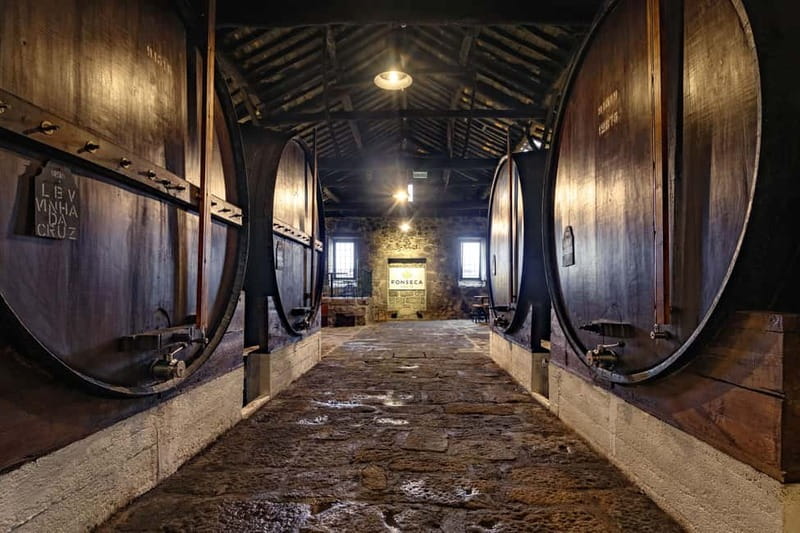
Port wine feels like a Porto tradition for a reason. At Fonseca’s Port Wine Cellars, you get a self-guided walk through 200-year-old cellars plus an end-of-visit tasting built around the iconic Bin 27. It’s a great value way to understand the Douro story without booking a full-day trip into the valley. One drawback to keep in mind: the route involves uneven, steep steps, so it’s unsuitable if walking is tough.
I like that this experience doesn’t rush you. You follow the audio guide in your language (or use QR-code text), learn how Port gets made from Douro grapes through aging, and then finish with a commented tasting. The views from the tasting area also add a nice “Porto postcard” moment, including the river and the famous Dom Luís I bridge.
In This Review
- Key things that make Fonseca’s visit worth your time
- Entering Fonseca’s 200-year-old cellars without the stress
- How Port gets made: Douro Valley basics that improve your tasting
- Bin 27, Siroco, and Terra Prima: the tasting that connects the dots
- Don’t skip the shop: buying bottles (or just browsing) feels part of the finish
- Timing and walking reality: the practical side of booking
- Who should book Fonseca, and who might prefer something else
- Should you book this Fonseca Port Cellar visit?
- FAQ
- Where is the meeting point?
- Is the tour self-guided?
- What’s included in the tasting?
- Are there options for kids?
- What languages are available?
- When is the Fonseca Experience open?
- Is it suitable for people with mobility issues?
Key things that make Fonseca’s visit worth your time
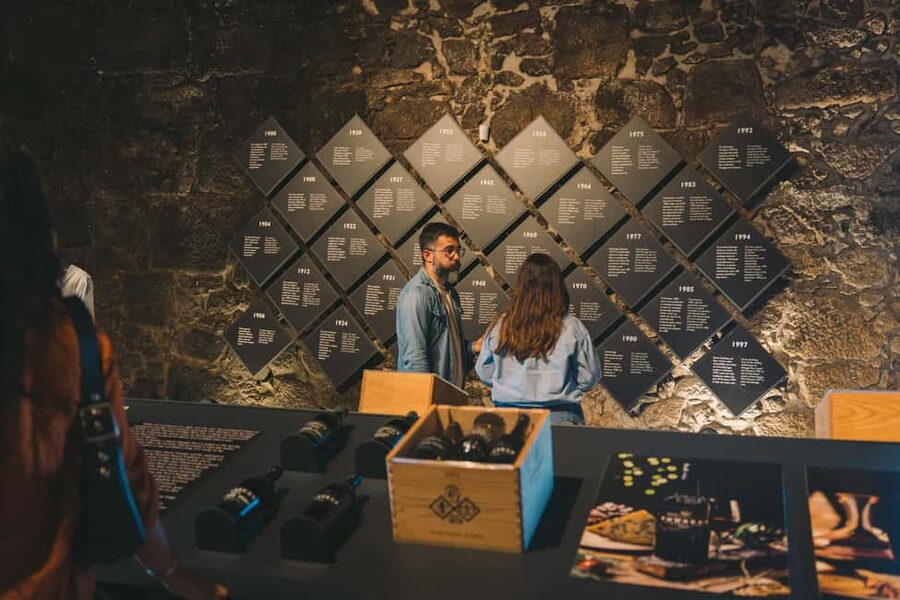
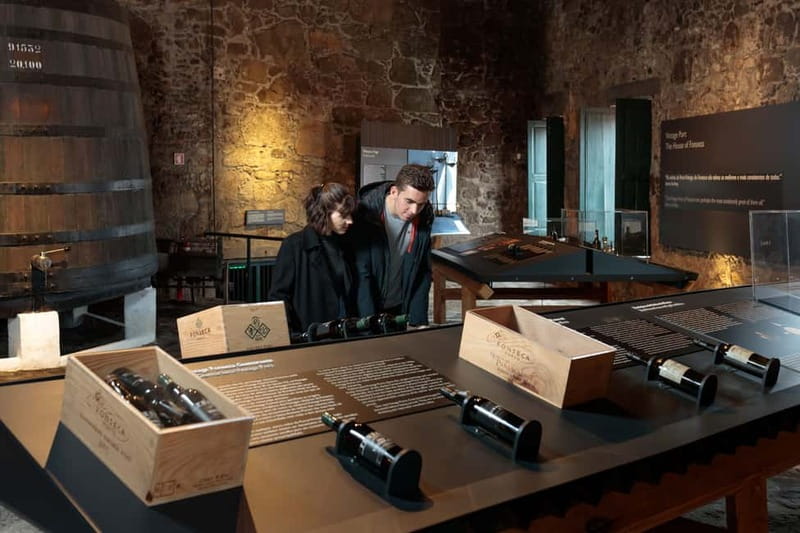
- 200-year-old Fonseca cellars with a museum-style self-guided layout
- Audio guide in multiple languages, plus Portuguese/English text and QR-code translations
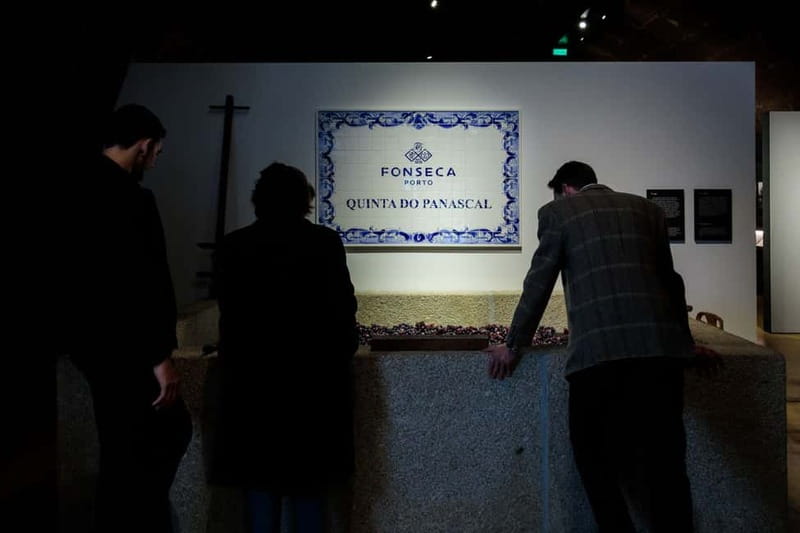
- Production process from the Douro to aging, including the role of Quinta do Panascal
- Douro Valley context, so Bin 27 tastes make more sense
- Commented tasting featuring Bin 27 and Siroco extra dry white (and Terra Prima is listed as part of the tasting line-up)
- Porto views from the tasting area, with Dom Luís I in sight
Entering Fonseca’s 200-year-old cellars without the stress
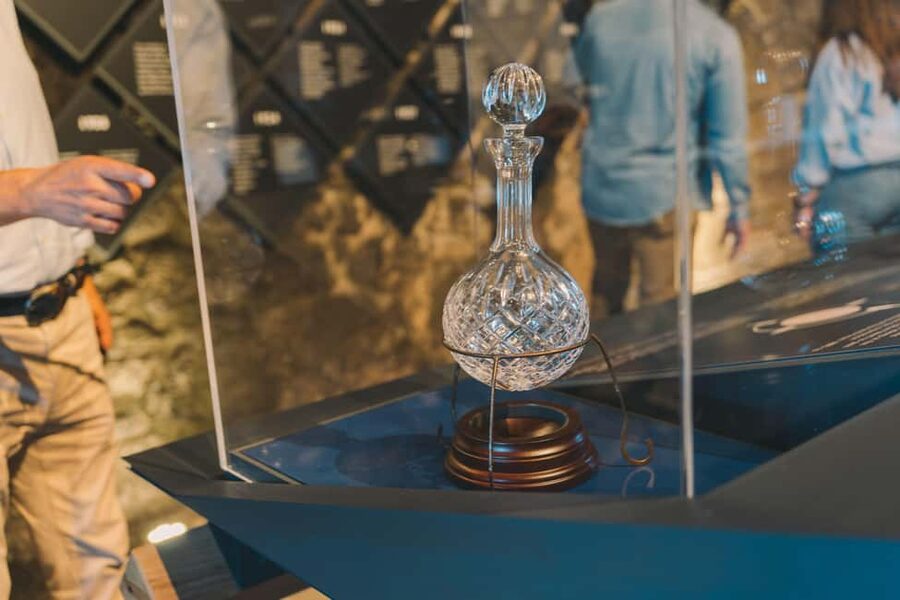
Fonseca’s Port Wine Cellars are built for a slow, curious pace. Your visit is self-guided, on the date and start time you pick, so you’re not stuck listening to someone talk at you the whole way. That matters in Porto, because you often spend the morning dodging hills and crowds. Here, you trade street noise for a quieter, indoor rhythm.
You start at the Fonseca Port Wine Cellars meeting point. From there, the experience is designed like a guided walk-through with information boards and an audio guide. Even if you’re not a wine nerd, you’ll get a clean storyline: where Port comes from, how it’s produced, and why Fonseca became such a big name. Audio options include Portuguese, English, French, Spanish, German, and Korean. The printed info is available in Portuguese and English, and French/Spanish are offered via QR codes.
A couple of practical tips make this smoother:
- Bring or use headphones for the audio guide, and make sure your phone is charged.
- Give yourself enough time at the end for the tasting, because it’s the part you’ll remember most.
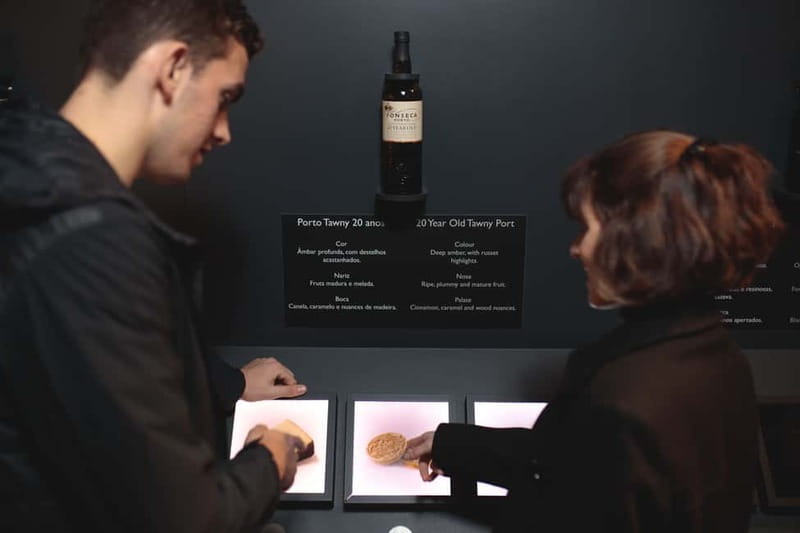
One theme that shows up in the experience quality is that people leave feeling like the visit was not just walking-and-reading. There’s a more interactive feel, including a scent or smelling game mentioned in feedback. That kind of small activity helps you connect the technical words (fermentation, aromas, aging) to something you can actually detect.
You can also read our reviews of more food & drink experiences in Porto


How Port gets made: Douro Valley basics that improve your tasting
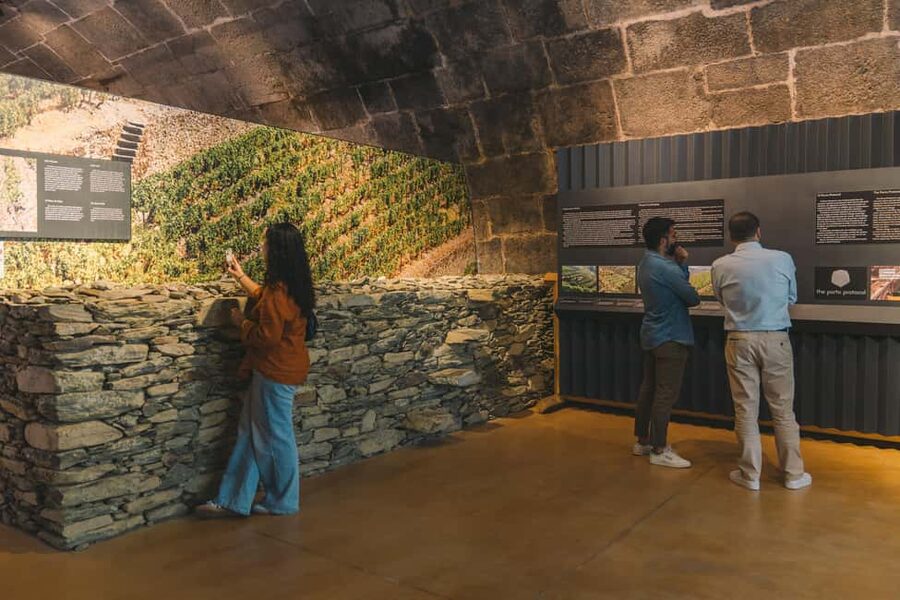
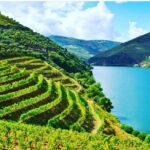
The biggest value of this visit is what you learn before you drink. Port is not just any sweet wine. The experience explains how Port begins in the Douro Valley, including Fonseca’s connection to Quinta do Panascal, where the port wine is born. That’s an important detail because the Douro isn’t just a label—it’s the source of the grapes and the production conditions that shape the final style.
You also learn about the production process beyond the grape stage: what happens as the wine develops and how aging fits into Port’s identity. The experience highlights sustainable winemaking as well, so you don’t only get tradition. You get the “today” side too: what Fonseca is doing to reduce impact while keeping quality consistent.
If you’re thinking, I just want to taste—good news. Understanding the basics makes your glass more interesting, especially with Fonseca’s signature styles. Even if you don’t catch every production term, you’ll likely remember the key story beats: Douro grapes → Port-making process → aging → final bottling.
Bin 27, Siroco, and Terra Prima: the tasting that connects the dots
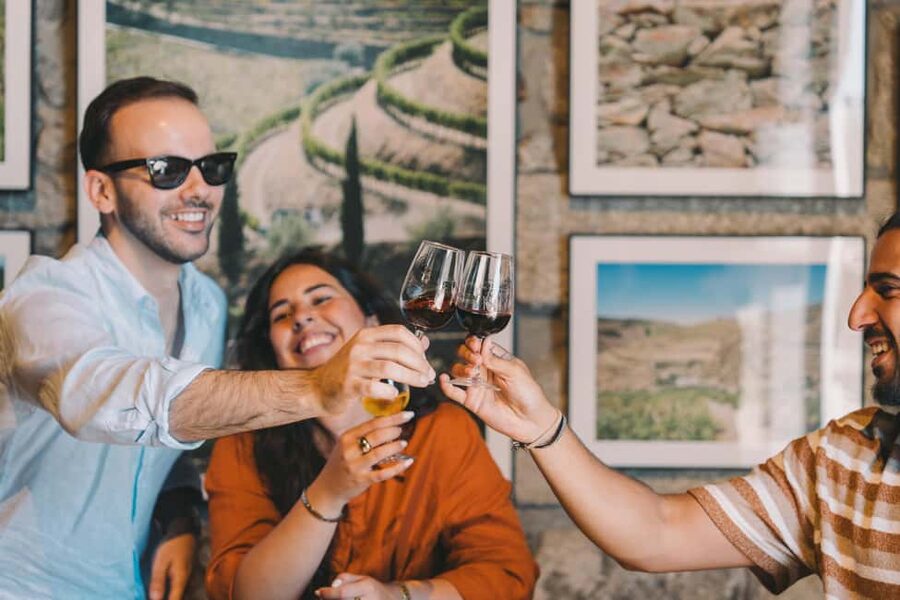
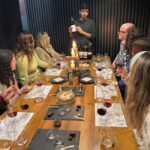
The tasting is the moment everything clicks. According to the experience description, you end with a commented tasting that includes Fonseca Bin 27, plus Siroco extra dry white Port. Terra Prima is also listed as part of the tasting set in the what-to-expect section, so you may see it offered within that tasting framework.
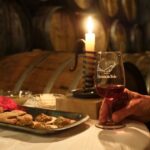
In practice, the experience aims to get you comparing styles. Bin 27 is the headline, and it’s the one you’re most likely to remember once you walk back out into Porto. Siroco is offered as a drier contrast point through a white Port lens—useful if you think you only like one style. One feedback note also mentions cheese and biscuits pairing during the tasting, which is a smart way to judge how Port works with food rather than drinking it alone.
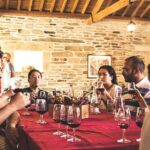
You’ll also notice the setting is part of the appeal. People describe sitting near a window with a view over the river and the Dom Luís I bridge. That’s not a small detail. When you’re sipping in front of a city landmark, you don’t feel like you’re stuck in a shop tour. You feel like you’re in Porto, even while you’re underground tasting wine.
Staff involvement can make the tasting better too. One named expert, Christiano, is mentioned as a fun, humor-filled guide during the tasting. Even when the tasting room is busy, that kind of light, clear explanation tends to keep the experience from feeling scripted.
For families, there’s a child option listed: kids ages 8 to 17 can receive 1 grape juice from the Douro Valley instead of Port.
Don’t skip the shop: buying bottles (or just browsing) feels part of the finish
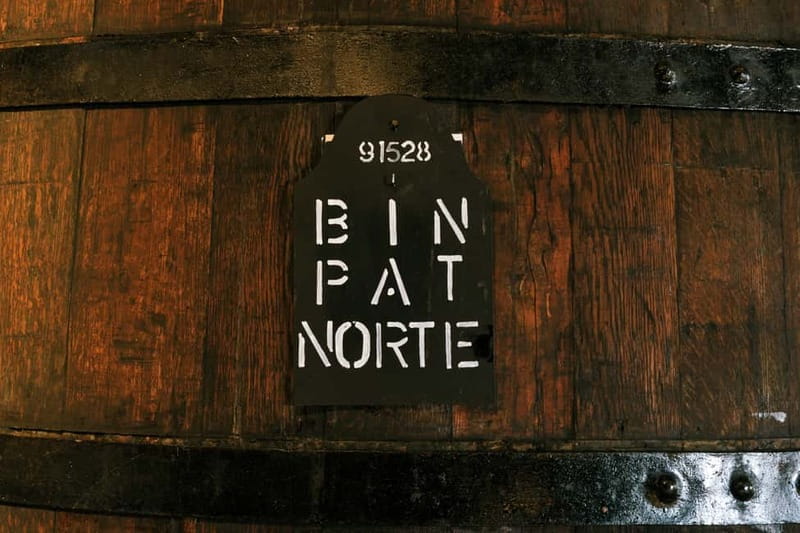
After the tour, you can browse the Fonseca Shop. This is where the experience shifts from learning to taking home. If you want a souvenir that actually gets used, buying a bottle makes sense. The tasting is designed to help you choose what to buy, not just what to sample.
Feedback also suggests prices are reasonable for the quality level. One person noted the signature wine at around €14 a bottle, which gives you a rough idea of what to expect when you’re comparing to other wine shops in Porto. Prices will vary by bottle, but the key point is that the purchase step feels natural. You’ve already tasted, you’ve already learned the story, and now the shop just becomes the practical next step.
If you’re traveling light and worried about carrying bottles, you might decide to focus on one bottle and add smaller items. The shop offers goodies intended as Port-flavored keepsakes, and those are easier to pack than extra glass.
Timing and walking reality: the practical side of booking
This experience is open daily from 11:00 to 18:00, with the last entrance at closing time. You pick your starting hour, and the visit is self-guided, so plan your afternoon around that window. If you like to mix sightseeing with food and wine, this is a good anchor activity: you can see the city in the morning, then do a calmer, structured learning-and-tasting stop.
Now for the unglamorous truth: the cellars involve uneven and steep surfaces. The activity is listed as unsuitable for anyone who has difficulty walking, and it’s also not suitable for people with mobility impairments. Even if you can walk, it’s worth thinking about your comfort level if you’ve been climbing Porto’s streets all day.
A smart way to make this go smoothly:
- Wear shoes with grip (Porto streets outside can be slippery too).
- Budget extra time on your feet so you don’t feel rushed.
- If you rely on the English audio or another specific language, double-check you’re set up correctly when you arrive.
One more small consideration from feedback: the self-guided audio is meant to be used through an app or device setup, and some people reported the need to download and install it. That’s a good reason to arrive with a phone that’s ready, not one that’s at 7% battery.
You can also read our reviews of more wine tours in Porto
Who should book Fonseca, and who might prefer something else
This is a strong fit if you:
- Want a Porto-based Port experience without needing to travel deep into the Douro Valley for a winery day
- Like learning just enough to make tasting meaningful, not just drinking for the sake of it
- Are interested in the Fonseca story, including its history dating back to 1815
- Want a family-friendly option, since kids 8 to 17 can do the experience with Douro grape juice
It’s not the best match if you:
- Struggle with steep or uneven walking
- Need a fully guided, all-in-one experience with constant staff attention (this is self-guided, and the tasting is at the end, not the whole time)
If you’re torn between the Douro Valley and Porto, this tour is a useful middle ground. You still get the Douro context and Quinta do Panascal connection, plus the signature Fonseca tasting. You just experience it from inside Porto’s cellar rather than out among the vines.
Should you book this Fonseca Port Cellar visit?
Book it if you want a clear, well-paced Port education and tasting that feels “Porto practical” rather than travel-heavy. At $18 per person, you’re paying for a structured self-guided tour plus a tasting with Fonseca’s signature Bin 27 and a dry extra-dry white Port option (and Terra Prima is listed as part of the tasting set). That’s a good value blend if your goal is understanding and sampling, not spending an entire day on transport.
Skip it or consider another option if walking surfaces are a concern for you. The experience is not designed for mobility limits, and cellars are not the place to test your comfort.
If you’re going to do one Port stop in Porto, this is one of the more sensible picks: you get the history (including Fonseca since 1815), the production story starting in the Douro, sustainability context, and a tasting room with views of the river and Dom Luís I bridge. That’s a lot of payoff for one afternoon.
FAQ
Where is the meeting point?
The experience starts at the Fonseca Port Wine Cellars.
Is the tour self-guided?
Yes. It’s a self-guided tour through the cellars, on your selected date and hour. You can use the audio guide and on-site information.
What’s included in the tasting?
You get a tasting that includes 1 glass of Fonseca Bin 27 Port Wine and 1 glass of Siroco extra dry white Port. The experience description also mentions Terra Prima as part of the tasting line-up.
Are there options for kids?
Yes. Children ages 8 to 17 can have 1 grape juice from the Douro Valley instead of Port.
What languages are available?
The audio guide is available in Portuguese, English, French, Spanish, German, and Korean. Portuguese and English information is displayed on site, and French/Spanish are available through QR codes.
When is the Fonseca Experience open?
It runs daily from 11:00 to 18:00, with the last entrance at closing time. Opening hours can vary during bank holidays, so it’s smart to check the official website.
Is it suitable for people with mobility issues?
No. The activity is not suitable for anyone who has difficulty walking, due to uneven and steep surfaces, and it’s also listed as unsuitable for people with mobility impairments.