REVIEW · NAPLES
Pompeii with Wine Tasting and Lunch from Naples
Book on Viator →Operated by Napoli City Vision · Bookable on Viator
Pompeii comes with lunch and wine. This 7-hour outing pairs a guided UNESCO Pompeii walk with a visit to Campania Ars Vinearia on the Vesuvius slopes. I like the way lunch and tasting work like one flowing meal, but there’s one catch: Pompeii entrance tickets cost extra.
You pick a start time based on where you’re picked up in Naples, then ride in a modern coach with live commentary on board. I also like the group size cap of 30, because it helps your guide keep things moving even when Pompeii is crowded. Much of the day is outdoors, so plan for sun and heat.
Between Pompeii and the winery, you stop for a cameo and coral workshop tied to the Neapolitan tradition of carving shell scenes. Both the ruins and the vineyard walk are open air, so comfortable shoes and weather-ready clothes matter.
In This Review
- Key highlights to know before you go
- A seven-hour plan that keeps Naples-to-Pompeii from turning into a mess
- Pompeii guided walk: what you’ll actually get out of the ruins
- The cameo and coral workshop stop: craft, context, and the time tradeoff
- Campania Ars Vinearia: vineyards on Vesuvius and what the soil story means
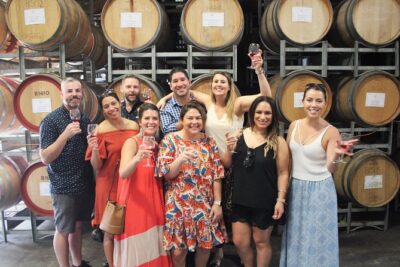
- Lunch with multiple wines: what’s on the table and how it works
- Price and value: is $130.33 worth it?
- Heat, buses, and hearing the guide: what to watch for
- Should you book this Pompeii with wine day trip from Naples?
- FAQ
- Are Pompeii entrance tickets included?
- What’s included in the lunch and wine tasting?
- How long is the tour from Naples?
- What language is the tour offered in?
- Is this tour suitable for people with walking difficulties?
- Can I cancel for a full refund?
Key highlights to know before you go
- Pompeii guided walk with real help: you’re not just wandering the ruins alone.
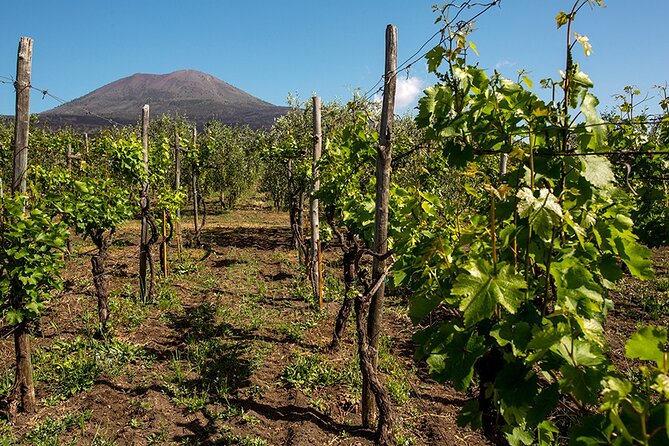
- Vesuvius-slope winery visit at Campania Ars Vinearia, including a vineyard stroll.
- Lunch + wine pairing built into each course (starter, pasta, dessert), served with different wines.
- Cameos and corals craft stop featuring shell carving and myth-inspired designs.
- A capped group size (up to 30) for a calmer pace through busy sites.
- Buy wine and olive oil to ship home if you want a souvenir that won’t weigh down your suitcase.
A seven-hour plan that keeps Naples-to-Pompeii from turning into a mess
This is the kind of day trip that’s made for first-timers. You’re picked up around Naples (your start time depends on the pickup point you choose), then transported by modern coach with a live assistant adding commentary along the way. That matters because Pompeii isn’t something you want to tackle in a half-scattered way—getting to and through the site with a plan helps you see more and feel less stressed.
Timing-wise, expect around 7 hours total. The Pompeii portion is typically handled as a guided walk (often described as about two hours for the core touring), then you head out to the winery for the food-and-wine part of the day. Between stops, the rhythm is designed to keep you from wasting time hunting down tickets or figuring out how to get between areas.
One small “yes, that’s important” detail: the day is outdoors in two major chunks. Pompeii is open to the sky, and the vineyard stroll is also outside. In hot months, you’ll want to show up ready—water, a hat, and shoes that can handle uneven stone paths.
If you’re sensitive to noise, also note that Pompeii can be loud: other tour groups, guide voices, and crowds all blend together fast. A good guide helps you tune in, but your ability to hear can still depend on where you end up standing.
You can also read our reviews of more food & drink experiences in Naples


Pompeii guided walk: what you’ll actually get out of the ruins
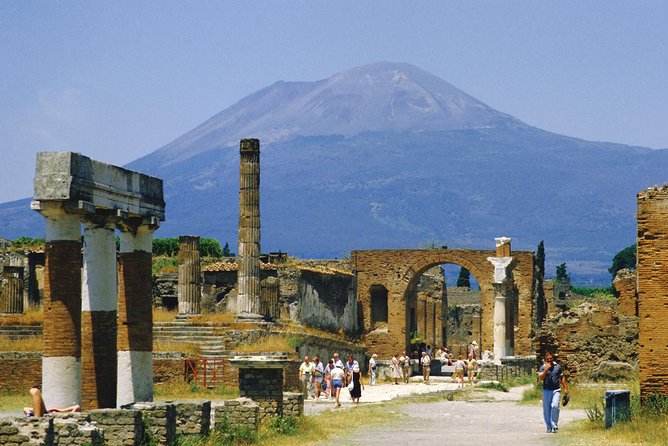
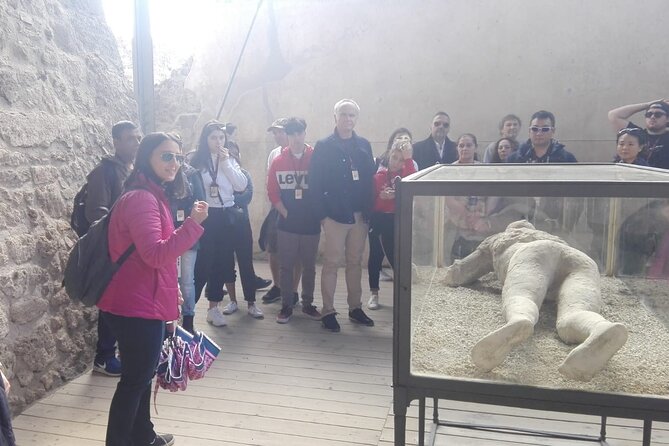
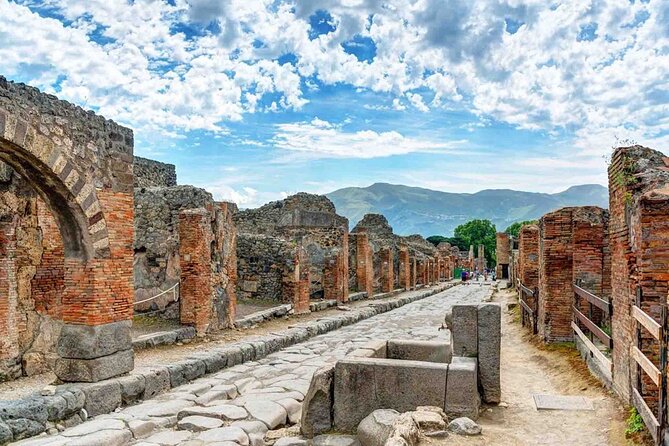
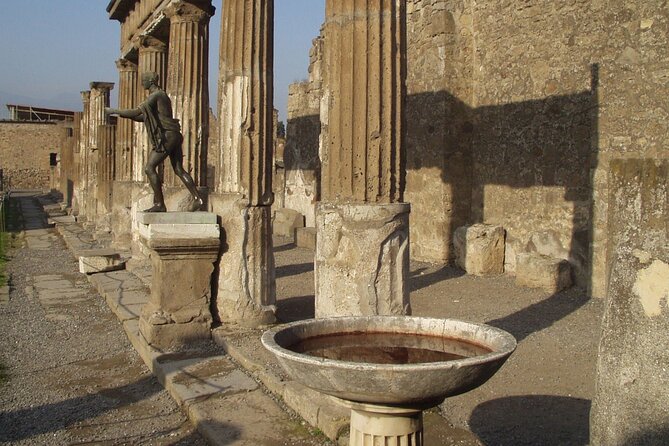
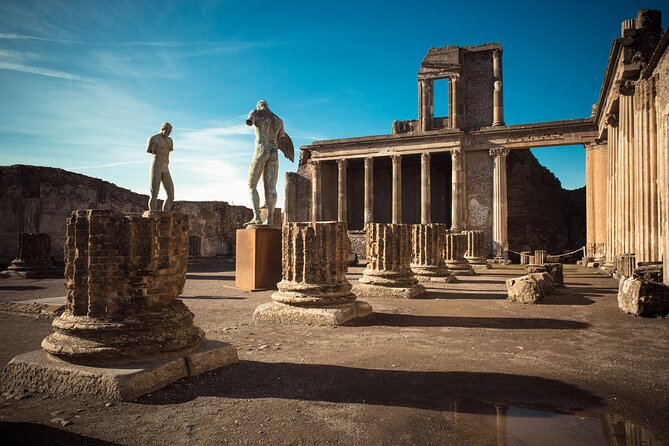
Pompeii’s story is dramatic and very physical. The ruins trace back to the 6th century BC, and by the time of the eruption in 79 AD, the city counted around 11,000 inhabitants. It wasn’t some empty backwater—emperors and aristocrats had holiday villas there, while merchants ran day-to-day businesses with locals. Then the eruption buried the city under meters of ash within hours.
That’s why a guide makes such a difference. The ruins can look like random stone fragments if you don’t know what you’re seeing. A strong guide helps you connect the dots: how people lived, where commerce happened, and how the city functioned before it was sealed under ash.
In the real-world experience of this tour, the Pompeii visit is paced to cover key areas without dragging on forever. Many people appreciate that it feels organized rather than rushed. You should still build in realistic expectations: Pompeii is huge, and crowds make it slower than you’d hope.
Practical notes that will save your day:
- Bring water and a hat in summer. Pompeii has very little shade.
- Plan for restroom stops that may not be ideal by big-city standards.
- If you can, keep an eye on where you stand to hear your guide through the crowd.
You’ll also be walking on uneven surfaces, so moderate physical fitness helps. This isn’t the best match for people who need frequent breaks or step-free routes.
The cameo and coral workshop stop: craft, context, and the time tradeoff
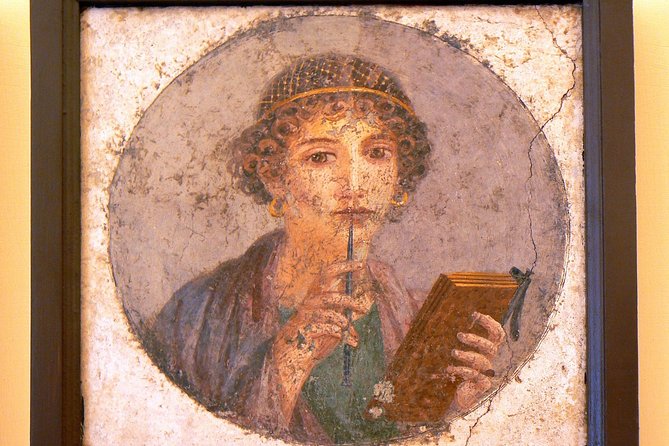
Between Pompeii and the winery, there’s a stop for a cameo and corals workshop. This is tied to an old Neapolitan art tradition: cameos are carved sea shells that depict scenes from mythology, and it’s taught as a craft with local cultural importance.
This stop can be a nice breather from large-scale ruins and walking. It gives you something smaller and hands-on to focus on—your brain gets a rest, but you still leave with a new connection to the region.
The tradeoff is time. Some people find the waiting around this stop a bit long, and there can be a shop component at the start that feels unnecessary if you’re trying to maximize time at Pompeii. If your priority is purely Pompeii and wine, keep that in mind and don’t be surprised if you spend more time here than you hoped.
My advice: go in curious. If shell carving and myth motifs interest you at all, you’ll likely enjoy the break. If you’re short on patience, treat it as a short cultural detour and keep your eyes on what matters next—Vesuvius and lunch.
Campania Ars Vinearia: vineyards on Vesuvius and what the soil story means
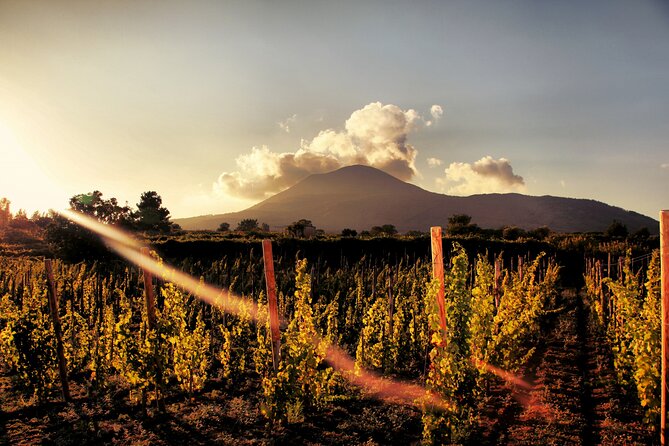
Now the setting changes from ash-gray stone to volcanic slopes. At Campania Ars Vinearia, you’re taken around the vineyards and learn how the volcanic soil and the mix of vegetation influence the wine. The tour explains how vines co-exist with other trees, plants, and herbs, and how modern and traditional techniques work together.
The region’s grape history is part of the story too. Vine farming here goes way back—Greeks started cultivating vineyards on the rich volcanic soil, and some older varieties still survive. One that gets called out is Aglianico.
This part is more than scenic strolling. It helps you taste with context. When you understand the soil and the way the vineyard is managed, the wines stop being just “red or white.” Even if you’re not a wine expert, you’ll pick up enough to notice differences.
One expectation to set gently: the vineyard visit is usually paired with the tasting and lunch, so the pacing is built for a group day. You might get more “story and setting” than strict winemaking lectures. Still, the experience is often described as well organized, and the views from the winery area around Vesuvius are a big part of why people remember the day.
Lunch with multiple wines: what’s on the table and how it works
This is where the tour feels like more than a bus-to-Pompeii trip. Lunch at the winery includes a Mediterranean meal served alongside the tastings. The menu is straightforward and local:
- Starter: local cold cuts and cheeses
- Main: spaghetti allo Scarpariello
- Dessert: local pastry
And here’s the fun part: each course is served with a different wine. That means you’re not just tasting a random sampling with bread on the side—you’re tasting as you eat, which makes the flavors feel linked instead of separate.
People also like the way the meal is set up. Family-style seating helps the day feel social instead of stiff. Service is often described as attentive during the meal, and the winery setting adds a real “we’re here” feeling.
A quick reality check: wine education can be uneven depending on the day and the group. Some people want more explicit pairing talk and deeper explanations. If that’s your priority, you may still enjoy the wines, but you might find the tasting less like a classroom and more like guided sampling plus good food.
Also, this is a place where you can buy bottles. Some guests mention ordering wine and olive oil to be shipped home, which is perfect if you don’t want liquids taking over your suitcase.
You can also read our reviews of more wine tours in Naples



Price and value: is $130.33 worth it?
At $130.33 per person, this tour is really buying a bundle: transportation from Naples, guided touring support, winery time, and lunch with wine. The big separate cost to budget for is Pompeii entrance tickets, which are not included. A single entrance ticket has been listed at €15, but final pricing can vary by age, nationality, and situation—so treat it as an estimate and check the official Pompeii rules before you go.
Even with that extra cost, the price can feel reasonable if you’d otherwise have to piece it together:
- You’re not planning how to get between Naples, Pompeii, and the Vesuvius slopes.
- You’re getting guided structure at Pompeii plus a guided walk at the vineyards.
- You’re getting a full winery lunch and tastings, not just a snack.
What you’re not paying for here is a private tour vibe. With up to 30 people, this stays group-paced. That’s a plus for people who want efficiency, but it means you won’t get perfect flexibility if you’re the type who needs to linger in one spot.
Also, language is English, and that’s a major factor for first-time visitors. When Pompeii crowds are thick, hearing your guide clearly can be affected by how busy it gets. Strong guides like Christian, Fabio, Francesco, Serena, and others mentioned as Pompeii guides help make the ruins click.
Heat, buses, and hearing the guide: what to watch for
This day trip is simple, but Italy in summer can be intense. One concern that comes up is bus comfort: there have been reports of buses running extremely hot, including instances where A/C wasn’t effectively working for everyone on board. If you’re traveling in peak heat, I recommend bringing water and dressing light. A hat helps more than you’d think.
Once you’re at Pompeii, the crowd factor becomes real. You may find it hard to hear your guide when other groups are loud and packed in close. This is less about the guide and more about the site’s reality. Try to keep your positioning flexible so you can hear instructions.
Restrooms are another practical pain point. One person noted that Pompeii restrooms weren’t clean, which is worth knowing so you don’t go in assuming everything will be easy.
Finally, there are mentions of a longer wait between Pompeii and the winery, and a sense that some shop stops can take more time than expected. That doesn’t ruin the day for most people, but it affects how “tight” the schedule feels—especially if your brain is already maxed out from walking ruins.
If you accept that and go with the mindset of Pompeii first, wine lunch second, you’ll likely have a good experience.
Should you book this Pompeii with wine day trip from Naples?
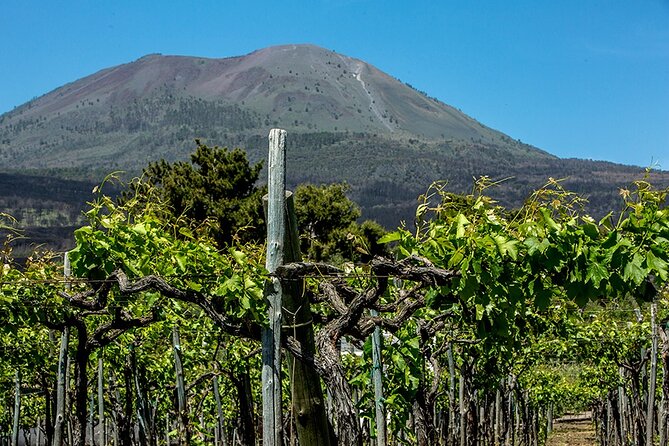
I think you should book it if you want a smart, structured day that combines Pompeii with a real winery lunch on the Vesuvius slopes. It’s a great fit for first-timers who don’t want the stress of transportation and timing. The format also suits people who care about food and wine as much as sites and ruins—because the meal is a real part of the experience, not an afterthought.
Skip it (or choose another option) if any of these matter most to you:
- You hate paying extra once you arrive (Pompeii tickets are not included).
- You need accessible routes or worry about walking on uneven ground.
- You’re looking for a very in-depth wine classroom with heavy pairing instruction. You’ll taste a lot, but the education level can vary.
- You’re extremely heat-sensitive and can’t tolerate long outdoor stretches and group-bus time.
If you’re flexible and you come hungry for both history and lunch, this is an efficient way to turn Naples into a day of ruins plus vines. And when the pace works, it’s the kind of tour where you leave thinking about the day you actually had—not the logistics you had to fight.
FAQ
Are Pompeii entrance tickets included?
No. Pompeii entrance tickets are not included in the tour price, and the fee can vary depending on age, nationality, and other factors. A single ticket has been listed at €15, so plan for an extra cost and check the official Pompeii site for the latest details.
What’s included in the lunch and wine tasting?
Lunch includes a starter of local cold cuts and cheeses, a main of spaghetti allo Scarpariello, and a local pastry dessert. Each course is served with a different wine, and the winery also includes wine tasting as part of the visit.
How long is the tour from Naples?
The duration is listed at about 7 hours.
What language is the tour offered in?
The tour is offered in English, with a guide on-site. If the group is under a minimum number of travelers, audio-guides are provided for the Pompeii portion.
Is this tour suitable for people with walking difficulties?
No. It’s not suitable for passengers with walking difficulties, and it’s recommended for travelers with moderate physical fitness.
Can I cancel for a full refund?
Yes. You can cancel up to 24 hours in advance for a full refund, and free cancellation is available under that rule.