REVIEW · PASSY GRIGNY
Passy-Grigny: Chocolate and Champagne Tasting Tour
Book on GetYourGuide →Operated by Champagne DOM CAUDRON · Bookable on GetYourGuide
Chocolate and Champagne in one tidy tour. This Passy-Grigny experience is interesting because it mixes a behind-the-scenes look at how Champagne is made with a fun tasting pairing. I like the English guide approach, with a clear, step-by-step flow from early pressing to modern production.
I also like the finale: 3 Champagne tastings paired with 3 chocolates, so you’re not just tasting, you’re learning how flavors talk to each other. One possible consideration is logistics: the place can be hard to reach by public transport, so plan on driving or using an on-demand ride.
In This Review
- Key things to notice before you go
- Why Passy-Grigny’s Champagne story matters for your glass
- Getting to Champagne Dom Caudron (and avoiding a headache)
- Your 75-minute English tour: from pressing rooms to the vat house
- A small moment that makes it memorable: sabre-style showmanship
- The Meunier connection: what you’re actually tasting
- The payoff: 3 Champagnes paired with 3 chocolates
- What the “production-first” approach means for you
- Price and value: what $31 gets you in real terms
- Who should book this tour, and who should consider alternatives
- Should you book the Passy-Grigny Chocolate and Champagne tour?
- FAQ
- What is the meeting point for the tour?
- How long is the Passy-Grigny chocolate and Champagne tour?
- Is the tour in English?
- What tastings are included?
- What does the tour focus on during the guided portion?
- Is it wheelchair accessible?
- Is there free cancellation?
- Can I reserve now and pay later?
- How do I get there if I don’t have a car?
Key things to notice before you go
- Passy-Grigny roots: the story connects to Aimé Caudron and the Meunier grape idea from 1929
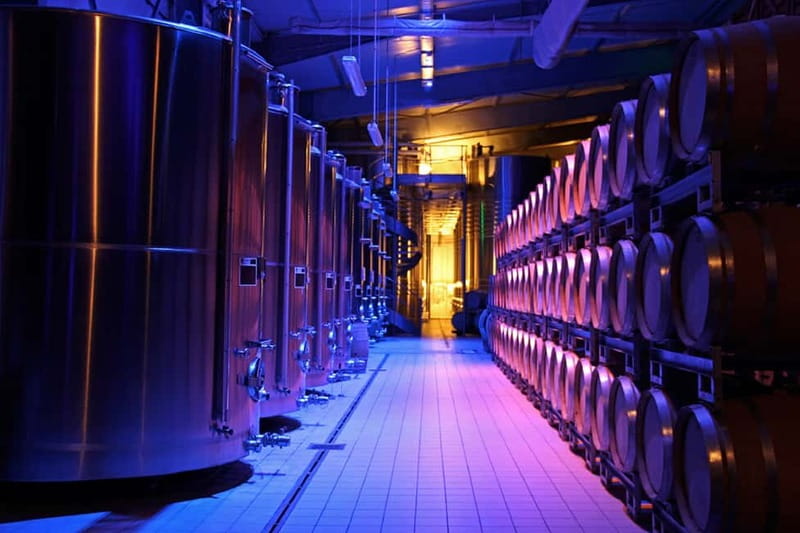
- Production-first tour: expect what’s happening in the cellar and vat house more than a broad historical lecture
- English-led visit: a live guide runs the show, with chances to ask questions
- Video + hands-on moments: there’s a short documentary element, and you may see a sabre demonstration
- 3-to-3 pairing: tasting three Champagnes alongside three chocolates keeps it lively and focused
Why Passy-Grigny’s Champagne story matters for your glass
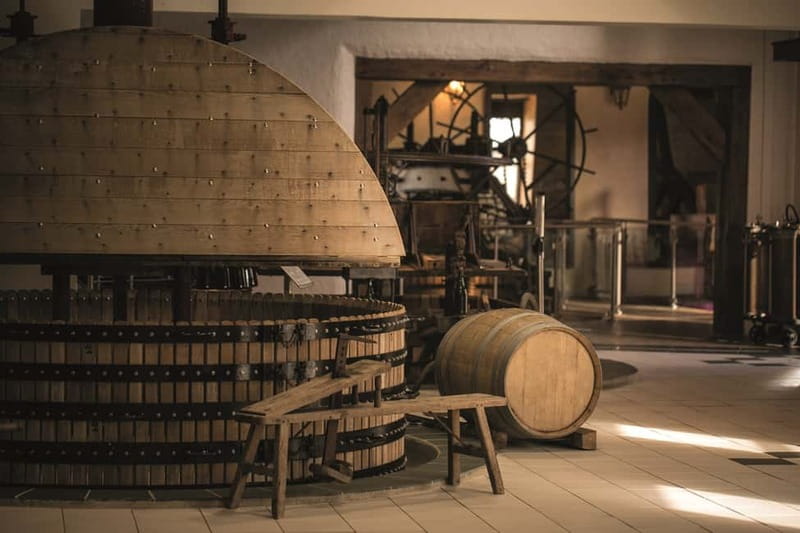
Passy-Grigny sits in the Marne Valley, and this Champagne house traces its roots to a specific local “why” story. In 1929, Aimé Caudron—described as a visionary priest in the village—helped gather local winemakers around an idea that became closely linked to the Meunier grape. That matters because it makes the Champagne feel less like a factory label and more like a regional project with a clear origin point.
This tour keeps that context while still staying practical. You learn how the grapes and process turn into Champagne, starting from the pressing stage and moving through the production set-up you’d expect to see in a working facility. If you like knowing what you’re drinking, this is the kind of visit that connects the dots.
You can also read our reviews of more food & drink experiences in Passy Grigny
Getting to Champagne Dom Caudron (and avoiding a headache)
The meeting point is at 10, Rue Jean-York, 5170, Passy-Grigny. That’s a real detail, because this part of the region isn’t always convenient via public transport.
One review note you should take seriously: it can be difficult to reach the location without a car, since public transport isn’t available except via ride-hailing options like Uber/Bolt. If you’re coming from nearby towns like Reims or Épernay, a rental car or a pre-planned ride usually saves time and stress. Also, give yourself a little buffer—small Champagne places tend to be calmer and more scheduling-friendly than big-city sites, but you don’t want to arrive flustered.
Your 75-minute English tour: from pressing rooms to the vat house
The experience is built around a single guided circuit with a 75-minute visit, followed by tasting. There’s also a short start-and-finish anchored at Champagne Dom Caudron, so you’re not bouncing around multiple locations.
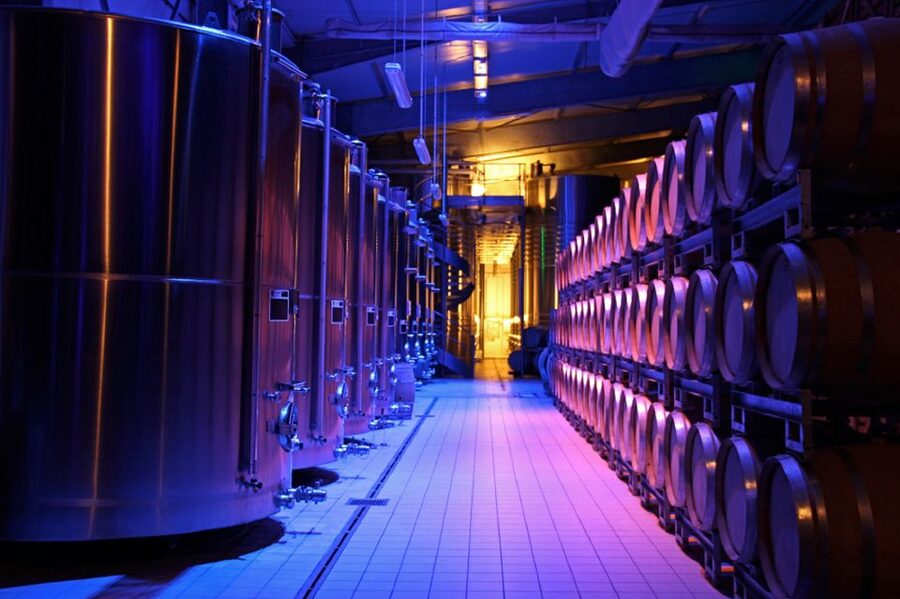
Expect the tour to walk you through the Champagne-making chain. The tour flow is described as starting at the Passy-Grigny vine grower’s first press, then moving forward into a more current, modern vat house setting. That’s a nice combination: you get the basics without losing sight of what modern production looks like today.
What I find useful is the balance between explanation and pacing. You’re not stuck in a lecture room the whole time. You see production areas, get guided commentary in English, and there’s also a short documentary segment that ties the steps together. If you’re the sort of person who likes a mental checklist—what comes first, what happens next—this structure helps you keep it straight.
A small moment that makes it memorable: sabre-style showmanship
If you’re traveling with kids or you just enjoy seeing a bit of theatre in wine country, keep your eyes open. One review mentions the host demonstrating a sabre for young boys. You can’t count on it, but it signals a welcoming vibe and a guide who’s willing to add personality, not just facts.
The Meunier connection: what you’re actually tasting
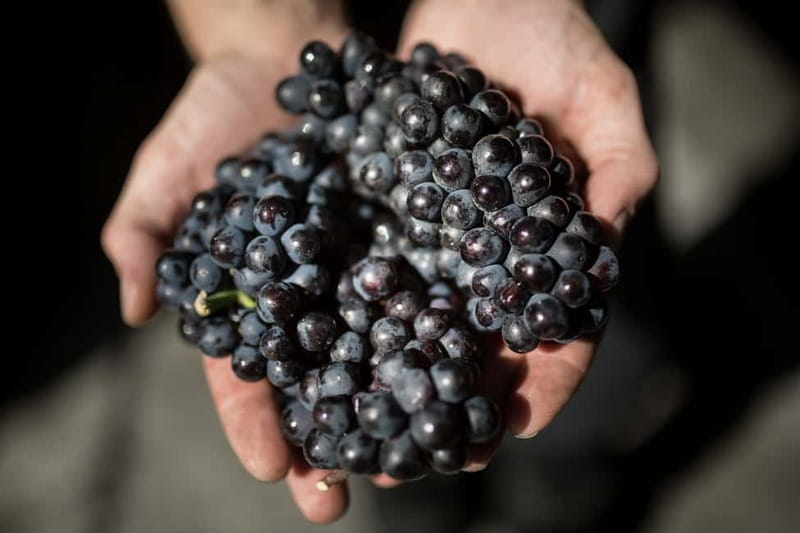
Meunier is a name you’ll hear here, and it isn’t just trivia. The tour’s story ties the house’s origin to the 1929 creation of what’s associated with the Meunier grape, linked to the village winemakers’ push.
Even if you don’t consider yourself a grape-nerd, this helps your tastings make sense. When the guide explains how Champagne is made, they’re not doing it in a vacuum. They’re giving you the context for why these particular cuvées can taste the way they do after pressing, fermentation processes, and blending steps.
If you’re new to Champagne, this kind of tour is a good first lesson because it doesn’t assume you already know the grape map. And if you’re more experienced, you’ll still appreciate the way the tour focuses on production realities—what happens in the rooms where the wine is handled.
The payoff: 3 Champagnes paired with 3 chocolates
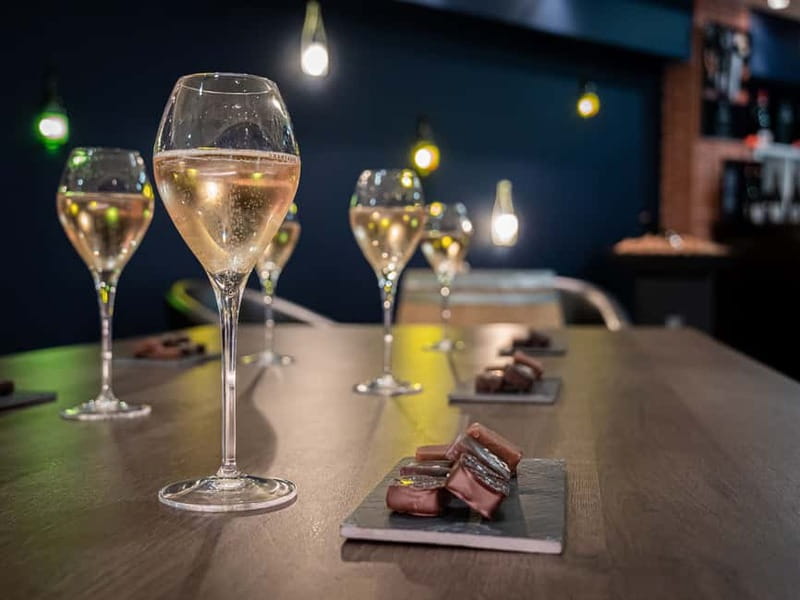
This is the part people come for, and it’s also the part that turns a normal tasting into something you’ll remember. You finish with a tasting of 3 Champagnes paired with 3 chocolates.
Why this pairing works: Champagne’s bubbles and acidity can act like a reset button between bites. The sweetness and cocoa flavors in the chocolates can also highlight different notes in the Champagne. Instead of sipping three separate glasses, you’re tasting as a comparison exercise: which chocolate texture changes the feel of the bubbles, and which Champagne style makes the cocoa taste richer or cleaner.
Guides also tend to keep this section enjoyable rather than overly technical. Reviews describe the tastings as having a good balance between explanation and straight enjoyment. That balance is exactly what you want on a short tour—enough guidance to understand what you like, but not so much talk that it kills the fun.
What the “production-first” approach means for you
One important nuance: this tour leans more toward how Champagne is produced than broad historical storytelling like you might get at some larger heritage-focused sites. If you want a Champagne history museum experience, you might find this shorter and more practical than you expected. If, instead, you want to understand the mechanics behind the bottle and then taste the results, this focus is a strong fit.
Price and value: what $31 gets you in real terms
At about $31 per person, this is priced like a short, focused add-on rather than a full-day Champagne pilgrimage. The value comes from what’s included inside that time.
You’re getting:
- An English guided tour (about 1.5 hours total)
- Chocolate tasting
- Champagne tasting
Most importantly, you’re not just consuming. You’re connecting. The pairing of chocolates with three Champagnes gives you a guided way to learn your preferences. That makes the money feel more like “you’re buying an experience and education” rather than “you’re buying drinks.”
Also, this is not positioned like a huge, rushed group tour. Even when the group size isn’t stated, the vibe described is organized and smooth, with a clear host presence and room to ask questions. If you’re the type who hates cattle-car logistics, that tone usually signals better comfort per minute.
Who should book this tour, and who should consider alternatives
I think this tour fits best if you:
- Want a short Champagne experience that still feels informative
- Prefer production details over long historical lectures
- Like food pairings and want a structured way to taste multiple Champagnes
- Are visiting the Marne Valley and want a meaningful stop without committing to a full day
It can also work well for mixed groups—say, someone who’s excited about Champagne basics and someone else who wants the fun part. The chocolates make it approachable even if sparkling wine isn’t your daily drink.
If you strongly prefer the most narrative, museum-style Champagne history, you may feel this tour is more factory-minded and less storybook. And because getting there can be tricky without a car, plan your transport first—this matters more than it sounds when you’re trying to enjoy wine country instead of wrestling schedules.
Should you book the Passy-Grigny Chocolate and Champagne tour?
Yes—if your ideal Champagne day looks like: guided production walk + a relaxed tasting + food pairing, all in about 1.5 hours. The 3 Champagne and 3 chocolate pairing is the headline, but the real value is how the tour helps you understand what you’re tasting, from pressing to the modern production setup.
Book it if you’re staying in the region for a couple days and you want a practical, high-satisfaction stop that isn’t as time-heavy as the big-name brands. If you’re traveling without a car, do a quick reality check on transportation options before you commit.
FAQ
What is the meeting point for the tour?
The tour meets at 10, Rue Jean-York, 5170, Passy-Grigny. The experience ends back at the meeting point.
How long is the Passy-Grigny chocolate and Champagne tour?
The duration is 1.5 hours, and you’ll want to check availability to see the starting times.
Is the tour in English?
Yes. The tour is guided in English.
What tastings are included?
You get Champagne tasting and chocolate tasting, with the experience described as a pairing of 3 Champagnes and 3 chocolates.
What does the tour focus on during the guided portion?
The guided tour covers how Champagne is made, moving from pressing to a modern vat house setting, with a short documentary component described.
Is it wheelchair accessible?
Yes. The activity is listed as wheelchair accessible.
Is there free cancellation?
Yes. You can cancel up to 24 hours in advance for a full refund.
Can I reserve now and pay later?
Yes. It offers reserve now & pay later, meaning you can book your spot and pay nothing today.
How do I get there if I don’t have a car?
Public transportation can be limited. One practical note provided is to drive to the location, or use ride-hailing options like Uber/Bolt.