REVIEW · BARCELONA
Interactive Paella & Market: Bottomless Wine & Rambla Views
Book on Viator →Operated by Barcelona Cooking · Bookable on Viator
Paella starts with groceries and a view. This 4-hour class blends a hands-on kitchen lesson with a real walk to buy market-fresh ingredients, plus the payoff is serious: you cook classic dishes and sample wine while looking back toward La Rambla.
I love the way you’re not just watching. You shop with your chef, learn what to look for, and then do the chopping, mixing, and cooking yourself. I also love that the class ends with something useful: a PDF recipe set so you can actually recreate the dishes at home.
One thing to consider: this happens in the middle of the city. You’ll be near the busy La Rambla area (plan for noise and foot traffic), and since wine is included, keep your afternoon plans flexible.
In This Review
- Key Points You’ll Care About Before You Go
- Where You Start: La Rambla Meets the Market
- The Kitchen Setup: Real Stations, Real Cooking Time
- What You’ll Cook: The Class Menu in Plain Terms
- Strawberry Gazpacho and Tomato Bread: Fresh Skills First
- Spanish Tortilla: The Secret Behind the Omelette
- Paella in Practice: Market Ingredients Meet the Pan
- Catalan Cream and Wine: The Easy Win at the End
- La Rambla Views: Why This Feels More Local Than Fancy
- Price and Value: Is $151.23 Worth It?
- Who Should Book, and Who Should Skip
- Should You Book This Barcelona Cooking Class?
- FAQ
- How long is the Interactive Paella & Market class?
- What time does the class start?
- Where do I meet the group?
- Is the class offered in English?
- How large is the group?
- What dishes are included in the menu?
- What’s included besides the food?
- Is wine included?
- Is tipping included in the price?
- Is there free cancellation?
Key Points You’ll Care About Before You Go

- Mercat de la Boqueria style market time: you learn what makes quality produce and cured meats worth buying
- Hands-on Spanish classics: strawberry gazpacho, Spanish tortilla, tomato bread, paella, and Catalan cream
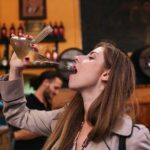
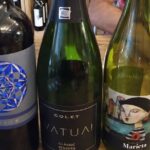
- Bottomless wine with the meal: multiple courses pair with plenty of pours
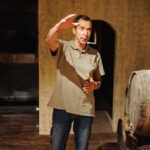
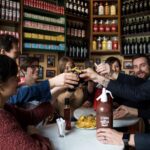
- Chefs who teach, not perform: I’ve seen classes led by Juan, Sonja/Sonia, Renata, and Juancho, with a consistently social vibe
- Small group (max 12): more time at your stations, fewer people floating around doing nothing
- You leave with take-home PDFs: a practical guide for cooking later
Where You Start: La Rambla Meets the Market
You meet at Barcelona Cooking, La Rambla 58, ppal 2, Ciutat Vella. The start time is 10:00 am, and the class wraps back at the same meeting point. Since it’s in the Ciutat Vella area and near public transport, you can plug it into a day of walking without needing a car or taxi right away.
What makes this start feel different is the flow. You begin with shopping, not with a lecture. You’ll be led through the market area to choose ingredients for what you’ll cook in the kitchen—think fresh produce, plus the salty Spanish staples that give dishes their character.
From the vibe in the kitchen teaching style (and the way the chefs run market stops), you’ll get one clear message: good food starts with buying the right thing. In the reviews and teaching approach, chefs like Juan are specifically praised for knowing the vendors and what to look for, including details like ham quality and how to judge ingredients by sight and smell.
Tip for your day: wear shoes you’re comfortable walking in. This is Barcelona city life—sidewalk, crowds, and the smell of food everywhere—so arrive with a calm pace and an empty stomach.
You can also read our reviews of more tours and experiences in Barcelona.
The Kitchen Setup: Real Stations, Real Cooking Time
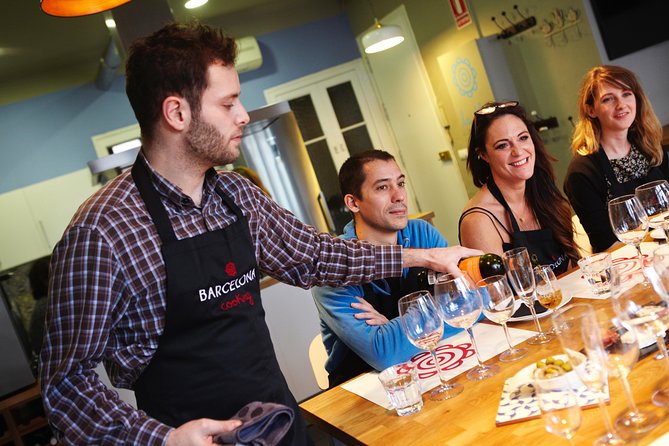
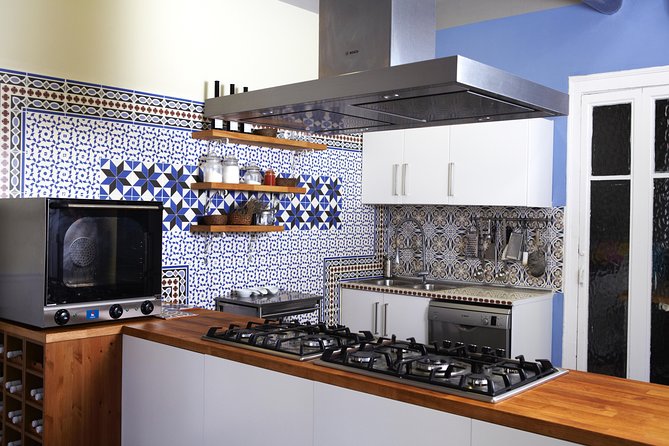
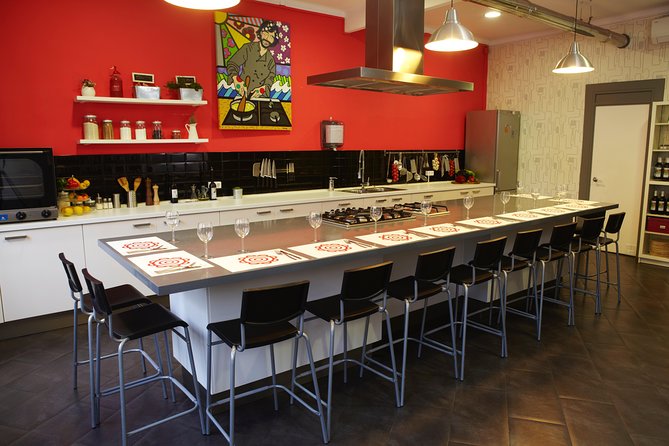
After the market, you head to the cooking space. The kitchen is described as comfortable and set up so everyone has a job—stations are preset, and you get instruction step-by-step. People also mention the kitchen has air conditioning, which is a big deal in Barcelona, even when the class starts in the morning.
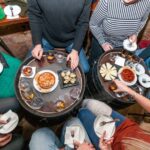
The format matters for value. A lot of cooking classes risk turning into a show where you stir for 30 seconds and then watch someone else do the rest. Here, the common theme is that you get involved. Each participant is given tasks, and the chef stays organized so the group doesn’t fall behind.
Chefs such as Sonja/Sonia and Renata get repeat praise for being methodical and for keeping the mood relaxed. That balance matters. You want structure so you don’t end up with scrambled omelette disasters, but you also want a social tone so the class doesn’t feel stiff.
If you’re cooking with kids or traveling as a family, this kind of station-based class usually works well, because it’s less about passive attention and more about shared prep and tasting. If you have dietary needs, you’ll want to mention them in advance—there are reports that the team handled dietary requests effectively.
What You’ll Cook: The Class Menu in Plain Terms
This class is built around a clear sequence of classic Spanish dishes. The menu you can expect:
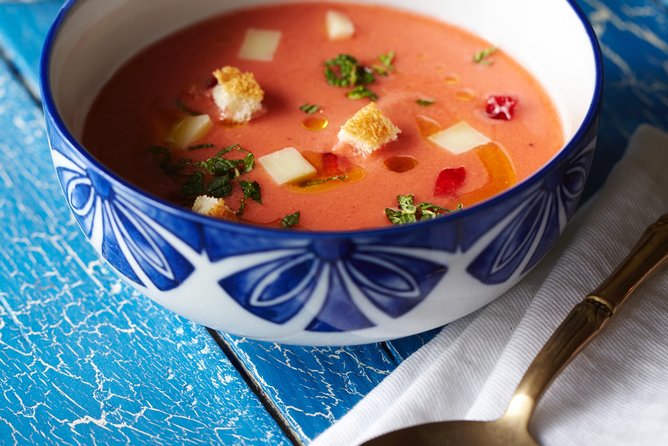
- Strawberry gazpacho with mint and Brie
- Spanish tortilla (potato and onion omelette)
- Tomato bread (pan con tomate with garlic)
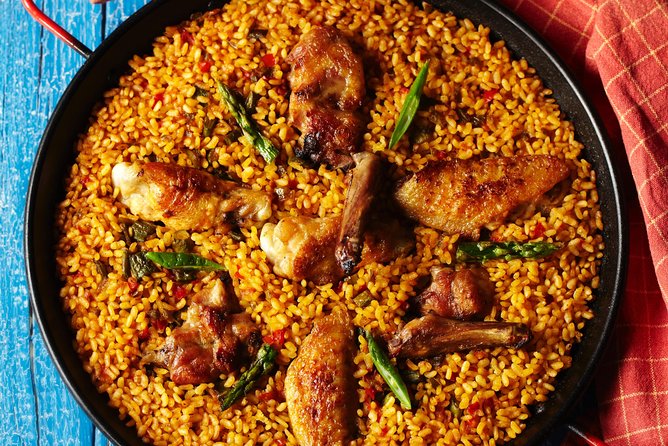
- Paella
- Catalan cream (Crema Catalana)
The smartest part of the menu is that it teaches variety. You start with a cool, bright starter. Then you move into a savory egg-and-pan skill. Tomato bread teaches the simple power of good ingredients and basic technique. Paella becomes the main cooking challenge, and Catalan cream closes the loop with a dessert that feels special without being impossible.
Also, the course design naturally creates pacing. You get a first taste, then you cook, then you taste again. That rhythm keeps you from feeling like the whole class is a single marathon of boiling and frying.
Strawberry Gazpacho and Tomato Bread: Fresh Skills First
Even if you think you already know gazpacho, this version is different. The strawberry gazpacho with mint and Brie is the kind of twist that works because it’s still grounded in the flavors of classic Spanish cold soup—just with fruit sweetness and creamy depth.
You’ll learn how texture and balance matter. Gazpacho isn’t just blending. It’s about getting the flavors to land together, so it’s refreshing rather than bland, and not so sweet it feels like dessert soup.
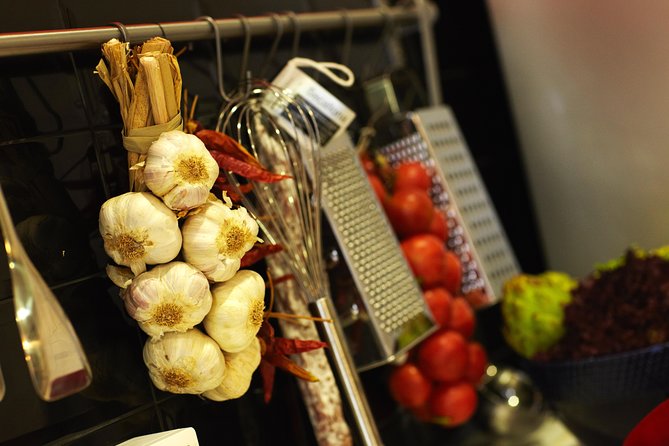
Then comes tomato bread—pan con tomate with garlic. This is one of my favorite “why didn’t I do this at home?” skills. It’s simple, but it teaches you the payoff of using good tomatoes and doing the basic rubbing/tasting steps correctly. You end up understanding why locals treat this like a daily-life staple.
These early dishes also help you get comfortable with the kitchen routine before the bigger jobs. If you’re a beginner, that matters. If you’re more experienced, you still benefit because the class focuses on technique and ingredient choices, not just recipes.
Spanish Tortilla: The Secret Behind the Omelette
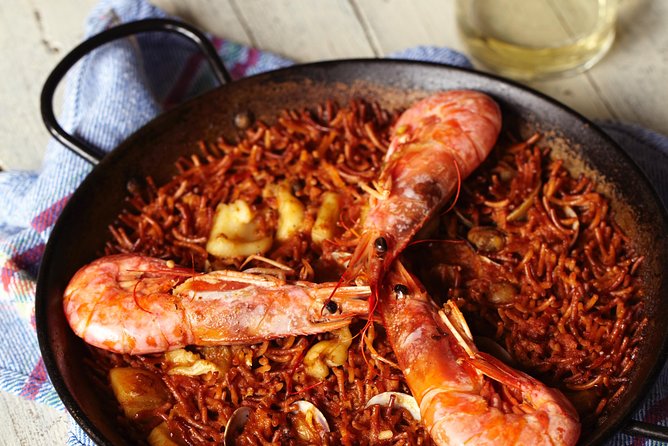
The Spanish tortilla (tortilla espanola) is where the class earns its credibility. People mention learning the secret behind the omelette, and that’s exactly what you should expect: technique around the potato-cook time, onion softness, egg binding, and how to get a sliceable result instead of a loose scramble.
This dish is a great lesson because it’s forgiving in ingredients, but unforgiving in timing. When the chef teaches it well, you walk away with a mental checklist:
- cook potatoes and onions so they’re tender
- manage heat so the eggs set gently
- respect resting and final slicing
If you’ve ever made tortilla at home and felt like it came out either too wet or too dry, this is the class that can fix that problem. The hands-on nature means you get to feel the texture, not just read about it.


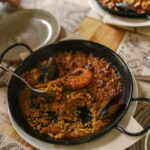
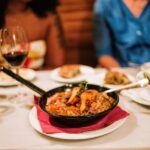
Paella in Practice: Market Ingredients Meet the Pan
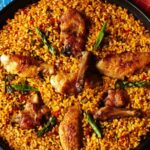
Paella is the headline, and the class doesn’t treat it like a distant finale. You make it, and you learn what makes paella taste like paella rather than “a rice dish with stuff.”
In the teaching style here, the market shopping ties directly into the cooking. You’re not guessing on ingredient quality. You learn what matters, why it matters, and how the chef guides the group through the process.
People specifically praise chefs like Juan for teaching the Spanish way of making paella, including the important parts that make the whole dish work together. That usually includes timing, heat control, and how you build flavor from the beginning rather than dumping everything in at the end.
And yes, you’ll be eating it while having wine included. That combo is part of what makes the day feel like Barcelona instead of a cooking workshop. It’s food with place and people.
Catalan Cream and Wine: The Easy Win at the End
By the time you reach Catalan cream (Crema Catalana), you’re ready for the payoff. This dessert is often described as creamy and perfect, and that’s the goal: a dessert that feels rich but not heavy, with a topping that gives the satisfying contrast you want.
If you’ve never made it before, don’t worry—it’s a classic skill. If you have made it before, you’ll likely appreciate how the class keeps you focused on texture and timing.
Now add the wine. The experience includes alcoholic beverages, and multiple people mention generous pours. With that many components happening in 4 hours, the wine helps make the whole thing feel celebratory, not stressful. Just do yourself a favor: sip, don’t guzzle. Plan to walk home or take transit after, not to do anything that requires serious attention.
La Rambla Views: Why This Feels More Local Than Fancy
You cook with Rambla views, which matters more than it sounds. It keeps the class from feeling closed-off. You’re inside for hands-on cooking, but you’re still tied to the city’s rhythm outside.
That connection is why this feels authentic instead of staged. The market start grounds the day in real shopping, and the kitchen work turns that shopping into a meal you can explain afterward. You’ll also get small moments of city awareness—like what people are buying, how stalls operate, and what the chef calls out as quality.
It’s also a smart way to spend a Barcelona morning. If you only eat and roam, you’ll remember flavors. If you cook and taste, you remember techniques. You leave with a clearer idea of how Spanish dishes build from a few key ingredients.
Price and Value: Is $151.23 Worth It?
At $151.23 per person for about 4 hours, this class isn’t the cheapest option. But it’s not overpriced either when you look at what you get.
You’re paying for:
- a hands-on cooking experience (not just tasting)
- a market ingredient tour tied directly to what you cook
- a full multi-dish lunch experience
- kitchen tools and an apron
- alcoholic beverages included
- PDF recipes to keep
For many people, the “aha” value is the PDF recipes. Travel memories fade fast. Technique notes and ingredient lists don’t. If you plan to cook at home, you’ll use those PDFs—and that makes the price feel more like a one-time food lesson than a one-time meal.
Also, the max 12 travelers setup helps value. Smaller groups mean less downtime and more real participation at your station. If you like cooking classes, you’ll feel the difference.
Who Should Book, and Who Should Skip
This class is best for you if you want a mix of food skills and social time. It’s a great fit for singles, couples, groups, and families, especially those who don’t want to spend the day in a restaurant line.
It’s also ideal if you care about paella technique and tortilla details. You’ll come away with practical know-how—how the dish should feel, and how to avoid common mistakes.
You might skip it if you:
- hate being in a busy central area around La Rambla
- want a fully customized menu (the dishes are set)
- don’t want any alcohol since wine is included (you can still go slow, but it’s part of the experience)
Should You Book This Barcelona Cooking Class?
I’d book it if your goal is to leave Barcelona with more than photos. The market-to-pan structure is what makes it worth your time: you learn what to buy, then you cook it, then you get recipe PDFs so you can repeat the results later.
If you’re on the fence, look at your style of travel. If you enjoy hands-on days, tasting your way through classic dishes, and learning from a real chef like Juan, Sonja/Sonia, or Renata, this is a strong match. If you prefer quiet sightseeing and you don’t like shared group activities, you might find the format too social.
FAQ
How long is the Interactive Paella & Market class?
It runs for about 4 hours.
What time does the class start?
The start time is 10:00 am.
Where do I meet the group?
You meet at Barcelona Cooking, La Rambla 58, ppal 2, Ciutat Vella, 08002 Barcelona, Spain.
Is the class offered in English?
Yes, it is offered in English.
How large is the group?
The maximum group size is 12 travelers.
What dishes are included in the menu?
The class menu includes strawberry gazpacho with mint and Brie, Spanish tortilla, tomato bread, paella, and Catalan cream.
What’s included besides the food?
You get lunch, kitchen tools, an apron to use during the class, alcoholic beverages, and a PDF copy of the recipes.
Is wine included?
Yes. Alcoholic beverages are included, and wine is part of the experience.
Is tipping included in the price?
Tips are not included.
Is there free cancellation?
Yes. You can cancel up to 24 hours in advance for a full refund.